
Motorized Screens & Shade Solutions
Does Mother Nature Spend More Time On Your Patio or Lanai Than You Do?
Protect your outdoor space from hurricanes, bugs, and blazing sun,
so you can enjoy Florida living 365 days a year with a click of a button.



BBB Accredited

26 Years Experience

Veteran Owned

Cat 5 Certified Screens
You Didn't Buy A Home to Stay Inside
You invested in the patio. The lanai. The view.
But somehow, you're not the one enjoying it.
The sun is relentless. The mosquitoes own the evenings. Every hurricane season brings the same scramble—plywood, panic, and prayers. And that outdoor furniture you splurged on? It's already fading.
Mother Nature has taken over your outdoor space. And every month you don't act, you're paying for square footage you can't use.
It doesn't have to be this way. One button changes everything.
You Didn't Buy A Home to
Stay Inside
You invested in the patio. The lanai. The view.
But somehow, you're not the one enjoying it.
The sun is relentless. The mosquitoes own the evenings. Every hurricane season brings the same scramble—plywood, panic, and prayers. And that outdoor furniture you splurged on? It's already fading.
Mother Nature has taken over your outdoor space. And every month you don't act, you're paying for square footage you can't use.
It doesn't have to be this way. One button changes everything.
One Button. Total Control
Premium motorized screens for every Florida challenge
MagnaTrack Defender Hurricane Screens
Our MagnaTrack Defender Hurricane Screens are rated for a Category-5, offering impact absorption. Storm prep for Patios & Lanais made simple.
Retractable & Motorized Insect and Bug Screens
Do pesky insects evict you from your patio 30 minutes before dusk? Avoid the itch; click a button and watch OneTrack Motorized insect screens deploy.
OneTrack Motorized Solar & Shade Screens
Beat the Heat. Getting chased off your patio or lanai. Our OneTrack Motorized Shade Solutions for patios and lanais blocks up to 80% -97% of harmful UV rays
Fenetex MaxForce Cat-5 Hurricane Screens
Are you worried about a hurricane? Harness the ultimate protection with a click a button & watch the MaxForce Hurricane Screens deploy. Rated for 185+ MPH
One Button. Total Control
Premium motorized screens for every Florida challenge
MagnaTrack Defender Hurricane Screens
Our MagnaTrack Defender Hurricane Screens are rated for a Category-5, offering impact absorption. Storm prep for Patios & Lanais made simple.
Retractable Insect & Bug Screens
Do pesky insects evict you from your patio 30 minutes before dusk? Avoid the itch; click a button and watch OneTrack Motorized insect screens deploy.
OneTrack Motorized Solar & Shade Screens
Beat the Heat. Getting chased off your patio or lanai. Our OneTrack Motorized Shade Solutions for patios and lanais blocks up to 80% -97% of harmful UV rays
Fenetex MaxForce Cat-5 Hurricane Screens
Are you worried about a hurricane? Harness the ultimate protection with a click a button & watch the MaxForce Hurricane Screens deploy. Rated for 185+ MPH
Your Vision Deserves
A Partner
Who Listens...
Your Vision Deserves
A Partner
Who Listens...
Take Total Control of Your Outdoors.
Block the sun. Light up the nights. The perfect backdrop

Retractable Awnings
Enjoy on-demand sun protection with retractable awnings, offering shade when you need it and open skies when you don't.
Motorized Awnings: Upgrade your outdoor space with motorized awnings, providing effortless sun protection at the touch of a button.
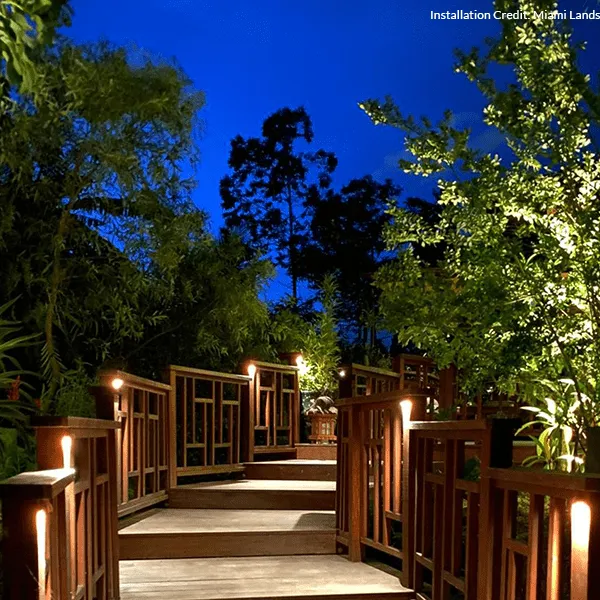
Landscape Lighting
Light up your home at night with beautiful, customized outdoor landscape lighting from Garden LED Lighting.
It doesn't matter whether you're looking to increase your home's security or boost its curb appeal; our team is here to bring your vision to life.
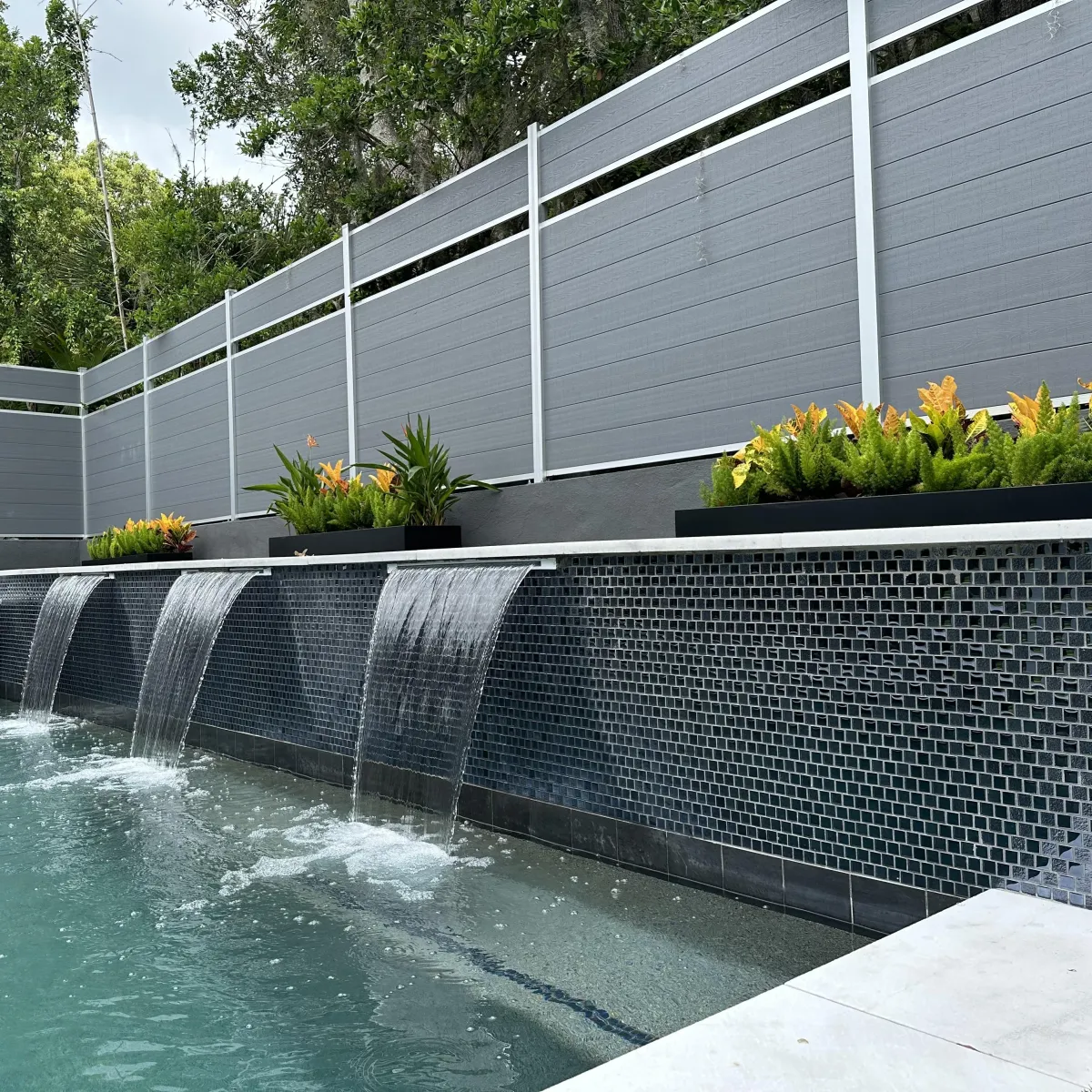
Greenwood Composite Fence
Need privacy in your backyard that combines aesthetics with durability and requires very little maintenance?
Welcome to Greenwood Fence. High-quality modern European-style fencing for the residential, commercial
Your Vision Deserves
A Partner
Who Cares...
WHY FLORIDA LIVING OUTDOOR...?
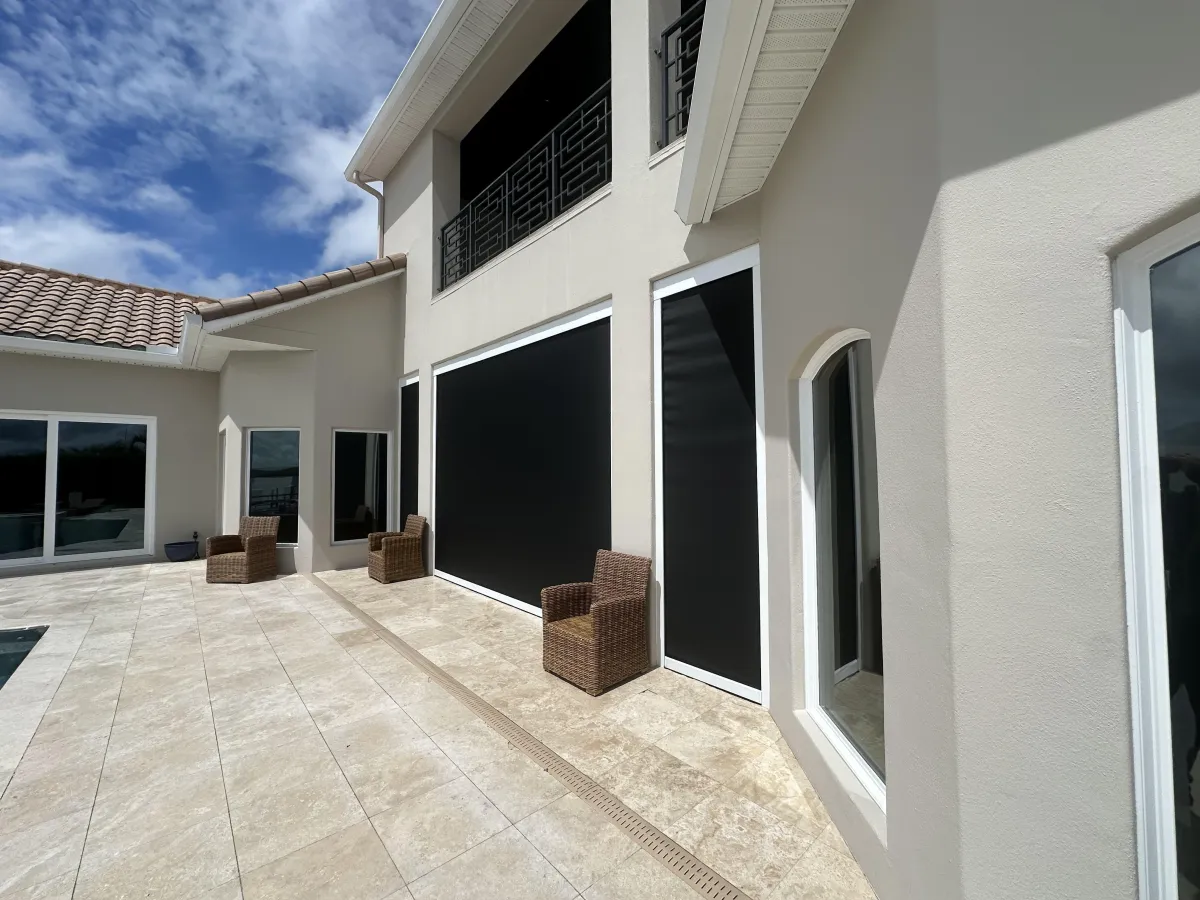
At Florida Living Outdoor, we specialize in enhancing, expanding, and protecting your outdoor living spaces, making them more functional and enjoyable. It does not matter if it is an open space, patio, or lanai. We offer top-of-the-line solutions, including motorized retractable screens, sun awnings, and aluminum pergolas.
At Florida Living Outdoor, we understand. When it comes to enhancing your outdoor living spaces or making them more functional, you're not just looking for a product. You are looking for a partner to help complete your vision.
The bottom line is that nobody knows Sun Pro Awnings, MagnaTrack Motorized Screens, and Fenetex Motorized Screens better than Florida Living Outdoor. We are Florida's number one Trusted resource for Motorized Screens and Awnings.
Don't Take Our Word For It.
Here Is What People Are Saying About Florida Living Outdoor.
Take Total Control of Your Outdoors.
Block the sun. Light up the nights. The perfect backdrop
Retractable Awnings
Enjoy on-demand sun protection with retractable awnings, offering shade when you need it and open skies when you don't.
Motorized Awnings: Upgrade your outdoor space with motorized awnings, providing effortless sun protection at the touch of a button.
Landscape Lights
Light up your home at night with beautiful, customized outdoor landscape lighting from Garden LED Lighting.
It doesn't matter whether you're looking to increase your home's security or boost its curb appeal; our team is here to bring your vision to life.
Greenwood Composite Fence
Need privacy in your backyard that combines aesthetics with durability and requires very little maintenance?
Welcome to Greenwood Fence. High-quality modern European-style fencing for the residential, commercial
Your Vision Deserves
A Partner
Who Cares...
WHY FLORIDA LIVING OUTDOOR...?
At Florida Living Outdoor, we specialize in enhancing, expanding, and protecting your outdoor living spaces, making them more functional and enjoyable. It does not matter if it is an open space, patio, or lanai. We offer top-of-the-line solutions, including motorized retractable screens, sun awnings, and aluminum pergolas.
Bottom line, we install the products that actually win their job. For Category-5 hurricane protection, the Defender Hurricane Screen by MagnaTrack — built by Progressive Screens, a Hunter Douglas Company, in Sarasota, Florida. For everyday shade, insect, UV, and privacy protection, OneTrack motorized screens — engineered with a patented self-adjusting tension system, welded seams, and UV-stable fabrics made for long-term Florida exposure. For daily-use premium screens that need the patented magnetic-track system, MagnaTrack.
For the full picture of outdoor living — Sun Pro awnings, Azenco-Outdoor pergolas, Greenwood Fence, and Garden LED lighting — all under one veteran-owned roof.
Don't Take Our Word For It.
Here Is What People Are Saying About Florida Living Outdoor.
Your Vision Deserves
A Partner
Who Delivers...
Your Vision Deserves
A Partner
Who Delivers...
Aluminum Pergolas -Turn Your Patio Into the Room Everyone Wants
An aluminum pergola gives you shade, structure, and a reason to stay outside longer.
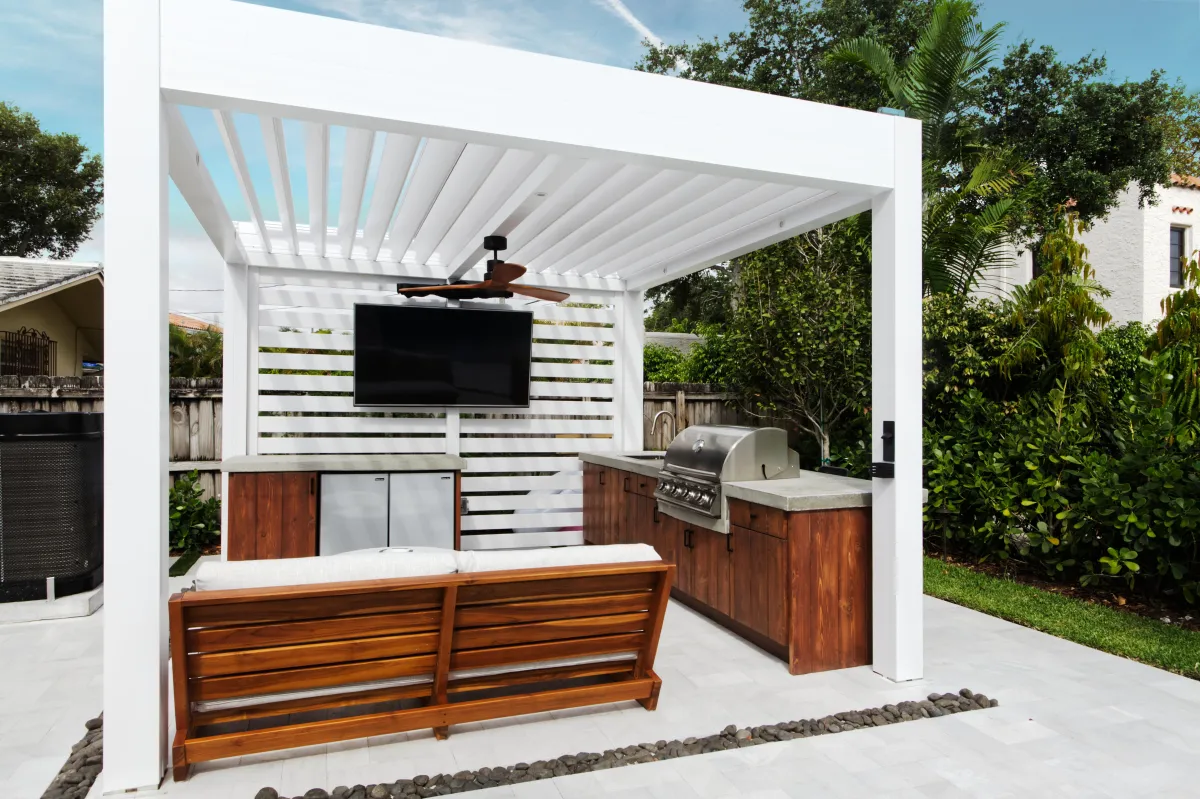
Louver Roof Pergolas
Enhance your outdoor space with aluminum pergolas with louvers, This modern pergola idea lets you control sunlight and airflow, creating the perfect ambiance year-round.
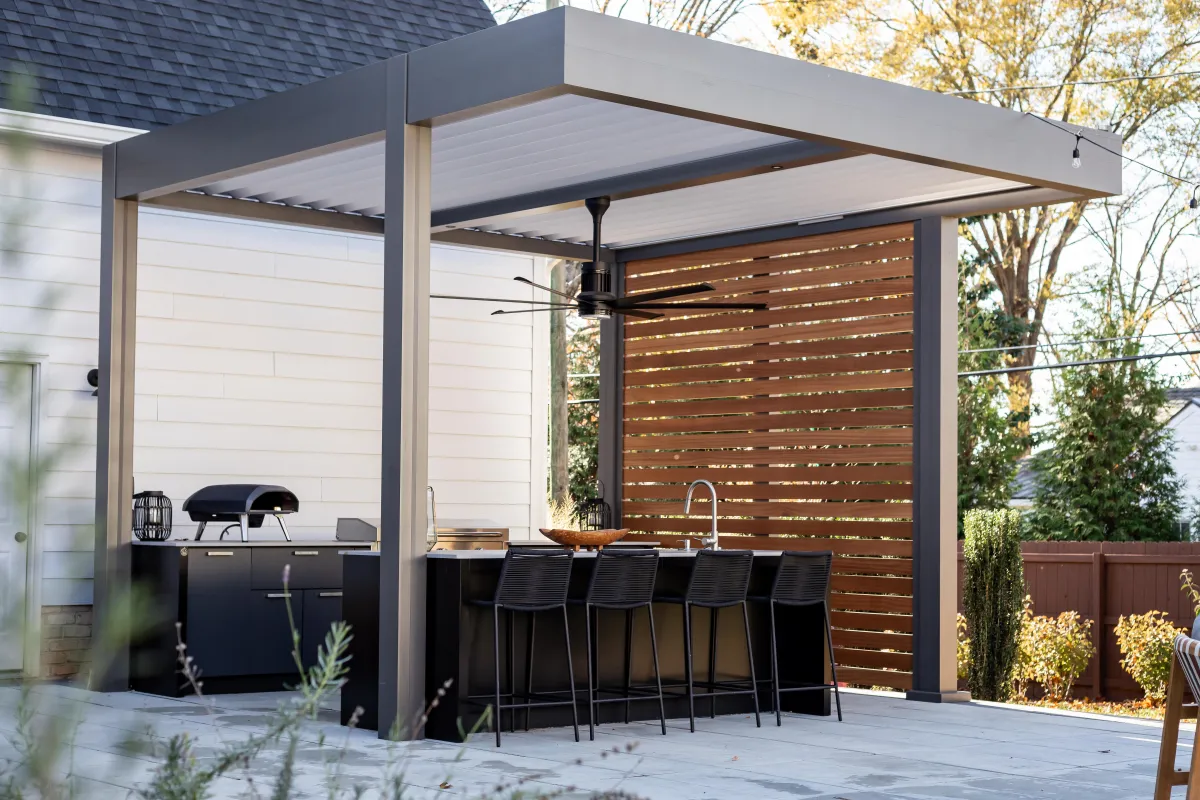
Insulated Roof Pergolas
For a cooler, more comfortable outdoor retreat, insulated roof pergolas provide superior protection from heat and rain. This pergola idea blends style and function, making your patio usable in any season.
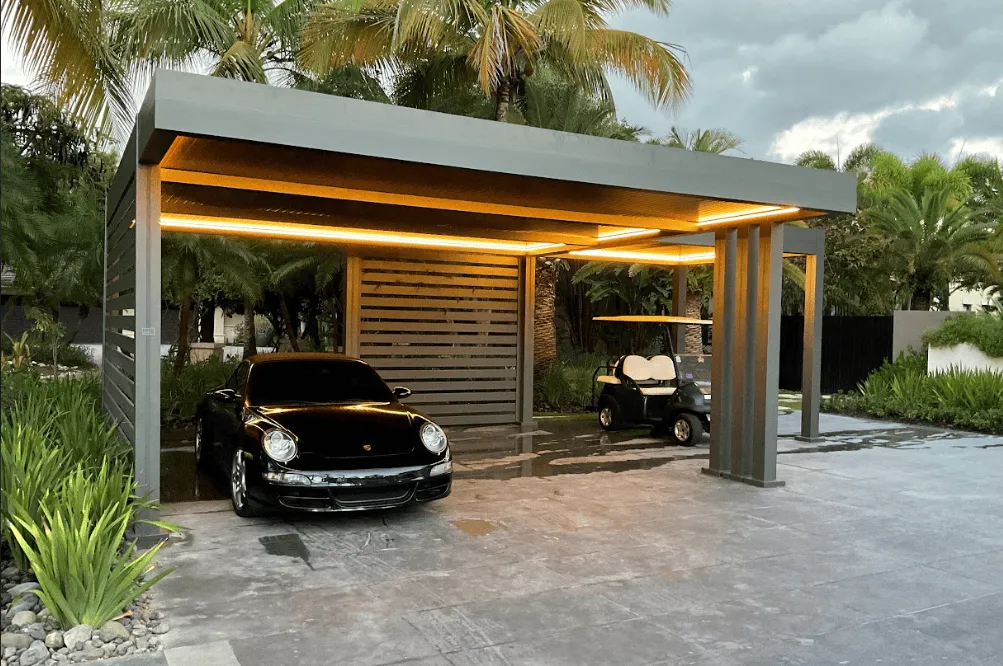
Car Port and Sun Shades
Protect your vehicles with durable aluminum carports, a sleek and modern alternative to traditional garages, creating curb appeal while shielding your car from the elements.
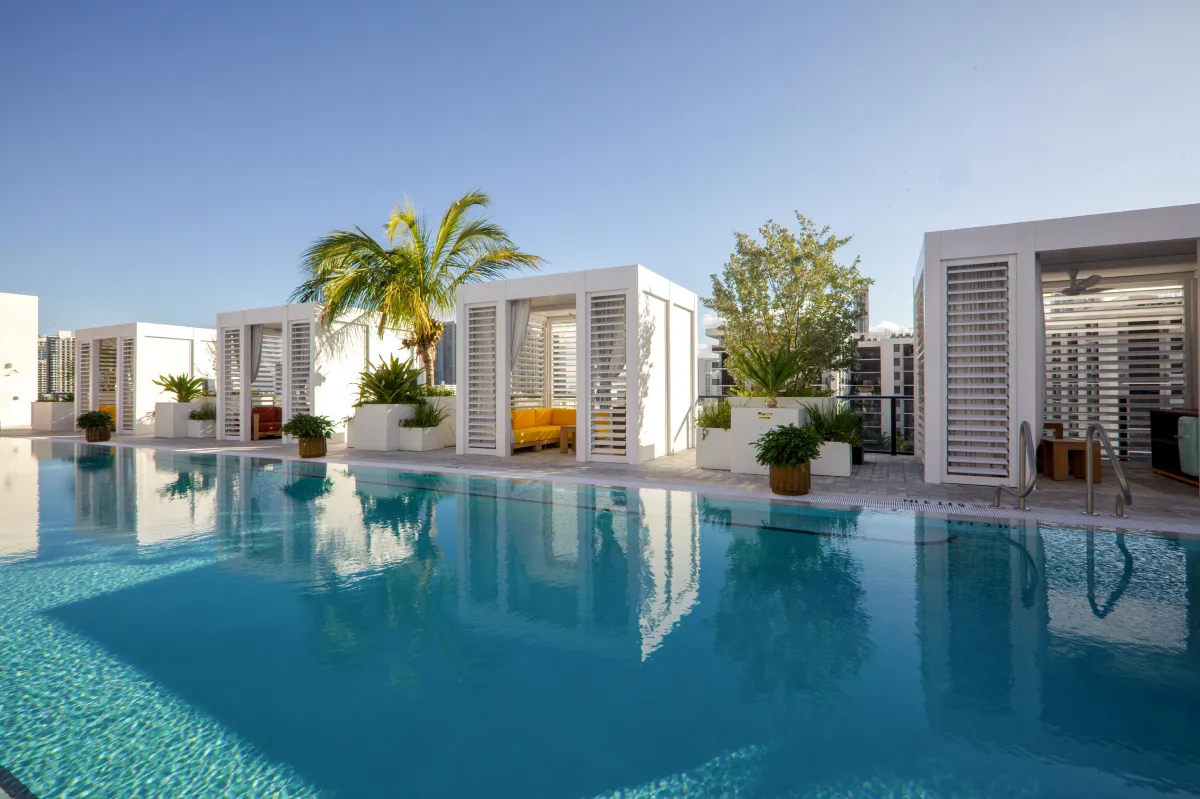
Aluminum Cabanas
Create a private, resort-style escape with aluminum cabanas, perfect for poolside lounging or outdoor entertaining. This pergola idea combines shade, style, and durability for a luxurious backyard retreat.
The Florida Living Outdoor Advantage

Luxury Products
Each Awning is designed for Quality and we proudly install only premium grade product that function well in creating those outdoor spaces. MagnaTrack screens are designed to truly enhance your outdoor living experience and deliver trouble-free performance year after year and long-lasting beauty.

Local Experts
As a family-veteran-owned, faith-based business, our team brings a personal touch to every project. We care. Our goal is to ensure your satisfaction and deliver unmatched service and outdoor luxury spaces.

Extensive Experience
FL Outdoors possesses a track record of 26 years of serving major clients; our extensive experience speaks for itself. Trust our licensed Class A contractor services for excellence in installation and customer satisfaction.

Superior Service
At Florida Living Outdoor, white-glove service is our hallmark. Your job is to dream and let us create a smile. We prioritize your needs, ensuring a hassle-free experience from consultation to installation.
The Florida Living Outdoor Advantage
Luxury Products
Each Awning is designed for Quality and we proudly install only premium grade product that function well in creating those outdoor spaces. MagnaTrack screens are designed to truly enhance your outdoor living experience and deliver trouble-free performance year after year and long-lasting beauty.
Local Experts
As a family-veteran-owned, faith-based business, our team brings a personal touch to every project. We care. Our goal is to ensure your satisfaction and deliver unmatched service and outdoor luxury spaces.
Extensive Experience
FL Outdoors possesses a track record of 26 years of serving major clients; our extensive experience speaks for itself. Trust our licensed Class A contractor services for excellence in installation and customer satisfaction.
Superior Service
At Florida Living Outdoor, white-glove service is our hallmark. Your job is to dream and let us create a smile. We prioritize your needs, ensuring a hassle-free experience from consultation to installation.
Your Vision Deserves
A Partner,
Not Just A Vendor
Florida Living Outdoors Solutions
Dual Specialties
Residential Solutions
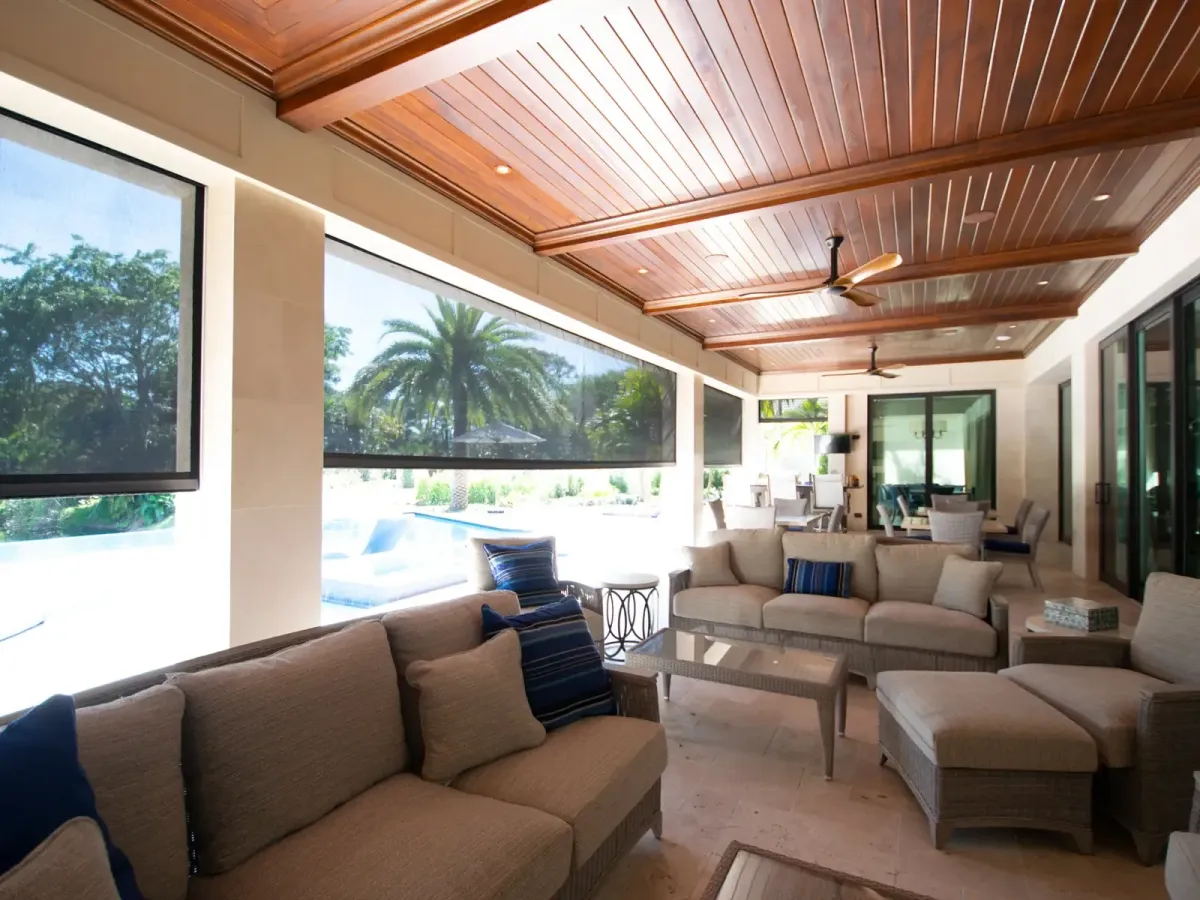
Your Florida home should be a sanctuary for relaxation, family time, and maybe even entertaining. Adding Motorized Screens to patios empowers you to curate any outdoor space to complement your aesthetics and meet your needs.
From Lanai Living to patio perfection, poolside cabanas to garages, and windows to doors, there are motorized screen options for every situation. Need motorized design ideas or a price check? Check out our motorized screen residential design guides and calculator.
Commercial Solutions
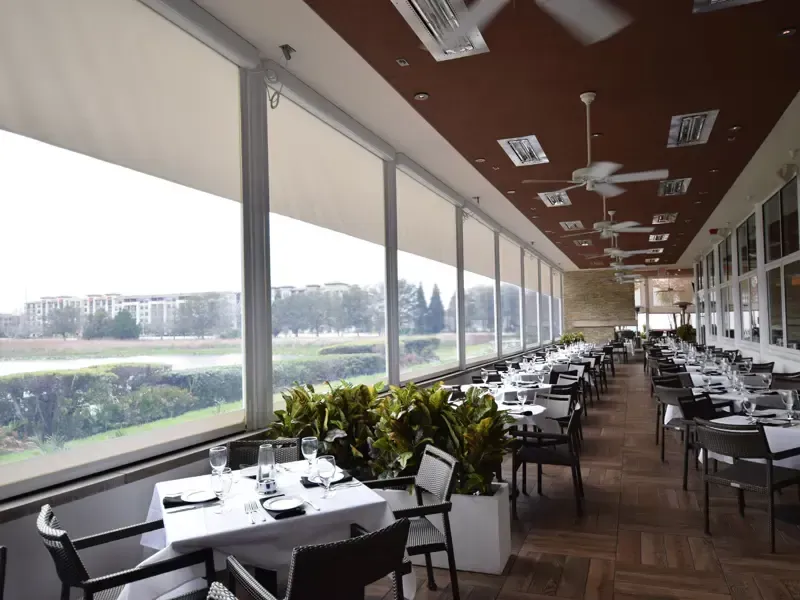
Whether you're investing in your restaurant's patio seating or weatherproofing your outdoor event space, ensuring those areas remain usable and enjoyable for guests is critical to your bottom line and ultimate business success.
Does your restaurant’s patio contend with glaring sun? Or maybe the luxury outdoor kitchen area is being invaded by bugs? Maybe the upcoming hurricane season has you concerned. Whatever the challenge, Florida Living Outdoor, Fenetex, and MagnaTrack Motorized got you covered.
Your Vision Deserves
A Partner,
Not Just A Vendor
Florida Living Outdoors Solutions
Dual Specialties
Residential Solutions
Your Florida home should be a sanctuary for relaxation, family time, and maybe even entertaining. Adding Motorized Screens to patios empowers you to curate any outdoor space so it complements your aesthetics and meets your needs.
From Lanai Living to patio perfection, poolside cabanas to garages, and windows to doors, there are motorized screen options for every situation. Need motorized design ideas or a price check? Check out our motorized screen residential design guides and calculator.
Commercial Solutions
Whether you're investing in your restaurant's patio seating or weather-proofing your outdoor event space, making sure those areas remain usable and enjoyable for guests is critical to the bottom line and your business' ultimate success.
Does your restaurant’s patio contend with glaring sun? Or maybe the luxury outdoor kitchen at your home is being invaded by bugs? Maybe the upcoming hurricane season has you concerned. Whatever the challenge, Fenetex Motorized
FL Outdoor News
Stay up to date with the latest news.
FL Outdoor News
Stay up to date with the latest news.
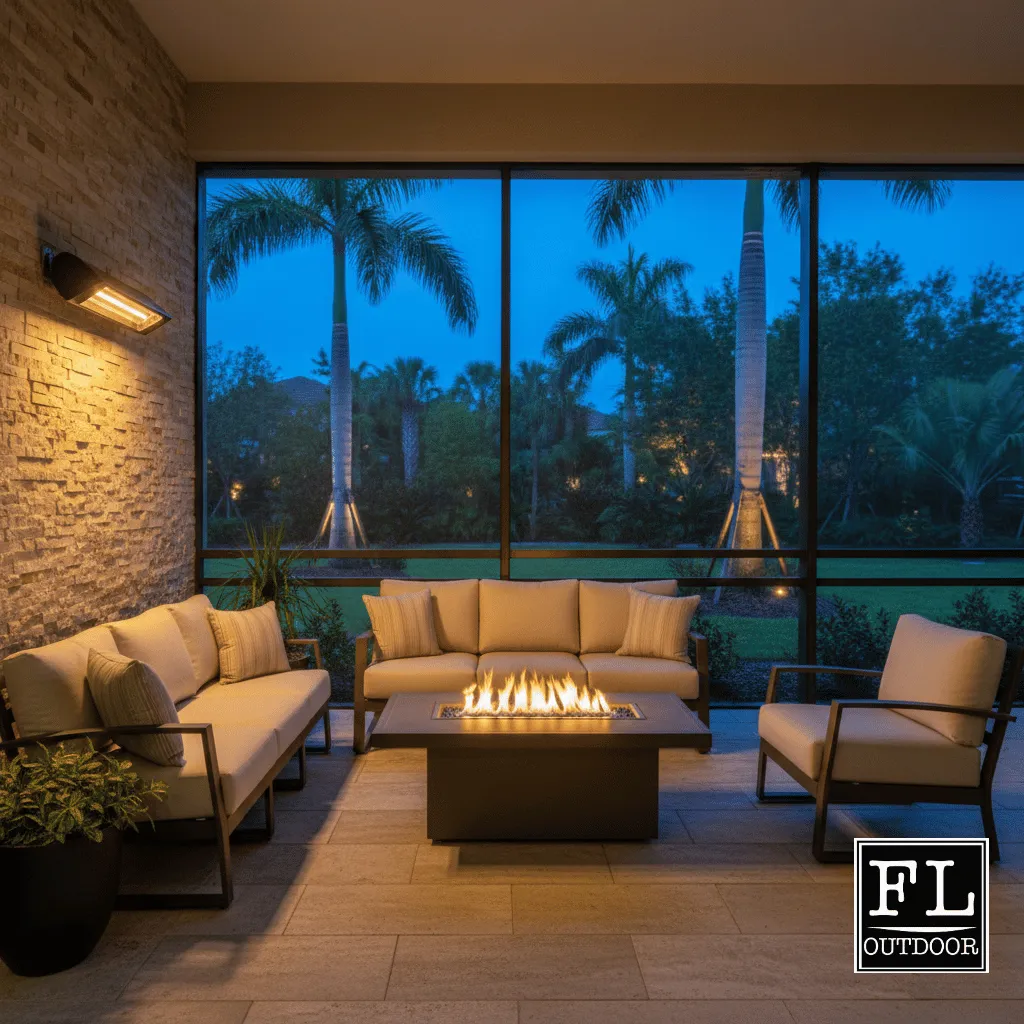
Lanai Heater Safety: Space Heaters, Fire Pits, or Infrared?
Space Heaters, Fire Pits, or Infrared: Which Lanai Heating Option Won't Kill You (or Your Electric Bill)
The safest heater for a screened lanai is an electric heater with tip-over protection, overheat shutoff, and a UL listing for outdoor or semi-outdoor use. Propane and natural gas heaters can operate in well-ventilated, screened spaces but require greater caution, clearance, and attention to carbon monoxide risk. Fire pits require a minimum of 8 feet of ceiling clearance and should never be used in fully enclosed spaces.
But safety is only part of the question.
The heater that's safest for your lanai might not be the most effective. The most effective might not fit your budget. And none of them will work well if the wind is blowing straight through your screens.
Let's break this down properly.
The Real Problem With Heating a Lanai
Before you buy anything, you need to understand why lanai heating is harder than it looks.
A screened lanai is not a room. It's an outdoor space with a roof. The screens keep bugs out, but they do almost nothing to stop airflow. When you turn on a heater, you're not warming an enclosed space—you're fighting a constant exchange of air with the outside world.
This matters because most heaters are designed for one of two scenarios: fully indoor or fully outdoor. A lanai is neither.
Indoor heaters assume still air. They warm but do little to block the air around them, and that warm air stays put. On a lanai, that warm air escapes through the screens within seconds.
Outdoor heaters assume you're sitting around them in open air. They use radiant heat—warming objects and people directly rather than warming the air. This works better on a lanai, but wind still pulls heat away from your body faster than the heater can replace it.
The result? Most people buy a heater, use it once, and decide it doesn't work. The heater wasn't the problem. The wind was.
We'll come back to this.
Your Three Main Options
Lanai heating falls into three categories: electric heaters, gas heaters (propane or natural gas), and fire features (fire pits and fire tables). Each has tradeoffs worth understanding before you spend money.
Electric Heaters: The Safest Choice for Most Lanais
Electric heaters are the default recommendation for screened lanais, and for good reason. No combustion means no carbon monoxide. No open flame means lower fire risk. No fuel storage means no propane tanks cluttering your space.
But not all electric heaters are equal. The two main types work very differently.
Convection Heaters (Space Heaters)
Convection heaters warm the air around them. You've seen these—the portable units you plug in and point at your seating area. They're inexpensive, widely available, and easy to use.
Pros:
Low upfront cost ($50-$150 for quality models)
Portable—move them where you need them
No installation required
Safe for screened spaces when used correctly
Cons:
Ineffective in windy conditions (warm air escapes immediately)
High electricity use for limited warmth
Must be positioned close to you (3-4 feet) to feel the heat
Not designed for heating large areas
Safety considerations:
Look for UL listing and "outdoor" or "semi-outdoor" rating
Tip-over protection is non-negotiable
Automatic shutoff if overheating occurs
Keep three feet from any combustible material
Never use extension cords unless they're outdoor-rated and heavy-gauge
Convection heaters work best for occasional use in mild cold (45-55°F) when wind is minimal. If you're dealing with colder temperatures or any significant breeze, you'll be disappointed.
Infrared Heaters (Radiant Heaters)
Infrared heaters work differently. Instead of warming the air, they emit radiant heat that warms objects and people directly—similar to how sunlight feels warm on your skin even when the air is cool.
This makes them significantly more effective on lanais. You feel the heat immediately, and wind doesn't carry it away as quickly.
Pros:
Work better in semi-open spaces
Immediate warmth (no waiting for air to heat)
More energy-efficient than convection heaters
Less affected by air movement
Can be wall or ceiling mounted for permanent installation
Cons:
Higher upfront cost ($150-$500 for portable, $800-$2,000+ installed)
Directional—only warms what's in their path
Mounted units require installation
Still less effective in strong wind
Safety considerations:
Same electrical safety rules as convection heaters
Mounting height matters—follow manufacturer specifications
Don't touch the heating element (they get very hot)
Keep combustibles out of the direct heat path
Infrared heaters are the better choice for regular lanai use. The higher upfront cost pays off in effectiveness and energy efficiency. If you're going to invest in one heating solution, this is where your money goes furthest.
Gas Heaters: More Heat, More Caution
Propane and natural gas heaters produce significantly more heat than electric options. A quality propane patio heater can warm a 15-20 foot radius, compared to 4-6 feet for most electric heaters.
But they come with considerations that matter on a lanai.
Propane Patio Heaters
The tall, mushroom-shaped heaters you see on restaurant patios. They radiate heat downward and outward, creating a warm zone around the unit.
Pros:
High heat output (40,000-50,000 BTU)
Large coverage area
No electrical connection needed
Work well in open or semi-open spaces
Cons:
Require propane tank storage and refills
Produce carbon monoxide (ventilation critical)
Tall profile can be awkward on covered lanais
Not recommended for low-ceiling spaces
More expensive to operate than electric ($1-2/hour vs $0.20-0.50/hour)
Safety considerations:
Adequate ventilation is essential—screened lanais generally qualify, but fully enclosed spaces do not
Minimum ceiling height of 8-10 feet recommended
Keep 3 feet from any combustible surface
Never use indoors or in enclosed spaces
Turn off and let cool completely before moving
Store propane tanks outside, not on the lanai
Tabletop Propane Heaters
Smaller versions that sit on tables or the ground. Lower heat output but more manageable size.
Pros:
More proportionate for smaller lanais
Lower propane consumption
Easier to store when not in use
Cons:
Still require ventilation
Limited heat radius (6-8 feet)
Same carbon monoxide concerns
Natural Gas Heaters
Permanently installed units connected to your home's gas line. No tanks to refill, consistent fuel supply.
Pros:
No fuel storage or refills
Consistent heat output
Lower operating cost than propane (roughly half)
Clean, reliable operation
Cons:
Requires professional installation ($500-$1,500+)
Permanent mounting location
Gas line extension may be needed
Same ventilation requirements as propane
The bottom line on gas heaters: They work well on screened lanais with adequate ceiling height and ventilation. They do not work safely on enclosed lanais, Florida rooms, or any space where air circulation is restricted. If you're unsure whether your space qualifies, consult a professional before installing.
Fire Pits and Fire Tables: Ambiance With Limitations
Fire features add warmth and atmosphere. There's something about an open flame that makes a space feel cozy in ways a heater can't replicate.
But they're not a primary heating solution for most lanais.
Propane Fire Tables
Low-profile tables with a gas burner in the center. Popular for outdoor living spaces.
Pros:
Beautiful ambiance
Moderate heat output (30,000-50,000 BTU)
Double as functional furniture
Adjustable flame height
Cons:
Heat rises straight up—limited warming of surrounding area
Require propane tank storage or gas line connection
Not suitable for low ceilings
Expensive ($500-$2,500+)
Safety considerations:
Minimum 8 feet ceiling clearance
Keep 2-3 feet from any combustible material
Never use in enclosed spaces
Use only on stable, level surfaces
Wind guards help but don't eliminate fire risk
Wood-Burning Fire Pits
Traditional fire pits using wood or manufactured logs.
Pros:
Authentic fire experience
No fuel costs if you have wood access
High heat output
Cons:
Smoke (significant issue on a covered lanai)
Spark risk near screens
Ash and cleanup
Not practical for frequent use
May violate HOA rules or local ordinances
The bottom line on fire features: They're best as a supplement to other heating, not a primary solution. The ambiance is real. The practical heat output for a covered lanai is limited.
The Factor Nobody Talks About: Wind
Here's what most heater reviews won't tell you.
The effectiveness of any lanai heater depends more on wind conditions than on the heater itself.
A 1,500-watt infrared heater in still air can keep you comfortable at 45°F. The same heater with a 10 mph breeze blowing through your screens? You'll barely feel it.
This is why so many people buy heaters, try them once on a windy evening, and conclude they don't work.
The heater works. The wind is the problem.
Solutions for Wind
The most effective way to make any heater work better is to reduce wind penetration on your lanai.
Temporary options:
Heavy outdoor curtains on the windward side ($100-$300)
Portable windscreens positioned around seating area
Strategic furniture arrangement to create wind shadows
Permanent options:
Clear vinyl panels ($2,000-$5,000)
Weather control screens ($3,000-$8,000)
Acrylic enclosure systems ($8,000-$18,000)
Motorized screen systems ($5,000-$15,000)
Let's look at two of the most effective permanent options in more detail.
Clear Vinyl Panels: Full Visibility, Full Protection
Clear vinyl panels replace or supplement your existing screens with transparent material that blocks wind completely while maintaining your view.
Pros:
Complete wind blockage
Unobstructed visibility
Relatively affordable compared to glass
Can be removable or permanent
Works with existing screen frames in some cases
Cons:
Can feel "enclosed" or greenhouse-like
May develop haze or yellowing over time (varies by quality)
Condensation can occur in humid conditions
Less breathability than screens—can feel stuffy without ventilation planning
Visible seams and hardware
Best for: Homeowners who want maximum wind protection, don't mind a more enclosed feel, and prioritize clear sightlines over airflow.
Weather Control Screens: The Middle Ground Most People Don't Know About
Weather control screens use tightly woven fabric—not solid vinyl or glass—to block 65% to 97% of outside elements. That includes wind, rain, dust, dirt, and dander.
Think of them as high-performance screens. You still see out clearly, but people can't see in. They breathe better than vinyl, feel less claustrophobic than full enclosures, and provide substantial protection from the elements while maintaining an outdoor feel.
Pros:
Blocks 65-97% of wind, rain, and debris (depending on fabric density)
Maintains outward visibility while providing privacy (see out, can't see in)
Breathes better than vinyl—less condensation, less stuffiness
Reduces UV exposure and glare
Filters dust, pollen, and allergens
More natural feel than full enclosures
Available in multiple opacity levels to match your preferences
Cons:
Not 100% wind blockage (though 90%+ options come close)
Won't completely stop heavy rain (designed for normal conditions, not hurricanes)
Higher cost than basic screen replacement
Requires quality installation for proper function
Best for: Homeowners who want serious wind and weather protection without sacrificing the open-air feel of their lanai. Particularly valuable if privacy matters—you enjoy your view while neighbors see only the screen.
Weather control fabric is one of the most popular options for motorized screen systems, where it can be deployed when conditions require protection and retracted completely when you want full airflow.
Motorized Screens: Protection When You Need It, Gone When You Don't
Motorized screens like the OneTrack system offer a particularly practical solution. Manufactured by Fenetex, these screens lower into precision-engineered tracks when wind or cold arrives, blocking airflow while preserving your view. When conditions improve, they retract completely—giving you back the open-air lanai experience.
You can learn more about how the track system works at OneTrackScreens.com.
Pros:
Deploy only when needed—retract completely when not
Available in clear vinyl OR weather control fabric (you choose)
Precision tracks create a seal that blocks wind effectively
Motorized operation via remote, wall switch, or smartphone
Can integrate with home automation and weather sensors
Professional appearance—tracks are sleek and unobtrusive
Preserves your lanai's open feel 90% of the time
Cons:
Higher upfront investment ($5,000-$15,000 depending on size and options)
Requires professional installation
Motorized components need occasional maintenance
Power source required (hardwired or solar options available)
Best for: Homeowners who want the flexibility to enjoy an open lanai most of the time but need reliable protection during cold fronts, windy evenings, or inclement weather. The "best of both worlds" option for those willing to invest.
Why Wind Protection Makes Heaters Work
The combination of wind protection plus a quality heater is dramatically more effective than a heater alone. You're not fighting the constant air exchange. The heat stays where you put it.
Consider the math:
A $200 infrared heater on an open screened lanai might keep you comfortable down to 55°F on a calm evening. Add wind, and that drops to maybe 60°F before you give up.
The same $200 heater behind weather control screens or deployed motorized screens? You're comfortable at 45°F, maybe lower. The heater hasn't changed. The environment has.
If you're planning to invest in lanai heating, consider whether wind protection should come first. A $200 heater behind wind-blocking screens often outperforms a $2,000 heater fighting a breeze.
Comparing Your Options: A Decision Framework
Rather than declaring a "best" option, here's how to match your choice to your situation.
Choose Electric Convection Heaters If:
You use your lanai occasionally during mild cold
Wind isn't a significant factor
You want the lowest upfront investment
You prefer portable solutions you can store away
Choose Electric Infrared Heaters If:
You use your lanai regularly in cold weather
You want something more effective than basic space heaters
You're willing to invest in a permanent or semi-permanent solution
Wind is moderate (or you have wind protection)
Choose Propane Heaters If:
You need high heat output for a large lanai
Your ceiling height is 8+ feet
You don't mind propane tank management
Your lanai is well-ventilated (screens, not glass)
Choose Fire Features If:
Ambiance matters as much as warmth
You have adequate ceiling clearance (8+ feet)
You're supplementing other heating, not relying on it exclusively
You enjoy the ritual of fire
Choose Clear Vinyl Panels If:
You want maximum wind protection with full visibility
You don't mind a more enclosed feel
You prefer a fixed solution (always in place)
Budget is a primary concern among permanent options
Choose Weather Control Screens If:
You want substantial wind protection while maintaining airflow
Privacy matters (see out, can't see in)
You prefer a more natural, outdoor feel than vinyl
You want to reduce dust, pollen, and UV exposure
Choose Motorized Screens If:
You want flexibility—protection when needed, open-air when not
You use your lanai frequently and value convenience
You're planning a long-term investment in your outdoor space
You want the option of clear vinyl OR weather control fabric
Systems like the Fenetex OneTrack are specifically designed for Florida's climate—blocking wind and weather when you need protection, then disappearing completely when you want open-air living.
Safety Checklist: Before You Buy
Regardless of which heating option you choose, verify these items:
For any heater:
Confirm UL listing or equivalent safety certification
Check that your lanai meets ventilation requirements
Measure ceiling height (critical for gas heaters and fire features)
Verify electrical capacity if using high-wattage electric heaters
Review HOA rules—some restrict heater types or open flames
For gas heaters and fire features:
Confirm adequate ceiling height (8+ feet minimum)
Plan propane tank storage location (outside, not on lanai)
Identify carbon monoxide detector placement
Know your shutoff procedure
For mounted/installed heaters:
Hire licensed professionals for gas line work
Verify mounting surfaces can handle weight and heat
Confirm electrical circuits can handle additional load
For screen systems:
Measure your lanai openings accurately
Consider which direction wind typically comes from
Decide between clear vinyl, weather control fabric, or both
Plan for electrical access if choosing motorized systems
What This Actually Costs
Realistic budget expectations:
What This Actually Costs
Realistic budget expectations:
Option: Upfront, Cost, Operating Cost, Lifespan
Convection space heater: $50-$150, $0.20-$0.50/hour, 3-5 years
Infrared portable heater$150-$500$0.15-$0.40/hour5-8 years
Infrared mounted heater$800-$2,000 installed$0.15-$0.40/hour10+ years
Propane patio heater$200-$500$1.00-$2.00/hour5-10 years
Propane fire table$500-$2,500$0.75-$1.50/hour10+ years
Natural gas heater$1,500-$3,500 installed$0.30-$0.60/hour15+ yearsClear vinyl panels$2,000-$5,000
Minimal8-12 yearsWeather control screens$3,000-$8,000Minimal10-15 years
Motorized screen system$5,000-$15,000Minimal15-20 years
The Bottom Line
There's no single "best" lanai heater. There's only the right heater for your situation—your lanai's size, your ceiling height, your ventilation, your budget, and how often you'll actually use it.
For most Florida homeowners with screened lanais:
Start with an electric infrared heater. It's safe, effective, and reasonably priced. Position it 6-8 feet from your seating area, pointing at where you'll sit.
Address wind if the heater disappoints. Before concluding that heating doesn't work, try using the heater on a calm evening. If it works when wind is absent, wind protection is your real solution. Weather control screens offer substantial protection while maintaining airflow. Clear vinyl blocks wind completely but feels more enclosed.
Consider the combination. Motorized screens plus a quality heater creates a lanai you can use comfortably through any Florida winter—without choosing between warmth and your view, without worrying about safety, and without watching your electric bill climb. The OneTrack system by Fenetex is engineered specifically for this purpose—precision tracks that seal against wind while maintaining the aesthetics of your outdoor space.
The goal isn't to heat the outdoors. The goal is to create a pocket of comfort where you actually sit.
Match the solution to that goal, and you'll make the right choice.

Your Vision Deserves
A Partner
Who Listens...
FL Outdoor News
Stay up to date with the latest news.
FL Outdoor News
Stay up to date with the latest news.
Lanai Heater Safety: Space Heaters, Fire Pits, or Infrared?
Space Heaters, Fire Pits, or Infrared: Which Lanai Heating Option Won't Kill You (or Your Electric Bill)
The safest heater for a screened lanai is an electric heater with tip-over protection, overheat shutoff, and a UL listing for outdoor or semi-outdoor use. Propane and natural gas heaters can operate in well-ventilated, screened spaces but require greater caution, clearance, and attention to carbon monoxide risk. Fire pits require a minimum of 8 feet of ceiling clearance and should never be used in fully enclosed spaces.
But safety is only part of the question.
The heater that's safest for your lanai might not be the most effective. The most effective might not fit your budget. And none of them will work well if the wind is blowing straight through your screens.
Let's break this down properly.
The Real Problem With Heating a Lanai
Before you buy anything, you need to understand why lanai heating is harder than it looks.
A screened lanai is not a room. It's an outdoor space with a roof. The screens keep bugs out, but they do almost nothing to stop airflow. When you turn on a heater, you're not warming an enclosed space—you're fighting a constant exchange of air with the outside world.
This matters because most heaters are designed for one of two scenarios: fully indoor or fully outdoor. A lanai is neither.
Indoor heaters assume still air. They warm but do little to block the air around them, and that warm air stays put. On a lanai, that warm air escapes through the screens within seconds.
Outdoor heaters assume you're sitting around them in open air. They use radiant heat—warming objects and people directly rather than warming the air. This works better on a lanai, but wind still pulls heat away from your body faster than the heater can replace it.
The result? Most people buy a heater, use it once, and decide it doesn't work. The heater wasn't the problem. The wind was.
We'll come back to this.
Your Three Main Options
Lanai heating falls into three categories: electric heaters, gas heaters (propane or natural gas), and fire features (fire pits and fire tables). Each has tradeoffs worth understanding before you spend money.
Electric Heaters: The Safest Choice for Most Lanais
Electric heaters are the default recommendation for screened lanais, and for good reason. No combustion means no carbon monoxide. No open flame means lower fire risk. No fuel storage means no propane tanks cluttering your space.
But not all electric heaters are equal. The two main types work very differently.
Convection Heaters (Space Heaters)
Convection heaters warm the air around them. You've seen these—the portable units you plug in and point at your seating area. They're inexpensive, widely available, and easy to use.
Pros:
Low upfront cost ($50-$150 for quality models)
Portable—move them where you need them
No installation required
Safe for screened spaces when used correctly
Cons:
Ineffective in windy conditions (warm air escapes immediately)
High electricity use for limited warmth
Must be positioned close to you (3-4 feet) to feel the heat
Not designed for heating large areas
Safety considerations:
Look for UL listing and "outdoor" or "semi-outdoor" rating
Tip-over protection is non-negotiable
Automatic shutoff if overheating occurs
Keep three feet from any combustible material
Never use extension cords unless they're outdoor-rated and heavy-gauge
Convection heaters work best for occasional use in mild cold (45-55°F) when wind is minimal. If you're dealing with colder temperatures or any significant breeze, you'll be disappointed.
Infrared Heaters (Radiant Heaters)
Infrared heaters work differently. Instead of warming the air, they emit radiant heat that warms objects and people directly—similar to how sunlight feels warm on your skin even when the air is cool.
This makes them significantly more effective on lanais. You feel the heat immediately, and wind doesn't carry it away as quickly.
Pros:
Work better in semi-open spaces
Immediate warmth (no waiting for air to heat)
More energy-efficient than convection heaters
Less affected by air movement
Can be wall or ceiling mounted for permanent installation
Cons:
Higher upfront cost ($150-$500 for portable, $800-$2,000+ installed)
Directional—only warms what's in their path
Mounted units require installation
Still less effective in strong wind
Safety considerations:
Same electrical safety rules as convection heaters
Mounting height matters—follow manufacturer specifications
Don't touch the heating element (they get very hot)
Keep combustibles out of the direct heat path
Infrared heaters are the better choice for regular lanai use. The higher upfront cost pays off in effectiveness and energy efficiency. If you're going to invest in one heating solution, this is where your money goes furthest.
Gas Heaters: More Heat, More Caution
Propane and natural gas heaters produce significantly more heat than electric options. A quality propane patio heater can warm a 15-20 foot radius, compared to 4-6 feet for most electric heaters.
But they come with considerations that matter on a lanai.
Propane Patio Heaters
The tall, mushroom-shaped heaters you see on restaurant patios. They radiate heat downward and outward, creating a warm zone around the unit.
Pros:
High heat output (40,000-50,000 BTU)
Large coverage area
No electrical connection needed
Work well in open or semi-open spaces
Cons:
Require propane tank storage and refills
Produce carbon monoxide (ventilation critical)
Tall profile can be awkward on covered lanais
Not recommended for low-ceiling spaces
More expensive to operate than electric ($1-2/hour vs $0.20-0.50/hour)
Safety considerations:
Adequate ventilation is essential—screened lanais generally qualify, but fully enclosed spaces do not
Minimum ceiling height of 8-10 feet recommended
Keep 3 feet from any combustible surface
Never use indoors or in enclosed spaces
Turn off and let cool completely before moving
Store propane tanks outside, not on the lanai
Tabletop Propane Heaters
Smaller versions that sit on tables or the ground. Lower heat output but more manageable size.
Pros:
More proportionate for smaller lanais
Lower propane consumption
Easier to store when not in use
Cons:
Still require ventilation
Limited heat radius (6-8 feet)
Same carbon monoxide concerns
Natural Gas Heaters
Permanently installed units connected to your home's gas line. No tanks to refill, consistent fuel supply.
Pros:
No fuel storage or refills
Consistent heat output
Lower operating cost than propane (roughly half)
Clean, reliable operation
Cons:
Requires professional installation ($500-$1,500+)
Permanent mounting location
Gas line extension may be needed
Same ventilation requirements as propane
The bottom line on gas heaters: They work well on screened lanais with adequate ceiling height and ventilation. They do not work safely on enclosed lanais, Florida rooms, or any space where air circulation is restricted. If you're unsure whether your space qualifies, consult a professional before installing.
Fire Pits and Fire Tables: Ambiance With Limitations
Fire features add warmth and atmosphere. There's something about an open flame that makes a space feel cozy in ways a heater can't replicate.
But they're not a primary heating solution for most lanais.
Propane Fire Tables
Low-profile tables with a gas burner in the center. Popular for outdoor living spaces.
Pros:
Beautiful ambiance
Moderate heat output (30,000-50,000 BTU)
Double as functional furniture
Adjustable flame height
Cons:
Heat rises straight up—limited warming of surrounding area
Require propane tank storage or gas line connection
Not suitable for low ceilings
Expensive ($500-$2,500+)
Safety considerations:
Minimum 8 feet ceiling clearance
Keep 2-3 feet from any combustible material
Never use in enclosed spaces
Use only on stable, level surfaces
Wind guards help but don't eliminate fire risk
Wood-Burning Fire Pits
Traditional fire pits using wood or manufactured logs.
Pros:
Authentic fire experience
No fuel costs if you have wood access
High heat output
Cons:
Smoke (significant issue on a covered lanai)
Spark risk near screens
Ash and cleanup
Not practical for frequent use
May violate HOA rules or local ordinances
The bottom line on fire features: They're best as a supplement to other heating, not a primary solution. The ambiance is real. The practical heat output for a covered lanai is limited.
The Factor Nobody Talks About: Wind
Here's what most heater reviews won't tell you.
The effectiveness of any lanai heater depends more on wind conditions than on the heater itself.
A 1,500-watt infrared heater in still air can keep you comfortable at 45°F. The same heater with a 10 mph breeze blowing through your screens? You'll barely feel it.
This is why so many people buy heaters, try them once on a windy evening, and conclude they don't work.
The heater works. The wind is the problem.
Solutions for Wind
The most effective way to make any heater work better is to reduce wind penetration on your lanai.
Temporary options:
Heavy outdoor curtains on the windward side ($100-$300)
Portable windscreens positioned around seating area
Strategic furniture arrangement to create wind shadows
Permanent options:
Clear vinyl panels ($2,000-$5,000)
Weather control screens ($3,000-$8,000)
Acrylic enclosure systems ($8,000-$18,000)
Motorized screen systems ($5,000-$15,000)
Let's look at two of the most effective permanent options in more detail.
Clear Vinyl Panels: Full Visibility, Full Protection
Clear vinyl panels replace or supplement your existing screens with transparent material that blocks wind completely while maintaining your view.
Pros:
Complete wind blockage
Unobstructed visibility
Relatively affordable compared to glass
Can be removable or permanent
Works with existing screen frames in some cases
Cons:
Can feel "enclosed" or greenhouse-like
May develop haze or yellowing over time (varies by quality)
Condensation can occur in humid conditions
Less breathability than screens—can feel stuffy without ventilation planning
Visible seams and hardware
Best for: Homeowners who want maximum wind protection, don't mind a more enclosed feel, and prioritize clear sightlines over airflow.
Weather Control Screens: The Middle Ground Most People Don't Know About
Weather control screens use tightly woven fabric—not solid vinyl or glass—to block 65% to 97% of outside elements. That includes wind, rain, dust, dirt, and dander.
Think of them as high-performance screens. You still see out clearly, but people can't see in. They breathe better than vinyl, feel less claustrophobic than full enclosures, and provide substantial protection from the elements while maintaining an outdoor feel.
Pros:
Blocks 65-97% of wind, rain, and debris (depending on fabric density)
Maintains outward visibility while providing privacy (see out, can't see in)
Breathes better than vinyl—less condensation, less stuffiness
Reduces UV exposure and glare
Filters dust, pollen, and allergens
More natural feel than full enclosures
Available in multiple opacity levels to match your preferences
Cons:
Not 100% wind blockage (though 90%+ options come close)
Won't completely stop heavy rain (designed for normal conditions, not hurricanes)
Higher cost than basic screen replacement
Requires quality installation for proper function
Best for: Homeowners who want serious wind and weather protection without sacrificing the open-air feel of their lanai. Particularly valuable if privacy matters—you enjoy your view while neighbors see only the screen.
Weather control fabric is one of the most popular options for motorized screen systems, where it can be deployed when conditions require protection and retracted completely when you want full airflow.
Motorized Screens: Protection When You Need It, Gone When You Don't
Motorized screens like the OneTrack system offer a particularly practical solution. Manufactured by Fenetex, these screens lower into precision-engineered tracks when wind or cold arrives, blocking airflow while preserving your view. When conditions improve, they retract completely—giving you back the open-air lanai experience.
You can learn more about how the track system works at OneTrackScreens.com.
Pros:
Deploy only when needed—retract completely when not
Available in clear vinyl OR weather control fabric (you choose)
Precision tracks create a seal that blocks wind effectively
Motorized operation via remote, wall switch, or smartphone
Can integrate with home automation and weather sensors
Professional appearance—tracks are sleek and unobtrusive
Preserves your lanai's open feel 90% of the time
Cons:
Higher upfront investment ($5,000-$15,000 depending on size and options)
Requires professional installation
Motorized components need occasional maintenance
Power source required (hardwired or solar options available)
Best for: Homeowners who want the flexibility to enjoy an open lanai most of the time but need reliable protection during cold fronts, windy evenings, or inclement weather. The "best of both worlds" option for those willing to invest.
Why Wind Protection Makes Heaters Work
The combination of wind protection plus a quality heater is dramatically more effective than a heater alone. You're not fighting the constant air exchange. The heat stays where you put it.
Consider the math:
A $200 infrared heater on an open screened lanai might keep you comfortable down to 55°F on a calm evening. Add wind, and that drops to maybe 60°F before you give up.
The same $200 heater behind weather control screens or deployed motorized screens? You're comfortable at 45°F, maybe lower. The heater hasn't changed. The environment has.
If you're planning to invest in lanai heating, consider whether wind protection should come first. A $200 heater behind wind-blocking screens often outperforms a $2,000 heater fighting a breeze.
Comparing Your Options: A Decision Framework
Rather than declaring a "best" option, here's how to match your choice to your situation.
Choose Electric Convection Heaters If:
You use your lanai occasionally during mild cold
Wind isn't a significant factor
You want the lowest upfront investment
You prefer portable solutions you can store away
Choose Electric Infrared Heaters If:
You use your lanai regularly in cold weather
You want something more effective than basic space heaters
You're willing to invest in a permanent or semi-permanent solution
Wind is moderate (or you have wind protection)
Choose Propane Heaters If:
You need high heat output for a large lanai
Your ceiling height is 8+ feet
You don't mind propane tank management
Your lanai is well-ventilated (screens, not glass)
Choose Fire Features If:
Ambiance matters as much as warmth
You have adequate ceiling clearance (8+ feet)
You're supplementing other heating, not relying on it exclusively
You enjoy the ritual of fire
Choose Clear Vinyl Panels If:
You want maximum wind protection with full visibility
You don't mind a more enclosed feel
You prefer a fixed solution (always in place)
Budget is a primary concern among permanent options
Choose Weather Control Screens If:
You want substantial wind protection while maintaining airflow
Privacy matters (see out, can't see in)
You prefer a more natural, outdoor feel than vinyl
You want to reduce dust, pollen, and UV exposure
Choose Motorized Screens If:
You want flexibility—protection when needed, open-air when not
You use your lanai frequently and value convenience
You're planning a long-term investment in your outdoor space
You want the option of clear vinyl OR weather control fabric
Systems like the Fenetex OneTrack are specifically designed for Florida's climate—blocking wind and weather when you need protection, then disappearing completely when you want open-air living.
Safety Checklist: Before You Buy
Regardless of which heating option you choose, verify these items:
For any heater:
Confirm UL listing or equivalent safety certification
Check that your lanai meets ventilation requirements
Measure ceiling height (critical for gas heaters and fire features)
Verify electrical capacity if using high-wattage electric heaters
Review HOA rules—some restrict heater types or open flames
For gas heaters and fire features:
Confirm adequate ceiling height (8+ feet minimum)
Plan propane tank storage location (outside, not on lanai)
Identify carbon monoxide detector placement
Know your shutoff procedure
For mounted/installed heaters:
Hire licensed professionals for gas line work
Verify mounting surfaces can handle weight and heat
Confirm electrical circuits can handle additional load
For screen systems:
Measure your lanai openings accurately
Consider which direction wind typically comes from
Decide between clear vinyl, weather control fabric, or both
Plan for electrical access if choosing motorized systems
What This Actually Costs
Realistic budget expectations:
What This Actually Costs
Realistic budget expectations:
Option: Upfront, Cost, Operating Cost, Lifespan
Convection space heater: $50-$150, $0.20-$0.50/hour, 3-5 years
Infrared portable heater$150-$500$0.15-$0.40/hour5-8 years
Infrared mounted heater$800-$2,000 installed$0.15-$0.40/hour10+ years
Propane patio heater$200-$500$1.00-$2.00/hour5-10 years
Propane fire table$500-$2,500$0.75-$1.50/hour10+ years
Natural gas heater$1,500-$3,500 installed$0.30-$0.60/hour15+ yearsClear vinyl panels$2,000-$5,000
Minimal8-12 yearsWeather control screens$3,000-$8,000Minimal10-15 years
Motorized screen system$5,000-$15,000Minimal15-20 years
The Bottom Line
There's no single "best" lanai heater. There's only the right heater for your situation—your lanai's size, your ceiling height, your ventilation, your budget, and how often you'll actually use it.
For most Florida homeowners with screened lanais:
Start with an electric infrared heater. It's safe, effective, and reasonably priced. Position it 6-8 feet from your seating area, pointing at where you'll sit.
Address wind if the heater disappoints. Before concluding that heating doesn't work, try using the heater on a calm evening. If it works when wind is absent, wind protection is your real solution. Weather control screens offer substantial protection while maintaining airflow. Clear vinyl blocks wind completely but feels more enclosed.
Consider the combination. Motorized screens plus a quality heater creates a lanai you can use comfortably through any Florida winter—without choosing between warmth and your view, without worrying about safety, and without watching your electric bill climb. The OneTrack system by Fenetex is engineered specifically for this purpose—precision tracks that seal against wind while maintaining the aesthetics of your outdoor space.
The goal isn't to heat the outdoors. The goal is to create a pocket of comfort where you actually sit.
Match the solution to that goal, and you'll make the right choice.
Your Vision Deserves
A Partner
Who Listens...
COMPANY
MOTORIZED SCREENS
SHADE SOLUTIONS
FENCING & LIGHTING
DESIGN IDEAS
SUPPORT



Copyright 2026. FL OUTDOOR. All Rights Reserved.
Powered and Built By