The Worlds Toughest Hurricane Screen
Tried | True | Tested.
PROTECTION THAT PERFORM
No Blowouts. No Rewraps. No Compromise....
MaxForce Hurricane Screens are the result of years of real-world testing, research, and engineering refinement. Built to withstand the harshest conditions without sacrificing aesthetics, they offer maximum protection for your patio or lanai with hurricane-rated performance.
Tested, Trusted, Proven, and Never compromised—these screens are built for the long haul:

PROTECTION THAT PERFORM
No Blowouts. No Rewraps. No Compromise....
MaxForce Hurricane Screens are the result of years of real-world testing, research, and engineering refinement. Built to withstand the harshest conditions without sacrificing aesthetics, they offer maximum protection for your patio or lanai with hurricane-rated performance.
Tested, Trusted, Proven, and Never compromised—these screens are built for the long haul:
Your Vision Deserves
A Partner
Who Listens...
Your Vision Deserves
A Partner
Who Listens...
MAXFORCE & FL OUTDOOR
READY FOR LIFE'S STORMS
MAXFORCE & FL OUTDOOR
READY FOR LIFE'S STORMS
MAXFORCE HURRICANE SCREEN SYSTEM
A Certified, Tested System...
The MaxForce Hurricane Screen System meet or exceeds Miami-Dade and Florida Building Code requirements—the toughest hurricane codes on earth—for roll-down hurricane screens. Rated for the 185 MPH wind zone, and with real-world and certified testing. With spans of up to 24 feet, they exceed performance criteria for all local and International Building Codes.
MAXFORCE HURRICANE SCREEN SYSTEM
A Certified, Tested System...
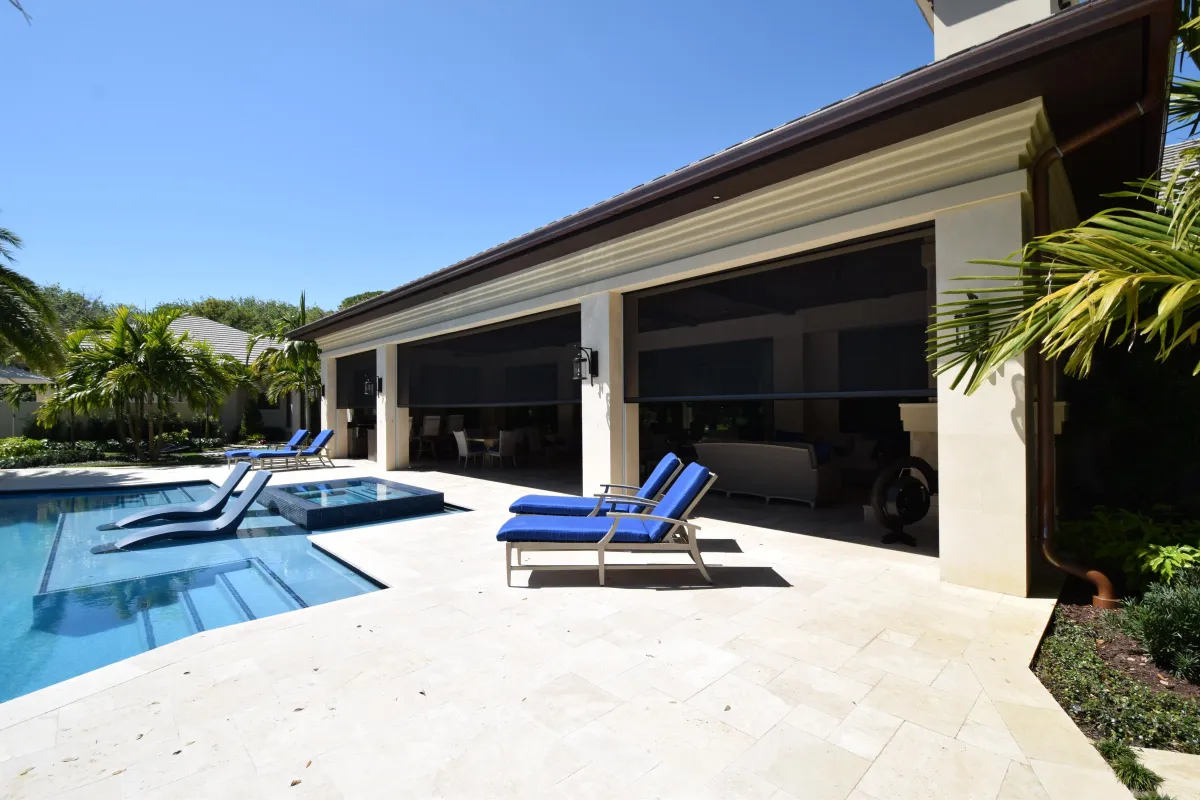
The MaxForce Hurricane Screen System meet or exceeds Miami-Dade and Florida Building Code requirements—the toughest hurricane codes on earth—for roll-down hurricane screens. Rated for the 185 MPH wind zone, and with real-world and certified testing. With spans of up to 24 feet, they exceed performance criteria for all local and International Building Codes.
MAXFORCE IS THERE
When You Need It The Most

Secure Track
MaxForce Fix Hurricane Track holds firm under extreme loads

Max Corrosion Protection
Powder Coated Aluminum Protects your investment from exposure and corrosion.

Heavy-Duty Design
Our screens are designed to withstand the extreme. High wind, Rain, or Shine, Dust Dirt, Dander, it does not matter. MaxForce covers it all
MAXFORCE IS THERE
When You Need It The Most

Secure Track
MaxForce Fix Hurricane Track holds firm under extreme loads
Max Corrosion Protection
Powder Coated Aluminum Protects your investment from exposure and corrosion.
Heavy-Duty Design
Our screens are designed to withstand the extreme. High wind, Rain, or Shine, Dust Dirt, Dander, it does not matter. MaxForce covers it all
Your Vision Deserves
A Partner
Who Cares...
Your Vision Deserves
A Partner
Who Cares...
THE MAXFORCE HURRICANE SCREEN DIFFERENCE
MaxForce Hurricane Screen
MaxForce Hurricane Screens, powered by our patented MaxForce system, meet the toughest standards—including HVHZ certification in Miami-Dade and Broward. They last longer, resist more, and do more than any screen on the market—proven protection without compromise.
.
MaxForce Hurricane Screens —Delivers 365 days of perfect protection, rain or shine, on your patio and lanai. With the push of a button or a tap on the mobile app, your patio is storm-ready— furniture and openings fully protected in seconds.
.
MaxForce Hurricane Screens fabric blocks up to 95% of the sun’s damaging UV-rays while shielding against wind, rain, insects, dust, and debris. It also helps reduce heat and lower energy costs by limiting solar exposure—comfort and protection in one smart solution.
.
Like all Fenetex products, our MaxForce Hurricane Screens are highly customizable and built to order—made to fit your exact openings. No guesswork, no compromises—just precision-fit protection tailored to your space.
.
Pair our retractable MaxForce Hurricane Screens with other Fenetex screens for customized and independent solutions. Each screen operates independently, giving you the protection you want when you need it.
MaxForce Hurricane Screens offer built-in privacy without blocking your view. Like a two-way mirror, you can see out—but neighbors and passersby cannot see in. It provides the perfect blend of openness and seclusion, day or night.
THE MAXFORCE HURRICANE SCREEN DIFFERENCE
MaxForce Hurricane Screen
MaxForce Hurricane Screens, powered by our patented MaxForce system, meet the toughest standards—including HVHZ certification in Miami-Dade and Broward. They last longer, resist more, and do more than any screen on the market—proven protection without compromise.
.
MaxForce Hurricane Screens —Delivers 365 days of perfect protection, rain or shine, on your patio and lanai. With the push of a button or a tap on the mobile app, your patio is storm-ready— furniture and openings fully protected in seconds.
.
MaxForce Hurricane Screens fabric blocks up to 95% of the sun’s damaging UV-rays while shielding against wind, rain, insects, dust, and debris. It also helps reduce heat and lower energy costs by limiting solar exposure—comfort and protection in one smart solution.
.
Like all Fenetex products, our MaxForce Hurricane Screens are highly customizable and built to order—made to fit your exact openings. No guesswork, no compromises—just precision-fit protection tailored to your space.
.
Pair our retractable MaxForce Hurricane Screens with other Fenetex screens for customized and independent solutions. Each screen operates independently, giving you the protection you want when you need it.
MaxForce Hurricane Screens offer built-in privacy without blocking your view. Like a two-way mirror, you can see out—but neighbors and passersby cannot see in. It provides the perfect blend of openness and seclusion, day or night.

ADJUSTABLE ABILITY: MANUAL
Fixed Track
LOCKS TIGHT
Ultimate Strength

RATED FOR
185mph Wind Zone
APPLICATION
Residential & Commercial
ADJUSTABLE ABILITY: MANUAL
Fixed Track
LOCKS TIGHT
Ultimate Strength
RATED FOR
185mph Wind Zone
APPLICATION
Residential & Commercial
IT'S AS EASY AS 1, 2, 3
Customize Your Screen
STEP ONE:
Choose Your Screen Color...
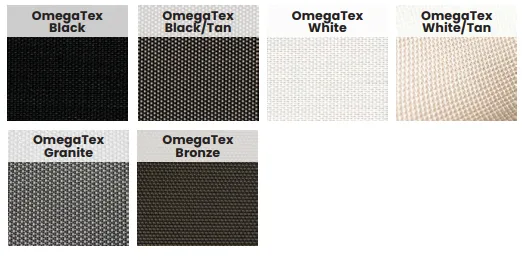
Backed by Twitchell’s OmegaTex fabric, our hurricane screens are engineered with ballistic-grade and enhanced fibers for maximum strength and durability. These fabrics aren’t just tough—they’re also UV-protected for long-lasting performance and crafted with aesthetics in mind. Choose from six elegant colors designed to complement the architecture of your home.
STEP TWO:
Choose Your Frame Color...
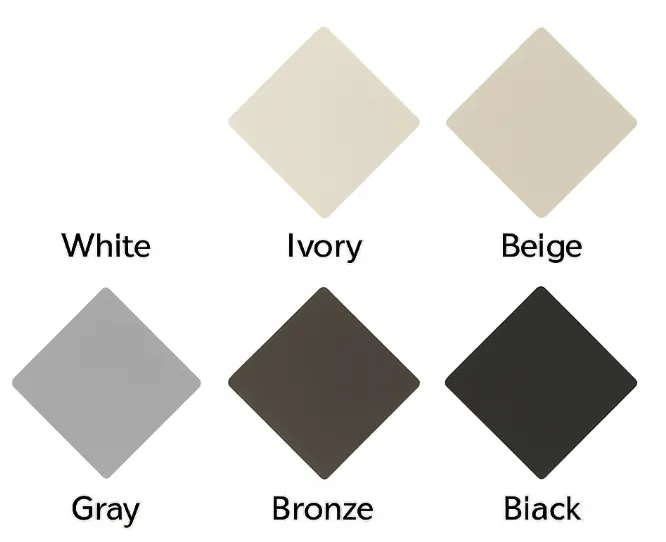
Choosing the right screen color is simple with . Our standard color selections are designed to blend seamlessly with your architecture and framework, offering a clean, cohesive look. For unique designs, custom powder coating is available to match any project. All finishes are marine-grade and infused with UV ray inhibitors—built to endure the elements and maintain their beauty for years to come.
STEP THREE:
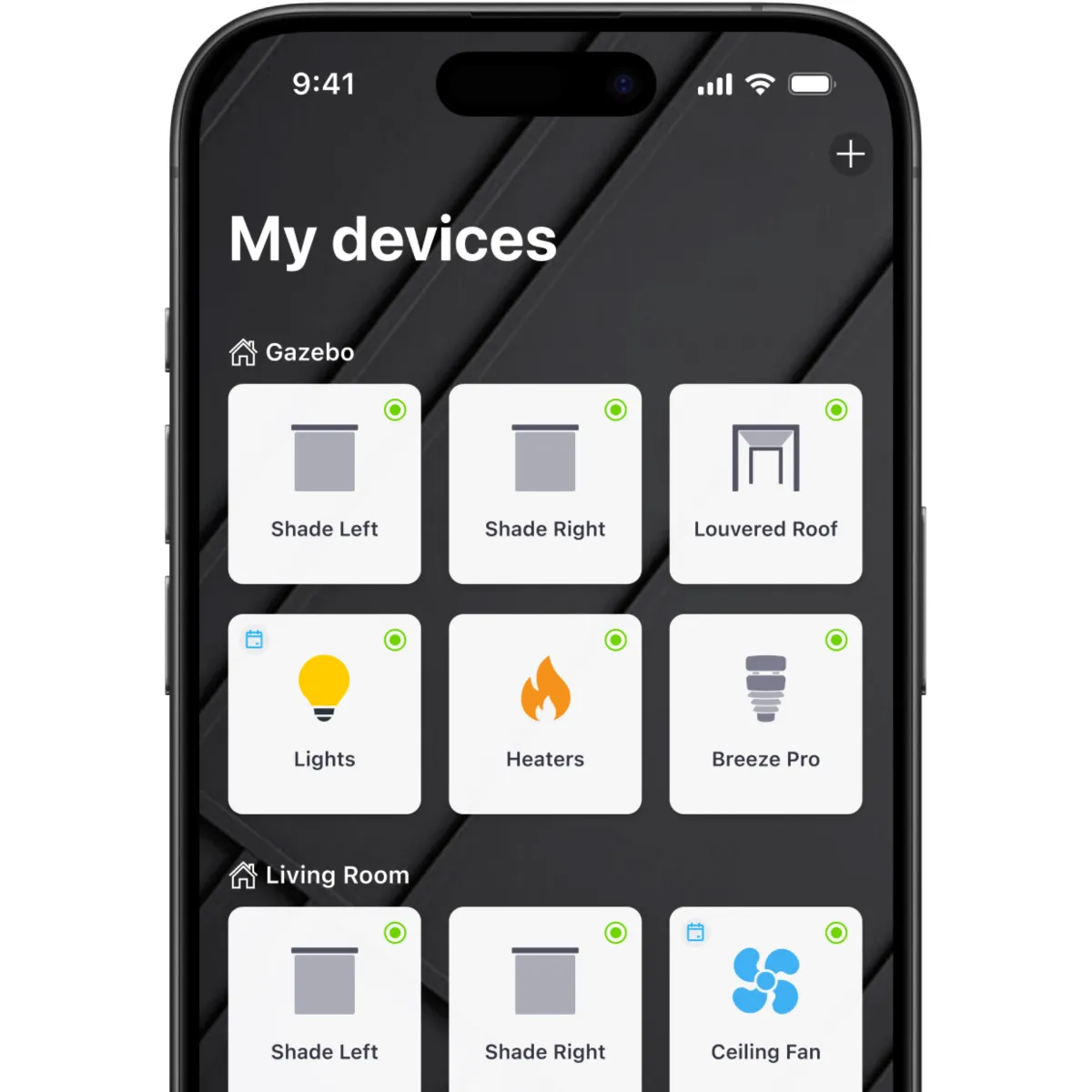
3. Choose Your Control
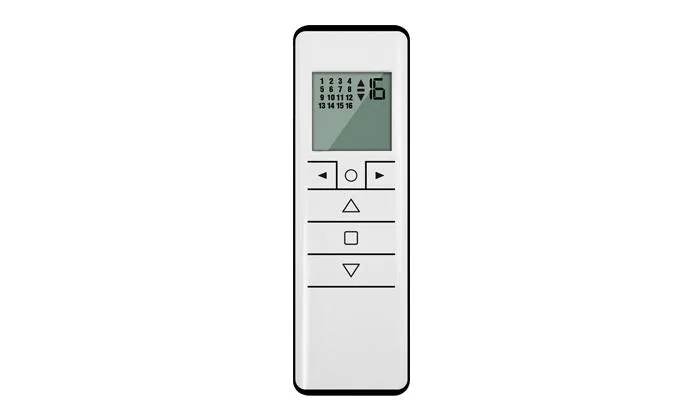
Selecting your preferred control method is effortless with MaxForce Hurricane Screens. Whether you choose handheld remotes, mobile apps, or smart home integration, our systems are designed to fit your lifestyle. No need to settle—just integrate and enjoy continuous, seamless operation 24/7. It's control on your terms, exactly when and where you need it.
IT'S AS EASY AS 1, 2, 3
Customize Your Screen
STEP ONE:
Choose Your Screen Color...
Backed by Twitchell’s OmegaTex fabric, our hurricane screens are engineered with ballistic-grade and enhanced fibers for maximum strength and durability. These fabrics aren’t just tough—they’re also UV-protected for long-lasting performance and crafted with aesthetics in mind. Choose from six elegant colors designed to complement the architecture of your home.
STEP TWO:
Choose Your Frame Color...
Choosing the right screen color is simple with . Our standard color selections are designed to blend seamlessly with your architecture and framework, offering a clean, cohesive look. For unique designs, custom powder coating is available to match any project. All finishes are marine-grade and infused with UV ray inhibitors—built to endure the elements and maintain their beauty for years to come.
STEP THREE:
3. Choose Your Control
Selecting your preferred control method is effortless with MaxForce Hurricane Screens. Whether you choose handheld remotes, mobile apps, or smart home integration, our systems are designed to fit your lifestyle. No need to settle—just integrate and enjoy continuous, seamless operation 24/7. It's control on your terms, exactly when and where you need it.
Your Vision Deserves
A Partner
Who Delivers...
MAXFORCE SEAMLESS
Smart Home Integration
BLEND SEAMLESSLY
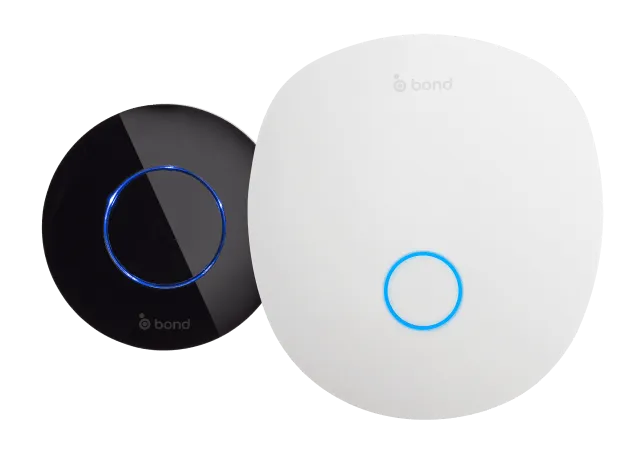
Take Control - Smart Hub.
With the Bond Bridge Pro, managing your MaxForce Hurricane Screens is seamless and smart. This powerful integration allows you to open or close your screens from anywhere using your smartphone, voice assistant, or home automation system. Whether you're at home, at work, or away on vacation, control is always at your fingertips.
COMPATIBLE INTEGRATION




VOICE ACTIVATION ASSISTANTS




SMART MOTOR TECHNOLOGIES


Your Vision Deserves
A Partner
Who Delivers...
MAXFORCE SEAMLESS
Smart Home Integration
BLEND SEAMLESSLY
Take Control - Smart Hub.
With the Bond Bridge Pro, managing your MaxForce Hurricane Screens is seamless and smart. This powerful integration allows you to open or close your screens from anywhere using your smartphone, voice assistant, or home automation system. Whether you're at home, at work, or away on vacation, control is always at your fingertips.
COMPATIBLE INTEGRATION
VOICE ACTIVATION ASSISTANTS
SMART MOTOR TECHNOLOGIES
Integrity Matters
Where It's Made Matters
Integrity Matters
Where It's Made Matters
MAXFORCE PROVEN PROTECT
Engineered For Excellence
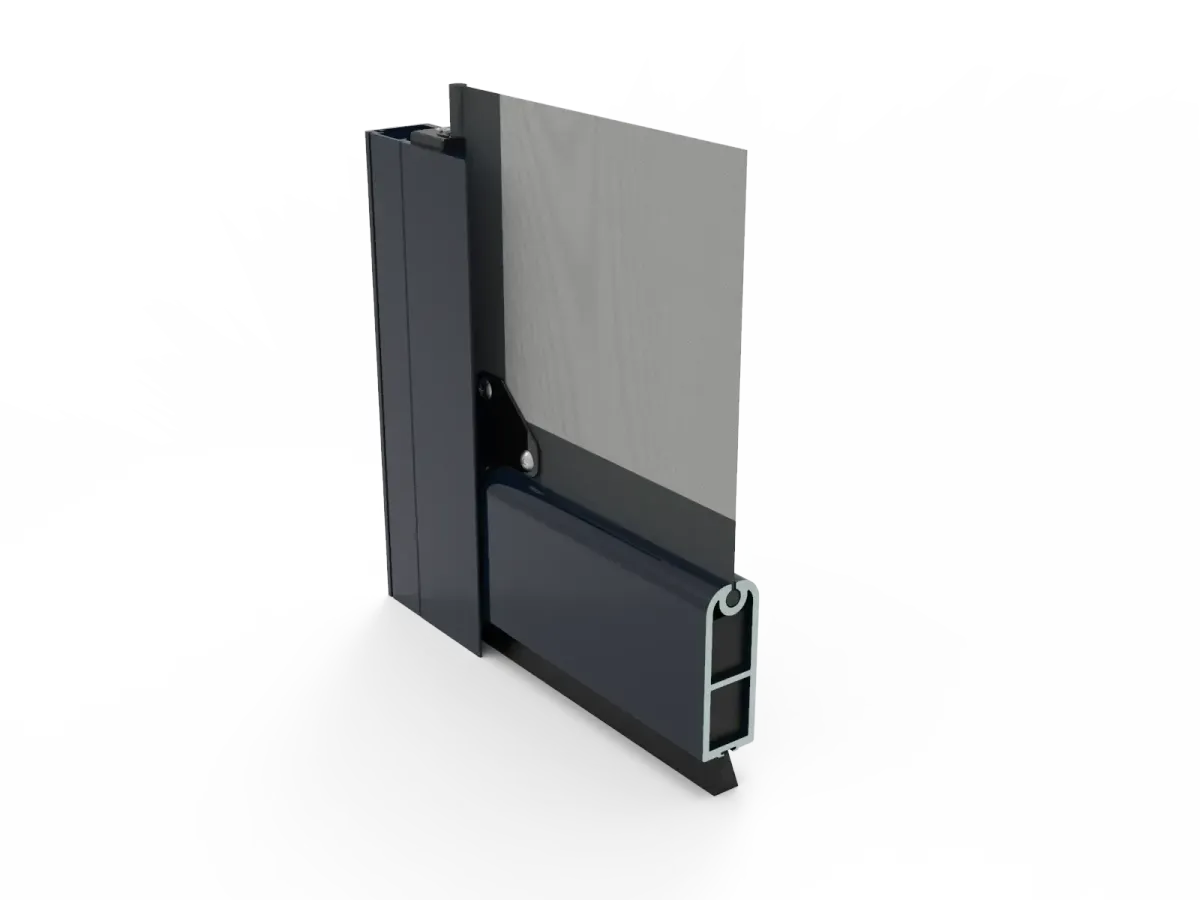
For nearly two decades MaxForce Hurricane Screens has manufactured hurricane screens to meet the most demanding building code, the High Velocity Hurricane Zone of Miami-Dade. The MaxForce track is our newest version of the fixed track we have used with great success for high wind applications all over the globe.
The benefits of a fixed track are unmatched strength - this is important when designing a screen system for hurricanes. When you want the strongest system available, and a proven veteran of many hurricanes, the MaxForce Hurricane Track is your best choice.
MAXFORCE PROVEN PROTECT
Engineered For Excellence
For nearly two decades MaxForce Hurricane Screens has manufactured hurricane screens to meet the most demanding building code, the High Velocity Hurricane Zone of Miami-Dade. The MaxForce track is our newest version of the fixed track we have used with great success for high wind applications all over the globe.
The benefits of a fixed track are unmatched strength - this is important when designing a screen system for hurricanes. When you want the strongest system available, and a proven veteran of many hurricanes, the MaxForce Hurricane Track is your best choice.
No blowouts. No rewraps. No frustration.
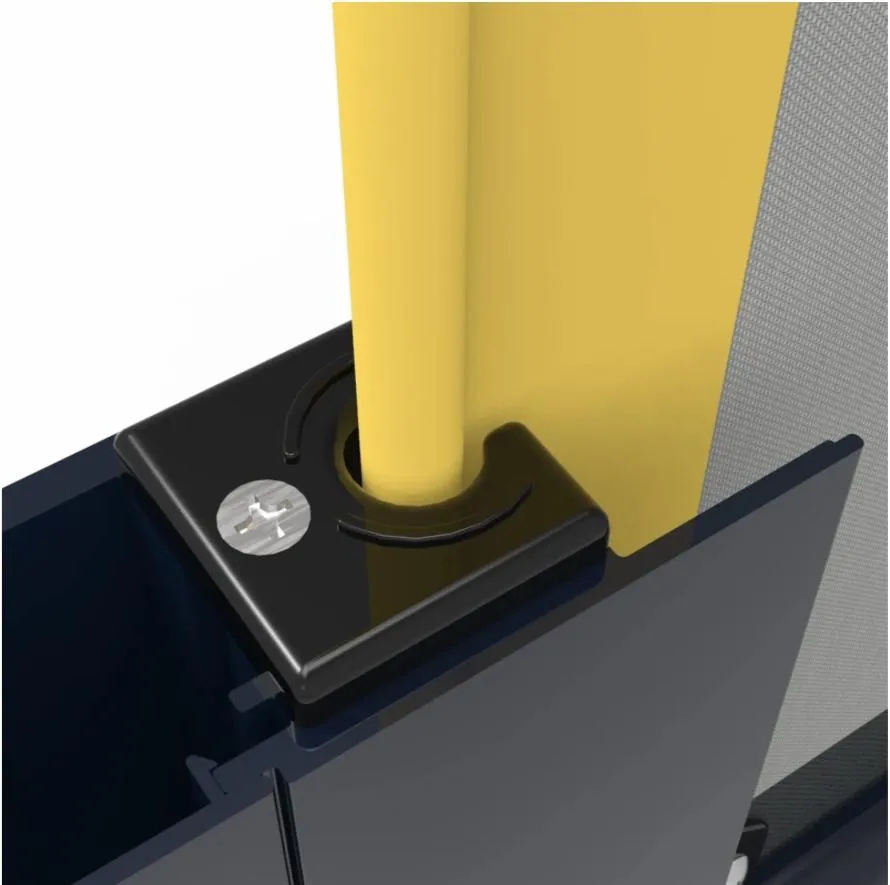
MaxForce is the only retractable screen system on the market designed to stay locked in the track—even in high winds. Smart motor senses resistance and adjusts seamlessly, allowing self-correction when the screen encounters an obstacle: Fewer snags, fewer jams, and fewer costly service calls.
No Zipper. No Cable. Just Simple Deployment
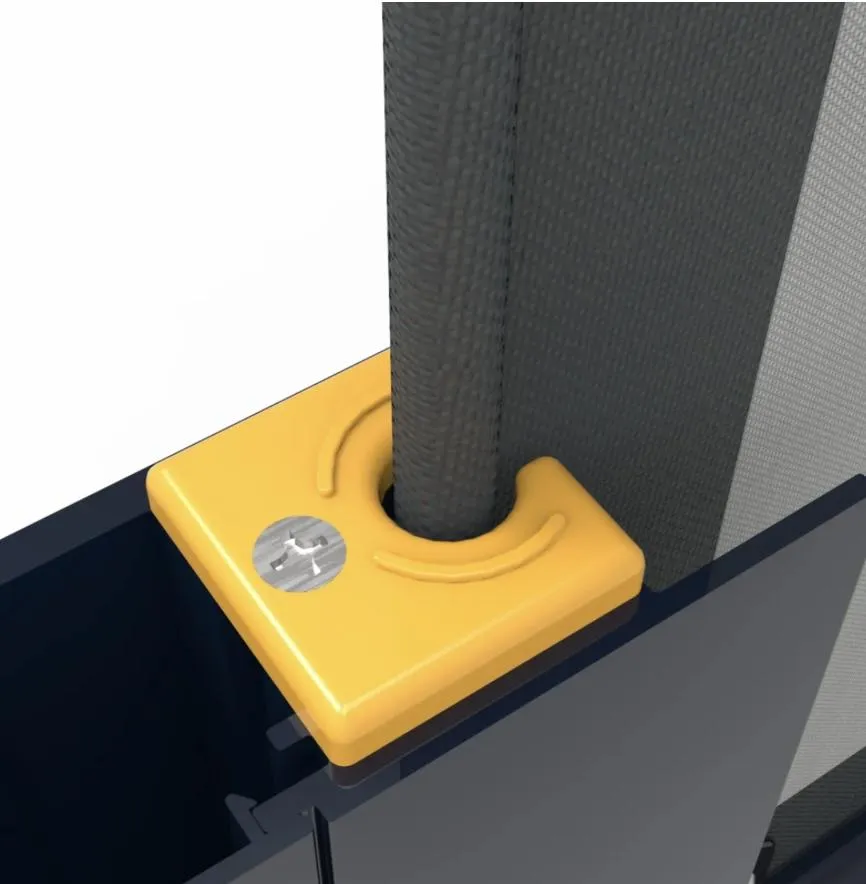
MaxForce Hurricane Screens pioneered Keder-edge technology in motorized screens, delivering unmatched durability and simplicity. Borrowed from sailboat rigging, this system eliminates zippers, cables, and exposed hardware—ensuring smooth, reliable operation every time.
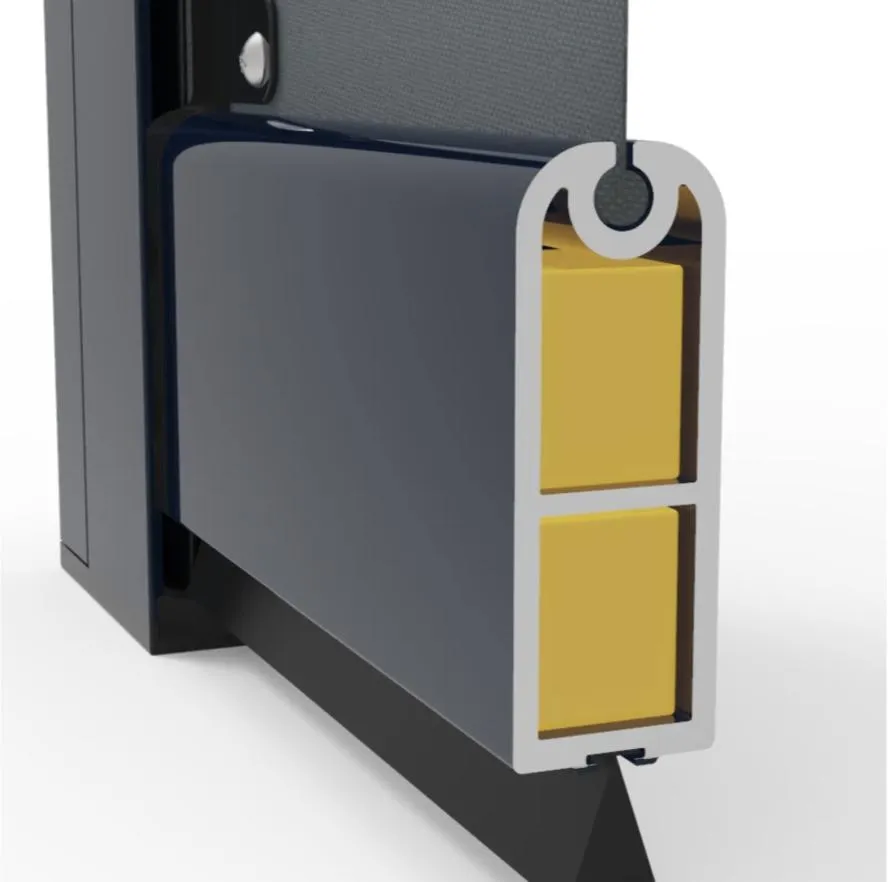
Heavy Duty
The MaxForce weight bar is engineered for strength—and built to hold its ground. Pound for pound, it’s the heaviest and most robust weight bar in the industry. This ensures proper screen tension, flawless deployment, and maximum stability in high wind zones. —limited flex, no failure.
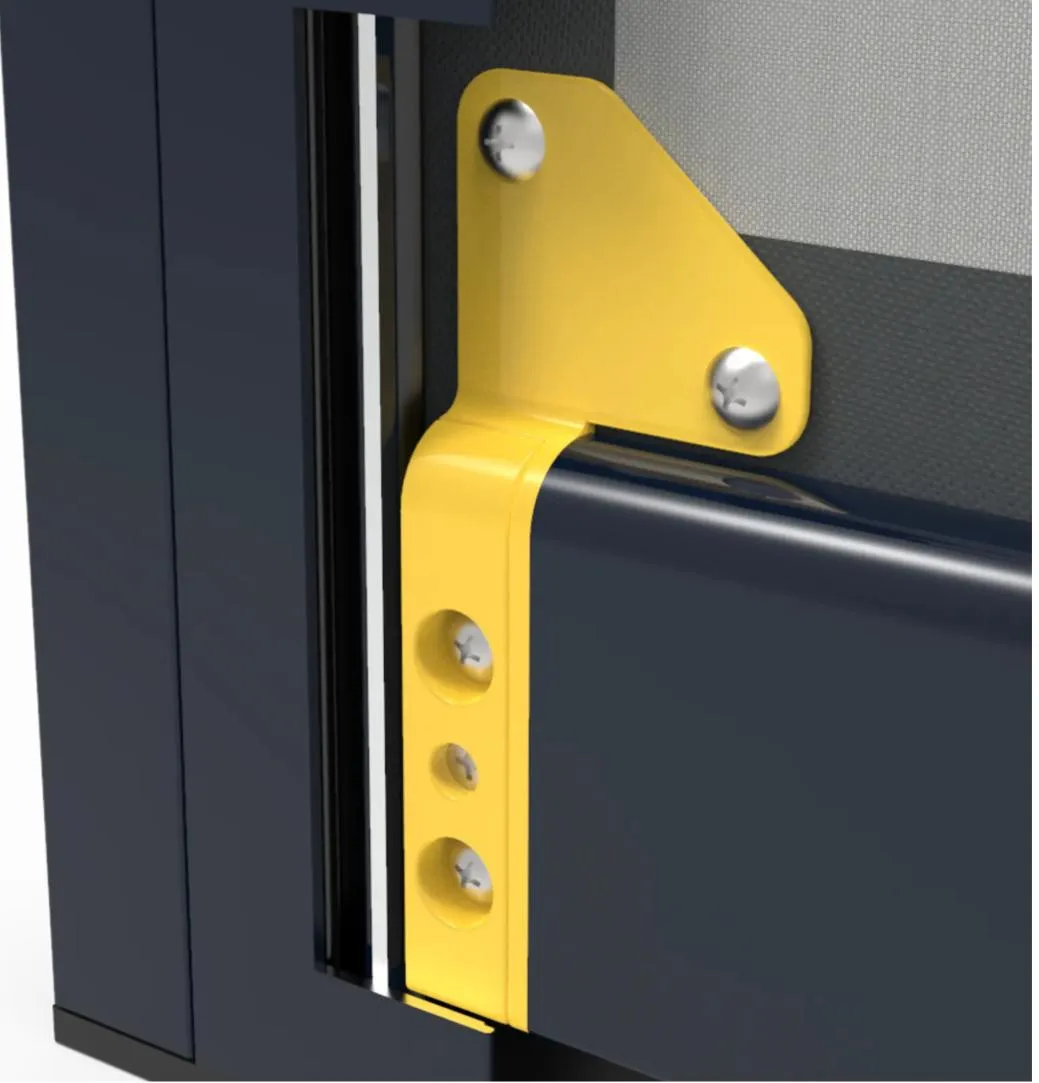
Reinforced Corners
MaxForce’s heavy-duty weight bar isn’t just strong. It’s smart. Reinforced corners and integrated tie-ins create a unified structure that acts like a solid wall of protection when deployed. Made from high-strength nylon, this bar absorbs impacts while maintaining structural integrity.
No blowouts. No rewraps. No frustration.
MaxForce is the only retractable screen system on the market designed to stay locked in the track—even in high winds. Smart motor senses resistance and adjusts seamlessly, allowing self-correction when the screen encounters an obstacle: Fewer snags, fewer jams, and fewer costly service calls.
No Zipper. No Cable. Just Simple Deployment
MaxForce Hurricane Screens pioneered Keder-edge technology in motorized screens, delivering unmatched durability and simplicity. Borrowed from sailboat rigging, this system eliminates zippers, cables, and exposed hardware—ensuring smooth, reliable operation every time.
Heavy Duty
The MaxForce weight bar is engineered for strength—and built to hold its ground. Pound for pound, it’s the heaviest and most robust weight bar in the industry. This ensures proper screen tension, flawless deployment, and maximum stability in high wind zones. —limited flex, no failure.
Reinforced Corners
MaxForce’s heavy-duty weight bar isn’t just strong. It’s smart. Reinforced corners and integrated tie-ins create a unified structure that acts like a solid wall of protection when deployed. Made from high-strength nylon, this bar absorbs impacts while maintaining structural integrity.
Your Vision Deserves
A Partner,
Not Just A Vendor
AMERICAN INGENUITY
Made in the USA.
Proudly Made in the USA—every MaxForce Hurricane Screen is built with American strength, precision, and pride. From the smallest components to the final assembly, our materials are sourced and manufactured right here in the United States. No outsourcing. No compromises. Just hardworking Americans protecting American homes with the toughest screen system on the market.
Your Vision Deserves
A Partner,
Not Just A Vendor
AMERICAN INGENUITY
Made in the USA.
Proudly Made in the USA—every MaxForce Hurricane Screen is built with American strength, precision, and pride. From the smallest components to the final assembly, our materials are sourced and manufactured right here in the United States. No outsourcing. No compromises. Just hardworking Americans protecting American homes with the toughest screen system on the market.
CONSISTENCY.
Quality Made. Professional Installation....
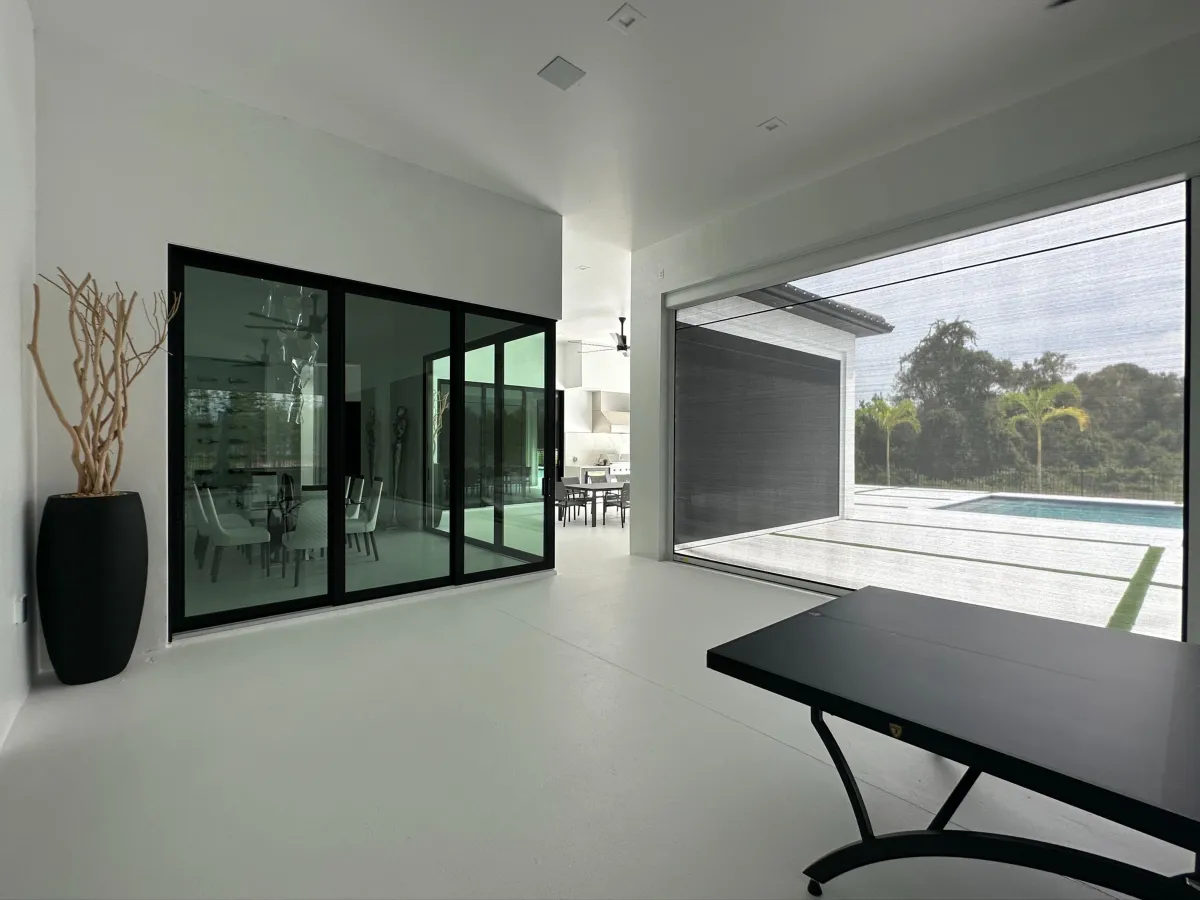
At FL OUTDOOR, quality isn’t a buzzword—it’s a promise. Every MaxForce Hurricane Screens system we install is a product of precision engineering and world-class American manufacturing, built to perform under pressure and look flawless doing it.
We are highly trained professionals who treat your home like their own. From laser-accurate measurements to clean, detail-focused installations, we don’t cut corners—we define them.
CONSISTENCY.
Quality Made. Professional Installation....
At FL OUTDOOR, quality isn’t a buzzword—it’s a promise. Every MaxForce Hurricane Screens system we install is a product of precision engineering and world-class American manufacturing, built to perform under pressure and look flawless doing it.
We are highly trained professionals who treat your home like their own. From laser-accurate measurements to clean, detail-focused installations, we don’t cut corners—we define them.
See What Our Customers Are Saying About Us
See What Our Customers Are Saying About Us
BEYOND
The Here & Now
BEYOND
The Here & Now
BEYOND
The Here & Now
BEYOND
The Here & Now
Motorized Screen Total Cost of Ownership: The 15-Year Math
What a Motorized Screen Actually Costs Over 15 Years: The Total Cost of Ownership Case
Any motorized screen shopper who compares quotes from two different installers ends up looking at a sticker price difference. That sticker price difference is real, and it matters. It is also the smallest of the four numbers that actually determine the installation costs over fifteen years of ownership. The other three numbers — the warranty-differential math across controllers, vinyl, and aluminum; the parts-availability premium at year seven through year twelve; and the replacement component pricing that varies by manufacturer across the full ownership window — compound into a total-cost picture that often looks nothing like the sticker-price picture. A premium motorized screen is a fifteen-year asset, and fifteen-year assets reward shoppers who do the math rather than the shoppers who chase the lowest quote.
The true motorized screen total cost of ownership across a 15-year window combines four numbers: purchase price, warranty coverage differential, replacement component cost, and parts availability risk. Across verified warranty terms from Fenetex Warranty Rev 03.08.2023 and the comparable Progressive Screens warranty, the structural difference is not in purchase price — it is in who pays for component replacement at years three, four, seven, and ten. Here is the framework for running the math on your own project.
Why Total Cost of Ownership Matters More Than Purchase Price
The logic is simpler than most homeowners realize. A motorized screen is not like a piece of furniture — you do not buy it, use it, and replace it as a single unit. You buy it, use it, and replace specific components over the ownership window as each component reaches the end of life at its own pace. The motor outlasts the controller. The aluminum outlasts the motor. The hurricane fabric outlasts the clear vinyl. Each component has its own service life and warranty coverage, which determines whether the replacement cost falls on the homeowner or the manufacturer.
A purchase-price comparison is a single-year snapshot of a 15-year ownership cost. It captures one of the four numbers that matter. The other three — warranty differential, replacement component cost, parts availability risk — accumulate across the ownership window in ways the sticker price does not predict. A shopper who compares Brand A at eight thousand dollars to Brand B at nine thousand dollars and concludes Brand A is cheaper has answered a question, but not the question that matters.
The question that matters: over 15 years of ownership, what does this installation actually cost me in total dollars, including the purchase price, every component replacement I pay for out of pocket, and the risk premium for a discontinued part I cannot source? That is the question this post gives you a framework to answer.
The Four Numbers That Compose Motorized Screen TCO
Number 1: Purchase Price
The sticker price on the initial installation includes product, installation labor, any structural modifications to the host opening, and the dealer's margin. Purchase prices for premium motorized screens in the Florida market currently range from the low thousands per opening for smaller daily-use installations to the mid-five figures for larger multi-opening hurricane-rated projects. Both OneTrack and MagnaTrack price similarly across comparable installations, though exact quotes vary by dealer, region, and project specifics. This is the variable shoppers start with. It is also the one that matters least in a 15-year calculation.
Number 2: Warranty Coverage Differential
This is the one that compounds most meaningfully across the ownership window. Warranty coverage decides whether a specific component replacement in years three, four, seven, or ten is the homeowner's cost or the manufacturer's cost. The warranty differentials between the two leading premium brands, as covered in Post 3 and carried forward in Post 7, look like this across the major coverage categories:
Aluminum components. OneTrack: lifetime non-prorated, tied to the warranty contract language committing the manufacturer to parts availability and backward compatibility. MagnaTrack: lifetime prorated after two years, meaning the homeowner's share of any aluminum replacement cost rises each year after year two.
Electronic controls. OneTrack: five years. MagnaTrack: two years. A controller failure at year three, four, or five falls on the homeowner under MagnaTrack and on the manufacturer under OneTrack.
Clear vinyl fabric. OneTrack: three years. MagnaTrack: one year. Clear vinyl is one of the most common fabric-replacement events in the ownership window, and the two-year coverage gap compounds when vinyl is deployed on lanais with significant afternoon sun exposure.
Hurricane fabric. Both: ten years. This is a genuine parity point — the most expensive fabric category carries identical coverage duration across both brands.
Motor. Both brands offer motors from the same small group of premium manufacturers. Motor warranty typically tracks the electronic controls coverage — five years on OneTrack, two years on MagnaTrack — though specific terms should be verified against the current warranty document on file.
Number 3: Replacement Component Cost
When warranty coverage runs out, the homeowner pays for the replacement. Replacement component pricing varies by manufacturer, region, installer, and specific part. Rather than cite fabricated price points, the honest approach is to note that dealer quotes for common replacement events fall within typical pricing ranges that any qualified installer will walk a prospective owner through on a project-specific basis. Motor replacement is usually the largest single-component event, followed by side track replacement, fabric replacement, weight bar replacement, and controller replacement, in descending order of typical cost. Exact ranges vary by dealer, region, product family, and year — aluminum commodity pricing alone can move replacement aluminum costs by 15 percent or more across a single year. The directional point for TCO purposes is that a warranty-covered replacement carries labor-only or near-zero homeowner cost, while an out-of-warranty replacement carries full component plus labor. That delta is real money across a 15-year window.
Number 4: Parts Availability Risk Premium
This is the least visible number and often the most meaningful at year ten and beyond. If the part you need is still in production from the original manufacturer, the replacement is a straightforward dealer transaction at current prices. If the part has been discontinued — as is the case for Generation 1 and Generation 2 MagnaTrack units, per the Progressive Screens 2023 Gen 4 CAD production record — the replacement becomes either a full system upgrade to current specification or a non-OEM substitution that may or may not be compatible with the rest of the installation. Both alternatives carry a cost premium over a straightforward OEM replacement, and that premium can be substantial.
For OneTrack systems, the Fenetex Warranty Rev 03.08.2023 ties lifetime aluminum coverage to parts-availability commitments written directly into the contract. The specific phrase — "Lifetime means as long as the system or compatible systems are in production and parts are available" — binds the manufacturer to maintain parts availability across future product iterations. This language structurally limits the parts availability risk premium on OneTrack installations.
For MagnaTrack installations, parts availability depends on which product generation was installed and on the current production status of that generation's components. Generation 4 is currently the production specification. Homeowners with MagnaTrack installations from earlier generations should confirm the specific parts-availability picture for their unit with a qualified dealer before making ownership-horizon assumptions.
Walking the 15-Year Timeline Under Both Warranty Structures
Rather than fabricate specific dollar figures, the clearest way to see how the TCO math compounds is to walk a representative timeline of service events across a typical ownership window and note which side of the warranty line each event falls on.
Year 3 — Electronic Controller Failure. Typical cause: power-line surge or normal electrical wear. Under OneTrack (5-year electronics), a warranty event — manufacturer cost plus installer labor. Under MagnaTrack (2-year electronics), the electronics warranty expired last year — full out-of-pocket replacement plus labor.
Year 4 — Clear Vinyl UV Breakdown. Typical cause: afternoon sun exposure. Under OneTrack (3-year vinyl coverage), the vinyl warranty has just expired — out of pocket. Under MagnaTrack (1-year vinyl coverage), the vinyl warranty expired in year 2 — out-of-pocket has been the case for two years.
Year 7 — Weight Bar Damage from Debris. Typical cause: storm debris or falling palm fronds. Under OneTrack, the aluminum weight bar falls under lifetime non-prorated coverage — warranty event, manufacturer covers the part, installer charges for labor and access. Under MagnaTrack, the aluminum weight bar falls under lifetime-prorated coverage — the homeowner's prorated share after five years of the prorate clock running is a material cost, plus labor and access. On older MagnaTrack installations from pre-current-generation units, the specific weight bar part may no longer be in production, requiring a compatibility upgrade or a non-OEM substitution.
Year 10 — Motor End-of-Life. Typical cause: motor duty-cycle exhaustion after a decade of daily operation. The motor warranty for both brands has expired. Full out-of-pocket replacement on both sides — motor, installer labor, and any housing work required. For MagnaTrack installations from earlier generations, the mounting geometry may have changed, adding housing adaptation costs.
Year 12 — Side Track Cover Replacement. Typical cause: UV breakdown on the snap-on cover. Under OneTrack, aluminum-adjacent components covered by the backward-compatibility commitment remain available from current production. Under MagnaTrack, the current production specification is what is available — older-generation cover profiles may not match, requiring broader component updates.
Year 15 — Full System Status Check. Under OneTrack, the system is still on its original production platform, parts remain available, and warranty coverage on aluminum remains enforceable. Under MagnaTrack, the system is now three or four generations behind the current production specification. Whether the installation continues or needs replacement depends on the part-by-part availability picture for the specific generation installed.
The Compounding Effect Across a 15-Year Window
No single year in that timeline represents a dramatic TCO difference between the two brands. Year 3 is a few hundred dollars. Year 4 is a fabric panel. Year 7 is a weight bar and some labor. Year 10 is a motor replacement that both brands fund out-of-warranty. But stack those events across a fifteen-year window, and a structural pattern emerges.
On OneTrack, the events in years 3, 4, and 7 have a meaningful share of their cost covered by the manufacturer's warranty. Year 10's motor replacement is the largest single out-of-pocket event. Years 12 and 15 benefit from backward-compatibility parts availability, keeping the events straightforward dealer transactions rather than system upgrades.
On MagnaTrack, the homeowner funds a larger share of the events at years 3, 4, and 7 out of pocket because the warranty coverage is shorter or prorated across more of the ownership window. Year 10's motor replacement is comparable to OneTrack. Years 12 and 15 introduce the parts availability variable — a year-12 service event on a Generation 2 or Generation 3 MagnaTrack installation is a different conversation than the same event on a current-generation installation.
The cumulative out-of-pocket cost across the 15-year window differs meaningfully between the two product families, favoring OneTrack on the warranty-differential math and parts-availability risk. The exact dollar difference varies by installation, region, installer labor rates, and how many of the events above actually affect a specific installation. A dealer who has serviced both brands for years can walk a homeowner through the expected range on a project-specific basis.
When MagnaTrack TCO Favors the Homeowner
To keep the peer-respect posture honest, here is the other side of the equation. There are scenarios in which a MagnaTrack installation can deliver a comparable or lower TCO than a OneTrack installation.
The first is shorter ownership horizons. A homeowner who plans to sell within five years carries almost none of the parts-availability or late-ownership warranty risk that drives the OneTrack TCO advantage. If the horizon is short, the warranty differential has limited time to compound, and the decision should be made on purchase price, application fit, and aesthetic preference rather than long-term TCO math. This scenario also applies to new Generation 4 MagnaTrack installations within the current-generation support window — if the ownership horizon stays inside that window, the parts-availability differential narrows or disappears.
The second is MagnaTrack Defender hurricane-only installations. Hurricane-rated product coverage on hurricane fabric is identical across both brands at ten years. If the primary use case is hurricane protection and the daily-use variables are minor, the warranty differential narrows significantly.
A dealer who understands both product families can help a homeowner see which of these scenarios applies to their specific project. The decision is not brand-level. It is project-level.
The Decision Framework — Not a Pitch
This series has now run through eight posts covering engineering, warranty language, design philosophy, scientific research on magnets and insects, material efficiency, service-call economics, and total cost of ownership. The closing thought from a Florida dealer who installs and services both product families is that both are legitimate engineered answers to the motorized screen category problem. Neither is it the obviously correct choice for every homeowner. The right choice depends on the ownership horizon, insect-pressure sensitivity, aesthetic preferences, retrofit constraints, and the homeowner's tolerance for discontinued parts at year ten.
What the honest comparison framework produces is not a winner. It is a match between a homeowner's specific situation and the engineering and warranty characteristics of one product family or the other.
Read both warranty documents in full before signing. Ask your installer about parts availability on installations comparable to your own that are ten years old. Walk the four-number TCO framework on your specific project with a dealer who has seen both brands run through a full ownership window. Make the decision on your own terms, informed by the engineering reality rather than the marketing narrative.
That is the closing thought on this series. Both OneTrack and MagnaTrack do real engineering work. Both have made legitimate choices. The homeowner's job is not to find the better product — it is to find the right product for the specific project, on terms the homeowner fully understands going in. The eight posts in this series are the research we would want to put in front of any prospective client before they sign a contract, with us or with anyone.
About the Author
Kip Hudakoz is the owner of Florida Living Outdoor LLC, a BBB A+ accredited, veteran-owned Florida outdoor services company specializing in motorized screens, retractable awnings, and pergola systems. Kip has spent twenty-six years in the Florida outdoor services industry, operating companies in Central Florida and South Florida. He is also the owner of Paramount Fencing and Custom Fence Orlando, and was a former co-host of "Ask the Experts" on News 96.5 Florida Home and Garden. Florida Living Outdoor was founded in December 2021 and earned its BBB A+ accreditation in October 2024. The company installs and services both MagnaTrack and OneTrack motorized screen systems across Central and South Florida.
Frequently Asked Questions
What is the total cost of ownership for a motorized screen?
Total cost of ownership for a motorized screen combines four numbers across a typical 15-year horizon: purchase price, warranty coverage differential on components that need replacement during the window, out-of-pocket cost of replacement components not covered by warranty, and the parts-availability risk premium if specific components are discontinued. The purchase price is usually the smallest of the four numbers over the full ownership window.
How much does it cost to maintain a motorized screen over 15 years?
The answer depends on the specific installation, the manufacturer's warranty coverage, the regional labor rates, and which service events actually occur. Controller replacements, fabric replacements, motor replacements, and weight bar or aluminum service are the most common paid events across a 15-year window. A qualified dealer can walk a homeowner through expected ranges on a project-specific basis, but fabricated specific dollar figures in general articles should be taken as directional only.
Is OneTrack cheaper than MagnaTrack over 15 years?
On the warranty-differential math and the parts-availability risk, OneTrack tends to carry a lower out-of-pocket cost across a 15-year window because Fenetex's warranty includes longer electronics and clear vinyl coverage, and because the warranty contract language binds the manufacturer to backward-compatibility and parts-availability commitments. On purchase price, the two product families quote in similar bands. The actual TCO difference for a specific installation requires a dealer quote on that installation; generic comparisons are directional only.
What components need replacement on a motorized screen?
Across a typical 15-year ownership window, the most common replacement events are electronic controllers, clear vinyl fabric, motors, weight bars, side track covers, and occasionally larger aluminum or housing components after storm damage. Each component has its own service life and warranty coverage, which determines whether the replacement is a warranty event or an out-of-pocket event.
How often do motorized screens need repairs
Premium motorized screens with free-floating articulating tracks, obstacle-detection motors, and self-refeeding alignment eliminate approximately 99% of the service calls that were routine on older rigid-track and zipper systems. The rare service events that remain fall into four categories: aged motor end-of-life, physical damage from outside events, clear vinyl UV breakdown, and electronic controller failure. Post 7 of this series covers the service-call economics in detail.
What is the lifetime cost of owning a motorized screen?
The lifetime cost of a premium motorized screen engineered for a 15-plus-year ownership horizon is the sum of the purchase price and out-of-pocket component replacement costs over the ownership window. The purchase price is the most visible number, but in most installations, the cumulative replacement cost over 15 years is comparable in magnitude to the original purchase price, depending on the warranty structure and parts availability risk. The framework in this post walks through the variables; a dealer quote produces the specific numbers.
Are motorized screens worth the investment?
For Florida homeowners planning to live in their homes for a decade or more, premium motorized screens are among the better-engineered outdoor-living investments available. They add usable outdoor space, reduce insect and UV exposure, protect against hurricane damage on hurricane-rated lines, and retain meaningful value in a home sale. The investment calculation improves when the total cost of ownership framework is used rather than the purchase price alone, and when the product family chosen matches the specific ownership horizon.
Ready to Walk Through the 15-Year Math on Your Own Project?
To run the four-number TCO framework for a specific project — with warranty documents in hand, dealer estimate ranges for components most likely to need replacement, and field-service records from both brands — contact Florida Living Outdoor for a free in-home consultation in Central or South Florida. We install and service both MagnaTrack and OneTrack, and we will walk the math on your specific installation on your own terms, without pressure.
Sources and Further Reading
Fenetex / OneTrack — manufacturer of OneTrack motorized screens. https://onetrackscreens.com
Fenetex Warranty Rev 03.08.2023 — source document for lifetime aluminum coverage tied to parts-availability and backward-compatibility commitments; 5-year electronic controls coverage; 3-year clear vinyl coverage; 10-year hurricane fabric coverage.
Progressive Screens (a Hunter Douglas Company) — manufacturer of MagnaTrack. https://progressivescreens.com
Progressive Screens MagnaTrack Warranty — source document for lifetime aluminum prorated after 2 years; 2-year electronic controls coverage; 1-year clear vinyl coverage; 10-year hurricane fabric coverage. Every buyer should request and read the current warranty document in full.
Progressive Screens 2023 Generation 4 CAD (dated 08.16.23) — current production engineering specification for MagnaTrack and reference for generational parts-availability record.
US Patent 9,719,292 — MagnaTrack magnetic track system. https://patents.google.com/patent/US9719292
US Patent 11,421,474 — MagnaTrack continuation patent. https://patents.google.com/patent/US11421474
Florida Product Approval F30798 — MagnaTrack Defender hurricane screen. https://www.floridabuilding.org
Florida Product Approval FL8637 — Fenetex MaxForce hurricane screen. https://www.floridabuilding.org
London Metal Exchange aluminum cash price — daily spot-price reference for aluminum billet commodity pricing, relevant to replacement-component cost projections. https://www.lme.com
Florida Living Outdoor LLC — installer and service provider for both MagnaTrack and OneTrack systems in Central and South Florida, direct field experience referenced for dealer-estimate pricing ranges in this post. https://floridalivingoutdoor.com

COMPANY
MOTORIZED SCREENS
SHADE SOLUTIONS
FENCING & LIGHTING
DESIGN IDEAS
SUPPORT



Copyright 2026. FL OUTDOOR. All Rights Reserved.
Powered and Built By