
The Worlds Toughest Hurricane Screen
Tried | True | Tested.
PROTECTION THAT PERFORM
No Blowouts. No Rewraps. No Compromise....
MaxForce Hurricane Screens are the result of years of real-world testing, research, and engineering refinement. Built to withstand the harshest conditions without sacrificing aesthetics, they offer maximum protection for your patio or lanai with hurricane-rated performance.
Tested, Trusted, Proven, and Never compromised—these screens are built for the long haul:

PROTECTION THAT PERFORM
No Blowouts. No Rewraps. No Compromise....
MaxForce Hurricane Screens are the result of years of real-world testing, research, and engineering refinement. Built to withstand the harshest conditions without sacrificing aesthetics, they offer maximum protection for your patio or lanai with hurricane-rated performance.
Tested, Trusted, Proven, and Never compromised—these screens are built for the long haul:
Your Vision Deserves
A Partner
Who Listens...
Your Vision Deserves
A Partner
Who Listens...
MAXFORCE & FL OUTDOOR
READY FOR LIFE'S STORMS
MAXFORCE & FL OUTDOOR
READY FOR LIFE'S STORMS
MAXFORCE HURRICANE SCREEN SYSTEM
A Certified, Tested System...
The MaxForce Hurricane Screen System meet or exceeds Miami-Dade and Florida Building Code requirements—the toughest hurricane codes on earth—for roll-down hurricane screens. Rated for the 185 MPH wind zone, and with real-world and certified testing. With spans of up to 24 feet, they exceed performance criteria for all local and International Building Codes.
MAXFORCE HURRICANE SCREEN SYSTEM
A Certified, Tested System...
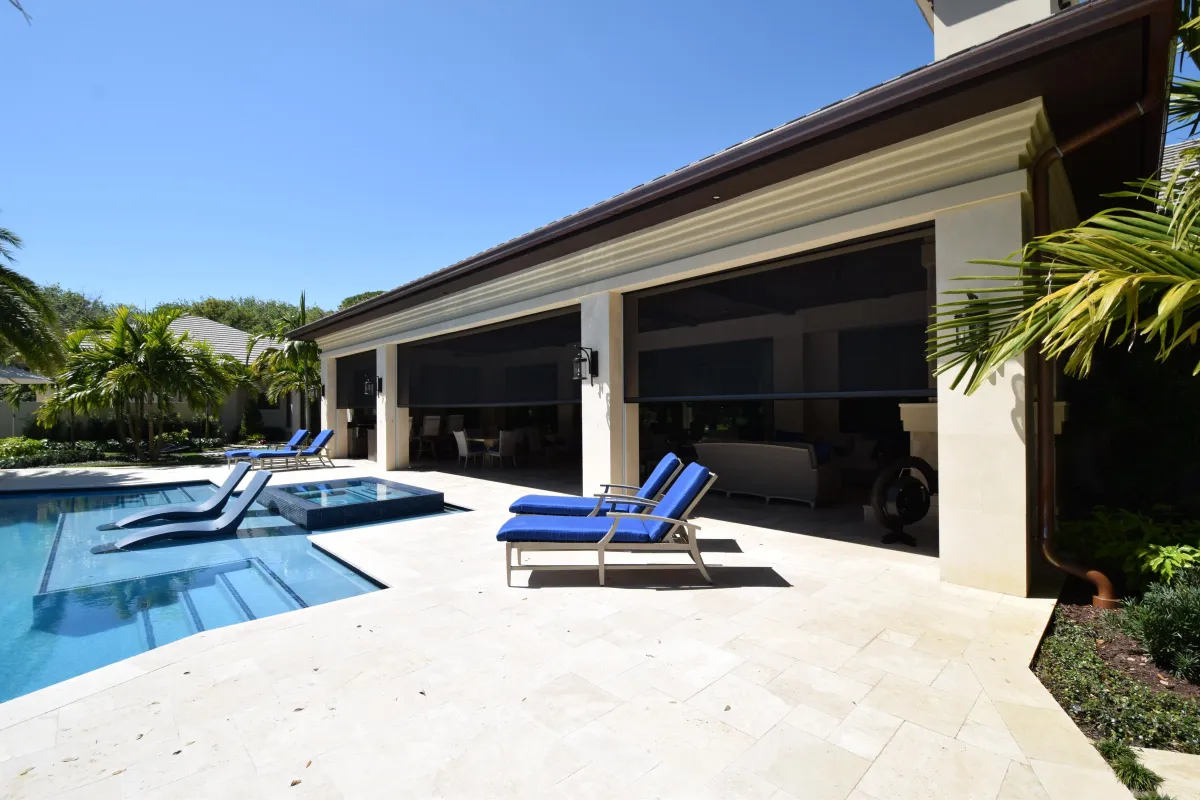
The MaxForce Hurricane Screen System meet or exceeds Miami-Dade and Florida Building Code requirements—the toughest hurricane codes on earth—for roll-down hurricane screens. Rated for the 185 MPH wind zone, and with real-world and certified testing. With spans of up to 24 feet, they exceed performance criteria for all local and International Building Codes.
MAXFORCE IS THERE
When You Need It The Most

Secure Track
MaxForce Fix Hurricane Track holds firm under extreme loads

Max Corrosion Protection
Powder Coated Aluminum Protects your investment from exposure and corrosion.

Heavy-Duty Design
Our screens are designed to withstand the extreme. High wind, Rain, or Shine, Dust Dirt, Dander, it does not matter. MaxForce covers it all
MAXFORCE IS THERE
When You Need It The Most

Secure Track
MaxForce Fix Hurricane Track holds firm under extreme loads
Max Corrosion Protection
Powder Coated Aluminum Protects your investment from exposure and corrosion.
Heavy-Duty Design
Our screens are designed to withstand the extreme. High wind, Rain, or Shine, Dust Dirt, Dander, it does not matter. MaxForce covers it all
Your Vision Deserves
A Partner
Who Cares...
Your Vision Deserves
A Partner
Who Cares...
THE MAXFORCE HURRICANE SCREEN DIFFERENCE
MaxForce Hurricane Screen
MaxForce Hurricane Screens, powered by our patented MaxForce system, meet the toughest standards—including HVHZ certification in Miami-Dade and Broward. They last longer, resist more, and do more than any screen on the market—proven protection without compromise.
.
MaxForce Hurricane Screens —Delivers 365 days of perfect protection, rain or shine, on your patio and lanai. With the push of a button or a tap on the mobile app, your patio is storm-ready— furniture and openings fully protected in seconds.
.
MaxForce Hurricane Screens fabric blocks up to 95% of the sun’s damaging UV-rays while shielding against wind, rain, insects, dust, and debris. It also helps reduce heat and lower energy costs by limiting solar exposure—comfort and protection in one smart solution.
.
Like all Fenetex products, our MaxForce Hurricane Screens are highly customizable and built to order—made to fit your exact openings. No guesswork, no compromises—just precision-fit protection tailored to your space.
.
Pair our retractable MaxForce Hurricane Screens with other Fenetex screens for customized and independent solutions. Each screen operates independently, giving you the protection you want when you need it.
MaxForce Hurricane Screens offer built-in privacy without blocking your view. Like a two-way mirror, you can see out—but neighbors and passersby cannot see in. It provides the perfect blend of openness and seclusion, day or night.
THE MAXFORCE HURRICANE SCREEN DIFFERENCE
MaxForce Hurricane Screen
MaxForce Hurricane Screens, powered by our patented MaxForce system, meet the toughest standards—including HVHZ certification in Miami-Dade and Broward. They last longer, resist more, and do more than any screen on the market—proven protection without compromise.
.
MaxForce Hurricane Screens —Delivers 365 days of perfect protection, rain or shine, on your patio and lanai. With the push of a button or a tap on the mobile app, your patio is storm-ready— furniture and openings fully protected in seconds.
.
MaxForce Hurricane Screens fabric blocks up to 95% of the sun’s damaging UV-rays while shielding against wind, rain, insects, dust, and debris. It also helps reduce heat and lower energy costs by limiting solar exposure—comfort and protection in one smart solution.
.
Like all Fenetex products, our MaxForce Hurricane Screens are highly customizable and built to order—made to fit your exact openings. No guesswork, no compromises—just precision-fit protection tailored to your space.
.
Pair our retractable MaxForce Hurricane Screens with other Fenetex screens for customized and independent solutions. Each screen operates independently, giving you the protection you want when you need it.
MaxForce Hurricane Screens offer built-in privacy without blocking your view. Like a two-way mirror, you can see out—but neighbors and passersby cannot see in. It provides the perfect blend of openness and seclusion, day or night.

ADJUSTABLE ABILITY: MANUAL
Fixed Track
LOCKS TIGHT
Ultimate Strength

RATED FOR
185mph Wind Zone
APPLICATION
Residential & Commercial
ADJUSTABLE ABILITY: MANUAL
Fixed Track
LOCKS TIGHT
Ultimate Strength
RATED FOR
185mph Wind Zone
APPLICATION
Residential & Commercial
IT'S AS EASY AS 1, 2, 3
Customize Your Screen
STEP ONE:
Choose Your Screen Color...
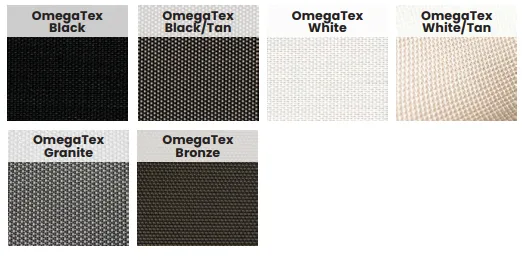
Backed by Twitchell’s OmegaTex fabric, our hurricane screens are engineered with ballistic-grade and enhanced fibers for maximum strength and durability. These fabrics aren’t just tough—they’re also UV-protected for long-lasting performance and crafted with aesthetics in mind. Choose from six elegant colors designed to complement the architecture of your home.
STEP TWO:
Choose Your Frame Color...
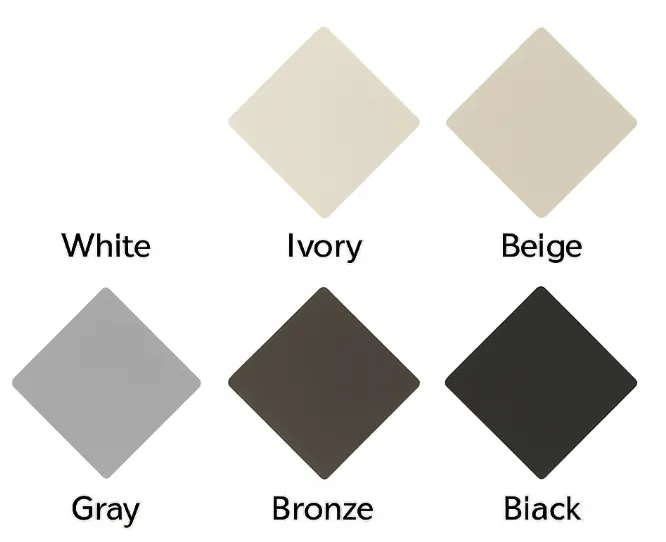
Choosing the right screen color is simple with . Our standard color selections are designed to blend seamlessly with your architecture and framework, offering a clean, cohesive look. For unique designs, custom powder coating is available to match any project. All finishes are marine-grade and infused with UV ray inhibitors—built to endure the elements and maintain their beauty for years to come.
STEP THREE:
3. Choose Your Control
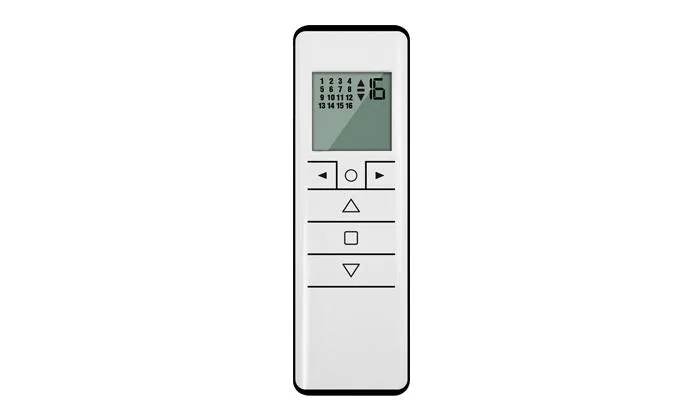
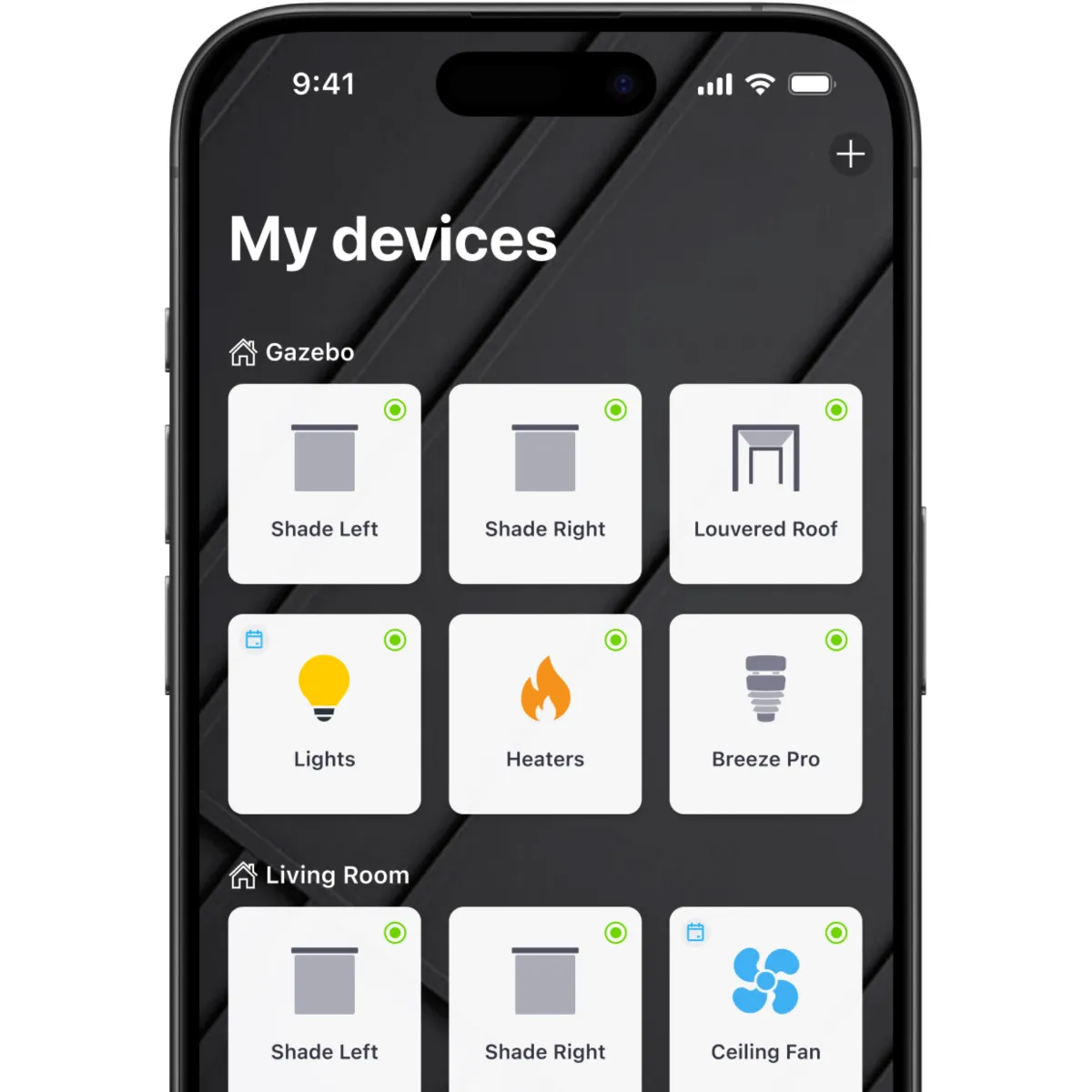
Selecting your preferred control method is effortless with MaxForce Hurricane Screens. Whether you choose handheld remotes, mobile apps, or smart home integration, our systems are designed to fit your lifestyle. No need to settle—just integrate and enjoy continuous, seamless operation 24/7. It's control on your terms, exactly when and where you need it.
IT'S AS EASY AS 1, 2, 3
Customize Your Screen
STEP ONE:
Choose Your Screen Color...
Backed by Twitchell’s OmegaTex fabric, our hurricane screens are engineered with ballistic-grade and enhanced fibers for maximum strength and durability. These fabrics aren’t just tough—they’re also UV-protected for long-lasting performance and crafted with aesthetics in mind. Choose from six elegant colors designed to complement the architecture of your home.
STEP TWO:
Choose Your Frame Color...
Choosing the right screen color is simple with . Our standard color selections are designed to blend seamlessly with your architecture and framework, offering a clean, cohesive look. For unique designs, custom powder coating is available to match any project. All finishes are marine-grade and infused with UV ray inhibitors—built to endure the elements and maintain their beauty for years to come.
STEP THREE:
3. Choose Your Control
Selecting your preferred control method is effortless with MaxForce Hurricane Screens. Whether you choose handheld remotes, mobile apps, or smart home integration, our systems are designed to fit your lifestyle. No need to settle—just integrate and enjoy continuous, seamless operation 24/7. It's control on your terms, exactly when and where you need it.
Your Vision Deserves
A Partner
Who Delivers...
MAXFORCE SEAMLESS
Smart Home Integration
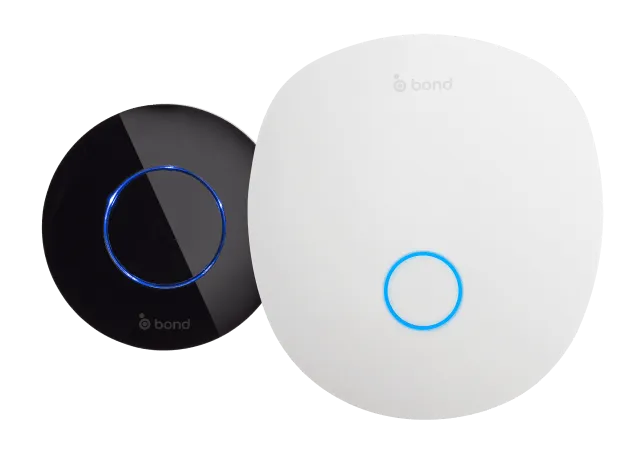
BLEND SEAMLESSLY
Take Control - Smart Hub.
With the Bond Bridge Pro, managing your MaxForce Hurricane Screens is seamless and smart. This powerful integration allows you to open or close your screens from anywhere using your smartphone, voice assistant, or home automation system. Whether you're at home, at work, or away on vacation, control is always at your fingertips.
COMPATIBLE INTEGRATION





VOICE ACTIVATION ASSISTANTS




SMART MOTOR TECHNOLOGIES



Your Vision Deserves
A Partner
Who Delivers...
MAXFORCE SEAMLESS
Smart Home Integration
BLEND SEAMLESSLY
Take Control - Smart Hub.
With the Bond Bridge Pro, managing your MaxForce Hurricane Screens is seamless and smart. This powerful integration allows you to open or close your screens from anywhere using your smartphone, voice assistant, or home automation system. Whether you're at home, at work, or away on vacation, control is always at your fingertips.
COMPATIBLE INTEGRATION
VOICE ACTIVATION ASSISTANTS
SMART MOTOR TECHNOLOGIES
Integrity Matters
Where It's Made Matters
Integrity Matters
Where It's Made Matters
MAXFORCE PROVEN PROTECT
Engineered For Excellence
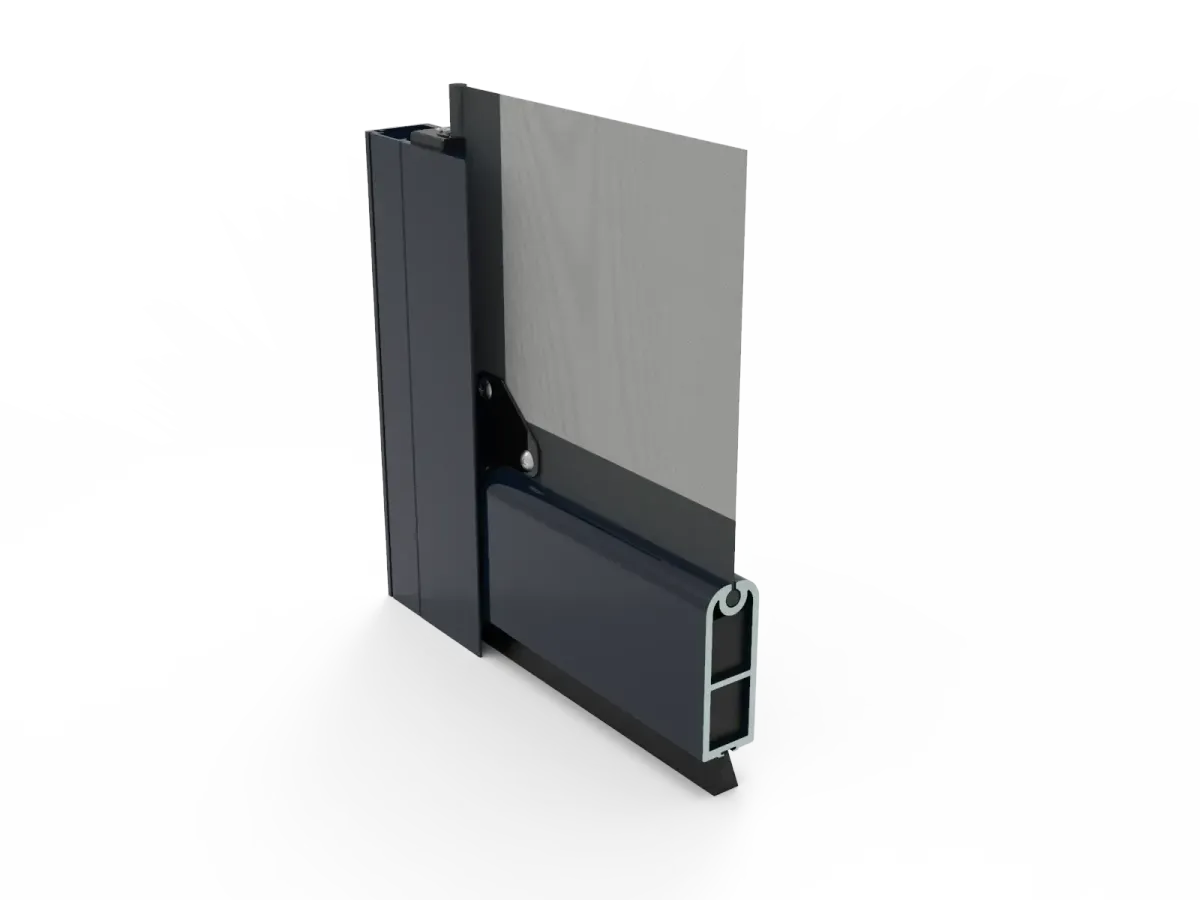
For nearly two decades MaxForce Hurricane Screens has manufactured hurricane screens to meet the most demanding building code, the High Velocity Hurricane Zone of Miami-Dade. The MaxForce track is our newest version of the fixed track we have used with great success for high wind applications all over the globe.
The benefits of a fixed track are unmatched strength - this is important when designing a screen system for hurricanes. When you want the strongest system available, and a proven veteran of many hurricanes, the MaxForce Hurricane Track is your best choice.
MAXFORCE PROVEN PROTECT
Engineered For Excellence
For nearly two decades MaxForce Hurricane Screens has manufactured hurricane screens to meet the most demanding building code, the High Velocity Hurricane Zone of Miami-Dade. The MaxForce track is our newest version of the fixed track we have used with great success for high wind applications all over the globe.
The benefits of a fixed track are unmatched strength - this is important when designing a screen system for hurricanes. When you want the strongest system available, and a proven veteran of many hurricanes, the MaxForce Hurricane Track is your best choice.
No blowouts. No rewraps. No frustration.
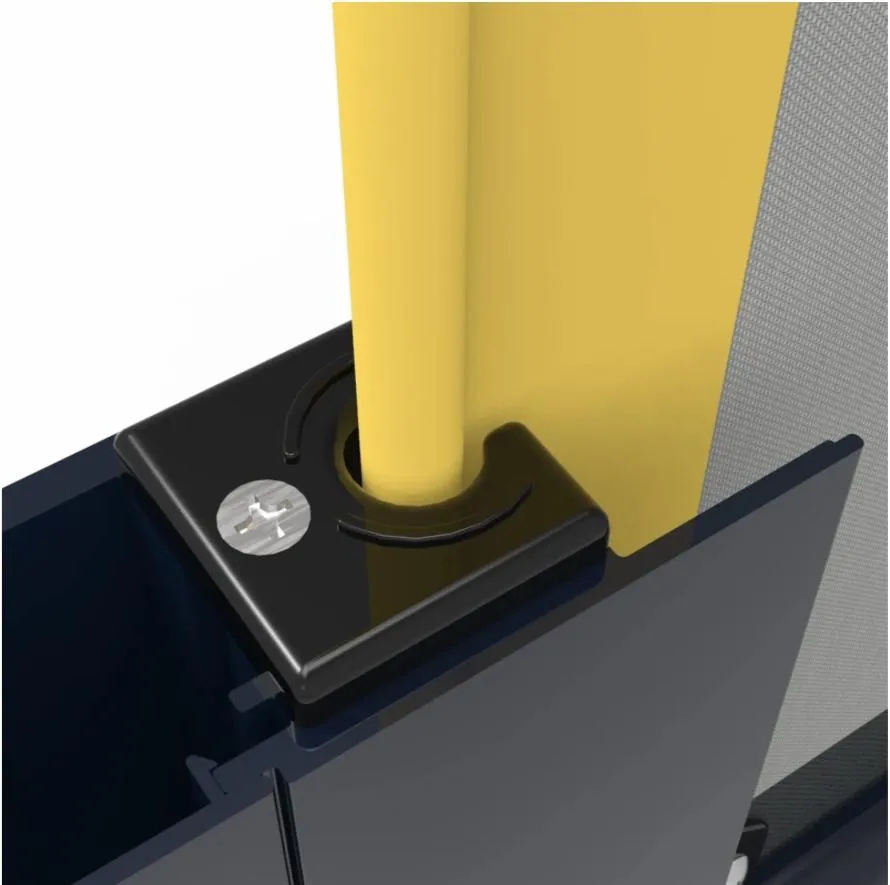
MaxForce is the only retractable screen system on the market designed to stay locked in the track—even in high winds. Smart motor senses resistance and adjusts seamlessly, allowing self-correction when the screen encounters an obstacle: Fewer snags, fewer jams, and fewer costly service calls.
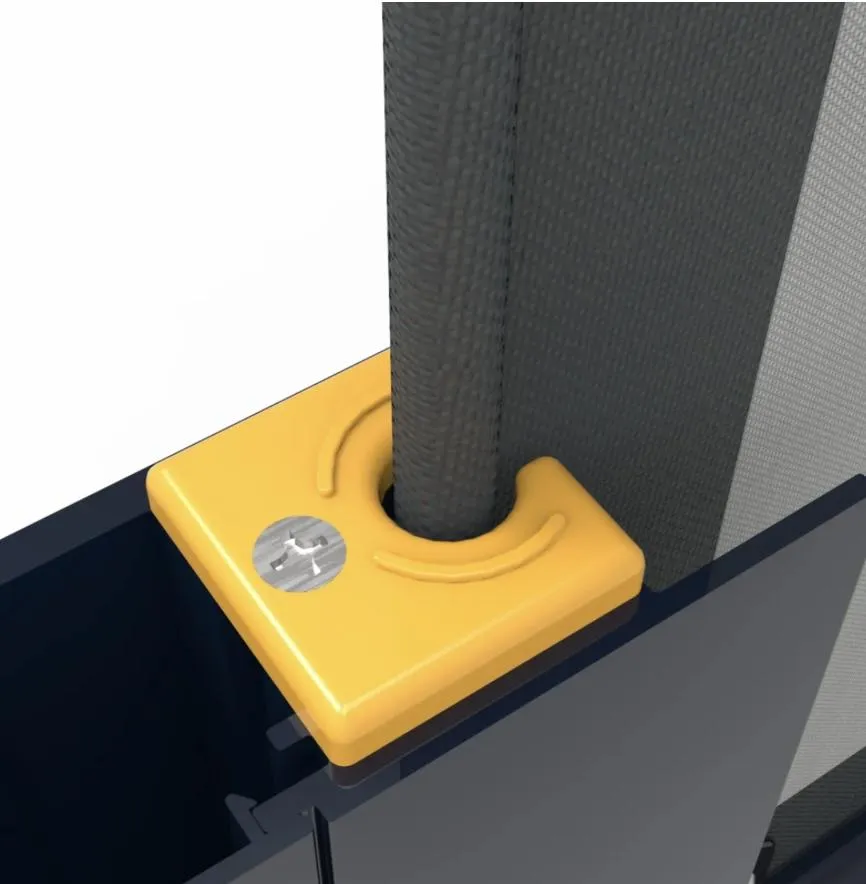
No Zipper. No Cable. Just Simple Deployment
MaxForce Hurricane Screens pioneered Keder-edge technology in motorized screens, delivering unmatched durability and simplicity. Borrowed from sailboat rigging, this system eliminates zippers, cables, and exposed hardware—ensuring smooth, reliable operation every time.
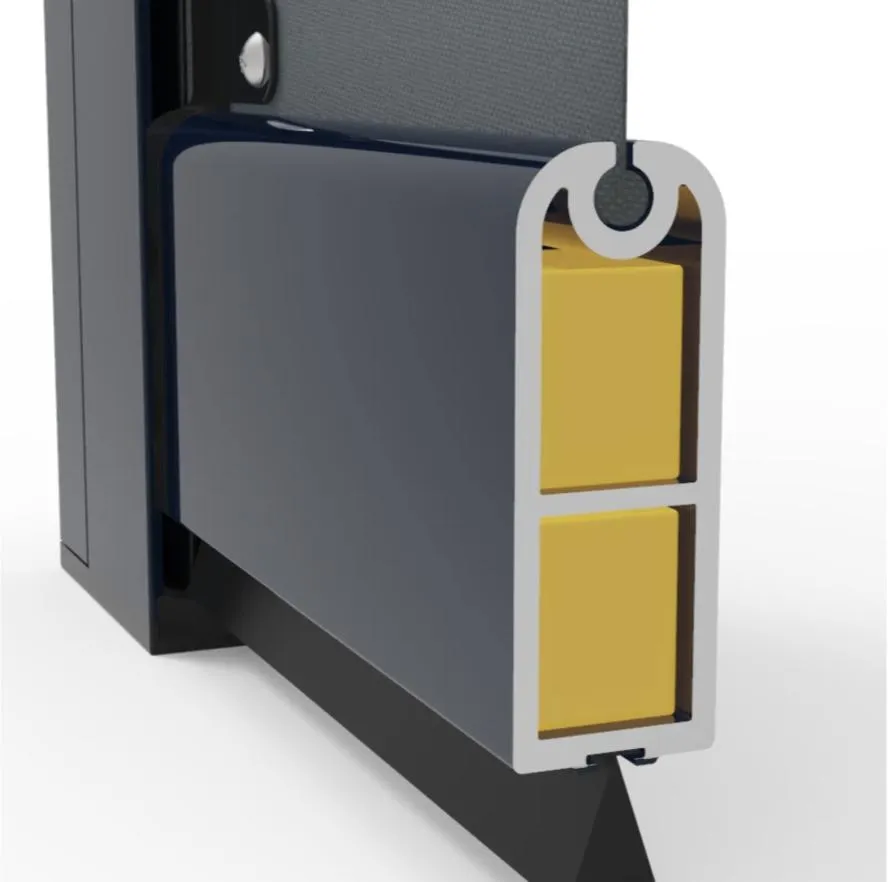
Heavy Duty
The MaxForce weight bar is engineered for strength—and built to hold its ground. Pound for pound, it’s the heaviest and most robust weight bar in the industry. This ensures proper screen tension, flawless deployment, and maximum stability in high wind zones. —limited flex, no failure.
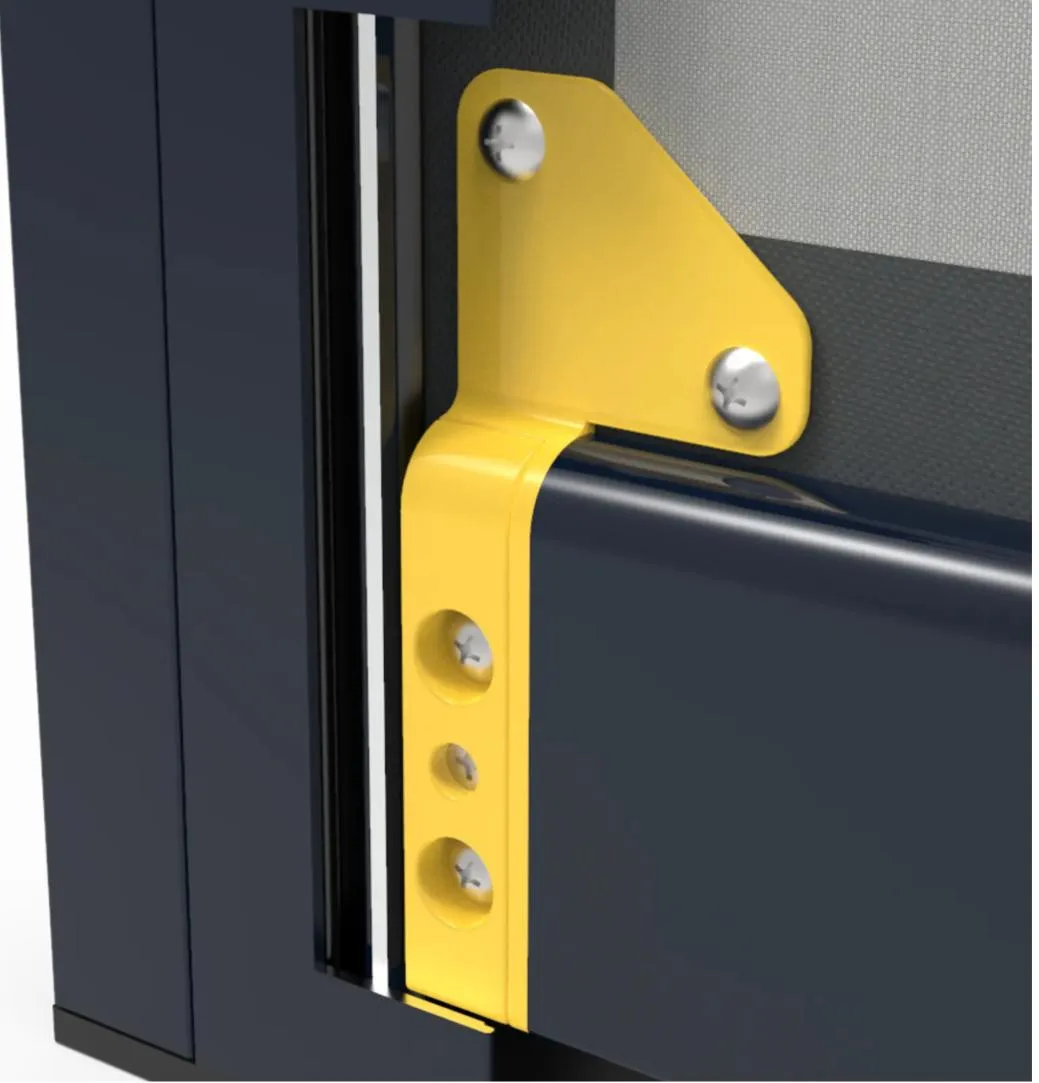
Reinforced Corners
MaxForce’s heavy-duty weight bar isn’t just strong. It’s smart. Reinforced corners and integrated tie-ins create a unified structure that acts like a solid wall of protection when deployed. Made from high-strength nylon, this bar absorbs impacts while maintaining structural integrity.
No blowouts. No rewraps. No frustration.
MaxForce is the only retractable screen system on the market designed to stay locked in the track—even in high winds. Smart motor senses resistance and adjusts seamlessly, allowing self-correction when the screen encounters an obstacle: Fewer snags, fewer jams, and fewer costly service calls.
No Zipper. No Cable. Just Simple Deployment
MaxForce Hurricane Screens pioneered Keder-edge technology in motorized screens, delivering unmatched durability and simplicity. Borrowed from sailboat rigging, this system eliminates zippers, cables, and exposed hardware—ensuring smooth, reliable operation every time.
Heavy Duty
The MaxForce weight bar is engineered for strength—and built to hold its ground. Pound for pound, it’s the heaviest and most robust weight bar in the industry. This ensures proper screen tension, flawless deployment, and maximum stability in high wind zones. —limited flex, no failure.
Reinforced Corners
MaxForce’s heavy-duty weight bar isn’t just strong. It’s smart. Reinforced corners and integrated tie-ins create a unified structure that acts like a solid wall of protection when deployed. Made from high-strength nylon, this bar absorbs impacts while maintaining structural integrity.
Your Vision Deserves
A Partner,
Not Just A Vendor
AMERICAN INGENUITY
Made in the USA.
Proudly Made in the USA—every MaxForce Hurricane Screen is built with American strength, precision, and pride. From the smallest components to the final assembly, our materials are sourced and manufactured right here in the United States. No outsourcing. No compromises. Just hardworking Americans protecting American homes with the toughest screen system on the market.
Your Vision Deserves
A Partner,
Not Just A Vendor
AMERICAN INGENUITY
Made in the USA.
Proudly Made in the USA—every MaxForce Hurricane Screen is built with American strength, precision, and pride. From the smallest components to the final assembly, our materials are sourced and manufactured right here in the United States. No outsourcing. No compromises. Just hardworking Americans protecting American homes with the toughest screen system on the market.
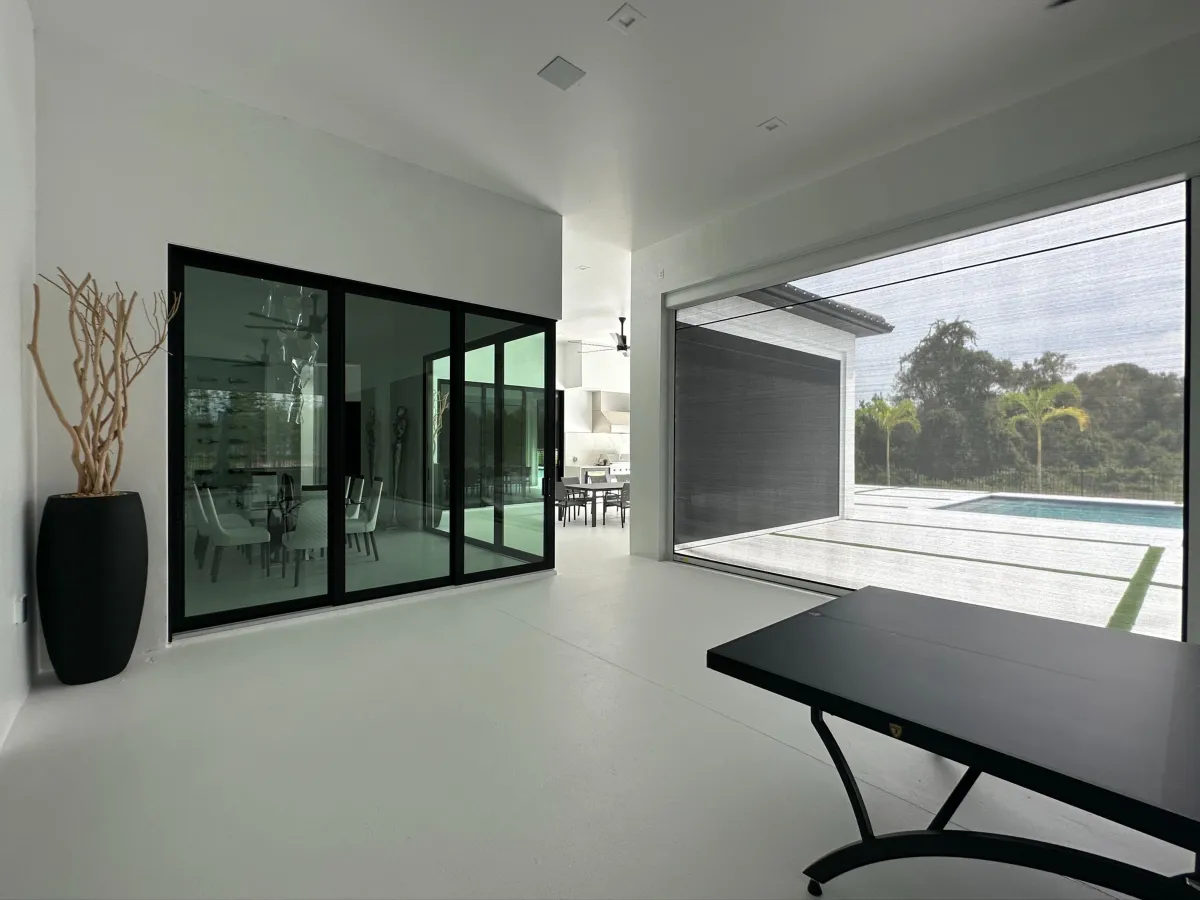
CONSISTENCY.
Quality Made. Professional Installation....
At FL OUTDOOR, quality isn’t a buzzword—it’s a promise. Every MaxForce Hurricane Screens system we install is a product of precision engineering and world-class American manufacturing, built to perform under pressure and look flawless doing it.
We are highly trained professionals who treat your home like their own. From laser-accurate measurements to clean, detail-focused installations, we don’t cut corners—we define them.
CONSISTENCY.
Quality Made. Professional Installation....
At FL OUTDOOR, quality isn’t a buzzword—it’s a promise. Every MaxForce Hurricane Screens system we install is a product of precision engineering and world-class American manufacturing, built to perform under pressure and look flawless doing it.
We are highly trained professionals who treat your home like their own. From laser-accurate measurements to clean, detail-focused installations, we don’t cut corners—we define them.
See What Our Customers Are Saying About Us
See What Our Customers Are Saying About Us
BEYOND
The Here & Now
BEYOND
The Here & Now
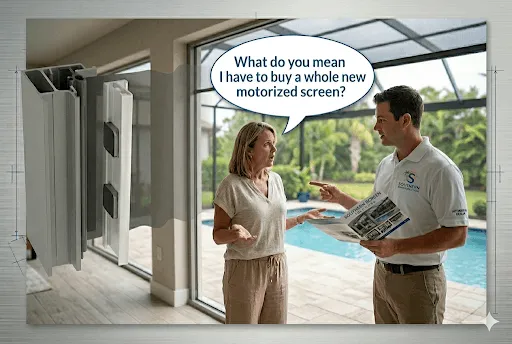
Motorized Screen Warranty: Why Backward Compatibility Decides Year 10
Backward Compatibility: Why OneTrack's Design Discipline Protects Your Warranty
A motorized screen warranty is only as good as the availability of replacement parts ten years later. That sentence is not a marketing line — it is the engineering reality behind every long-term ownership decision in this category. A lifetime warranty on a product means nothing if the manufacturer has discontinued the parts your specific unit was built with. And a lifetime warranty that is tied by contract to parts availability — backward-compatible parts availability — is worth paying attention to, because that language changes who carries the risk of a discontinued component at year ten.
A motorized screen warranty is only as good as the availability of replacement parts ten years later. Fenetex's OneTrack warranty writes this principle directly into contract language: the lifetime warranty on aluminum and proprietary components applies "as long as the system or compatible systems are in production and parts are available" (Fenetex Warranty Rev 03.08.2023). That phrase is a design discipline commitment. New versions of the product must remain compatible with older units, or the warranty becomes the manufacturer's problem to honor. Here is what that commitment means for a homeowner planning to own the system for a decade or more.
What a Motorized Screen Warranty Actually Covers
Before the backward-compatibility argument makes sense, the warranty structure itself has to be understood. Motorized screen warranties are not one document. They are a stack of coverage categories, each with its own duration, prorate terms, and definition of what counts as a covered failure. A shopper who asks "what is the warranty" and accepts "lifetime" as an answer will be surprised in year six.
Here is the structure that every motorized screen warranty uses across all manufacturers in the premium Florida market.
Aluminum components — the housing, side tracks, and weight bar. This is the "lifetime" coverage most manufacturers advertise. Lifetime means different things to different manufacturers, and the difference is exactly where this post lives.
Proprietary engineered components — on a OneTrack system, this includes the spring-based articulating track mechanism; on a MagnaTrack system, this includes the magnetic track assembly. Both manufacturers provide coverage on these parts under terms that track the aluminum coverage.
Electronic controls — the motor, the receiver, the remote, and the wall switch if installed. These are the shortest-duration coverage items in every warranty. Fenetex covers electronic controls for five years. Progressive Screens covers electronic controls for two years. This gap is real, it is written into the contract, and it compounds across a fifteen-year ownership horizon in ways we cover in Post 8 on total cost of ownership [LINK PENDING — Post 8].
Fabric categories — clear vinyl, insect mesh, shade cloth, hurricane-rated fabric. Each category has its own duration. On OneTrack systems, clear vinyl is covered for three years against UV breakdown. On MagnaTrack systems, clear vinyl is covered for one year. Insect mesh and shade cloth coverage are comparable across both brands. Hurricane-rated fabric is covered for ten years across both brands.
Labor and service — typically the installer's responsibility, not the manufacturer's. This is why choosing your installer matters almost as much as choosing your manufacturer.
That is the structure. The backward-compatibility question falls under the aluminum and proprietary-components category, because that is where "lifetime" is promised, and where the parts-availability question determines whether lifetime means anything.
The Exact Fenetex Warranty Language
Fenetex's OneTrack warranty — Revision 03.08.2023 — includes a specific sentence that almost no shopper reads, and that almost no installer walks the homeowner through. It is short enough to quote in full:
"Lifetime means as long as the system or compatible systems are in production and parts are available."
Read it slowly. There are two phrases doing real work in that sentence.
The first is "as long as the system or compatible systems are in production." Not "as long as the system is in production." The warranty extends to compatible systems. If Fenetex releases a new version of OneTrack in year eight of your ownership and that new version is engineered to be compatible with your older system, the warranty remains in effect. The manufacturer has written itself into a design discipline: future versions of the product must remain backward-compatible with older units, because the warranty contract requires it.
The second is "and parts are available." This is the inverse commitment. If parts are not available, the warranty cannot be honored. So the manufacturer's obligation is not just to produce compatible systems going forward — it is also to maintain parts availability on the systems already in the field. Both conditions must be met for the lifetime warranty to remain enforceable. And both conditions are written directly into the contract language.
This is not standard warranty language for motorized screens. Most manufacturers write "lifetime aluminum warranty" and stop there. What Fenetex has done — what makes this worth a dedicated post — is put the design discipline into the contract itself. The manufacturer cannot quietly obsolete your system without voiding its own warranty commitment. And that structural alignment between warranty and engineering is what "backward compatibility" actually means in practice.
Why Backward Compatibility Matters for the Homeowner
The reason this matters is that motorized screen failures at years five, seven, and ten are almost never total system failures. They are component-level failures. A motor burns out. A weight bar takes a debris hit. A snap-on cover cracks from UV exposure. An electronic controller sustains water damage due to a degraded housing seal. When those component failures happen — and in the normal course of ownership, at least one of them is going to happen — the question becomes: can you get the part?
For a homeowner who bought their motorized screen in 2015 from a manufacturer that has since released two generational redesigns, the answer is sometimes no. Not because the manufacturer is acting in bad faith, but because the original parts were engineered to different tolerances than the current ones, and the current production line does not stock the older geometries. At that point, the homeowner's options narrow quickly: pay for a full system upgrade to bring the installation to current spec, accept a non-OEM replacement part that may or may not match the system's service life, or walk away from the screen entirely.
A system engineered under a backward-compatibility discipline avoids most of that. The part shipped in 2015 is still being produced in 2026 because the current production line is designed to remain compatible with older units. The homeowner pays for the part and the labor to install it, and the system keeps running. The warranty, which was written to remain in effect only while compatible parts remain available, remains in effect. That is the entire point of the contract language.
Year five — usually a minor service event. The first worn weight bar gasket, a remote that needs reprogramming, and a housing screw that backed out under vibration. Backward-compatible parts make these jobs routine.
Year seven — often the first substantial service event. A motor that has accumulated duty cycles, a fabric edge that has started to fray, and a side track cover that has taken enough UV exposure to need replacement. If the parts are still manufactured, the service call is a few hundred dollars and an afternoon. If they are not, the conversation changes.
Year ten — the pivot point. This is where the ownership horizon gets decided. A system that cannot be serviced at year ten is one that the homeowner will replace. A system that can be serviced — because the manufacturer's design discipline kept the parts in production — will run into year fifteen and beyond.
The OneTrack Design Principle: One Concept, Many Iterations
Fenetex has built OneTrack as a single engineering concept — the spring-based articulating track — refined incrementally across product generations, all backward-compatible by design. The mechanical spring, the side track geometry, the weight bar attachment, and the housing architecture: these core elements carry forward across iterations. A OneTrack installed in 2018 and a OneTrack installed in 2026 share enough engineering DNA that the critical parts can be interchanged.
This is a design choice. It is not the only valid choice in the category, and Post 4 in this series covers the engineering case for design restraint versus generational redesign in more depth [LINK PENDING — Post 4]. But it is the choice Fenetex has made, and it is the choice the warranty language is built to enforce.
The practical consequence: a OneTrack buyer in 2026 is buying into a product family where the engineering discipline and the warranty contract are aligned. The design team cannot ship a breaking change without the warranty department catching it — because the warranty department's own contract language forbids it. That kind of internal check is unusual in consumer products. It is unusual enough to matter when comparing warranty structures.
What the MagnaTrack Warranty Says — And What It Does Not
Progressive Screens' MagnaTrack warranty covers aluminum components for a lifetime, with prorated coverage after 2 years. That means for the first two years of ownership, a defective aluminum part is replaced at no cost to the homeowner. After two years, the homeowner pays a prorated share of the replacement cost that increases each year until the coverage effectively phases out. This is a standard warranty structure in the category. It is defensible, it is widely used, and it is disclosed in the warranty document itself. Homeowners who receive the document at closeout will see the prorate schedule and can plan accordingly.
The MagnaTrack warranty does not include contract language addressing the forward compatibility of future product iterations. The warranty is written against the system as originally installed, not against a parts-compatibility commitment extending into future generations. This is not a criticism — it is simply the absence of a specific contract provision that Fenetex has chosen to include. Every shopper should read both warranties in full and draw their own conclusions about what those documents require of the manufacturer.
The difference we are pointing at in this post is structural, not qualitative. Both warranties are real warranties. Both are backed by real manufacturers. The difference is in whether the warranty contract also serves as an engineering discipline binding the manufacturer to parts-availability commitments across future product generations. Fenetex has built that bridge. Progressive Screens has built a more conventional warranty structure. Each buyer will weigh those differences against their own ownership horizon.
How to Read a Motorized Screen Warranty for Compatibility Language
If you are shopping for motorized screens right now, ask your installer for the complete warranty document before you sign. Not the one-page summary. The full document. Then read for four specific things.
First, look at the aluminum coverage duration and the prorate schedule. Is it lifetime non-prorated, or lifetime prorated after two years? The prorate clock starts at installation, so the three-year-old system that needs a housing replacement will cost different amounts under different warranties. Second, look at how "lifetime" is defined. Does the warranty explicitly condition lifetime coverage on parts availability and compatible-systems production, as Fenetex's language does? Or is lifetime defined against the original system only, with no forward-looking compatibility commitment? Third, check the electronic controls coverage duration. Fenetex: five years. Progressive Screens: two years. The difference is real, and it compounds. Fourth, check the fabric coverage by category. Clear vinyl durations vary most sharply between manufacturers; hurricane fabric coverage is more standardized.
Those four pieces of information are what a shopper needs to compare motorized screen warranties on substance rather than on the marketing copy.
Questions to Ask an Installer Before Signing
If I were a homeowner stepping into a dealership appointment tomorrow, these are the five questions I would ask before the contract came out. They are blunt by design. A good installer will welcome them.
What is the aluminum warranty — lifetime non-prorated, or lifetime prorated after a set period?
Is "lifetime" defined against this specific system only, or does the warranty language commit the manufacturer to compatible parts availability across future product generations?
What is the electronic controls coverage in years?
What is the clear vinyl coverage in years?
If a part on this system fails in year ten, will I be able to source an OEM replacement from this manufacturer — and will you, as my installer, still be here to install it?
Question five is the one installers sometimes flinch at. It is also the one that matters most. A warranty is worthless if the manufacturer is willing, but the installer has closed. Florida Living Outdoor is a veteran-owned company that has been installing motorized screens across Central and South Florida since December 2021. Our answer to question five is documented: we service every system we install, and we service systems from other installers when we are asked to. That is the answer a homeowner wants to hear. Whether you hire us or someone else, make sure the installer can answer question five without flinching.
About the Author
Kip Hudakoz is the owner of Florida Living Outdoor LLC, a BBB A+ accredited, veteran-owned Florida outdoor services company specializing in motorized screens, retractable awnings, and pergola systems. Kip has spent twenty-six years in the Florida outdoor services industry, operating companies in Central Florida and South Florida. He is also the owner of Paramount Fencing and Custom Fence Orlando, and was a former co-host of "Ask the Experts" on News 96.5 Florida Home and Garden. Florida Living Outdoor was founded in December 2021 and earned its BBB A+ accreditation in October 2024. The company installs and services both MagnaTrack and OneTrack motorized screen systems across Central and South Florida.
Frequently Asked Questions
What is a motorized screen warranty, and what does it cover?
A motorized screen warranty is a stack of coverage categories, not a single document. Aluminum components are typically covered for a lifetime with varying prorate structures. Proprietary engineered components — the magnetic or spring-based articulating track — carry coverage that usually tracks the aluminum coverage. Electronic controls (motor, receiver, remote) are the shortest-duration category, ranging from two to five years depending on the manufacturer. Fabric coverage varies by fabric type. Labor and service are almost always the installer's responsibility, not the manufacturer's.
What is backward compatibility in a motorized screen warranty?
Backward compatibility is an engineering discipline in which new product generations are designed to remain compatible with older units in the field. Fenetex's OneTrack warranty states this directly in the contract language: lifetime coverage applies "as long as the system or compatible systems are in production and parts are available." This binds the manufacturer to maintain parts availability commitments across future product iterations, which keeps the lifetime warranty enforceable well into the ownership horizon.
How long is the OneTrack warranty?
OneTrack's aluminum and proprietary engineered components carry a lifetime warranty under Fenetex Warranty Rev 03.08.2023, conditioned on compatible-systems production and parts availability. Electronic controls are covered for five years. Clear vinyl is covered for three years. Hurricane fabric is covered for ten years.
How long is the MagnaTrack warranty?
MagnaTrack's aluminum components carry a lifetime warranty, prorated after two years. Electronic controls are covered for two years. Clear vinyl is covered for one year. Hurricane fabric is covered for ten years. The specific prorate schedule is disclosed in the Progressive Screens warranty document, which every buyer should request and review in full.
What happens if I need a motorized screen part in year ten?
This is the question backward-compatible design is meant to answer. On a system built under a compatibility discipline, the part you need in year ten is still being produced, because the current production line is engineered to remain compatible with older units. On a system without that discipline, the answer depends on whether the manufacturer has kept the specific generation of parts in production. Asking your installer this question before signing is the only way to get a defensible answer.
Can I repair an older motorized screen?
Usually, yes, if the parts are still available from the manufacturer and the installer is still in business. Most year-seven and year-ten service events are component-level — a motor, a weight bar, a housing seal, a controller — and are straightforward repairs when parts exist. The repair becomes uneconomic when parts have been discontinued, and non-OEM alternatives are not a reliable match.
What voids a motorized screen warranty?
Typical voids across both MagnaTrack and OneTrack warranties include non-professional installation, unauthorized modifications to the system, storm damage beyond the hurricane-rated product specification, and damage caused by deploying a daily-use (non-hurricane-rated) screen during a named-storm event. Manufacturer-specific voids are disclosed in each warranty document.
Ready to Talk About Warranty Language on Your Own Project?
To walk through the full warranty text on both systems — and get clear answers on the five questions in this post — contact Florida Living Outdoor for a free in-home consultation in Central or South Florida. We install and service both MagnaTrack and OneTrack systems, and we will show you the warranty documents side by side so you can review the language yourself.
Sources and Further Reading
Fenetex / OneTrack — manufacturer of OneTrack motorized screens. https://onetrackscreens.com
Fenetex Warranty Rev 03.08.2023 — source document for the "lifetime means as long as the system or compatible systems are in production and parts are available" language quoted in this post.
Fenetex Design Guide v120253 — engineering specification document for OneTrack and MaxForce product families.
Progressive Screens (a Hunter Douglas Company) — manufacturer of MagnaTrack. https://progressivescreens.com
Progressive Screens MagnaTrack Warranty — publicly available warranty document covering the MagnaTrack product line.
US Patent 9,719,292 — MagnaTrack magnetic track system. https://patents.google.com/patent/US9719292
Florida Product Approval F30798 — MagnaTrack Defender hurricane screen. https://www.floridabuilding.org
Florida Product Approval FL8637 — Fenetex MaxForce hurricane screen. https://www.floridabuilding.org
Hunter Douglas acquisition of Progressive Screens (2020) — public corporate record. https://www.hunterdouglas.com
Florida Living Outdoor LLC — installer and service provider for both MagnaTrack and OneTrack systems in Central and South Florida. https://floridalivingoutdoor.com
BEYOND
The Here & Now
BEYOND
The Here & Now
Motorized Screen Warranty: Why Backward Compatibility Decides Year 10
Backward Compatibility: Why OneTrack's Design Discipline Protects Your Warranty
A motorized screen warranty is only as good as the availability of replacement parts ten years later. That sentence is not a marketing line — it is the engineering reality behind every long-term ownership decision in this category. A lifetime warranty on a product means nothing if the manufacturer has discontinued the parts your specific unit was built with. And a lifetime warranty that is tied by contract to parts availability — backward-compatible parts availability — is worth paying attention to, because that language changes who carries the risk of a discontinued component at year ten.
A motorized screen warranty is only as good as the availability of replacement parts ten years later. Fenetex's OneTrack warranty writes this principle directly into contract language: the lifetime warranty on aluminum and proprietary components applies "as long as the system or compatible systems are in production and parts are available" (Fenetex Warranty Rev 03.08.2023). That phrase is a design discipline commitment. New versions of the product must remain compatible with older units, or the warranty becomes the manufacturer's problem to honor. Here is what that commitment means for a homeowner planning to own the system for a decade or more.
What a Motorized Screen Warranty Actually Covers
Before the backward-compatibility argument makes sense, the warranty structure itself has to be understood. Motorized screen warranties are not one document. They are a stack of coverage categories, each with its own duration, prorate terms, and definition of what counts as a covered failure. A shopper who asks "what is the warranty" and accepts "lifetime" as an answer will be surprised in year six.
Here is the structure that every motorized screen warranty uses across all manufacturers in the premium Florida market.
Aluminum components — the housing, side tracks, and weight bar. This is the "lifetime" coverage most manufacturers advertise. Lifetime means different things to different manufacturers, and the difference is exactly where this post lives.
Proprietary engineered components — on a OneTrack system, this includes the spring-based articulating track mechanism; on a MagnaTrack system, this includes the magnetic track assembly. Both manufacturers provide coverage on these parts under terms that track the aluminum coverage.
Electronic controls — the motor, the receiver, the remote, and the wall switch if installed. These are the shortest-duration coverage items in every warranty. Fenetex covers electronic controls for five years. Progressive Screens covers electronic controls for two years. This gap is real, it is written into the contract, and it compounds across a fifteen-year ownership horizon in ways we cover in Post 8 on total cost of ownership [LINK PENDING — Post 8].
Fabric categories — clear vinyl, insect mesh, shade cloth, hurricane-rated fabric. Each category has its own duration. On OneTrack systems, clear vinyl is covered for three years against UV breakdown. On MagnaTrack systems, clear vinyl is covered for one year. Insect mesh and shade cloth coverage are comparable across both brands. Hurricane-rated fabric is covered for ten years across both brands.
Labor and service — typically the installer's responsibility, not the manufacturer's. This is why choosing your installer matters almost as much as choosing your manufacturer.
That is the structure. The backward-compatibility question falls under the aluminum and proprietary-components category, because that is where "lifetime" is promised, and where the parts-availability question determines whether lifetime means anything.
The Exact Fenetex Warranty Language
Fenetex's OneTrack warranty — Revision 03.08.2023 — includes a specific sentence that almost no shopper reads, and that almost no installer walks the homeowner through. It is short enough to quote in full:
"Lifetime means as long as the system or compatible systems are in production and parts are available."
Read it slowly. There are two phrases doing real work in that sentence.
The first is "as long as the system or compatible systems are in production." Not "as long as the system is in production." The warranty extends to compatible systems. If Fenetex releases a new version of OneTrack in year eight of your ownership and that new version is engineered to be compatible with your older system, the warranty remains in effect. The manufacturer has written itself into a design discipline: future versions of the product must remain backward-compatible with older units, because the warranty contract requires it.
The second is "and parts are available." This is the inverse commitment. If parts are not available, the warranty cannot be honored. So the manufacturer's obligation is not just to produce compatible systems going forward — it is also to maintain parts availability on the systems already in the field. Both conditions must be met for the lifetime warranty to remain enforceable. And both conditions are written directly into the contract language.
This is not standard warranty language for motorized screens. Most manufacturers write "lifetime aluminum warranty" and stop there. What Fenetex has done — what makes this worth a dedicated post — is put the design discipline into the contract itself. The manufacturer cannot quietly obsolete your system without voiding its own warranty commitment. And that structural alignment between warranty and engineering is what "backward compatibility" actually means in practice.
Why Backward Compatibility Matters for the Homeowner
The reason this matters is that motorized screen failures at years five, seven, and ten are almost never total system failures. They are component-level failures. A motor burns out. A weight bar takes a debris hit. A snap-on cover cracks from UV exposure. An electronic controller sustains water damage due to a degraded housing seal. When those component failures happen — and in the normal course of ownership, at least one of them is going to happen — the question becomes: can you get the part?
For a homeowner who bought their motorized screen in 2015 from a manufacturer that has since released two generational redesigns, the answer is sometimes no. Not because the manufacturer is acting in bad faith, but because the original parts were engineered to different tolerances than the current ones, and the current production line does not stock the older geometries. At that point, the homeowner's options narrow quickly: pay for a full system upgrade to bring the installation to current spec, accept a non-OEM replacement part that may or may not match the system's service life, or walk away from the screen entirely.
A system engineered under a backward-compatibility discipline avoids most of that. The part shipped in 2015 is still being produced in 2026 because the current production line is designed to remain compatible with older units. The homeowner pays for the part and the labor to install it, and the system keeps running. The warranty, which was written to remain in effect only while compatible parts remain available, remains in effect. That is the entire point of the contract language.
Year five — usually a minor service event. The first worn weight bar gasket, a remote that needs reprogramming, and a housing screw that backed out under vibration. Backward-compatible parts make these jobs routine.
Year seven — often the first substantial service event. A motor that has accumulated duty cycles, a fabric edge that has started to fray, and a side track cover that has taken enough UV exposure to need replacement. If the parts are still manufactured, the service call is a few hundred dollars and an afternoon. If they are not, the conversation changes.
Year ten — the pivot point. This is where the ownership horizon gets decided. A system that cannot be serviced at year ten is one that the homeowner will replace. A system that can be serviced — because the manufacturer's design discipline kept the parts in production — will run into year fifteen and beyond.
The OneTrack Design Principle: One Concept, Many Iterations
Fenetex has built OneTrack as a single engineering concept — the spring-based articulating track — refined incrementally across product generations, all backward-compatible by design. The mechanical spring, the side track geometry, the weight bar attachment, and the housing architecture: these core elements carry forward across iterations. A OneTrack installed in 2018 and a OneTrack installed in 2026 share enough engineering DNA that the critical parts can be interchanged.
This is a design choice. It is not the only valid choice in the category, and Post 4 in this series covers the engineering case for design restraint versus generational redesign in more depth [LINK PENDING — Post 4]. But it is the choice Fenetex has made, and it is the choice the warranty language is built to enforce.
The practical consequence: a OneTrack buyer in 2026 is buying into a product family where the engineering discipline and the warranty contract are aligned. The design team cannot ship a breaking change without the warranty department catching it — because the warranty department's own contract language forbids it. That kind of internal check is unusual in consumer products. It is unusual enough to matter when comparing warranty structures.
What the MagnaTrack Warranty Says — And What It Does Not
Progressive Screens' MagnaTrack warranty covers aluminum components for a lifetime, with prorated coverage after 2 years. That means for the first two years of ownership, a defective aluminum part is replaced at no cost to the homeowner. After two years, the homeowner pays a prorated share of the replacement cost that increases each year until the coverage effectively phases out. This is a standard warranty structure in the category. It is defensible, it is widely used, and it is disclosed in the warranty document itself. Homeowners who receive the document at closeout will see the prorate schedule and can plan accordingly.
The MagnaTrack warranty does not include contract language addressing the forward compatibility of future product iterations. The warranty is written against the system as originally installed, not against a parts-compatibility commitment extending into future generations. This is not a criticism — it is simply the absence of a specific contract provision that Fenetex has chosen to include. Every shopper should read both warranties in full and draw their own conclusions about what those documents require of the manufacturer.
The difference we are pointing at in this post is structural, not qualitative. Both warranties are real warranties. Both are backed by real manufacturers. The difference is in whether the warranty contract also serves as an engineering discipline binding the manufacturer to parts-availability commitments across future product generations. Fenetex has built that bridge. Progressive Screens has built a more conventional warranty structure. Each buyer will weigh those differences against their own ownership horizon.
How to Read a Motorized Screen Warranty for Compatibility Language
If you are shopping for motorized screens right now, ask your installer for the complete warranty document before you sign. Not the one-page summary. The full document. Then read for four specific things.
First, look at the aluminum coverage duration and the prorate schedule. Is it lifetime non-prorated, or lifetime prorated after two years? The prorate clock starts at installation, so the three-year-old system that needs a housing replacement will cost different amounts under different warranties. Second, look at how "lifetime" is defined. Does the warranty explicitly condition lifetime coverage on parts availability and compatible-systems production, as Fenetex's language does? Or is lifetime defined against the original system only, with no forward-looking compatibility commitment? Third, check the electronic controls coverage duration. Fenetex: five years. Progressive Screens: two years. The difference is real, and it compounds. Fourth, check the fabric coverage by category. Clear vinyl durations vary most sharply between manufacturers; hurricane fabric coverage is more standardized.
Those four pieces of information are what a shopper needs to compare motorized screen warranties on substance rather than on the marketing copy.
Questions to Ask an Installer Before Signing
If I were a homeowner stepping into a dealership appointment tomorrow, these are the five questions I would ask before the contract came out. They are blunt by design. A good installer will welcome them.
What is the aluminum warranty — lifetime non-prorated, or lifetime prorated after a set period?
Is "lifetime" defined against this specific system only, or does the warranty language commit the manufacturer to compatible parts availability across future product generations?
What is the electronic controls coverage in years?
What is the clear vinyl coverage in years?
If a part on this system fails in year ten, will I be able to source an OEM replacement from this manufacturer — and will you, as my installer, still be here to install it?
Question five is the one installers sometimes flinch at. It is also the one that matters most. A warranty is worthless if the manufacturer is willing, but the installer has closed. Florida Living Outdoor is a veteran-owned company that has been installing motorized screens across Central and South Florida since December 2021. Our answer to question five is documented: we service every system we install, and we service systems from other installers when we are asked to. That is the answer a homeowner wants to hear. Whether you hire us or someone else, make sure the installer can answer question five without flinching.
About the Author
Kip Hudakoz is the owner of Florida Living Outdoor LLC, a BBB A+ accredited, veteran-owned Florida outdoor services company specializing in motorized screens, retractable awnings, and pergola systems. Kip has spent twenty-six years in the Florida outdoor services industry, operating companies in Central Florida and South Florida. He is also the owner of Paramount Fencing and Custom Fence Orlando, and was a former co-host of "Ask the Experts" on News 96.5 Florida Home and Garden. Florida Living Outdoor was founded in December 2021 and earned its BBB A+ accreditation in October 2024. The company installs and services both MagnaTrack and OneTrack motorized screen systems across Central and South Florida.
Frequently Asked Questions
What is a motorized screen warranty, and what does it cover?
A motorized screen warranty is a stack of coverage categories, not a single document. Aluminum components are typically covered for a lifetime with varying prorate structures. Proprietary engineered components — the magnetic or spring-based articulating track — carry coverage that usually tracks the aluminum coverage. Electronic controls (motor, receiver, remote) are the shortest-duration category, ranging from two to five years depending on the manufacturer. Fabric coverage varies by fabric type. Labor and service are almost always the installer's responsibility, not the manufacturer's.
What is backward compatibility in a motorized screen warranty?
Backward compatibility is an engineering discipline in which new product generations are designed to remain compatible with older units in the field. Fenetex's OneTrack warranty states this directly in the contract language: lifetime coverage applies "as long as the system or compatible systems are in production and parts are available." This binds the manufacturer to maintain parts availability commitments across future product iterations, which keeps the lifetime warranty enforceable well into the ownership horizon.
How long is the OneTrack warranty?
OneTrack's aluminum and proprietary engineered components carry a lifetime warranty under Fenetex Warranty Rev 03.08.2023, conditioned on compatible-systems production and parts availability. Electronic controls are covered for five years. Clear vinyl is covered for three years. Hurricane fabric is covered for ten years.
How long is the MagnaTrack warranty?
MagnaTrack's aluminum components carry a lifetime warranty, prorated after two years. Electronic controls are covered for two years. Clear vinyl is covered for one year. Hurricane fabric is covered for ten years. The specific prorate schedule is disclosed in the Progressive Screens warranty document, which every buyer should request and review in full.
What happens if I need a motorized screen part in year ten?
This is the question backward-compatible design is meant to answer. On a system built under a compatibility discipline, the part you need in year ten is still being produced, because the current production line is engineered to remain compatible with older units. On a system without that discipline, the answer depends on whether the manufacturer has kept the specific generation of parts in production. Asking your installer this question before signing is the only way to get a defensible answer.
Can I repair an older motorized screen?
Usually, yes, if the parts are still available from the manufacturer and the installer is still in business. Most year-seven and year-ten service events are component-level — a motor, a weight bar, a housing seal, a controller — and are straightforward repairs when parts exist. The repair becomes uneconomic when parts have been discontinued, and non-OEM alternatives are not a reliable match.
What voids a motorized screen warranty?
Typical voids across both MagnaTrack and OneTrack warranties include non-professional installation, unauthorized modifications to the system, storm damage beyond the hurricane-rated product specification, and damage caused by deploying a daily-use (non-hurricane-rated) screen during a named-storm event. Manufacturer-specific voids are disclosed in each warranty document.
Ready to Talk About Warranty Language on Your Own Project?
To walk through the full warranty text on both systems — and get clear answers on the five questions in this post — contact Florida Living Outdoor for a free in-home consultation in Central or South Florida. We install and service both MagnaTrack and OneTrack systems, and we will show you the warranty documents side by side so you can review the language yourself.
Sources and Further Reading
Fenetex / OneTrack — manufacturer of OneTrack motorized screens. https://onetrackscreens.com
Fenetex Warranty Rev 03.08.2023 — source document for the "lifetime means as long as the system or compatible systems are in production and parts are available" language quoted in this post.
Fenetex Design Guide v120253 — engineering specification document for OneTrack and MaxForce product families.
Progressive Screens (a Hunter Douglas Company) — manufacturer of MagnaTrack. https://progressivescreens.com
Progressive Screens MagnaTrack Warranty — publicly available warranty document covering the MagnaTrack product line.
US Patent 9,719,292 — MagnaTrack magnetic track system. https://patents.google.com/patent/US9719292
Florida Product Approval F30798 — MagnaTrack Defender hurricane screen. https://www.floridabuilding.org
Florida Product Approval FL8637 — Fenetex MaxForce hurricane screen. https://www.floridabuilding.org
Hunter Douglas acquisition of Progressive Screens (2020) — public corporate record. https://www.hunterdouglas.com
Florida Living Outdoor LLC — installer and service provider for both MagnaTrack and OneTrack systems in Central and South Florida. https://floridalivingoutdoor.com
COMPANY
MOTORIZED SCREENS
SHADE SOLUTIONS
FENCING & LIGHTING
DESIGN IDEAS
SUPPORT



Copyright 2026. FL OUTDOOR. All Rights Reserved.
Powered and Built By