The Worlds Toughest Hurricane Screen
Tried | True | Tested.
PROTECTION THAT PERFORM
No Blowouts. No Rewraps. No Compromise....
MaxForce Hurricane Screens are the result of years of real-world testing, research, and engineering refinement. Built to withstand the harshest conditions without sacrificing aesthetics, they offer maximum protection for your patio or lanai with hurricane-rated performance.
Tested, Trusted, Proven, and Never compromised—these screens are built for the long haul:

PROTECTION THAT PERFORM
No Blowouts. No Rewraps. No Compromise....
MaxForce Hurricane Screens are the result of years of real-world testing, research, and engineering refinement. Built to withstand the harshest conditions without sacrificing aesthetics, they offer maximum protection for your patio or lanai with hurricane-rated performance.
Tested, Trusted, Proven, and Never compromised—these screens are built for the long haul:
Your Vision Deserves
A Partner
Who Listens...
Your Vision Deserves
A Partner
Who Listens...
MAXFORCE & FL OUTDOOR
READY FOR LIFE'S STORMS
MAXFORCE & FL OUTDOOR
READY FOR LIFE'S STORMS
MAXFORCE HURRICANE SCREEN SYSTEM
A Certified, Tested System...
The MaxForce Hurricane Screen System meet or exceeds Miami-Dade and Florida Building Code requirements—the toughest hurricane codes on earth—for roll-down hurricane screens. Rated for the 185 MPH wind zone, and with real-world and certified testing. With spans of up to 24 feet, they exceed performance criteria for all local and International Building Codes.
MAXFORCE HURRICANE SCREEN SYSTEM
A Certified, Tested System...
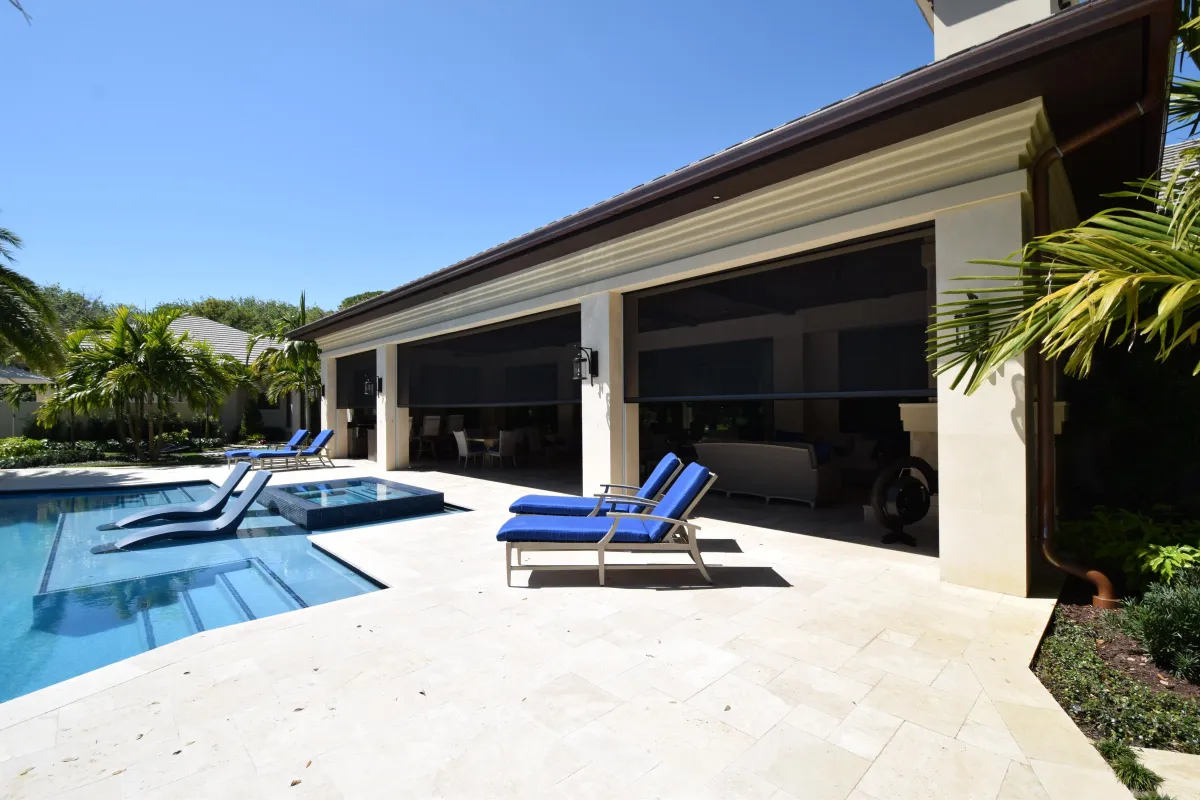
The MaxForce Hurricane Screen System meet or exceeds Miami-Dade and Florida Building Code requirements—the toughest hurricane codes on earth—for roll-down hurricane screens. Rated for the 185 MPH wind zone, and with real-world and certified testing. With spans of up to 24 feet, they exceed performance criteria for all local and International Building Codes.
MAXFORCE IS THERE
When You Need It The Most

Secure Track
MaxForce Fix Hurricane Track holds firm under extreme loads

Max Corrosion Protection
Powder Coated Aluminum Protects your investment from exposure and corrosion.

Heavy-Duty Design
Our screens are designed to withstand the extreme. High wind, Rain, or Shine, Dust Dirt, Dander, it does not matter. MaxForce covers it all
MAXFORCE IS THERE
When You Need It The Most
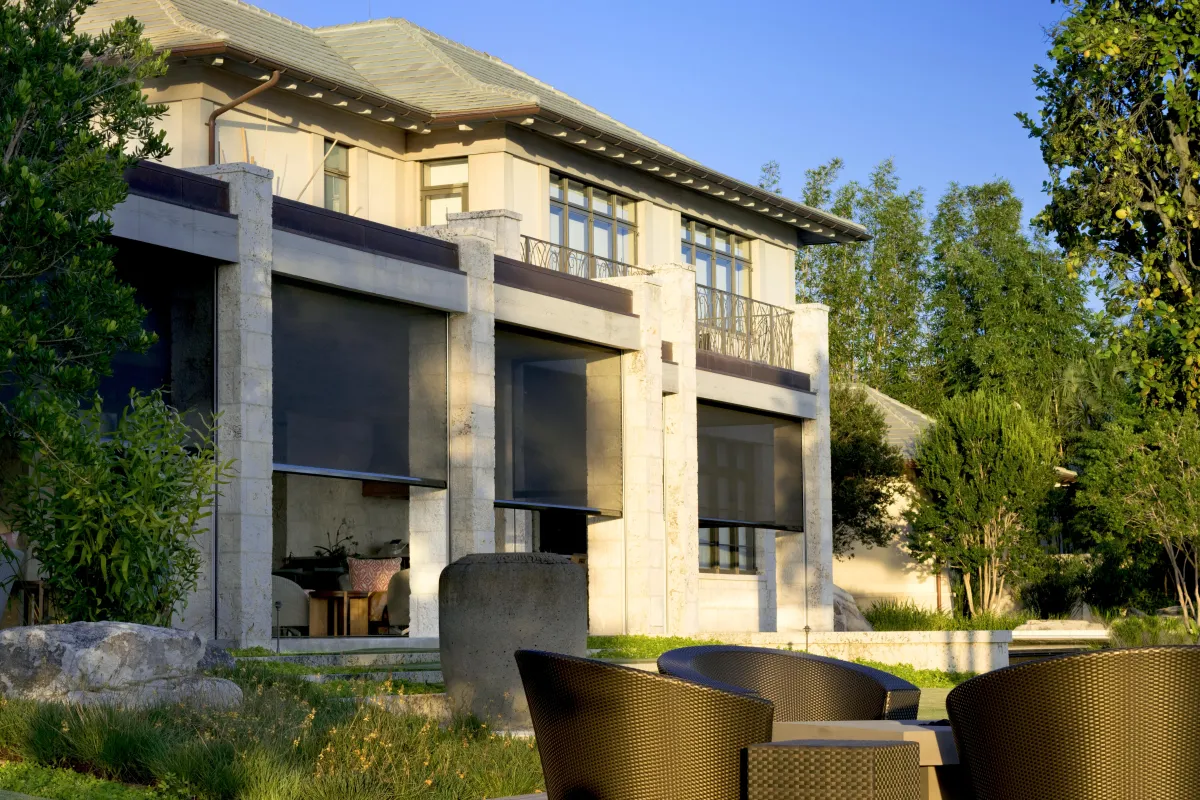
Secure Track
MaxForce Fix Hurricane Track holds firm under extreme loads
Max Corrosion Protection
Powder Coated Aluminum Protects your investment from exposure and corrosion.
Heavy-Duty Design
Our screens are designed to withstand the extreme. High wind, Rain, or Shine, Dust Dirt, Dander, it does not matter. MaxForce covers it all
Your Vision Deserves
A Partner
Who Cares...
Your Vision Deserves
A Partner
Who Cares...
THE MAXFORCE HURRICANE SCREEN DIFFERENCE
MaxForce Hurricane Screen
MaxForce Hurricane Screens, powered by our patented MaxForce system, meet the toughest standards—including HVHZ certification in Miami-Dade and Broward. They last longer, resist more, and do more than any screen on the market—proven protection without compromise.
.
MaxForce Hurricane Screens —Delivers 365 days of perfect protection, rain or shine, on your patio and lanai. With the push of a button or a tap on the mobile app, your patio is storm-ready— furniture and openings fully protected in seconds.
.
MaxForce Hurricane Screens fabric blocks up to 95% of the sun’s damaging UV-rays while shielding against wind, rain, insects, dust, and debris. It also helps reduce heat and lower energy costs by limiting solar exposure—comfort and protection in one smart solution.
.
Like all Fenetex products, our MaxForce Hurricane Screens are highly customizable and built to order—made to fit your exact openings. No guesswork, no compromises—just precision-fit protection tailored to your space.
.
Pair our retractable MaxForce Hurricane Screens with other Fenetex screens for customized and independent solutions. Each screen operates independently, giving you the protection you want when you need it.
MaxForce Hurricane Screens offer built-in privacy without blocking your view. Like a two-way mirror, you can see out—but neighbors and passersby cannot see in. It provides the perfect blend of openness and seclusion, day or night.
THE MAXFORCE HURRICANE SCREEN DIFFERENCE
MaxForce Hurricane Screen
MaxForce Hurricane Screens, powered by our patented MaxForce system, meet the toughest standards—including HVHZ certification in Miami-Dade and Broward. They last longer, resist more, and do more than any screen on the market—proven protection without compromise.
.
MaxForce Hurricane Screens —Delivers 365 days of perfect protection, rain or shine, on your patio and lanai. With the push of a button or a tap on the mobile app, your patio is storm-ready— furniture and openings fully protected in seconds.
.
MaxForce Hurricane Screens fabric blocks up to 95% of the sun’s damaging UV-rays while shielding against wind, rain, insects, dust, and debris. It also helps reduce heat and lower energy costs by limiting solar exposure—comfort and protection in one smart solution.
.
Like all Fenetex products, our MaxForce Hurricane Screens are highly customizable and built to order—made to fit your exact openings. No guesswork, no compromises—just precision-fit protection tailored to your space.
.
Pair our retractable MaxForce Hurricane Screens with other Fenetex screens for customized and independent solutions. Each screen operates independently, giving you the protection you want when you need it.
MaxForce Hurricane Screens offer built-in privacy without blocking your view. Like a two-way mirror, you can see out—but neighbors and passersby cannot see in. It provides the perfect blend of openness and seclusion, day or night.

ADJUSTABLE ABILITY: MANUAL
Fixed Track
LOCKS TIGHT
Ultimate Strength

RATED FOR
185mph Wind Zone
APPLICATION
Residential & Commercial
ADJUSTABLE ABILITY: MANUAL
Fixed Track
LOCKS TIGHT
Ultimate Strength
RATED FOR
185mph Wind Zone
APPLICATION
Residential & Commercial
IT'S AS EASY AS 1, 2, 3
Customize Your Screen
STEP ONE:
Choose Your Screen Color...
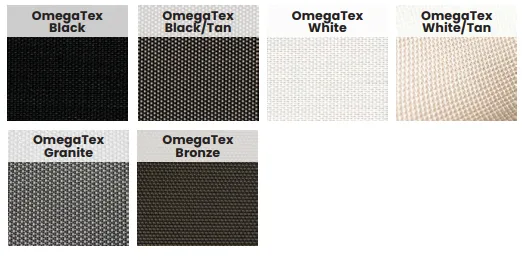
Backed by Twitchell’s OmegaTex fabric, our hurricane screens are engineered with ballistic-grade and enhanced fibers for maximum strength and durability. These fabrics aren’t just tough—they’re also UV-protected for long-lasting performance and crafted with aesthetics in mind. Choose from six elegant colors designed to complement the architecture of your home.
STEP TWO:
Choose Your Frame Color...
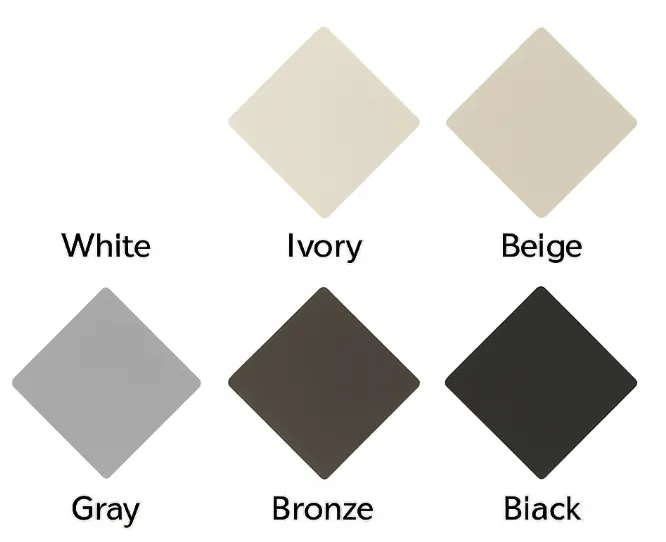
Choosing the right screen color is simple with . Our standard color selections are designed to blend seamlessly with your architecture and framework, offering a clean, cohesive look. For unique designs, custom powder coating is available to match any project. All finishes are marine-grade and infused with UV ray inhibitors—built to endure the elements and maintain their beauty for years to come.
STEP THREE:
3. Choose Your Control
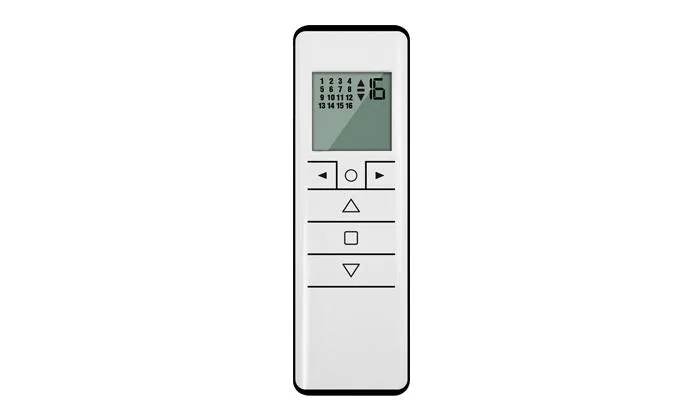
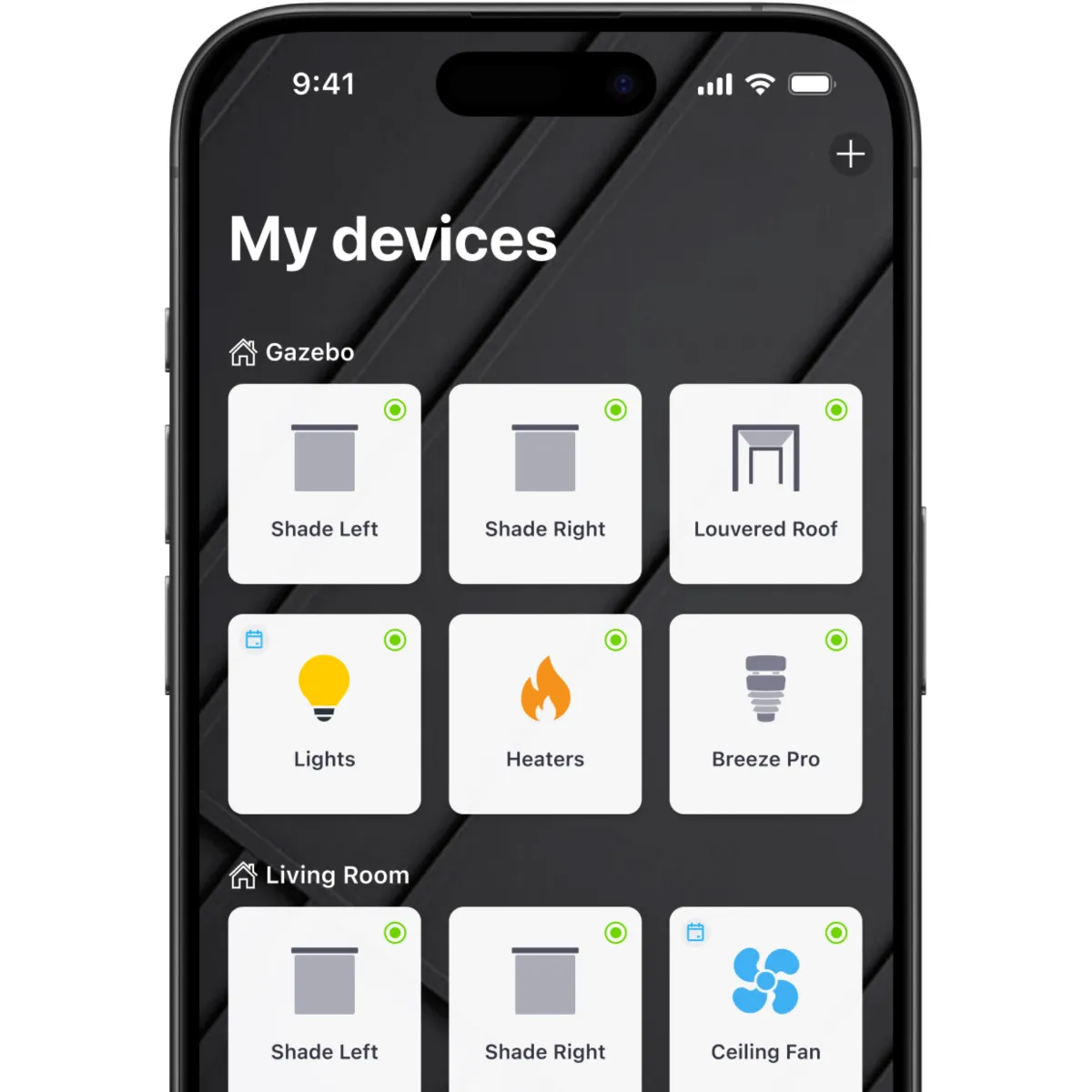
Selecting your preferred control method is effortless with MaxForce Hurricane Screens. Whether you choose handheld remotes, mobile apps, or smart home integration, our systems are designed to fit your lifestyle. No need to settle—just integrate and enjoy continuous, seamless operation 24/7. It's control on your terms, exactly when and where you need it.
IT'S AS EASY AS 1, 2, 3
Customize Your Screen
STEP ONE:
Choose Your Screen Color...
Backed by Twitchell’s OmegaTex fabric, our hurricane screens are engineered with ballistic-grade and enhanced fibers for maximum strength and durability. These fabrics aren’t just tough—they’re also UV-protected for long-lasting performance and crafted with aesthetics in mind. Choose from six elegant colors designed to complement the architecture of your home.
STEP TWO:
Choose Your Frame Color...
Choosing the right screen color is simple with . Our standard color selections are designed to blend seamlessly with your architecture and framework, offering a clean, cohesive look. For unique designs, custom powder coating is available to match any project. All finishes are marine-grade and infused with UV ray inhibitors—built to endure the elements and maintain their beauty for years to come.
STEP THREE:
3. Choose Your Control
Selecting your preferred control method is effortless with MaxForce Hurricane Screens. Whether you choose handheld remotes, mobile apps, or smart home integration, our systems are designed to fit your lifestyle. No need to settle—just integrate and enjoy continuous, seamless operation 24/7. It's control on your terms, exactly when and where you need it.
Your Vision Deserves
A Partner
Who Delivers...
MAXFORCE SEAMLESS
Smart Home Integration
BLEND SEAMLESSLY
Take Control - Smart Hub.
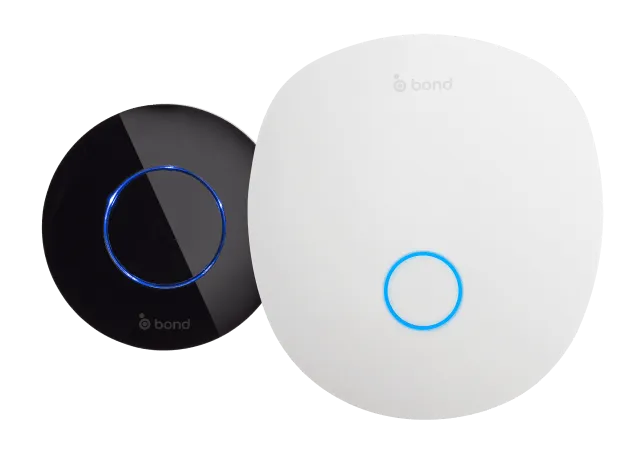
With the Bond Bridge Pro, managing your MaxForce Hurricane Screens is seamless and smart. This powerful integration allows you to open or close your screens from anywhere using your smartphone, voice assistant, or home automation system. Whether you're at home, at work, or away on vacation, control is always at your fingertips.
COMPATIBLE INTEGRATION


VOICE ACTIVATION ASSISTANTS



SMART MOTOR TECHNOLOGIES


Your Vision Deserves
A Partner
Who Delivers...
MAXFORCE SEAMLESS
Smart Home Integration
BLEND SEAMLESSLY
Take Control - Smart Hub.
With the Bond Bridge Pro, managing your MaxForce Hurricane Screens is seamless and smart. This powerful integration allows you to open or close your screens from anywhere using your smartphone, voice assistant, or home automation system. Whether you're at home, at work, or away on vacation, control is always at your fingertips.
COMPATIBLE INTEGRATION
VOICE ACTIVATION ASSISTANTS
SMART MOTOR TECHNOLOGIES
Integrity Matters
Where It's Made Matters
Integrity Matters
Where It's Made Matters
MAXFORCE PROVEN PROTECT
Engineered For Excellence
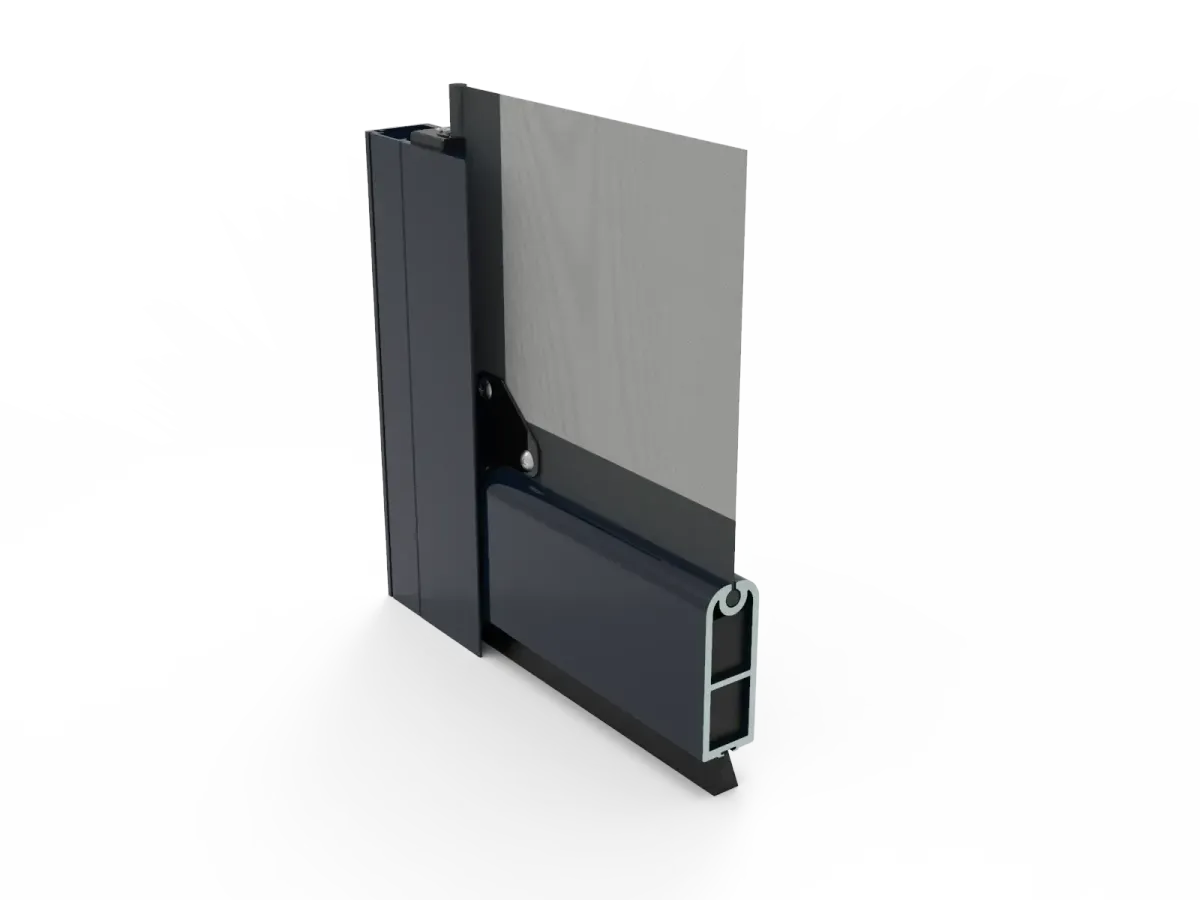
For nearly two decades MaxForce Hurricane Screens has manufactured hurricane screens to meet the most demanding building code, the High Velocity Hurricane Zone of Miami-Dade. The MaxForce track is our newest version of the fixed track we have used with great success for high wind applications all over the globe.
The benefits of a fixed track are unmatched strength - this is important when designing a screen system for hurricanes. When you want the strongest system available, and a proven veteran of many hurricanes, the MaxForce Hurricane Track is your best choice.
MAXFORCE PROVEN PROTECT
Engineered For Excellence
For nearly two decades MaxForce Hurricane Screens has manufactured hurricane screens to meet the most demanding building code, the High Velocity Hurricane Zone of Miami-Dade. The MaxForce track is our newest version of the fixed track we have used with great success for high wind applications all over the globe.
The benefits of a fixed track are unmatched strength - this is important when designing a screen system for hurricanes. When you want the strongest system available, and a proven veteran of many hurricanes, the MaxForce Hurricane Track is your best choice.
No blowouts. No rewraps. No frustration.
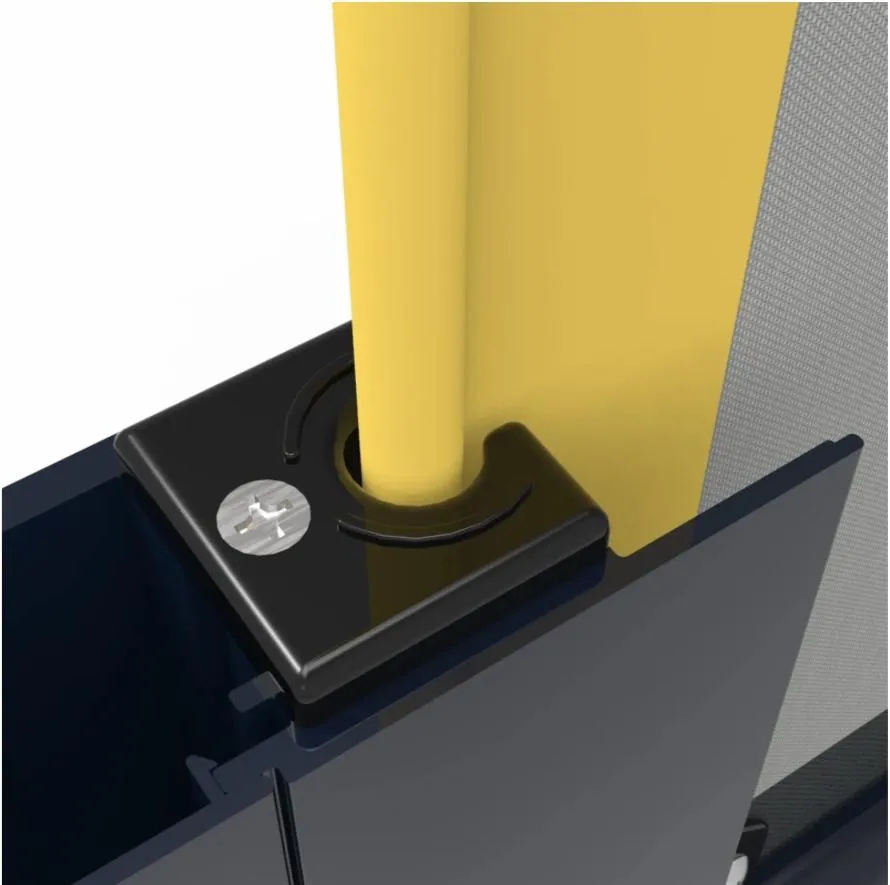
MaxForce is the only retractable screen system on the market designed to stay locked in the track—even in high winds. Smart motor senses resistance and adjusts seamlessly, allowing self-correction when the screen encounters an obstacle: Fewer snags, fewer jams, and fewer costly service calls.
No Zipper. No Cable. Just Simple Deployment
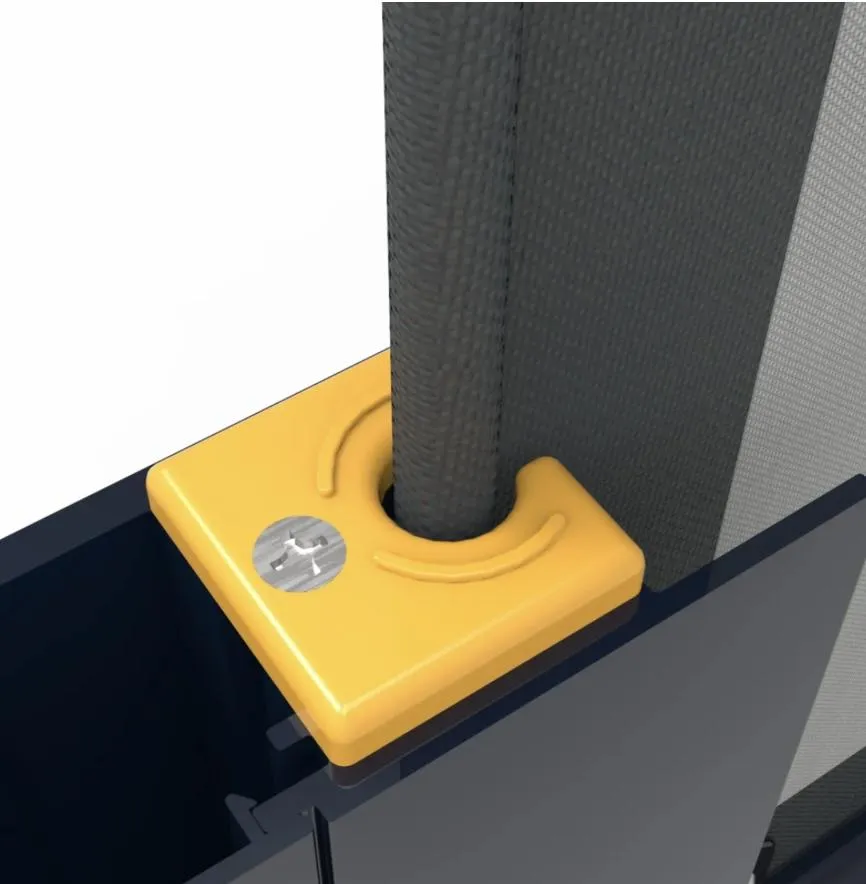
MaxForce Hurricane Screens pioneered Keder-edge technology in motorized screens, delivering unmatched durability and simplicity. Borrowed from sailboat rigging, this system eliminates zippers, cables, and exposed hardware—ensuring smooth, reliable operation every time.
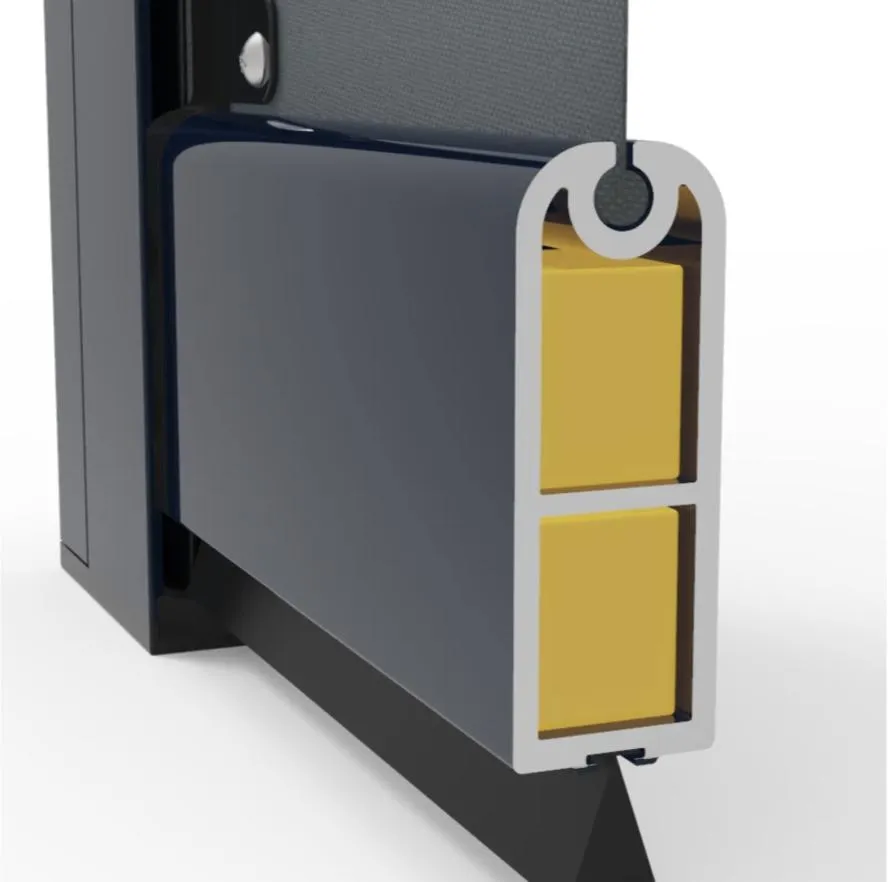
Heavy Duty
The MaxForce weight bar is engineered for strength—and built to hold its ground. Pound for pound, it’s the heaviest and most robust weight bar in the industry. This ensures proper screen tension, flawless deployment, and maximum stability in high wind zones. —limited flex, no failure.
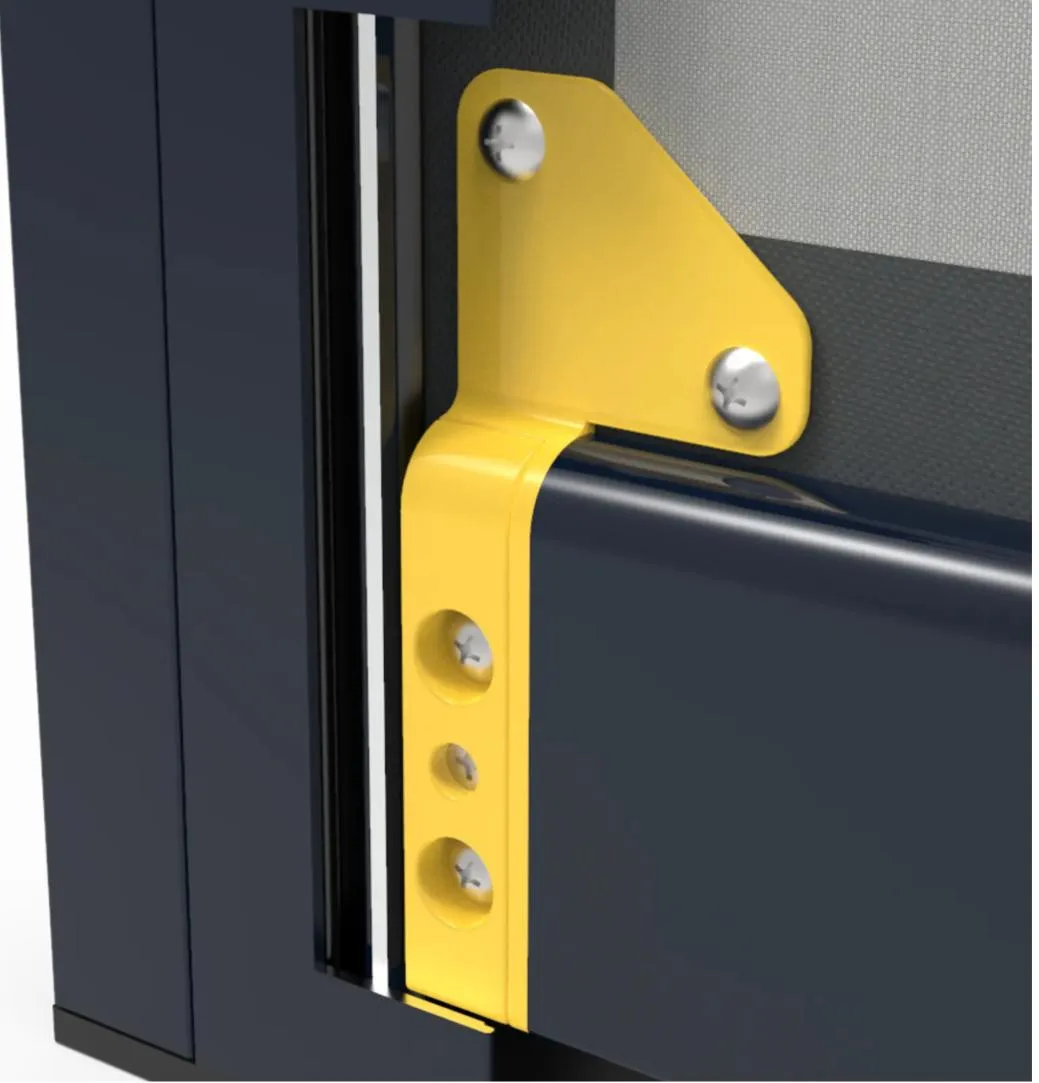
Reinforced Corners
MaxForce’s heavy-duty weight bar isn’t just strong. It’s smart. Reinforced corners and integrated tie-ins create a unified structure that acts like a solid wall of protection when deployed. Made from high-strength nylon, this bar absorbs impacts while maintaining structural integrity.
No blowouts. No rewraps. No frustration.
MaxForce is the only retractable screen system on the market designed to stay locked in the track—even in high winds. Smart motor senses resistance and adjusts seamlessly, allowing self-correction when the screen encounters an obstacle: Fewer snags, fewer jams, and fewer costly service calls.
No Zipper. No Cable. Just Simple Deployment
MaxForce Hurricane Screens pioneered Keder-edge technology in motorized screens, delivering unmatched durability and simplicity. Borrowed from sailboat rigging, this system eliminates zippers, cables, and exposed hardware—ensuring smooth, reliable operation every time.
Heavy Duty
The MaxForce weight bar is engineered for strength—and built to hold its ground. Pound for pound, it’s the heaviest and most robust weight bar in the industry. This ensures proper screen tension, flawless deployment, and maximum stability in high wind zones. —limited flex, no failure.
Reinforced Corners
MaxForce’s heavy-duty weight bar isn’t just strong. It’s smart. Reinforced corners and integrated tie-ins create a unified structure that acts like a solid wall of protection when deployed. Made from high-strength nylon, this bar absorbs impacts while maintaining structural integrity.
Your Vision Deserves
A Partner,
Not Just A Vendor
AMERICAN INGENUITY
Made in the USA.
Proudly Made in the USA—every MaxForce Hurricane Screen is built with American strength, precision, and pride. From the smallest components to the final assembly, our materials are sourced and manufactured right here in the United States. No outsourcing. No compromises. Just hardworking Americans protecting American homes with the toughest screen system on the market.
Your Vision Deserves
A Partner,
Not Just A Vendor
AMERICAN INGENUITY
Made in the USA.
Proudly Made in the USA—every MaxForce Hurricane Screen is built with American strength, precision, and pride. From the smallest components to the final assembly, our materials are sourced and manufactured right here in the United States. No outsourcing. No compromises. Just hardworking Americans protecting American homes with the toughest screen system on the market.
CONSISTENCY.
Quality Made. Professional Installation....
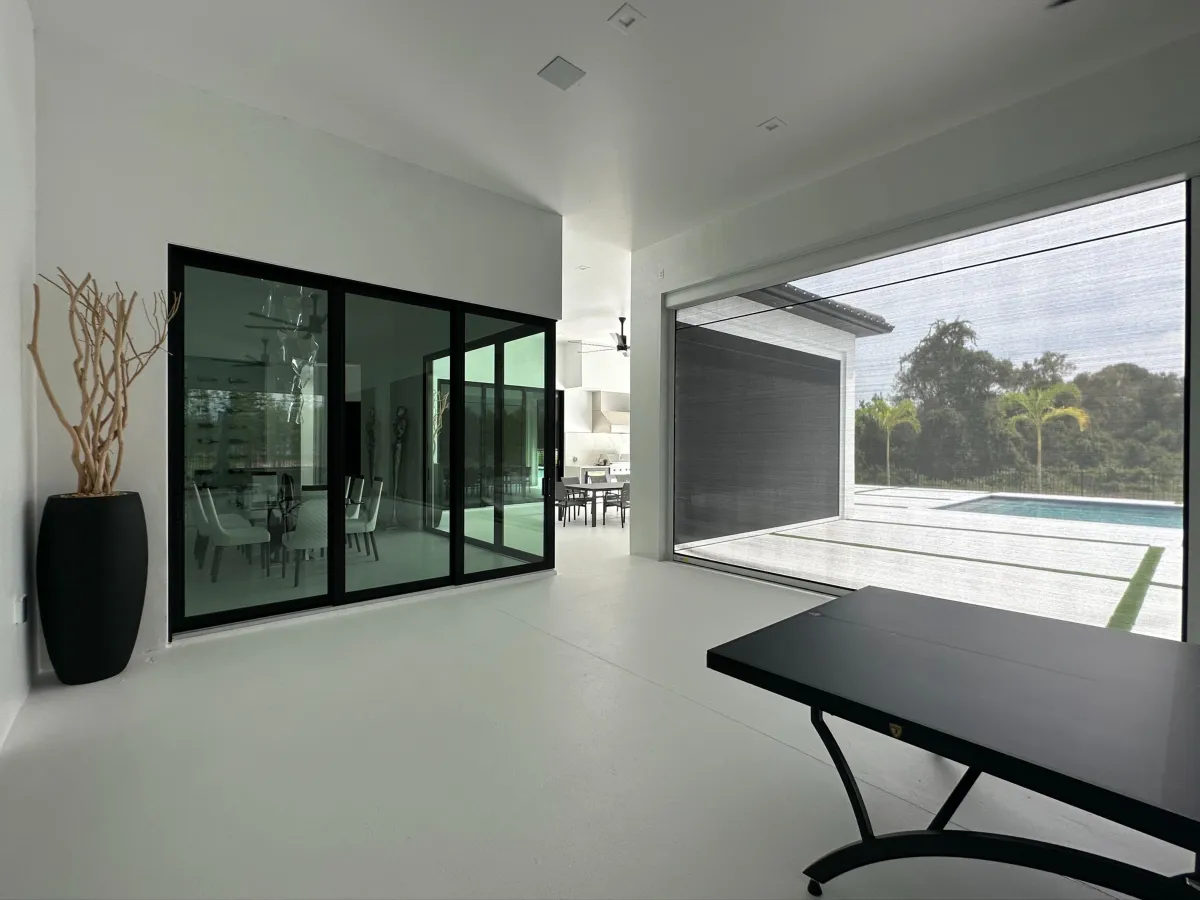
At FL OUTDOOR, quality isn’t a buzzword—it’s a promise. Every MaxForce Hurricane Screens system we install is a product of precision engineering and world-class American manufacturing, built to perform under pressure and look flawless doing it.
We are highly trained professionals who treat your home like their own. From laser-accurate measurements to clean, detail-focused installations, we don’t cut corners—we define them.
CONSISTENCY.
Quality Made. Professional Installation....
At FL OUTDOOR, quality isn’t a buzzword—it’s a promise. Every MaxForce Hurricane Screens system we install is a product of precision engineering and world-class American manufacturing, built to perform under pressure and look flawless doing it.
We are highly trained professionals who treat your home like their own. From laser-accurate measurements to clean, detail-focused installations, we don’t cut corners—we define them.
See What Our Customers Are Saying About Us
See What Our Customers Are Saying About Us
BEYOND
The Here & Now
BEYOND
The Here & Now
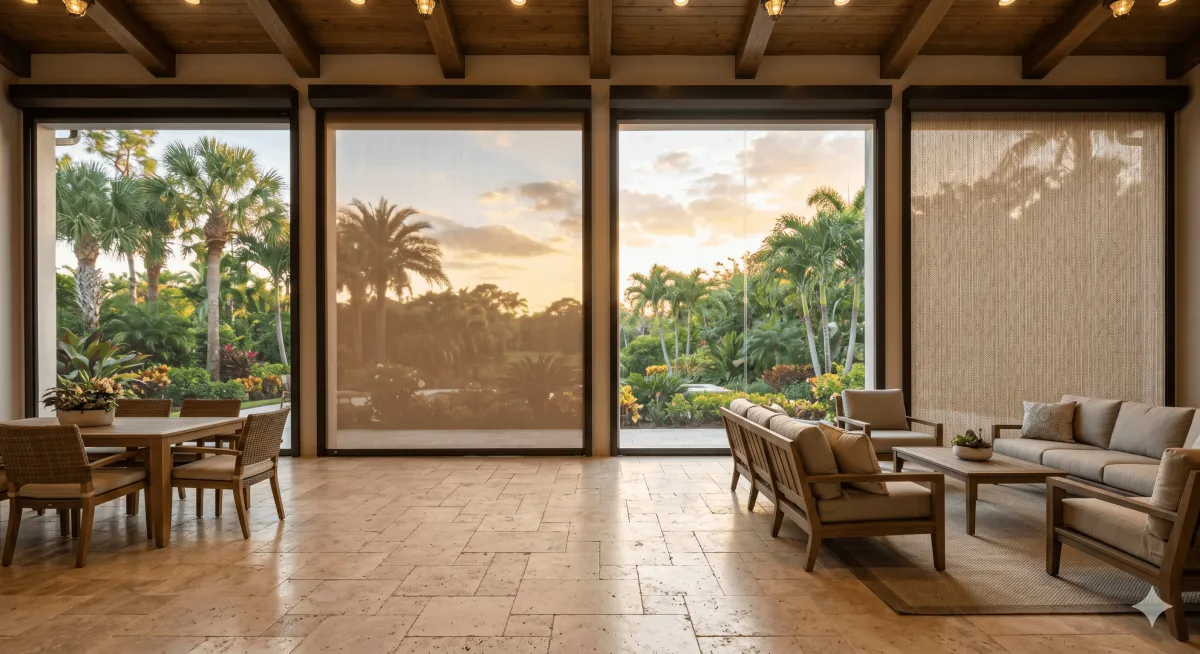
Motorized Screen Types Florida: Insect, Solar, Vinyl, Hurricane
Insect, Solar, Clear Vinyl, or Hurricane — Which Motorized Screen Your Florida Home Actually Needs
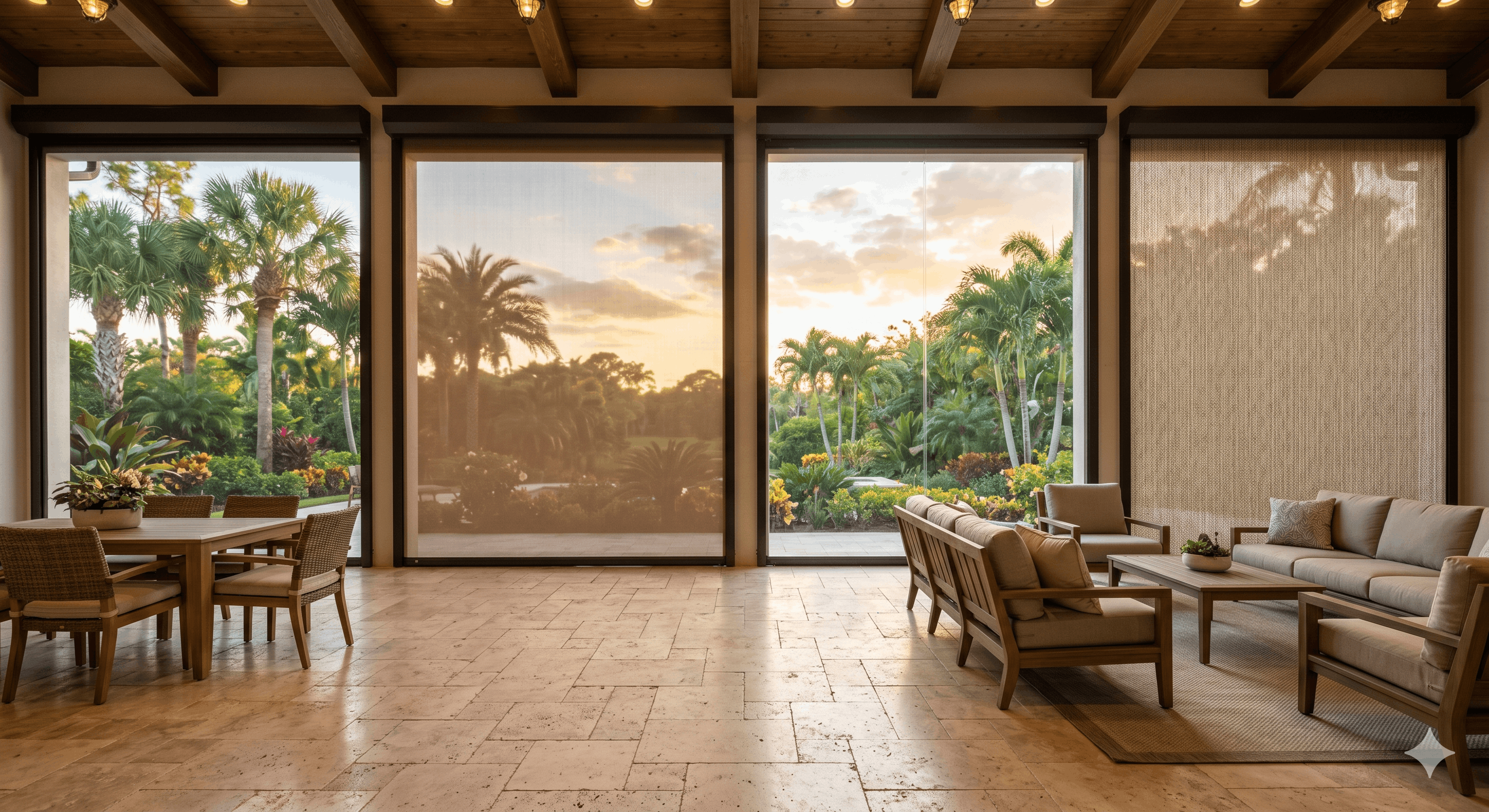
MagnaTrack offers four screen types — insect mesh, solar shade, clear vinyl, and hurricane Defender — and the right choice for your Florida home depends on which problem you're trying to solve most: bugs, heat and UV, rain and wind, or storm-season continuity. Most homeowners assume they need the cheapest tier (insect) and discover within a year that their real pain was solar. Some install insect on a west-facing lanai and rebuy in a different fabric twelve months later. Picking the right type on the first install — matched to exposure, orientation, and the specific pain driving the decision — is the difference between a single install that works and a two-install cycle that costs twice.
All four screens run on the same MagnaTrack magnetic-track housing. The hardware is shared. What changes is the fabric and — at the Defender tier — the reinforcement channel. So the question isn't which system. It's which fabric, for which opening, solving which problem.
The Four Types at a Glance
Screen Type
1. Insect mesh
2. Solar / shade
3.Clear vinyl
4.Hurricane Defender
Best For
1.Bugs, privacy, airflow
2.Heat, UV, furniture fade
3.Wind, rain, three-season use
4.Cat-5 storms, code compliance
Price Range
1.$3,500 – $5,500
2.$4,500 – $7,500
3.$5,500 – $9,000
4.$8,500 – $15,500
Key Limitation
1.No heat or UV protection
2.Not rain-proof, not storm-rated
3.Not hurricane-rated
4.Highest price; premium tier
The rest of this blog unpacks each type — what it does, what it doesn't do, and when it's the wrong answer — so you can pick with confidence before you run the residential calculator.
Start Here: What Problem Brought You to Shopping?
The trigger event — the specific thing that made you start researching motorized screens — is the most reliable signal for which type you actually need. Match yours to the list below.
Dusk mosquitoes ruining the last hour of outdoor time. Start with insect mesh. If your lanai is mostly shaded and your primary pain is bugs from dusk onward, you may not need more.
A west-facing patio too hot to use from 2 to 6 p.m. in summer. Start with solar. Insect mesh will not solve heat; the sun will pass straight through it. Solar at 90% or 95% opacity will drop under-screen temperature by 10 to 20 degrees.
A rainstorm drove your dinner party inside last month. Start with clear vinyl. Insect and solar are not rain-proof; they pass water at any meaningful intensity. Clear vinyl converts the space into a wind- and rain-proof room.
A storm-season close call, or your insurance asking for wind mitigation. Start with Defender. It's the only one of the four with a Cat-5 rating, Florida Product Approval, and insurance / grant eligibility.
If two triggers apply — bugs AND heat, rain AND hurricanes — read on. Most Florida homes spec two types on different openings.
Insect Screen:
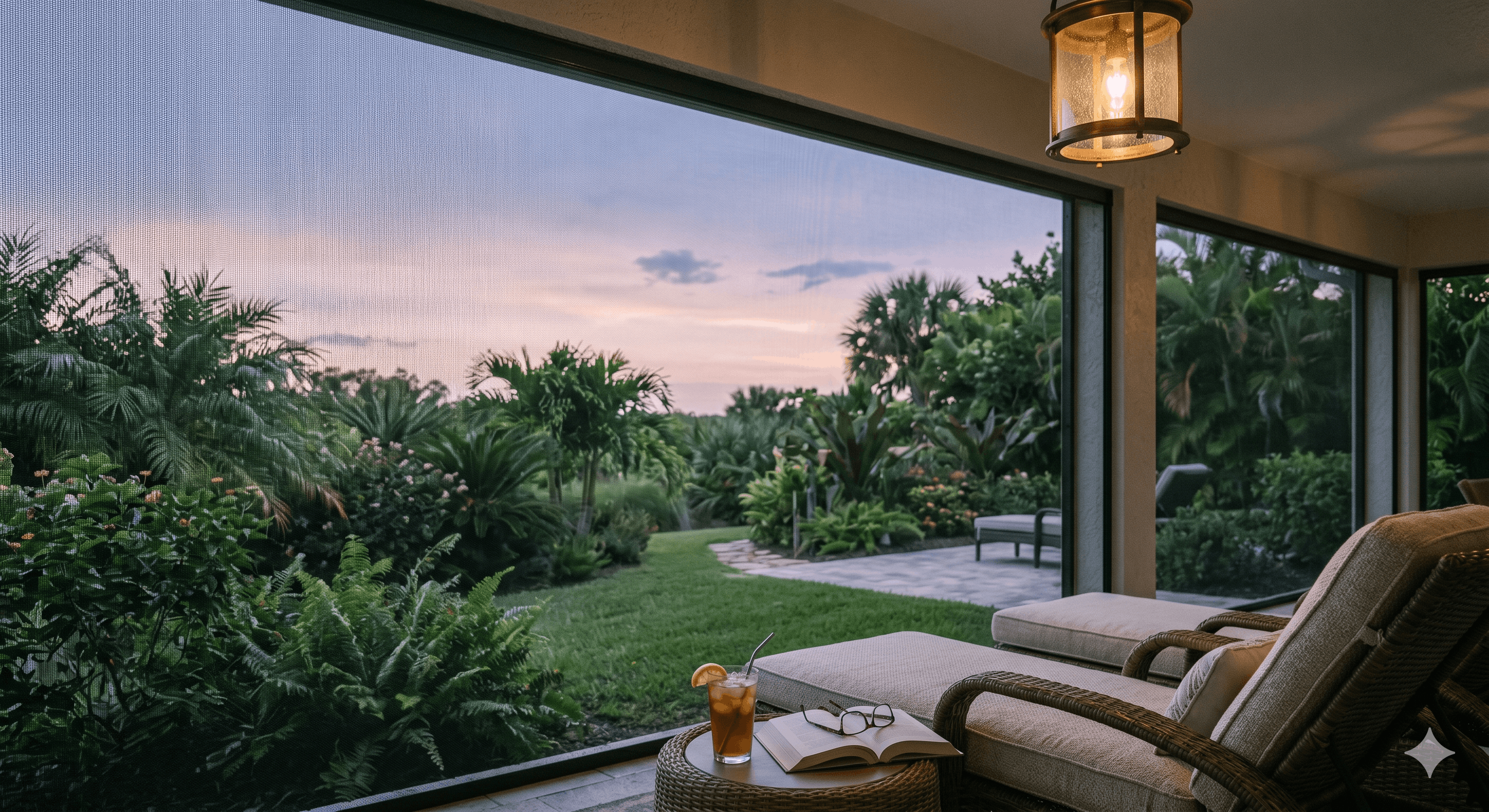
When Bugs Are the Only Problem
Polyester or fiberglass mesh woven tightly enough to block mosquitoes, no-see-ums, and the larger insects that populate a Florida dusk. Airflow passes through. Outward visibility stays high. Price tier is the most accessible of the four at $3,500 to $5,500 per unit installed on a typical opening.
Best for: Shaded north-facing or east-facing lanais where heat isn't a driver, covered patios under heavy tree canopy, second-story balconies where the ground-level bug pressure is the main issue.
Not best for: West-facing or south-facing exposures with 4+ hours of direct summer sun. The mesh passes heat at full intensity — the bugs stay out, but the space stays uncomfortable. Homeowners who specify insect on a sunny lanai often rebuy solar within eighteen months.
Common mistake: Assuming insect is enough because it's the least expensive tier. Solar mesh also blocks bugs. So does Defender. Insect is the right answer when heat, rain, and storm are genuinely not concerns. Most Florida homeowners have at least one of those.
Solar Screen: When Heat and UV Are the Problem
Woven solar fabric that blocks 80% to 97% of UV rays depending on opacity, reduces ambient temperature under the screen by 10 to 20 degrees depending on orientation, and continues to block bugs as a secondary benefit. Four opacity levels — 80%, 90%, 95%, 99% — let homeowners tune the tradeoff between heat rejection and outward view. Price tier runs $4,500 to $7,500 per unit.
The opacity decision. 80% opacity preserves the most outward view and still cuts a meaningful percentage of UV and heat. 90% is the common residential middle. 95% to 99% reads closer to a soft wall — maximum comfort, minimum view. For a lanai you want to use as an outdoor room and still see the yard from, 90% is usually right. For a heat-miserable west-facing afternoon, 95% often wins.
Best for: West-facing and south-facing lanais with 4+ hours of summer direct sun, homes with outdoor furniture fading faster than the owners expected, poolside patios where UV reduction matters for skin and upholstery, homeowners whose pain is “can't use the patio between 2 and 6 p.m.”
Not best for: Fully shaded openings with no direct sun (insect will do the same work for less). Homeowners whose real pain is rain, not heat (vinyl is the answer). Hurricane-zone homeowners who also want storm protection under the same screen (Defender solves both).
Worth knowing: Solar fabric comes from multiple manufacturers — Sunbrella, Soltis, and similar — at different price points. The fabric brand materially affects longevity. A certified dealer will specify the brand in the quote; a non-certified installer usually won't.
Clear Vinyl Screen: When You Want the Lanai as a Year-Round Room
PVC or reinforced vinyl panels that convert the lanai into a wind-proof, rain-proof enclosure — without the fixed walls of a screen room or the permit cost of a sunroom addition. Clear vinyl is the tier that turns a seasonal patio into a year-round extension of the interior. Temperature inside runs about 10 degrees off ambient with no mechanical heating or cooling. Add a ceiling fan and a space heater and the shoulder months become productive. Price tier runs $5,500 to $9,000 per unit.
What vinyl does differently. Insect and solar pass water. Vinyl does not. A rainstorm that would have ended an outdoor dinner under insect or solar continues under vinyl, uninterrupted. Wind gusts that would have knocked over candles under insect or solar are dampened under vinyl. The space functions closer to an enclosed porch than a screened one.
Best for: Homeowners whose primary pain is rain and wind rather than bugs or heat, waterfront homes exposed to lake or ocean breezes, homes where the lanai is furnished like an interior room, restaurant-style entertaining that has to continue through weather. Also the tier most specified for restaurant and venue commercial applications (we cover commercial use in the commercial track of this series).
Not best for: Hurricane protection — vinyl is not Cat-5 rated and should be retracted before major storms. Pure UV-reduction needs — clear vinyl does less UV work than solar fabric. Maximum airflow — vinyl reduces cross-ventilation compared to mesh.
Worth knowing: Seam quality matters. Radio-frequency welded vinyl seams outlast stitched seams by years. A certified dealer will specify RF welding in the quote.
Hurricane Defender:
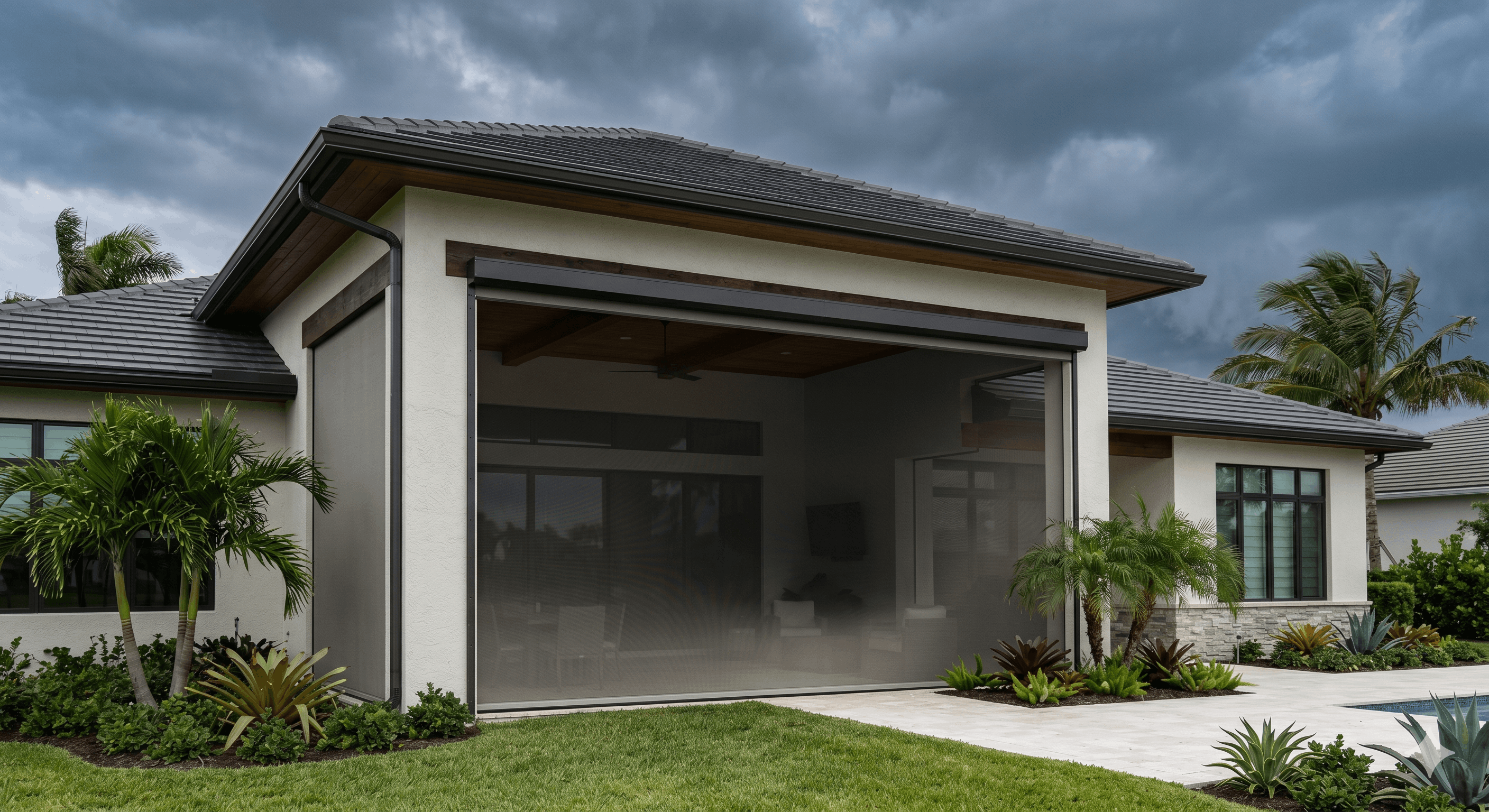
The Only Tier Rated for Storms
The Defender Storm System uses a proprietary fabric — high-tenacity PET woven with Aramid (Kevlar) core yarns, encapsulated in vinyl — running on a reinforced MagnaTrack channel. It carries Florida Product Approval number F30798, meets or exceeds Miami-Dade and Florida Building Code hurricane requirements, and is rated to withstand wind exceeding 156 mph. That's Category 5, with debris impact protection. Price tier runs $8,500 to $15,500 per unit depending on opening size and configuration.
What Defender does that the other three don't. Qualifies as opening protection for insurance wind-mitigation discounts statewide. Qualifies as eligible opening protection under the My Safe Florida Home grant program (up to $10,000 for eligible homeowners, installed by a program-registered contractor). Deploys in under a minute on storm approach. Provides year-round daily use as a solar, insect, and privacy screen between storms.
Best for: Coastal Florida homes, HVHZ county homes (Miami-Dade, Broward), homeowners carrying wind-mitigation insurance who want the opening-protection credit, homeowners whose insurance premium is rising, homes in inland hurricane paths where major storm winds reach 100+ mph. Also homeowners who want to install one screen type that does bugs + heat + rain + storm on the largest opening.
Not best for: Budget-constrained installs on small openings where storm protection isn't a concern — Defender is the highest-price tier and the math works best on larger openings or homeowners who capture the grant and insurance offsets. Homes too far inland for meaningful hurricane exposure may find solar or vinyl covers the actual use pattern at lower cost.
Worth knowing: The My Safe Florida Home grant has specific eligibility — homestead, pre-2008 building permit, insured value at or below $700,000 (low-income applicants exempt from the value cap), active homeowners insurance. The grant blog later in this series runs the math in detail.
Can You Combine Types? Yes — Here's How
Many Florida homeowners install two or three different screen types across different openings on the same property. The housing is identical across all tiers, so the architectural appearance stays consistent even when fabrics differ. Common combinations:
Solar on the west and south openings, insect on the east and north. Matches fabric to exposure. Most common mid-tier combination.
Defender on the main opening, solar on secondary openings. Captures storm protection and insurance credit on the largest opening while keeping secondary-opening cost lower. Common in Broward and Palm Beach.
Clear vinyl on the dining opening, insect or solar elsewhere. For homeowners who entertain outdoors and want weather-proof continuity on the most-used opening. Common in waterfront homes.
The residential calculator handles mixed-type installs. Input each opening separately, select the fabric for each, and the output gives you a full-project number.
Your Next Step — The Calculator
The residential calculator at floridalivingoutdoor.com/residential-design starts with screen-type selection. Once you've matched your primary pain to one of the four types using this guide, the calculator returns a budget range within fifteen minutes. No sales call, no email required to see the number.
Frequently Asked Questions
What's the difference between insect and solar motorized screens?
Insect screens use polyester or fiberglass mesh that blocks bugs while preserving airflow and visibility. They don't block heat or UV. Solar screens use a woven fabric that blocks 80% to 97% of UV rays and reduces under-screen temperature by 10 to 20 degrees depending on opacity and orientation. Solar also blocks bugs. If your primary pain is heat on a south or west-facing lanai, solar outperforms insect on every dimension except the cheapest purchase price.
Can I use clear vinyl motorized screens year-round in Florida?
Yes, with two caveats. Clear vinyl converts the lanai into a three-season enclosure — fully usable through spring, fall, and winter, and usable in summer with ceiling fans or portable AC. Vinyl is not hurricane-rated and should be retracted before major storm events. If you want year-round usability including hurricane-season deployment, Defender is the right tier.
Do I need hurricane screens if I'm not on the coast?
It depends on your insurance posture, your home's age and construction, and your proximity to major hurricane tracks. Inland Central Florida homes still see 100+ mph winds in major hurricanes. Insurance wind-mitigation discounts apply to Defender-rated opening protection statewide, and the My Safe Florida Home grant is statewide. Defender is not only a coastal product.
Which MagnaTrack screen type is most popular in Florida?
Solar/shade is the most common first install for homeowners with existing bug problems who also have heat-exposed lanais. Insect is the most common install for fully-shaded lanais where heat isn't the driver. Hurricane Defender is the most common install in HVHZ counties (Miami-Dade, Broward) and for homeowners combining storm protection with year-round use.
Can I install different motorized screen types on the same lanai?
Yes. Many Florida homeowners spec solar on west and south openings, insect on the shaded east or north openings, and Defender on the larger main opening for storm protection. All four types run on the same MagnaTrack housing, so the architectural appearance stays consistent even when fabrics differ. The calculator handles mixed-type installs.
Are solar motorized screens dark?
Less than most homeowners expect. Solar screens come in four opacity levels — 80%, 90%, 95%, and 99%. At 80% opacity, outward view is largely preserved and the space reads as gently shaded. At 99% opacity, the screen reads as a soft wall with minimal outward view but maximum UV rejection. Most residential installs land at 90% to 95% as the usable middle ground.
Can hurricane Defender screens block bugs and heat year-round?
Yes. Defender's high-tenacity PET and Aramid core fabric also blocks insects and reduces UV and heat, meaning the screen works as a year-round bug and sun barrier when a storm isn't the concern. This is why Defender is a single-product solution for homeowners who want storm protection without installing a second motorized screen system for daily use.
Florida Living Outdoor is a MagnaTrack Authorized Dealer serving Central and South Florida. Veteran-owned. Owner-operated. Run your residential calculator to price your opening across any of the four screen types — no sales call required.
BEYOND
The Here & Now
BEYOND
The Here & Now
Motorized Screen Types Florida: Insect, Solar, Vinyl, Hurricane
Insect, Solar, Clear Vinyl, or Hurricane — Which Motorized Screen Your Florida Home Actually Needs
MagnaTrack offers four screen types — insect mesh, solar shade, clear vinyl, and hurricane Defender — and the right choice for your Florida home depends on which problem you're trying to solve most: bugs, heat and UV, rain and wind, or storm-season continuity. Most homeowners assume they need the cheapest tier (insect) and discover within a year that their real pain was solar. Some install insect on a west-facing lanai and rebuy in a different fabric twelve months later. Picking the right type on the first install — matched to exposure, orientation, and the specific pain driving the decision — is the difference between a single install that works and a two-install cycle that costs twice.
All four screens run on the same MagnaTrack magnetic-track housing. The hardware is shared. What changes is the fabric and — at the Defender tier — the reinforcement channel. So the question isn't which system. It's which fabric, for which opening, solving which problem.
The Four Types at a Glance
Screen Type
1. Insect mesh
2. Solar / shade
3.Clear vinyl
4.Hurricane Defender
Best For
1.Bugs, privacy, airflow
2.Heat, UV, furniture fade
3.Wind, rain, three-season use
4.Cat-5 storms, code compliance
Price Range
1.$3,500 – $5,500
2.$4,500 – $7,500
3.$5,500 – $9,000
4.$8,500 – $15,500
Key Limitation
1.No heat or UV protection
2.Not rain-proof, not storm-rated
3.Not hurricane-rated
4.Highest price; premium tier
The rest of this blog unpacks each type — what it does, what it doesn't do, and when it's the wrong answer — so you can pick with confidence before you run the residential calculator.
Start Here: What Problem Brought You to Shopping?
The trigger event — the specific thing that made you start researching motorized screens — is the most reliable signal for which type you actually need. Match yours to the list below.
Dusk mosquitoes ruining the last hour of outdoor time. Start with insect mesh. If your lanai is mostly shaded and your primary pain is bugs from dusk onward, you may not need more.
A west-facing patio too hot to use from 2 to 6 p.m. in summer. Start with solar. Insect mesh will not solve heat; the sun will pass straight through it. Solar at 90% or 95% opacity will drop under-screen temperature by 10 to 20 degrees.
A rainstorm drove your dinner party inside last month. Start with clear vinyl. Insect and solar are not rain-proof; they pass water at any meaningful intensity. Clear vinyl converts the space into a wind- and rain-proof room.
A storm-season close call, or your insurance asking for wind mitigation. Start with Defender. It's the only one of the four with a Cat-5 rating, Florida Product Approval, and insurance / grant eligibility.
If two triggers apply — bugs AND heat, rain AND hurricanes — read on. Most Florida homes spec two types on different openings.
Insect Screen:
When Bugs Are the Only Problem
Polyester or fiberglass mesh woven tightly enough to block mosquitoes, no-see-ums, and the larger insects that populate a Florida dusk. Airflow passes through. Outward visibility stays high. Price tier is the most accessible of the four at $3,500 to $5,500 per unit installed on a typical opening.
Best for: Shaded north-facing or east-facing lanais where heat isn't a driver, covered patios under heavy tree canopy, second-story balconies where the ground-level bug pressure is the main issue.
Not best for: West-facing or south-facing exposures with 4+ hours of direct summer sun. The mesh passes heat at full intensity — the bugs stay out, but the space stays uncomfortable. Homeowners who specify insect on a sunny lanai often rebuy solar within eighteen months.
Common mistake: Assuming insect is enough because it's the least expensive tier. Solar mesh also blocks bugs. So does Defender. Insect is the right answer when heat, rain, and storm are genuinely not concerns. Most Florida homeowners have at least one of those.
Solar Screen: When Heat and UV Are the Problem
Woven solar fabric that blocks 80% to 97% of UV rays depending on opacity, reduces ambient temperature under the screen by 10 to 20 degrees depending on orientation, and continues to block bugs as a secondary benefit. Four opacity levels — 80%, 90%, 95%, 99% — let homeowners tune the tradeoff between heat rejection and outward view. Price tier runs $4,500 to $7,500 per unit.
The opacity decision. 80% opacity preserves the most outward view and still cuts a meaningful percentage of UV and heat. 90% is the common residential middle. 95% to 99% reads closer to a soft wall — maximum comfort, minimum view. For a lanai you want to use as an outdoor room and still see the yard from, 90% is usually right. For a heat-miserable west-facing afternoon, 95% often wins.
Best for: West-facing and south-facing lanais with 4+ hours of summer direct sun, homes with outdoor furniture fading faster than the owners expected, poolside patios where UV reduction matters for skin and upholstery, homeowners whose pain is “can't use the patio between 2 and 6 p.m.”
Not best for: Fully shaded openings with no direct sun (insect will do the same work for less). Homeowners whose real pain is rain, not heat (vinyl is the answer). Hurricane-zone homeowners who also want storm protection under the same screen (Defender solves both).
Worth knowing: Solar fabric comes from multiple manufacturers — Sunbrella, Soltis, and similar — at different price points. The fabric brand materially affects longevity. A certified dealer will specify the brand in the quote; a non-certified installer usually won't.
Clear Vinyl Screen: When You Want the Lanai as a Year-Round Room
PVC or reinforced vinyl panels that convert the lanai into a wind-proof, rain-proof enclosure — without the fixed walls of a screen room or the permit cost of a sunroom addition. Clear vinyl is the tier that turns a seasonal patio into a year-round extension of the interior. Temperature inside runs about 10 degrees off ambient with no mechanical heating or cooling. Add a ceiling fan and a space heater and the shoulder months become productive. Price tier runs $5,500 to $9,000 per unit.
What vinyl does differently. Insect and solar pass water. Vinyl does not. A rainstorm that would have ended an outdoor dinner under insect or solar continues under vinyl, uninterrupted. Wind gusts that would have knocked over candles under insect or solar are dampened under vinyl. The space functions closer to an enclosed porch than a screened one.
Best for: Homeowners whose primary pain is rain and wind rather than bugs or heat, waterfront homes exposed to lake or ocean breezes, homes where the lanai is furnished like an interior room, restaurant-style entertaining that has to continue through weather. Also the tier most specified for restaurant and venue commercial applications (we cover commercial use in the commercial track of this series).
Not best for: Hurricane protection — vinyl is not Cat-5 rated and should be retracted before major storms. Pure UV-reduction needs — clear vinyl does less UV work than solar fabric. Maximum airflow — vinyl reduces cross-ventilation compared to mesh.
Worth knowing: Seam quality matters. Radio-frequency welded vinyl seams outlast stitched seams by years. A certified dealer will specify RF welding in the quote.
Hurricane Defender:
The Only Tier Rated for Storms
The Defender Storm System uses a proprietary fabric — high-tenacity PET woven with Aramid (Kevlar) core yarns, encapsulated in vinyl — running on a reinforced MagnaTrack channel. It carries Florida Product Approval number F30798, meets or exceeds Miami-Dade and Florida Building Code hurricane requirements, and is rated to withstand wind exceeding 156 mph. That's Category 5, with debris impact protection. Price tier runs $8,500 to $15,500 per unit depending on opening size and configuration.
What Defender does that the other three don't. Qualifies as opening protection for insurance wind-mitigation discounts statewide. Qualifies as eligible opening protection under the My Safe Florida Home grant program (up to $10,000 for eligible homeowners, installed by a program-registered contractor). Deploys in under a minute on storm approach. Provides year-round daily use as a solar, insect, and privacy screen between storms.
Best for: Coastal Florida homes, HVHZ county homes (Miami-Dade, Broward), homeowners carrying wind-mitigation insurance who want the opening-protection credit, homeowners whose insurance premium is rising, homes in inland hurricane paths where major storm winds reach 100+ mph. Also homeowners who want to install one screen type that does bugs + heat + rain + storm on the largest opening.
Not best for: Budget-constrained installs on small openings where storm protection isn't a concern — Defender is the highest-price tier and the math works best on larger openings or homeowners who capture the grant and insurance offsets. Homes too far inland for meaningful hurricane exposure may find solar or vinyl covers the actual use pattern at lower cost.
Worth knowing: The My Safe Florida Home grant has specific eligibility — homestead, pre-2008 building permit, insured value at or below $700,000 (low-income applicants exempt from the value cap), active homeowners insurance. The grant blog later in this series runs the math in detail.
Can You Combine Types? Yes — Here's How
Many Florida homeowners install two or three different screen types across different openings on the same property. The housing is identical across all tiers, so the architectural appearance stays consistent even when fabrics differ. Common combinations:
Solar on the west and south openings, insect on the east and north. Matches fabric to exposure. Most common mid-tier combination.
Defender on the main opening, solar on secondary openings. Captures storm protection and insurance credit on the largest opening while keeping secondary-opening cost lower. Common in Broward and Palm Beach.
Clear vinyl on the dining opening, insect or solar elsewhere. For homeowners who entertain outdoors and want weather-proof continuity on the most-used opening. Common in waterfront homes.
The residential calculator handles mixed-type installs. Input each opening separately, select the fabric for each, and the output gives you a full-project number.
Your Next Step — The Calculator
The residential calculator at floridalivingoutdoor.com/residential-design starts with screen-type selection. Once you've matched your primary pain to one of the four types using this guide, the calculator returns a budget range within fifteen minutes. No sales call, no email required to see the number.
Frequently Asked Questions
What's the difference between insect and solar motorized screens?
Insect screens use polyester or fiberglass mesh that blocks bugs while preserving airflow and visibility. They don't block heat or UV. Solar screens use a woven fabric that blocks 80% to 97% of UV rays and reduces under-screen temperature by 10 to 20 degrees depending on opacity and orientation. Solar also blocks bugs. If your primary pain is heat on a south or west-facing lanai, solar outperforms insect on every dimension except the cheapest purchase price.
Can I use clear vinyl motorized screens year-round in Florida?
Yes, with two caveats. Clear vinyl converts the lanai into a three-season enclosure — fully usable through spring, fall, and winter, and usable in summer with ceiling fans or portable AC. Vinyl is not hurricane-rated and should be retracted before major storm events. If you want year-round usability including hurricane-season deployment, Defender is the right tier.
Do I need hurricane screens if I'm not on the coast?
It depends on your insurance posture, your home's age and construction, and your proximity to major hurricane tracks. Inland Central Florida homes still see 100+ mph winds in major hurricanes. Insurance wind-mitigation discounts apply to Defender-rated opening protection statewide, and the My Safe Florida Home grant is statewide. Defender is not only a coastal product.
Which MagnaTrack screen type is most popular in Florida?
Solar/shade is the most common first install for homeowners with existing bug problems who also have heat-exposed lanais. Insect is the most common install for fully-shaded lanais where heat isn't the driver. Hurricane Defender is the most common install in HVHZ counties (Miami-Dade, Broward) and for homeowners combining storm protection with year-round use.
Can I install different motorized screen types on the same lanai?
Yes. Many Florida homeowners spec solar on west and south openings, insect on the shaded east or north openings, and Defender on the larger main opening for storm protection. All four types run on the same MagnaTrack housing, so the architectural appearance stays consistent even when fabrics differ. The calculator handles mixed-type installs.
Are solar motorized screens dark?
Less than most homeowners expect. Solar screens come in four opacity levels — 80%, 90%, 95%, and 99%. At 80% opacity, outward view is largely preserved and the space reads as gently shaded. At 99% opacity, the screen reads as a soft wall with minimal outward view but maximum UV rejection. Most residential installs land at 90% to 95% as the usable middle ground.
Can hurricane Defender screens block bugs and heat year-round?
Yes. Defender's high-tenacity PET and Aramid core fabric also blocks insects and reduces UV and heat, meaning the screen works as a year-round bug and sun barrier when a storm isn't the concern. This is why Defender is a single-product solution for homeowners who want storm protection without installing a second motorized screen system for daily use.
Florida Living Outdoor is a MagnaTrack Authorized Dealer serving Central and South Florida. Veteran-owned. Owner-operated. Run your residential calculator to price your opening across any of the four screen types — no sales call required.
COMPANY
MOTORIZED SCREENS
SHADE SOLUTIONS
FENCING & LIGHTING
DESIGN IDEAS
SUPPORT



Copyright 2026. FL OUTDOOR. All Rights Reserved.
Powered and Built By