


The Worlds Toughest Hurricane Screen
Tried | True | Tested.
PROTECTION THAT PERFORM
No Blowouts. No Rewraps. No Compromise....
MaxForce Hurricane Screens are the result of years of real-world testing, research, and engineering refinement. Built to withstand the harshest conditions without sacrificing aesthetics, they offer maximum protection for your patio or lanai with hurricane-rated performance.
Tested, Trusted, Proven, and Never compromised—these screens are built for the long haul:

PROTECTION THAT PERFORM
No Blowouts. No Rewraps. No Compromise....
MaxForce Hurricane Screens are the result of years of real-world testing, research, and engineering refinement. Built to withstand the harshest conditions without sacrificing aesthetics, they offer maximum protection for your patio or lanai with hurricane-rated performance.
Tested, Trusted, Proven, and Never compromised—these screens are built for the long haul:
Your Vision Deserves
A Partner
Who Listens...
Your Vision Deserves
A Partner
Who Listens...
MAXFORCE & FL OUTDOOR
READY FOR LIFE'S STORMS
MAXFORCE & FL OUTDOOR
READY FOR LIFE'S STORMS
MAXFORCE HURRICANE SCREEN SYSTEM
A Certified, Tested System...
The MaxForce Hurricane Screen System meet or exceeds Miami-Dade and Florida Building Code requirements—the toughest hurricane codes on earth—for roll-down hurricane screens. Rated for the 185 MPH wind zone, and with real-world and certified testing. With spans of up to 24 feet, they exceed performance criteria for all local and International Building Codes.
MAXFORCE HURRICANE SCREEN SYSTEM
A Certified, Tested System...
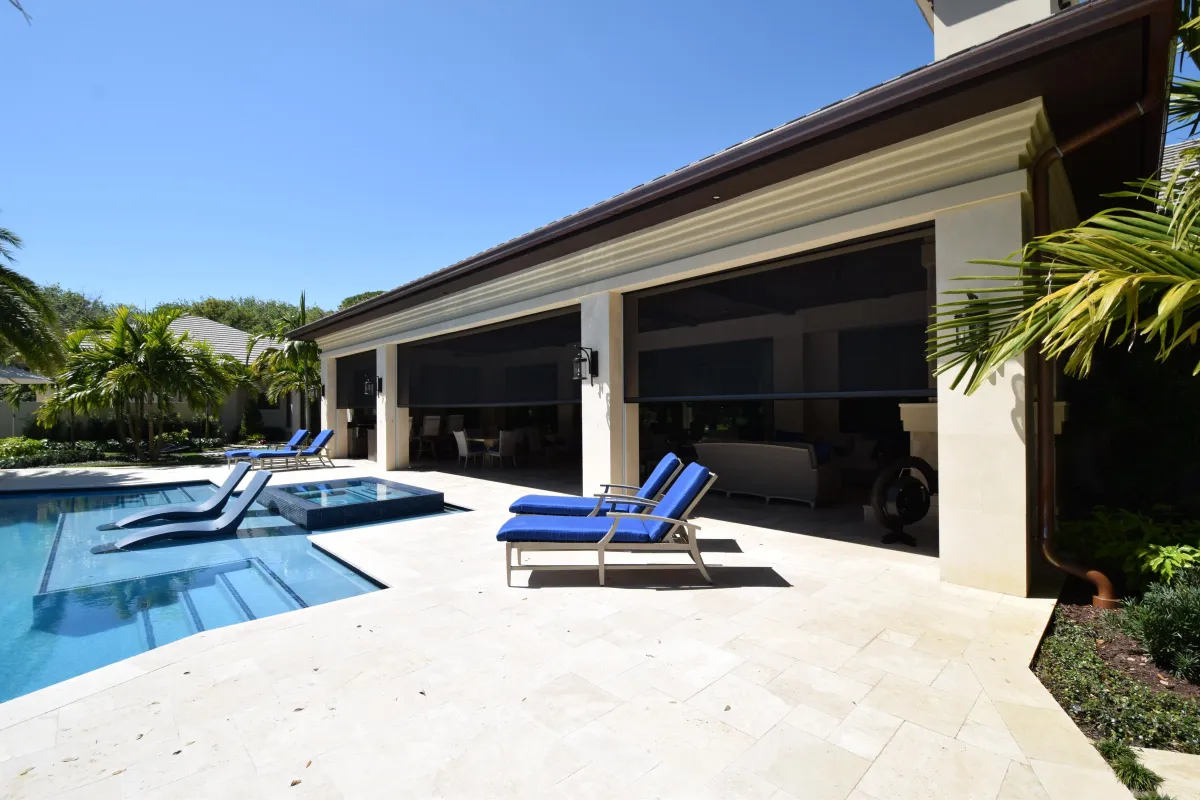
The MaxForce Hurricane Screen System meet or exceeds Miami-Dade and Florida Building Code requirements—the toughest hurricane codes on earth—for roll-down hurricane screens. Rated for the 185 MPH wind zone, and with real-world and certified testing. With spans of up to 24 feet, they exceed performance criteria for all local and International Building Codes.
MAXFORCE IS THERE
When You Need It The Most

Secure Track
MaxForce Fix Hurricane Track holds firm under extreme loads

Max Corrosion Protection
Powder Coated Aluminum Protects your investment from exposure and corrosion.

Heavy-Duty Design
Our screens are designed to withstand the extreme. High wind, Rain, or Shine, Dust Dirt, Dander, it does not matter. MaxForce covers it all
MAXFORCE IS THERE
When You Need It The Most
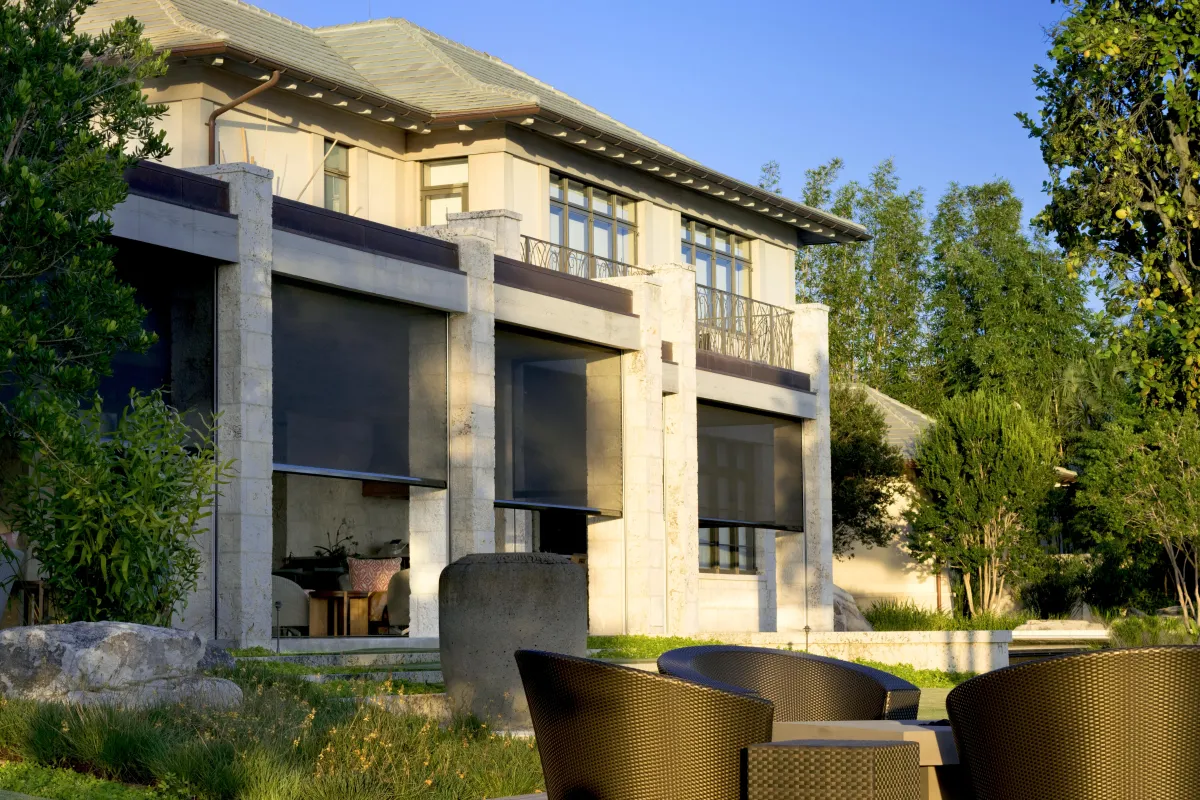
Secure Track
MaxForce Fix Hurricane Track holds firm under extreme loads
Max Corrosion Protection
Powder Coated Aluminum Protects your investment from exposure and corrosion.
Heavy-Duty Design
Our screens are designed to withstand the extreme. High wind, Rain, or Shine, Dust Dirt, Dander, it does not matter. MaxForce covers it all
Your Vision Deserves
A Partner
Who Cares...
Your Vision Deserves
A Partner
Who Cares...
THE MAXFORCE HURRICANE SCREEN DIFFERENCE
MaxForce Hurricane Screen
MaxForce Hurricane Screens, powered by our patented MaxForce system, meet the toughest standards—including HVHZ certification in Miami-Dade and Broward. They last longer, resist more, and do more than any screen on the market—proven protection without compromise.
.
MaxForce Hurricane Screens —Delivers 365 days of perfect protection, rain or shine, on your patio and lanai. With the push of a button or a tap on the mobile app, your patio is storm-ready— furniture and openings fully protected in seconds.
.
MaxForce Hurricane Screens fabric blocks up to 95% of the sun’s damaging UV-rays while shielding against wind, rain, insects, dust, and debris. It also helps reduce heat and lower energy costs by limiting solar exposure—comfort and protection in one smart solution.
.
Like all Fenetex products, our MaxForce Hurricane Screens are highly customizable and built to order—made to fit your exact openings. No guesswork, no compromises—just precision-fit protection tailored to your space.
.
Pair our retractable MaxForce Hurricane Screens with other Fenetex screens for customized and independent solutions. Each screen operates independently, giving you the protection you want when you need it.
MaxForce Hurricane Screens offer built-in privacy without blocking your view. Like a two-way mirror, you can see out—but neighbors and passersby cannot see in. It provides the perfect blend of openness and seclusion, day or night.
THE MAXFORCE HURRICANE SCREEN DIFFERENCE
MaxForce Hurricane Screen
MaxForce Hurricane Screens, powered by our patented MaxForce system, meet the toughest standards—including HVHZ certification in Miami-Dade and Broward. They last longer, resist more, and do more than any screen on the market—proven protection without compromise.
.
MaxForce Hurricane Screens —Delivers 365 days of perfect protection, rain or shine, on your patio and lanai. With the push of a button or a tap on the mobile app, your patio is storm-ready— furniture and openings fully protected in seconds.
.
MaxForce Hurricane Screens fabric blocks up to 95% of the sun’s damaging UV-rays while shielding against wind, rain, insects, dust, and debris. It also helps reduce heat and lower energy costs by limiting solar exposure—comfort and protection in one smart solution.
.
Like all Fenetex products, our MaxForce Hurricane Screens are highly customizable and built to order—made to fit your exact openings. No guesswork, no compromises—just precision-fit protection tailored to your space.
.
Pair our retractable MaxForce Hurricane Screens with other Fenetex screens for customized and independent solutions. Each screen operates independently, giving you the protection you want when you need it.
MaxForce Hurricane Screens offer built-in privacy without blocking your view. Like a two-way mirror, you can see out—but neighbors and passersby cannot see in. It provides the perfect blend of openness and seclusion, day or night.


ADJUSTABLE ABILITY: MANUAL
Fixed Track
LOCKS TIGHT
Ultimate Strength

RATED FOR
185mph Wind Zone
APPLICATION
Residential & Commercial
ADJUSTABLE ABILITY: MANUAL
Fixed Track
LOCKS TIGHT
Ultimate Strength
RATED FOR
185mph Wind Zone
APPLICATION
Residential & Commercial
IT'S AS EASY AS 1, 2, 3
Customize Your Screen
STEP ONE:
Choose Your Screen Color...
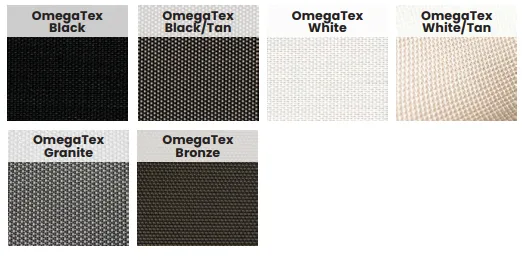
Backed by Twitchell’s OmegaTex fabric, our hurricane screens are engineered with ballistic-grade and enhanced fibers for maximum strength and durability. These fabrics aren’t just tough—they’re also UV-protected for long-lasting performance and crafted with aesthetics in mind. Choose from six elegant colors designed to complement the architecture of your home.
STEP TWO:
Choose Your Frame Color...
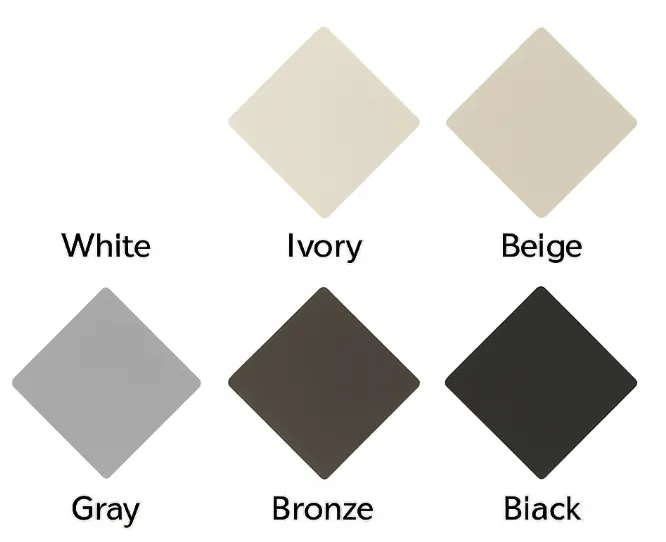
Choosing the right screen color is simple with . Our standard color selections are designed to blend seamlessly with your architecture and framework, offering a clean, cohesive look. For unique designs, custom powder coating is available to match any project. All finishes are marine-grade and infused with UV ray inhibitors—built to endure the elements and maintain their beauty for years to come.
STEP THREE:
3. Choose Your Control
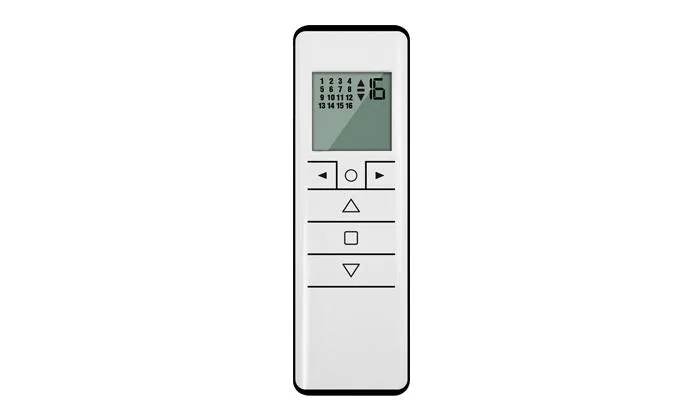
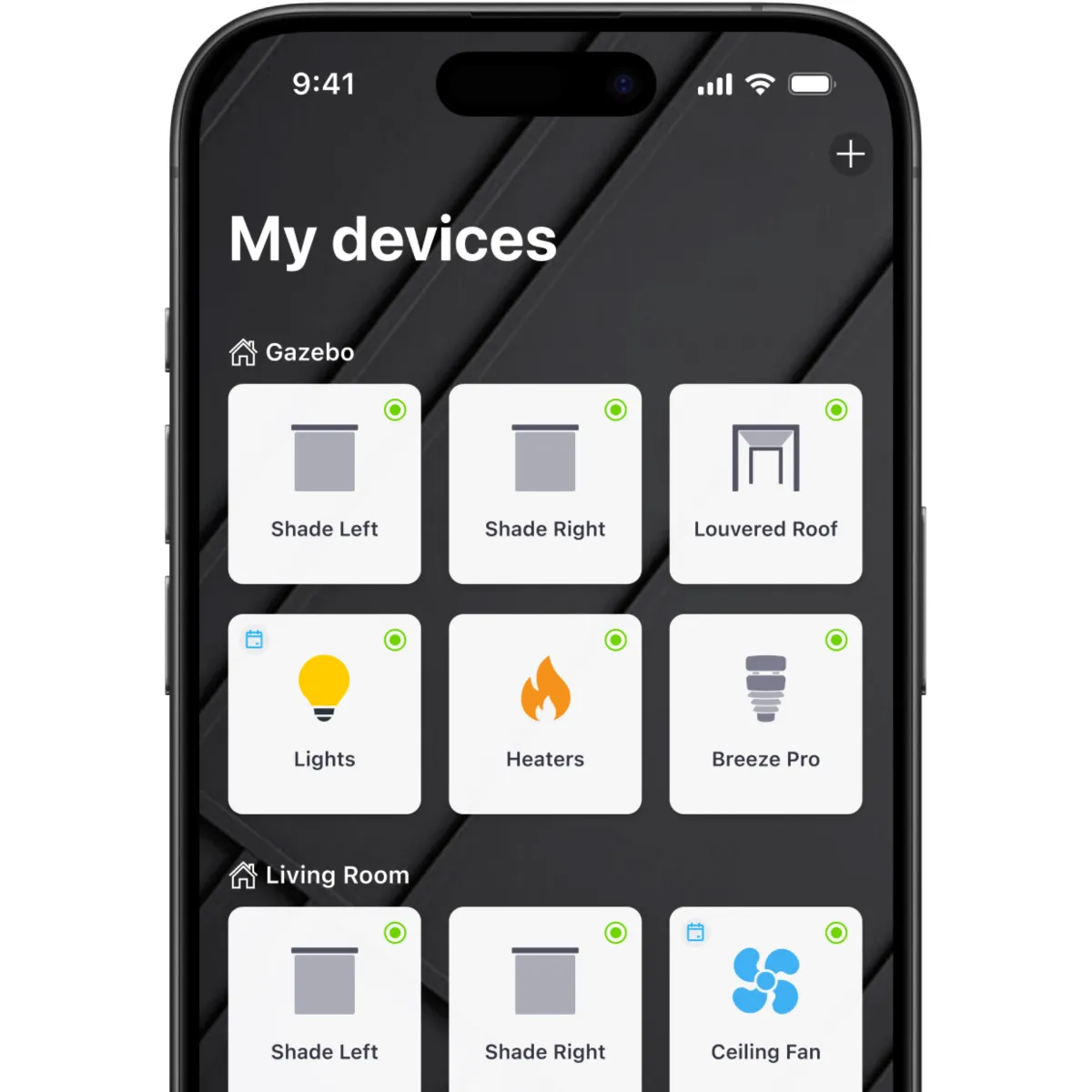
Selecting your preferred control method is effortless with MaxForce Hurricane Screens. Whether you choose handheld remotes, mobile apps, or smart home integration, our systems are designed to fit your lifestyle. No need to settle—just integrate and enjoy continuous, seamless operation 24/7. It's control on your terms, exactly when and where you need it.
IT'S AS EASY AS 1, 2, 3
Customize Your Screen
STEP ONE:
Choose Your Screen Color...
Backed by Twitchell’s OmegaTex fabric, our hurricane screens are engineered with ballistic-grade and enhanced fibers for maximum strength and durability. These fabrics aren’t just tough—they’re also UV-protected for long-lasting performance and crafted with aesthetics in mind. Choose from six elegant colors designed to complement the architecture of your home.
STEP TWO:
Choose Your Frame Color...
Choosing the right screen color is simple with . Our standard color selections are designed to blend seamlessly with your architecture and framework, offering a clean, cohesive look. For unique designs, custom powder coating is available to match any project. All finishes are marine-grade and infused with UV ray inhibitors—built to endure the elements and maintain their beauty for years to come.
STEP THREE:
3. Choose Your Control
Selecting your preferred control method is effortless with MaxForce Hurricane Screens. Whether you choose handheld remotes, mobile apps, or smart home integration, our systems are designed to fit your lifestyle. No need to settle—just integrate and enjoy continuous, seamless operation 24/7. It's control on your terms, exactly when and where you need it.
Your Vision Deserves
A Partner
Who Delivers...
MAXFORCE SEAMLESS
Smart Home Integration
BLEND SEAMLESSLY
Take Control - Smart Hub.
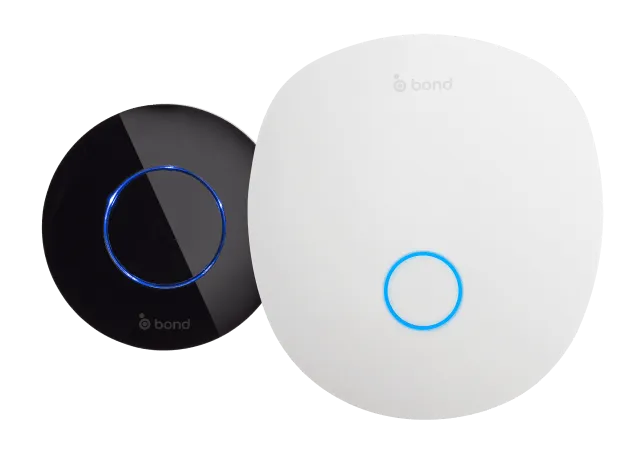
With the Bond Bridge Pro, managing your MaxForce Hurricane Screens is seamless and smart. This powerful integration allows you to open or close your screens from anywhere using your smartphone, voice assistant, or home automation system. Whether you're at home, at work, or away on vacation, control is always at your fingertips.
COMPATIBLE INTEGRATION









VOICE ACTIVATION ASSISTANTS




SMART MOTOR TECHNOLOGIES



Your Vision Deserves
A Partner
Who Delivers...
MAXFORCE SEAMLESS
Smart Home Integration
BLEND SEAMLESSLY
Take Control - Smart Hub.
With the Bond Bridge Pro, managing your MaxForce Hurricane Screens is seamless and smart. This powerful integration allows you to open or close your screens from anywhere using your smartphone, voice assistant, or home automation system. Whether you're at home, at work, or away on vacation, control is always at your fingertips.
COMPATIBLE INTEGRATION
VOICE ACTIVATION ASSISTANTS
SMART MOTOR TECHNOLOGIES
Integrity Matters
Where It's Made Matters
Integrity Matters
Where It's Made Matters
MAXFORCE PROVEN PROTECT
Engineered For Excellence
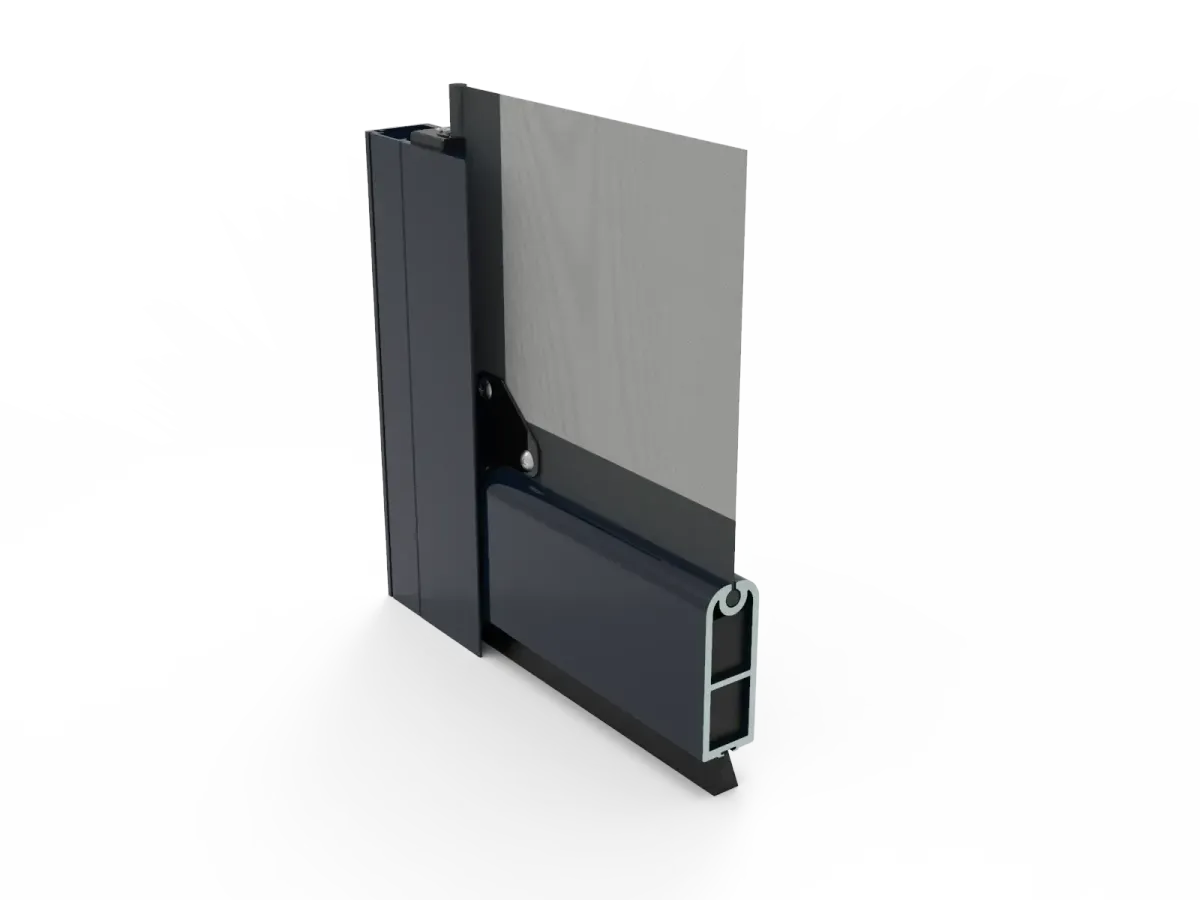
For nearly two decades MaxForce Hurricane Screens has manufactured hurricane screens to meet the most demanding building code, the High Velocity Hurricane Zone of Miami-Dade. The MaxForce track is our newest version of the fixed track we have used with great success for high wind applications all over the globe.
The benefits of a fixed track are unmatched strength - this is important when designing a screen system for hurricanes. When you want the strongest system available, and a proven veteran of many hurricanes, the MaxForce Hurricane Track is your best choice.
MAXFORCE PROVEN PROTECT
Engineered For Excellence
For nearly two decades MaxForce Hurricane Screens has manufactured hurricane screens to meet the most demanding building code, the High Velocity Hurricane Zone of Miami-Dade. The MaxForce track is our newest version of the fixed track we have used with great success for high wind applications all over the globe.
The benefits of a fixed track are unmatched strength - this is important when designing a screen system for hurricanes. When you want the strongest system available, and a proven veteran of many hurricanes, the MaxForce Hurricane Track is your best choice.
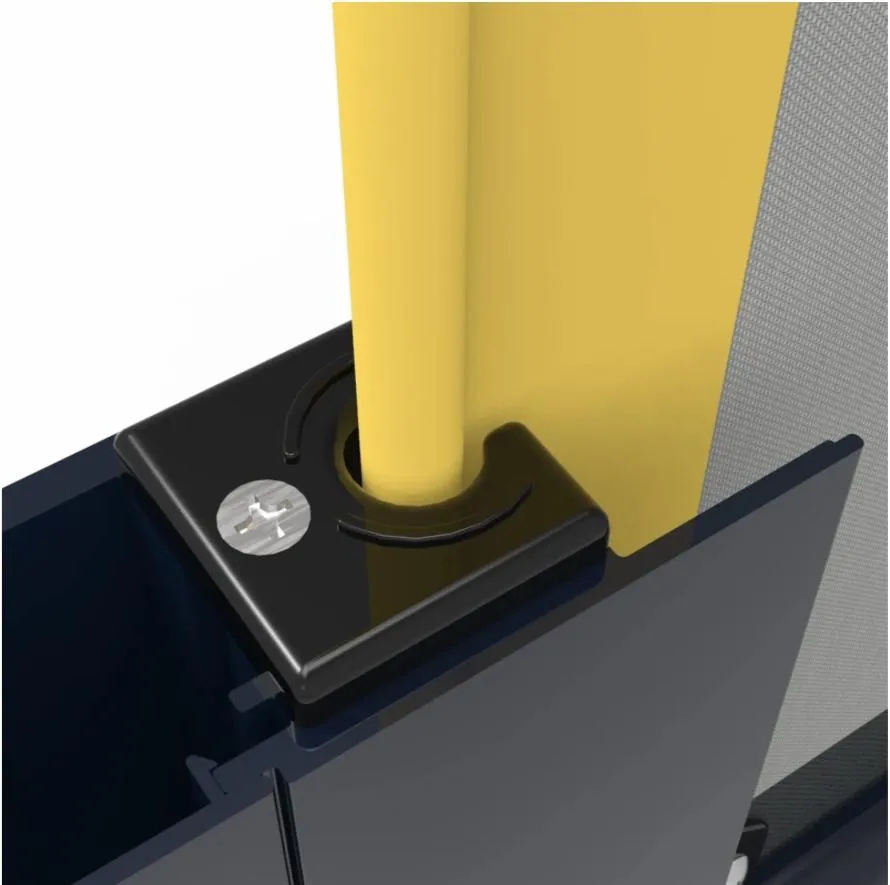
No blowouts. No rewraps. No frustration.
MaxForce is the only retractable screen system on the market designed to stay locked in the track—even in high winds. Smart motor senses resistance and adjusts seamlessly, allowing self-correction when the screen encounters an obstacle: Fewer snags, fewer jams, and fewer costly service calls.
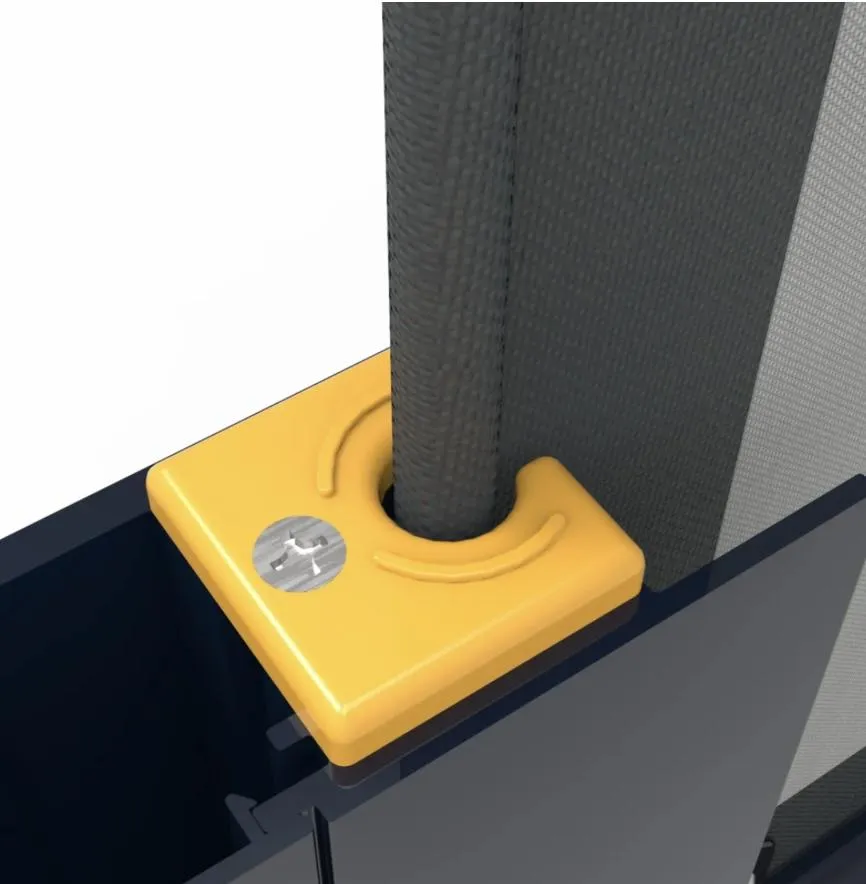
No Zipper. No Cable. Just Simple Deployment
MaxForce Hurricane Screens pioneered Keder-edge technology in motorized screens, delivering unmatched durability and simplicity. Borrowed from sailboat rigging, this system eliminates zippers, cables, and exposed hardware—ensuring smooth, reliable operation every time.
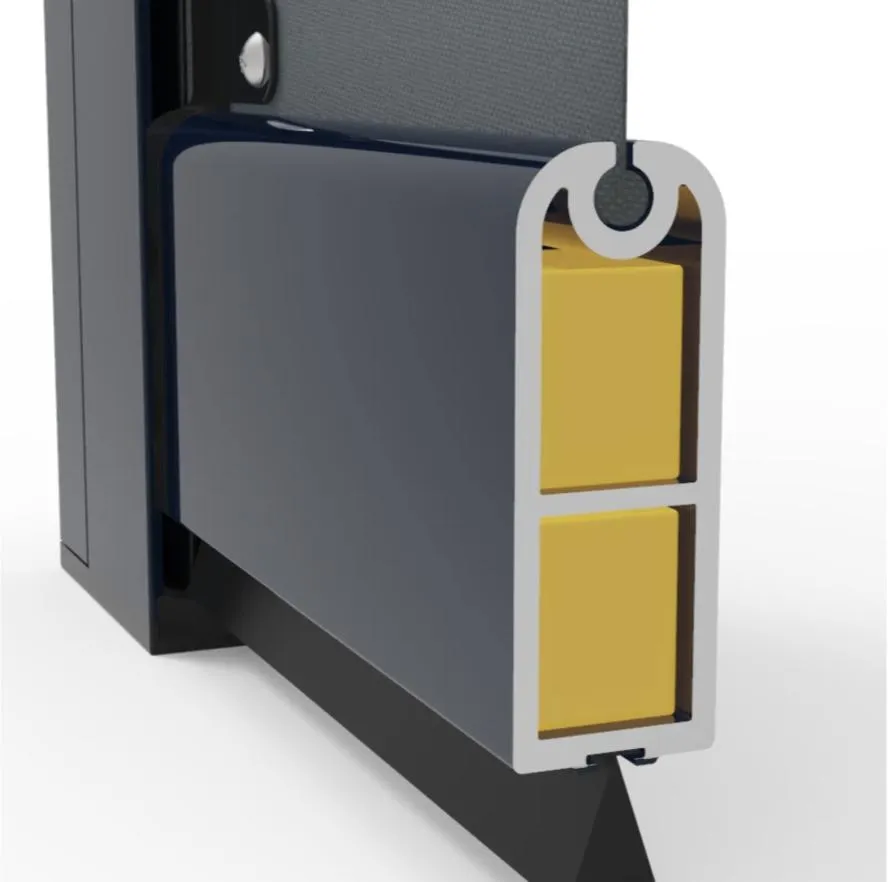
Heavy Duty
The MaxForce weight bar is engineered for strength—and built to hold its ground. Pound for pound, it’s the heaviest and most robust weight bar in the industry. This ensures proper screen tension, flawless deployment, and maximum stability in high wind zones. —limited flex, no failure.
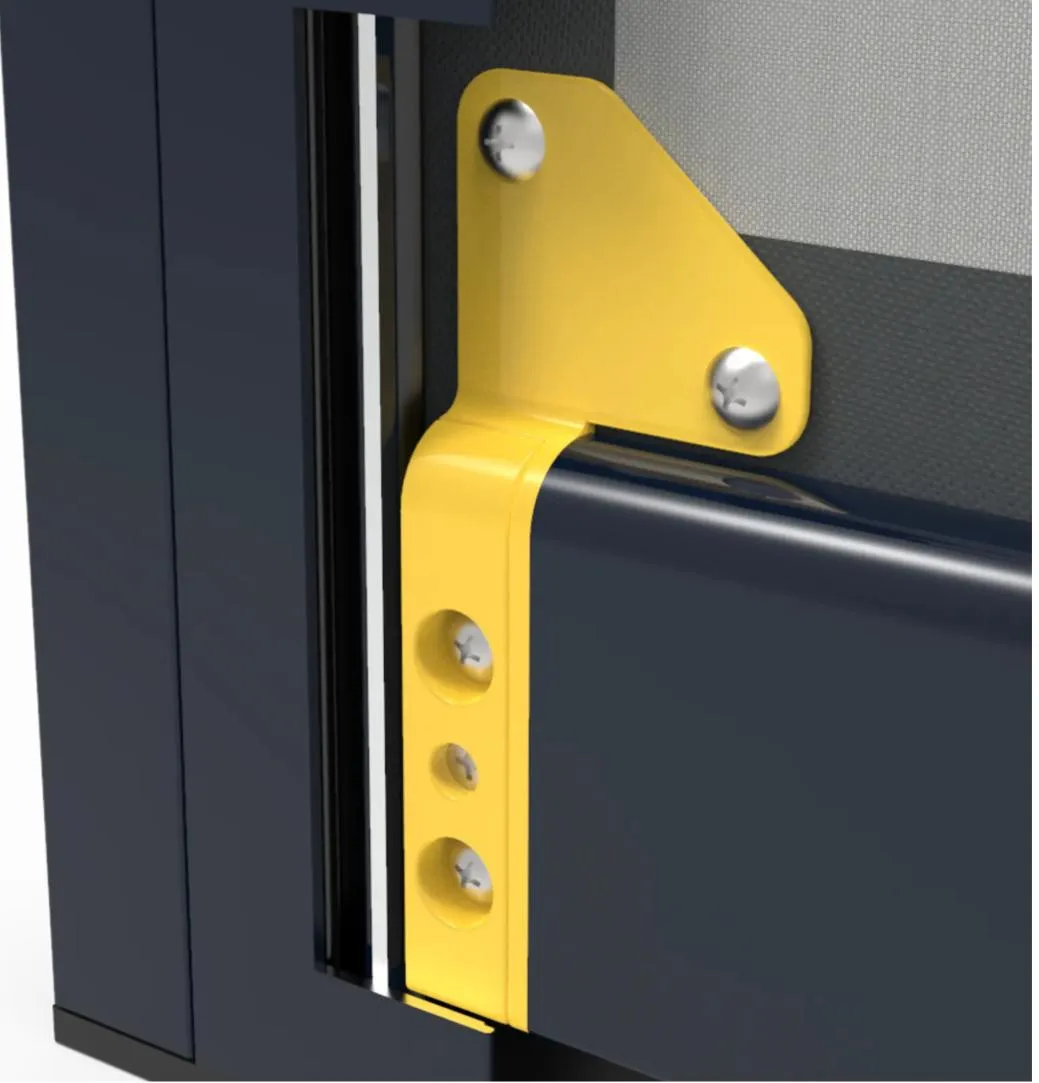
Reinforced Corners
MaxForce’s heavy-duty weight bar isn’t just strong. It’s smart. Reinforced corners and integrated tie-ins create a unified structure that acts like a solid wall of protection when deployed. Made from high-strength nylon, this bar absorbs impacts while maintaining structural integrity.
No blowouts. No rewraps. No frustration.
MaxForce is the only retractable screen system on the market designed to stay locked in the track—even in high winds. Smart motor senses resistance and adjusts seamlessly, allowing self-correction when the screen encounters an obstacle: Fewer snags, fewer jams, and fewer costly service calls.
No Zipper. No Cable. Just Simple Deployment
MaxForce Hurricane Screens pioneered Keder-edge technology in motorized screens, delivering unmatched durability and simplicity. Borrowed from sailboat rigging, this system eliminates zippers, cables, and exposed hardware—ensuring smooth, reliable operation every time.
Heavy Duty
The MaxForce weight bar is engineered for strength—and built to hold its ground. Pound for pound, it’s the heaviest and most robust weight bar in the industry. This ensures proper screen tension, flawless deployment, and maximum stability in high wind zones. —limited flex, no failure.
Reinforced Corners
MaxForce’s heavy-duty weight bar isn’t just strong. It’s smart. Reinforced corners and integrated tie-ins create a unified structure that acts like a solid wall of protection when deployed. Made from high-strength nylon, this bar absorbs impacts while maintaining structural integrity.
Your Vision Deserves
A Partner,
Not Just A Vendor
AMERICAN INGENUITY
Made in the USA.
Proudly Made in the USA—every MaxForce Hurricane Screen is built with American strength, precision, and pride. From the smallest components to the final assembly, our materials are sourced and manufactured right here in the United States. No outsourcing. No compromises. Just hardworking Americans protecting American homes with the toughest screen system on the market.

Your Vision Deserves
A Partner,
Not Just A Vendor
AMERICAN INGENUITY
Made in the USA.
Proudly Made in the USA—every MaxForce Hurricane Screen is built with American strength, precision, and pride. From the smallest components to the final assembly, our materials are sourced and manufactured right here in the United States. No outsourcing. No compromises. Just hardworking Americans protecting American homes with the toughest screen system on the market.
CONSISTENCY.
Quality Made. Professional Installation....
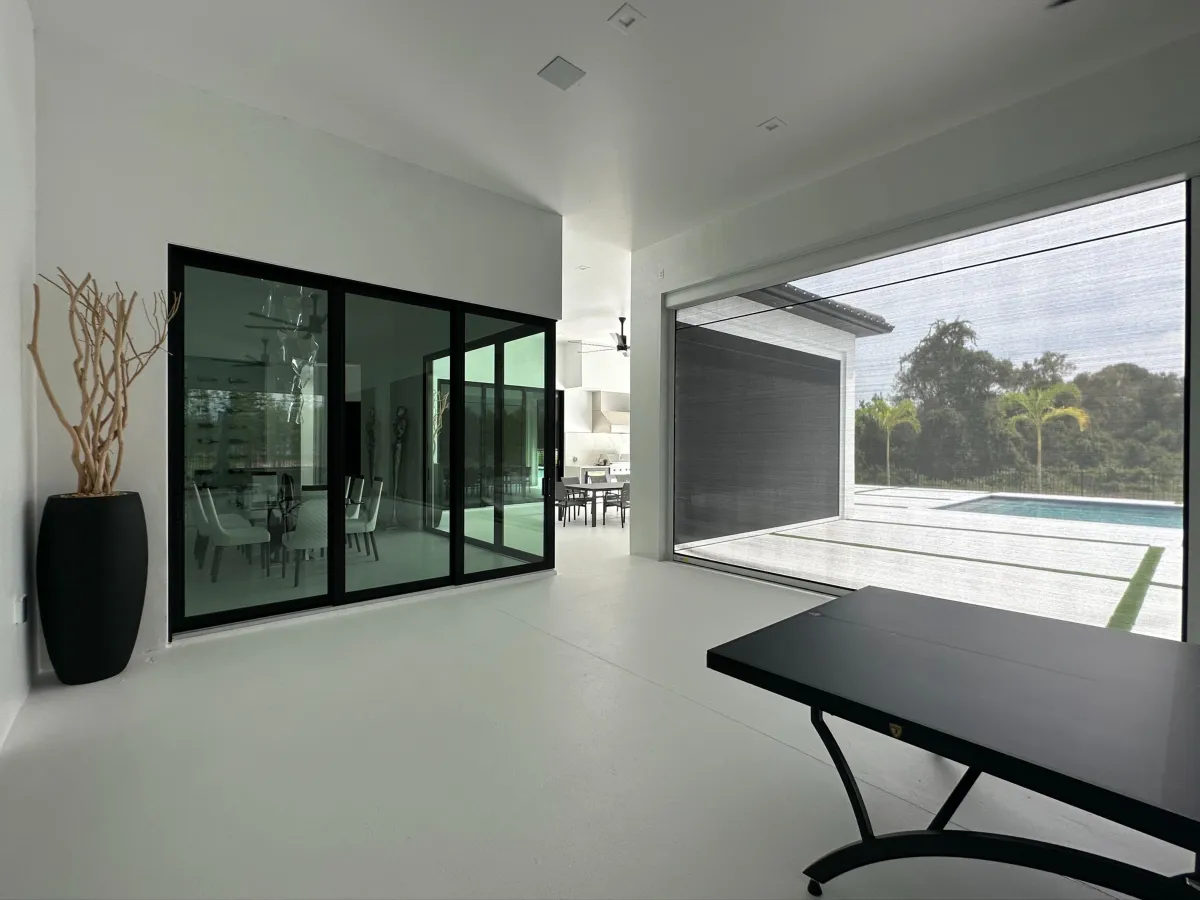
At FL OUTDOOR, quality isn’t a buzzword—it’s a promise. Every MaxForce Hurricane Screens system we install is a product of precision engineering and world-class American manufacturing, built to perform under pressure and look flawless doing it.
We are highly trained professionals who treat your home like their own. From laser-accurate measurements to clean, detail-focused installations, we don’t cut corners—we define them.
CONSISTENCY.
Quality Made. Professional Installation....
At FL OUTDOOR, quality isn’t a buzzword—it’s a promise. Every MaxForce Hurricane Screens system we install is a product of precision engineering and world-class American manufacturing, built to perform under pressure and look flawless doing it.
We are highly trained professionals who treat your home like their own. From laser-accurate measurements to clean, detail-focused installations, we don’t cut corners—we define them.
See What Our Customers Are Saying About Us
See What Our Customers Are Saying About Us
BEYOND
The Here & Now
BEYOND
The Here & Now

The Usability Audit: Your Patio's Real Number
The Usability Audit: How Many Hours Are You Actually Getting From Your Outdoor Space?
Nobody does this math. And there's a good reason for that — the answer is uncomfortable.
You spent real money on your outdoor space. Maybe it was $30,000 for the patio, the furniture, the grill, and the landscaping. Maybe it was $60,000 once you added the outdoor kitchen, the pool deck upgrades, and those cushions that looked so good in the showroom. Maybe it was more. In South Florida, outdoor living investments between $25,000 and $75,000 are common. Some go well beyond that.
You remember why you spent it. The picture was vivid — Saturday mornings with coffee and the paper, Friday dinners under the stars, the kids playing while you grilled, guests who didn't want to leave. That picture is why you signed off on the outdoor kitchen. It's why the furniture wasn't cheap. It's why the landscaping wasn't an afterthought.
Now ask yourself a question you've probably been avoiding: how many hours per week do you actually use that space between June and September?
Not "step outside for a minute." Not "grab something off the grill and come back in." Actually sit. Eat a meal. Have a conversation. Stay.
If you're being honest — and most South Florida homeowners are, once they stop to think about it — the number is probably close to zero during the worst months. And the months that feel like "the worst" stretch longer than anyone admits.
How Much of the Year Can You Really Use Your Patio?
Without shade or screens, a typical South Florida patio is comfortably usable about four to five months per year. That's roughly mid-November through mid-April — the window where temperatures stay reasonable, humidity drops to tolerable levels, mosquitoes thin out, and afternoon storms aren't part of the daily routine.
Five months out of twelve. That means for more than half the calendar year, the outdoor space you invested in sits mostly empty. Not because you don't want to use it. Because the conditions won't let you.
With proper shade and screen protection, that number jumps to ten or eleven months. The only stretch that remains truly difficult is the peak of hurricane season when major storms threaten — and even then, many protected patios stay functional between events.
The gap between five months and eleven months is enormous. It's the difference between a space that justifies its cost and one that quietly drains your investment every year. And yet most homeowners have never sat down and mapped where their hours actually go — or where they're being lost.
The Seasonal Breakdown Nobody Wants to See
Let's walk through a year on an unprotected South Florida patio. Not the fantasy version your realtor described. The real one.
November through February — these are your golden months. Morning coffee on the patio is a pleasure. Evening dinners are comfortable. Temperatures hover in the mid-seventies, humidity is manageable, and mosquitoes are at their lowest density of the year. You might use your outdoor space twenty to thirty hours a week during this stretch. This is what you pictured when you built it. This is the version of Florida living that made you write the check.
March — the transition begins. Afternoons warm into the mid-eighties. Humidity ticks upward. Mosquitoes start breeding in earnest, and by late March, evening use without some form of protection means bites. You're still outside, but the edges of comfort are fraying. Maybe fifteen to twenty hours a week, and fewer of them after dark.
April — the squeeze tightens. Upper eighties. Humidity you can feel sitting on your skin by mid-morning. Bugs are established. You start choosing your windows carefully — maybe an hour in the morning before it heats up, an hour after sunset if the mosquitoes cooperate. Ten to twelve hours a week, and it takes effort.
May — the surrender month for most. Heat index crosses a hundred degrees on peak afternoons. Your patio furniture is too hot to touch at 2 p.m. Afternoon storms start rolling through. Mosquitoes own the twilight. You find yourself looking at your outdoor space through the sliding glass door more than you're sitting in it. Five to eight hours a week if you're stubborn. Less if you're honest.
June through September — the dead zone. Daily highs near or above ninety. Heat index regularly over a hundred and five. Afternoon thunderstorms almost every day — you can practically set your watch by the 3:30 buildup and the 4:15 downpour. Mosquitoes at peak aggression during the exact hours you'd want to be outside — late afternoon through evening. Your outdoor kitchen collects dust. Your grill gets used in ten-minute sprints — out, flip, back inside. The patio furniture you spent months choosing sits in the sun, fading, while you eat dinner at the kitchen table. This is the stretch where your patio becomes a picture you walk past. Two to four hours a week for most families, often less. Some weeks, zero.
October — slow recovery. The storms ease. Temperature begins a gradual decline. But humidity lingers, and mosquitoes don't get the memo until late in the month. Eight to twelve hours a week, trending upward.
Add it all up and the picture becomes hard to ignore.
Putting a Number on It
Here's the math that most homeowners avoid, laid out plainly.
During the golden months — November through February — a typical South Florida family uses their outdoor space roughly twenty to twenty-five hours per week. That's about four hundred hours across four months.
During the transition months — March, April, and October — usability drops to an average of twelve to fifteen hours per week. Call it a hundred and fifty hours across those three months.
During the dead zone — May through September — an unprotected patio delivers maybe three to five hours per week of genuinely comfortable use. That's sixty to a hundred hours across five months, and even that number feels generous.
Total: somewhere between six hundred and six hundred fifty hours of comfortable outdoor use per year.
Now divide your outdoor investment by that number.
A $40,000 outdoor space used six hundred hours a year works out to roughly sixty-seven dollars per comfortable hour. A $60,000 investment at the same usage? A hundred dollars per hour. And those numbers assume you're wringing every possible minute out of the shoulder months, which most people aren't.
Here's the part that stings: if the same homeowner added shade and screen protection — bringing usable months from five to eleven — comfortable hours jump to somewhere around twelve hundred to fourteen hundred per year. Same space. Same furniture. Same grill. Double the hours.
That $40,000 investment drops from sixty-seven dollars per hour to roughly thirty. The $60,000 space goes from a hundred dollars per hour to about forty-five.
The space didn't change. The furniture didn't change. The view didn't change. The only thing that changed was how many months the space is actually available to the people who paid for it.
You didn't make a bad investment. You made an incomplete one.
Where the Hours Actually Disappear
It helps to understand exactly what steals your outdoor time, because the culprits aren't equal — and knowing which one hits you hardest points you toward the right solution.
Heat and sun exposure account for the largest chunk of lost hours. From May through September, direct afternoon sun makes unshaded surfaces painful to touch and ambient temperatures miserable. Even when the air temperature reads ninety, the feel on an unshaded concrete patio can push well past a hundred and ten. This isn't a comfort preference. It's a physical barrier. Your body says no.
Shade — from a retractable awning, a pergola, or a fixed cover — reclaims the largest block of lost hours. Reducing direct sun exposure can drop the perceived temperature on your patio by ten to fifteen degrees. That's the difference between unbearable and manageable. It's also the difference between your AC fighting a solar furnace through the sliding door and your AC getting a break, but that's a different conversation (we'll cover it in a later piece in this series).
Mosquitoes steal the second-largest block — and maybe the most painful one, because they target the hours that matter most. Late afternoon into evening. The golden hours. The hours when the heat finally eases and you want to sit outside with a drink, eat dinner, watch the kids play. Those are peak feeding hours for the Aedes aegypti mosquito, the dominant species in South Florida, active year-round and aggressive from March through November.
Screening — whether a traditional enclosure or motorized retractable system — eliminates this problem entirely. Not "reduces." Eliminates. A physical barrier between you and the bugs means your evenings belong to you again. The choice between screen types matters (we address that in Blog 6), but the fundamental question is simpler: do you want your evenings back or not?
Rain takes a smaller but psychologically outsized bite. Florida's wet season runs June through September, with afternoon thunderstorms arriving almost daily. Most are brief — fifteen to thirty minutes — but they're enough to end whatever you had going on outside. Over time, the pattern trains you to stop planning outdoor activities during those months. Not because it rains all day. Because you can't predict the twenty minutes when it will.
The combination of overhead shade and side protection (screens that block wind-driven rain) turns a storm from a retreat signal into a non-event. The rain falls, the temperature drops, your patio stays dry, and you don't move. But that's Blog 7's territory.
Wind is the factor people mention least but feel constantly. South Florida afternoon winds can make dining unpleasant, blow napkins and lightweight items around, and amplify the feeling of chaos during storms. It's rarely the primary complaint, but it compounds everything else.

The Reframe That Changes Everything
Here's what most homeowners get wrong about this situation: they think adding shade or screens is a new purchase. A new expense. More money going out the door.
It isn't. It's completion.
Think of it this way. You built an outdoor kitchen but left out the refrigerator. You'd never do that — you'd say the kitchen wasn't finished. You installed a pool but skipped the pump. Nobody would call that done.
Your patio is the same equation. The furniture is there. The layout is there. The investment is there. What's missing is the environmental control that makes the space functional for more than five months a year. Shade and screens aren't accessories. They're the missing components that complete a system you already paid for.
The money you spent isn't wasted. It's waiting.
And the cost of completing the system is almost always less than the cost of the annual depreciation, energy waste, and replacement cycles that come from leaving the space exposed. We'll dig into those specific numbers in the next piece in this series, but the principle is straightforward: protecting what you have costs less than replacing what you keep losing.
A Simple Audit You Can Do Right Now
You don't need a spreadsheet for this. Just an honest thirty minutes.
Walk outside. Stand where your family usually sits — or where they would sit, if they went out there more often. Ask yourself three questions.
First: what time of day does this space become uncomfortable, and why? Is it the sun? The bugs? The heat radiating off the concrete? Identifying the primary barrier tells you which solution matters most.
Second: during how many months last year did you use this space regularly — meaning at least three times a week for more than thirty minutes at a time? Count them honestly. Don't round up. Don't count the time you "meant to go outside but it was too hot." The gap between that number and twelve is the gap between what you're getting and what you paid for.
Third: what would it be worth to you — in real, honest terms — to double your usable months? Not as a hypothetical. As a feeling. Picture eating dinner outside in July. Picture hosting on a Saturday evening in August without everyone ending up inside by 7 p.m. Picture using your outdoor kitchen in June the way you use it in January.
That feeling has a dollar value. And for most South Florida homeowners, it's considerably higher than the cost of the shade and screen systems that would deliver it. Not close. Not marginal. Considerably higher.
The Uncomfortable Truth About "Fine"

The biggest enemy of a better outdoor life in South Florida isn't heat. It isn't mosquitoes. It isn't rain.
It's the word "fine."
"It's fine — we use it when we can." "It's fine — we just go inside when it gets bad." "It's fine — that's just how Florida is."
"Fine" is the sound of a homeowner who's stopped expecting more from a space they invested tens of thousands of dollars in. It's the normalization of underperformance. And it's so common in South Florida that nobody questions it anymore. Your neighbor says "fine." Your coworker says "fine." Everybody accepts the same five-month ceiling because everybody they know hits the same wall.
But you spent that money for a reason. You pictured a life — mornings with coffee, evenings with friends, weekends where the outdoor space was the center of everything. That picture wasn't wrong. It was just incomplete.
The gap between the patio you're getting and the patio you paid for isn't permanent. It's solvable. And it starts with being honest about the number.
How many hours are you actually getting?
Once you know, you can't unknow it. And that's the point.
This is the second piece in "The Great Florida Thaw," a ten-part series on outdoor living in South Florida. Next: what Florida's UV is doing to your patio and your wallet — the costs you're already paying without realizing it.

BEYOND
The Here & Now
BEYOND
The Here & Now
The Usability Audit: Your Patio's Real Number
The Usability Audit: How Many Hours Are You Actually Getting From Your Outdoor Space?
Nobody does this math. And there's a good reason for that — the answer is uncomfortable.
You spent real money on your outdoor space. Maybe it was $30,000 for the patio, the furniture, the grill, and the landscaping. Maybe it was $60,000 once you added the outdoor kitchen, the pool deck upgrades, and those cushions that looked so good in the showroom. Maybe it was more. In South Florida, outdoor living investments between $25,000 and $75,000 are common. Some go well beyond that.
You remember why you spent it. The picture was vivid — Saturday mornings with coffee and the paper, Friday dinners under the stars, the kids playing while you grilled, guests who didn't want to leave. That picture is why you signed off on the outdoor kitchen. It's why the furniture wasn't cheap. It's why the landscaping wasn't an afterthought.
Now ask yourself a question you've probably been avoiding: how many hours per week do you actually use that space between June and September?
Not "step outside for a minute." Not "grab something off the grill and come back in." Actually sit. Eat a meal. Have a conversation. Stay.
If you're being honest — and most South Florida homeowners are, once they stop to think about it — the number is probably close to zero during the worst months. And the months that feel like "the worst" stretch longer than anyone admits.
How Much of the Year Can You Really Use Your Patio?
Without shade or screens, a typical South Florida patio is comfortably usable about four to five months per year. That's roughly mid-November through mid-April — the window where temperatures stay reasonable, humidity drops to tolerable levels, mosquitoes thin out, and afternoon storms aren't part of the daily routine.
Five months out of twelve. That means for more than half the calendar year, the outdoor space you invested in sits mostly empty. Not because you don't want to use it. Because the conditions won't let you.
With proper shade and screen protection, that number jumps to ten or eleven months. The only stretch that remains truly difficult is the peak of hurricane season when major storms threaten — and even then, many protected patios stay functional between events.
The gap between five months and eleven months is enormous. It's the difference between a space that justifies its cost and one that quietly drains your investment every year. And yet most homeowners have never sat down and mapped where their hours actually go — or where they're being lost.
The Seasonal Breakdown Nobody Wants to See
Let's walk through a year on an unprotected South Florida patio. Not the fantasy version your realtor described. The real one.
November through February — these are your golden months. Morning coffee on the patio is a pleasure. Evening dinners are comfortable. Temperatures hover in the mid-seventies, humidity is manageable, and mosquitoes are at their lowest density of the year. You might use your outdoor space twenty to thirty hours a week during this stretch. This is what you pictured when you built it. This is the version of Florida living that made you write the check.
March — the transition begins. Afternoons warm into the mid-eighties. Humidity ticks upward. Mosquitoes start breeding in earnest, and by late March, evening use without some form of protection means bites. You're still outside, but the edges of comfort are fraying. Maybe fifteen to twenty hours a week, and fewer of them after dark.
April — the squeeze tightens. Upper eighties. Humidity you can feel sitting on your skin by mid-morning. Bugs are established. You start choosing your windows carefully — maybe an hour in the morning before it heats up, an hour after sunset if the mosquitoes cooperate. Ten to twelve hours a week, and it takes effort.
May — the surrender month for most. Heat index crosses a hundred degrees on peak afternoons. Your patio furniture is too hot to touch at 2 p.m. Afternoon storms start rolling through. Mosquitoes own the twilight. You find yourself looking at your outdoor space through the sliding glass door more than you're sitting in it. Five to eight hours a week if you're stubborn. Less if you're honest.
June through September — the dead zone. Daily highs near or above ninety. Heat index regularly over a hundred and five. Afternoon thunderstorms almost every day — you can practically set your watch by the 3:30 buildup and the 4:15 downpour. Mosquitoes at peak aggression during the exact hours you'd want to be outside — late afternoon through evening. Your outdoor kitchen collects dust. Your grill gets used in ten-minute sprints — out, flip, back inside. The patio furniture you spent months choosing sits in the sun, fading, while you eat dinner at the kitchen table. This is the stretch where your patio becomes a picture you walk past. Two to four hours a week for most families, often less. Some weeks, zero.
October — slow recovery. The storms ease. Temperature begins a gradual decline. But humidity lingers, and mosquitoes don't get the memo until late in the month. Eight to twelve hours a week, trending upward.
Add it all up and the picture becomes hard to ignore.
Putting a Number on It
Here's the math that most homeowners avoid, laid out plainly.
During the golden months — November through February — a typical South Florida family uses their outdoor space roughly twenty to twenty-five hours per week. That's about four hundred hours across four months.
During the transition months — March, April, and October — usability drops to an average of twelve to fifteen hours per week. Call it a hundred and fifty hours across those three months.
During the dead zone — May through September — an unprotected patio delivers maybe three to five hours per week of genuinely comfortable use. That's sixty to a hundred hours across five months, and even that number feels generous.
Total: somewhere between six hundred and six hundred fifty hours of comfortable outdoor use per year.
Now divide your outdoor investment by that number.
A $40,000 outdoor space used six hundred hours a year works out to roughly sixty-seven dollars per comfortable hour. A $60,000 investment at the same usage? A hundred dollars per hour. And those numbers assume you're wringing every possible minute out of the shoulder months, which most people aren't.
Here's the part that stings: if the same homeowner added shade and screen protection — bringing usable months from five to eleven — comfortable hours jump to somewhere around twelve hundred to fourteen hundred per year. Same space. Same furniture. Same grill. Double the hours.
That $40,000 investment drops from sixty-seven dollars per hour to roughly thirty. The $60,000 space goes from a hundred dollars per hour to about forty-five.
The space didn't change. The furniture didn't change. The view didn't change. The only thing that changed was how many months the space is actually available to the people who paid for it.
You didn't make a bad investment. You made an incomplete one.
Where the Hours Actually Disappear
It helps to understand exactly what steals your outdoor time, because the culprits aren't equal — and knowing which one hits you hardest points you toward the right solution.
Heat and sun exposure account for the largest chunk of lost hours. From May through September, direct afternoon sun makes unshaded surfaces painful to touch and ambient temperatures miserable. Even when the air temperature reads ninety, the feel on an unshaded concrete patio can push well past a hundred and ten. This isn't a comfort preference. It's a physical barrier. Your body says no.
Shade — from a retractable awning, a pergola, or a fixed cover — reclaims the largest block of lost hours. Reducing direct sun exposure can drop the perceived temperature on your patio by ten to fifteen degrees. That's the difference between unbearable and manageable. It's also the difference between your AC fighting a solar furnace through the sliding door and your AC getting a break, but that's a different conversation (we'll cover it in a later piece in this series).
Mosquitoes steal the second-largest block — and maybe the most painful one, because they target the hours that matter most. Late afternoon into evening. The golden hours. The hours when the heat finally eases and you want to sit outside with a drink, eat dinner, watch the kids play. Those are peak feeding hours for the Aedes aegypti mosquito, the dominant species in South Florida, active year-round and aggressive from March through November.
Screening — whether a traditional enclosure or motorized retractable system — eliminates this problem entirely. Not "reduces." Eliminates. A physical barrier between you and the bugs means your evenings belong to you again. The choice between screen types matters (we address that in Blog 6), but the fundamental question is simpler: do you want your evenings back or not?
Rain takes a smaller but psychologically outsized bite. Florida's wet season runs June through September, with afternoon thunderstorms arriving almost daily. Most are brief — fifteen to thirty minutes — but they're enough to end whatever you had going on outside. Over time, the pattern trains you to stop planning outdoor activities during those months. Not because it rains all day. Because you can't predict the twenty minutes when it will.
The combination of overhead shade and side protection (screens that block wind-driven rain) turns a storm from a retreat signal into a non-event. The rain falls, the temperature drops, your patio stays dry, and you don't move. But that's Blog 7's territory.
Wind is the factor people mention least but feel constantly. South Florida afternoon winds can make dining unpleasant, blow napkins and lightweight items around, and amplify the feeling of chaos during storms. It's rarely the primary complaint, but it compounds everything else.
The Reframe That Changes Everything
Here's what most homeowners get wrong about this situation: they think adding shade or screens is a new purchase. A new expense. More money going out the door.
It isn't. It's completion.
Think of it this way. You built an outdoor kitchen but left out the refrigerator. You'd never do that — you'd say the kitchen wasn't finished. You installed a pool but skipped the pump. Nobody would call that done.
Your patio is the same equation. The furniture is there. The layout is there. The investment is there. What's missing is the environmental control that makes the space functional for more than five months a year. Shade and screens aren't accessories. They're the missing components that complete a system you already paid for.
The money you spent isn't wasted. It's waiting.
And the cost of completing the system is almost always less than the cost of the annual depreciation, energy waste, and replacement cycles that come from leaving the space exposed. We'll dig into those specific numbers in the next piece in this series, but the principle is straightforward: protecting what you have costs less than replacing what you keep losing.
A Simple Audit You Can Do Right Now
You don't need a spreadsheet for this. Just an honest thirty minutes.
Walk outside. Stand where your family usually sits — or where they would sit, if they went out there more often. Ask yourself three questions.
First: what time of day does this space become uncomfortable, and why? Is it the sun? The bugs? The heat radiating off the concrete? Identifying the primary barrier tells you which solution matters most.
Second: during how many months last year did you use this space regularly — meaning at least three times a week for more than thirty minutes at a time? Count them honestly. Don't round up. Don't count the time you "meant to go outside but it was too hot." The gap between that number and twelve is the gap between what you're getting and what you paid for.
Third: what would it be worth to you — in real, honest terms — to double your usable months? Not as a hypothetical. As a feeling. Picture eating dinner outside in July. Picture hosting on a Saturday evening in August without everyone ending up inside by 7 p.m. Picture using your outdoor kitchen in June the way you use it in January.
That feeling has a dollar value. And for most South Florida homeowners, it's considerably higher than the cost of the shade and screen systems that would deliver it. Not close. Not marginal. Considerably higher.
The Uncomfortable Truth About "Fine"
The biggest enemy of a better outdoor life in South Florida isn't heat. It isn't mosquitoes. It isn't rain.
It's the word "fine."
"It's fine — we use it when we can." "It's fine — we just go inside when it gets bad." "It's fine — that's just how Florida is."
"Fine" is the sound of a homeowner who's stopped expecting more from a space they invested tens of thousands of dollars in. It's the normalization of underperformance. And it's so common in South Florida that nobody questions it anymore. Your neighbor says "fine." Your coworker says "fine." Everybody accepts the same five-month ceiling because everybody they know hits the same wall.
But you spent that money for a reason. You pictured a life — mornings with coffee, evenings with friends, weekends where the outdoor space was the center of everything. That picture wasn't wrong. It was just incomplete.
The gap between the patio you're getting and the patio you paid for isn't permanent. It's solvable. And it starts with being honest about the number.
How many hours are you actually getting?
Once you know, you can't unknow it. And that's the point.
This is the second piece in "The Great Florida Thaw," a ten-part series on outdoor living in South Florida. Next: what Florida's UV is doing to your patio and your wallet — the costs you're already paying without realizing it.
COMPANY
MOTORIZED SCREENS
SHADE SOLUTIONS
FENCING & LIGHTING
DESIGN IDEAS
SUPPORT



Copyright 2026. FL OUTDOOR. All Rights Reserved.
Powered and Built By