The Worlds Toughest Hurricane Screen
Tried | True | Tested.
PROTECTION THAT PERFORM
No Blowouts. No Rewraps. No Compromise....
MaxForce Hurricane Screens are the result of years of real-world testing, research, and engineering refinement. Built to withstand the harshest conditions without sacrificing aesthetics, they offer maximum protection for your patio or lanai with hurricane-rated performance.
Tested, Trusted, Proven, and Never compromised—these screens are built for the long haul:

PROTECTION THAT PERFORM
No Blowouts. No Rewraps. No Compromise....
MaxForce Hurricane Screens are the result of years of real-world testing, research, and engineering refinement. Built to withstand the harshest conditions without sacrificing aesthetics, they offer maximum protection for your patio or lanai with hurricane-rated performance.
Tested, Trusted, Proven, and Never compromised—these screens are built for the long haul:
Your Vision Deserves
A Partner
Who Listens...
Your Vision Deserves
A Partner
Who Listens...
MAXFORCE & FL OUTDOOR
READY FOR LIFE'S STORMS
MAXFORCE & FL OUTDOOR
READY FOR LIFE'S STORMS
MAXFORCE HURRICANE SCREEN SYSTEM
A Certified, Tested System...
The MaxForce Hurricane Screen System meet or exceeds Miami-Dade and Florida Building Code requirements—the toughest hurricane codes on earth—for roll-down hurricane screens. Rated for the 185 MPH wind zone, and with real-world and certified testing. With spans of up to 24 feet, they exceed performance criteria for all local and International Building Codes.
MAXFORCE HURRICANE SCREEN SYSTEM
A Certified, Tested System...
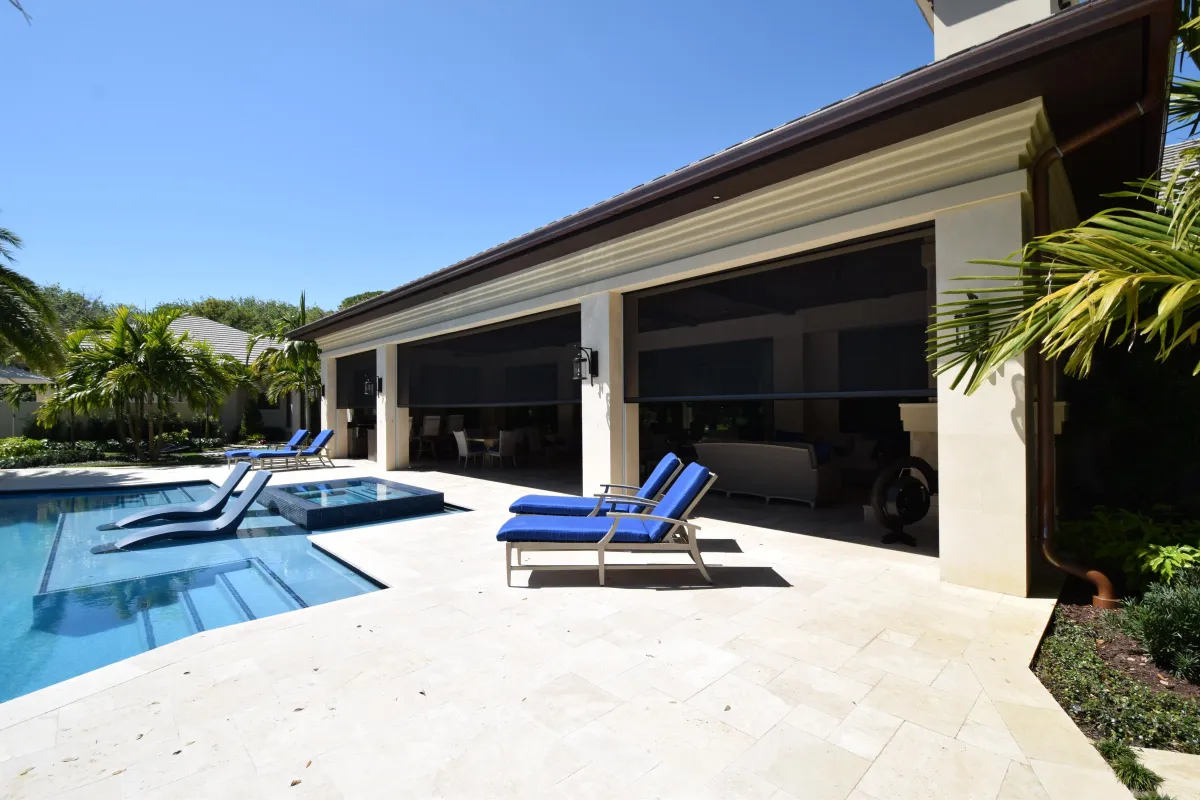
The MaxForce Hurricane Screen System meet or exceeds Miami-Dade and Florida Building Code requirements—the toughest hurricane codes on earth—for roll-down hurricane screens. Rated for the 185 MPH wind zone, and with real-world and certified testing. With spans of up to 24 feet, they exceed performance criteria for all local and International Building Codes.
MAXFORCE IS THERE
When You Need It The Most

Secure Track
MaxForce Fix Hurricane Track holds firm under extreme loads

Max Corrosion Protection
Powder Coated Aluminum Protects your investment from exposure and corrosion.

Heavy-Duty Design
Our screens are designed to withstand the extreme. High wind, Rain, or Shine, Dust Dirt, Dander, it does not matter. MaxForce covers it all
MAXFORCE IS THERE
When You Need It The Most
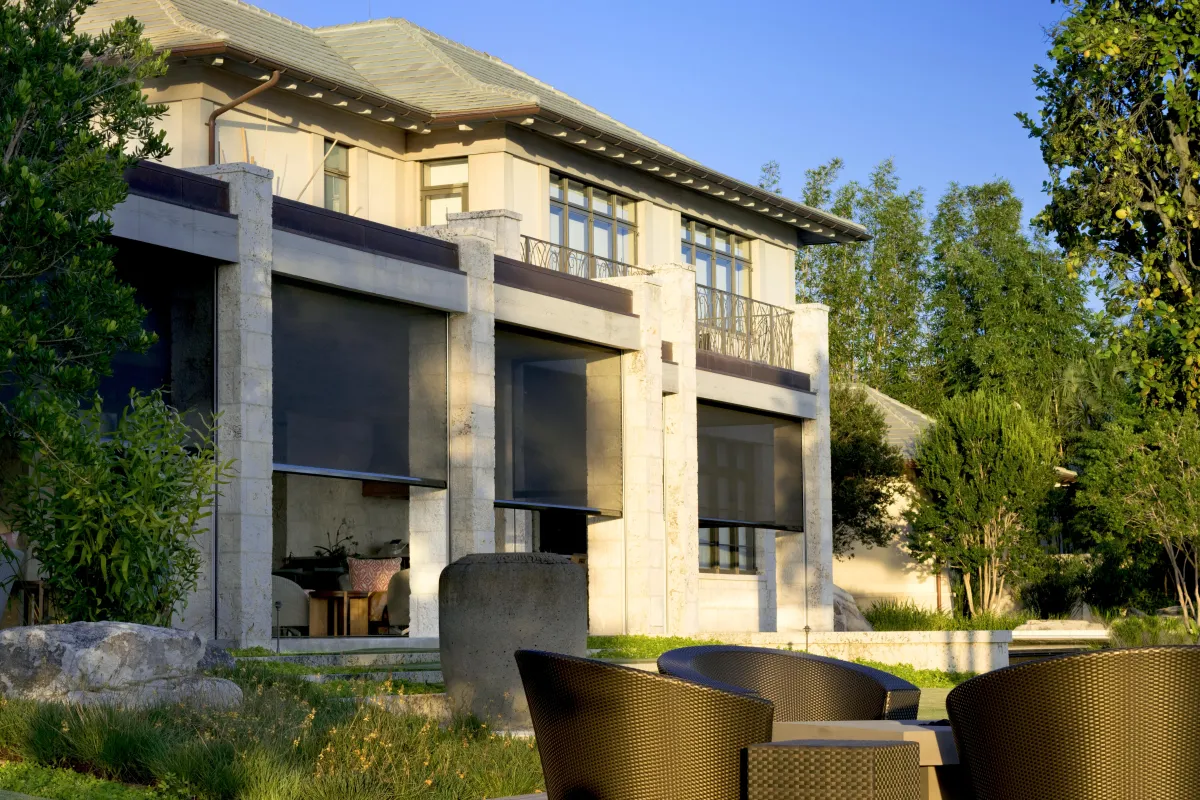
Secure Track
MaxForce Fix Hurricane Track holds firm under extreme loads
Max Corrosion Protection
Powder Coated Aluminum Protects your investment from exposure and corrosion.
Heavy-Duty Design
Our screens are designed to withstand the extreme. High wind, Rain, or Shine, Dust Dirt, Dander, it does not matter. MaxForce covers it all
Your Vision Deserves
A Partner
Who Cares...
Your Vision Deserves
A Partner
Who Cares...
THE MAXFORCE HURRICANE SCREEN DIFFERENCE
MaxForce Hurricane Screen
MaxForce Hurricane Screens, powered by our patented MaxForce system, meet the toughest standards—including HVHZ certification in Miami-Dade and Broward. They last longer, resist more, and do more than any screen on the market—proven protection without compromise.
.
MaxForce Hurricane Screens —Delivers 365 days of perfect protection, rain or shine, on your patio and lanai. With the push of a button or a tap on the mobile app, your patio is storm-ready— furniture and openings fully protected in seconds.
.
MaxForce Hurricane Screens fabric blocks up to 95% of the sun’s damaging UV-rays while shielding against wind, rain, insects, dust, and debris. It also helps reduce heat and lower energy costs by limiting solar exposure—comfort and protection in one smart solution.
.
Like all Fenetex products, our MaxForce Hurricane Screens are highly customizable and built to order—made to fit your exact openings. No guesswork, no compromises—just precision-fit protection tailored to your space.
.
Pair our retractable MaxForce Hurricane Screens with other Fenetex screens for customized and independent solutions. Each screen operates independently, giving you the protection you want when you need it.
MaxForce Hurricane Screens offer built-in privacy without blocking your view. Like a two-way mirror, you can see out—but neighbors and passersby cannot see in. It provides the perfect blend of openness and seclusion, day or night.
THE MAXFORCE HURRICANE SCREEN DIFFERENCE
MaxForce Hurricane Screen
MaxForce Hurricane Screens, powered by our patented MaxForce system, meet the toughest standards—including HVHZ certification in Miami-Dade and Broward. They last longer, resist more, and do more than any screen on the market—proven protection without compromise.
.
MaxForce Hurricane Screens —Delivers 365 days of perfect protection, rain or shine, on your patio and lanai. With the push of a button or a tap on the mobile app, your patio is storm-ready— furniture and openings fully protected in seconds.
.
MaxForce Hurricane Screens fabric blocks up to 95% of the sun’s damaging UV-rays while shielding against wind, rain, insects, dust, and debris. It also helps reduce heat and lower energy costs by limiting solar exposure—comfort and protection in one smart solution.
.
Like all Fenetex products, our MaxForce Hurricane Screens are highly customizable and built to order—made to fit your exact openings. No guesswork, no compromises—just precision-fit protection tailored to your space.
.
Pair our retractable MaxForce Hurricane Screens with other Fenetex screens for customized and independent solutions. Each screen operates independently, giving you the protection you want when you need it.
MaxForce Hurricane Screens offer built-in privacy without blocking your view. Like a two-way mirror, you can see out—but neighbors and passersby cannot see in. It provides the perfect blend of openness and seclusion, day or night.

ADJUSTABLE ABILITY: MANUAL
Fixed Track
LOCKS TIGHT
Ultimate Strength

RATED FOR
185mph Wind Zone
APPLICATION
Residential & Commercial
ADJUSTABLE ABILITY: MANUAL
Fixed Track
LOCKS TIGHT
Ultimate Strength
RATED FOR
185mph Wind Zone
APPLICATION
Residential & Commercial
IT'S AS EASY AS 1, 2, 3
Customize Your Screen
STEP ONE:
Choose Your Screen Color...
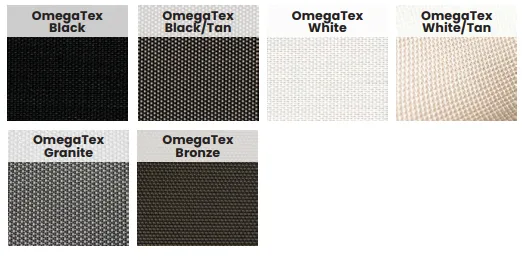
Backed by Twitchell’s OmegaTex fabric, our hurricane screens are engineered with ballistic-grade and enhanced fibers for maximum strength and durability. These fabrics aren’t just tough—they’re also UV-protected for long-lasting performance and crafted with aesthetics in mind. Choose from six elegant colors designed to complement the architecture of your home.
STEP TWO:
Choose Your Frame Color...
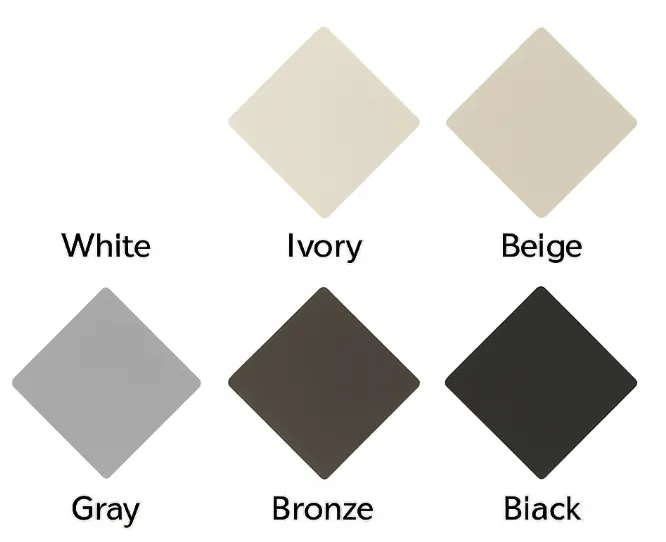
Choosing the right screen color is simple with . Our standard color selections are designed to blend seamlessly with your architecture and framework, offering a clean, cohesive look. For unique designs, custom powder coating is available to match any project. All finishes are marine-grade and infused with UV ray inhibitors—built to endure the elements and maintain their beauty for years to come.
STEP THREE:
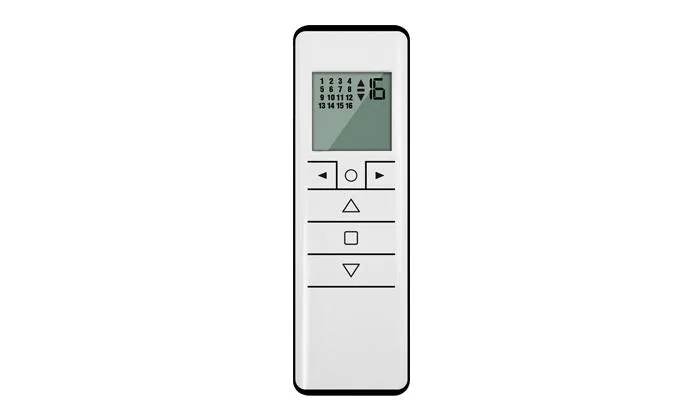
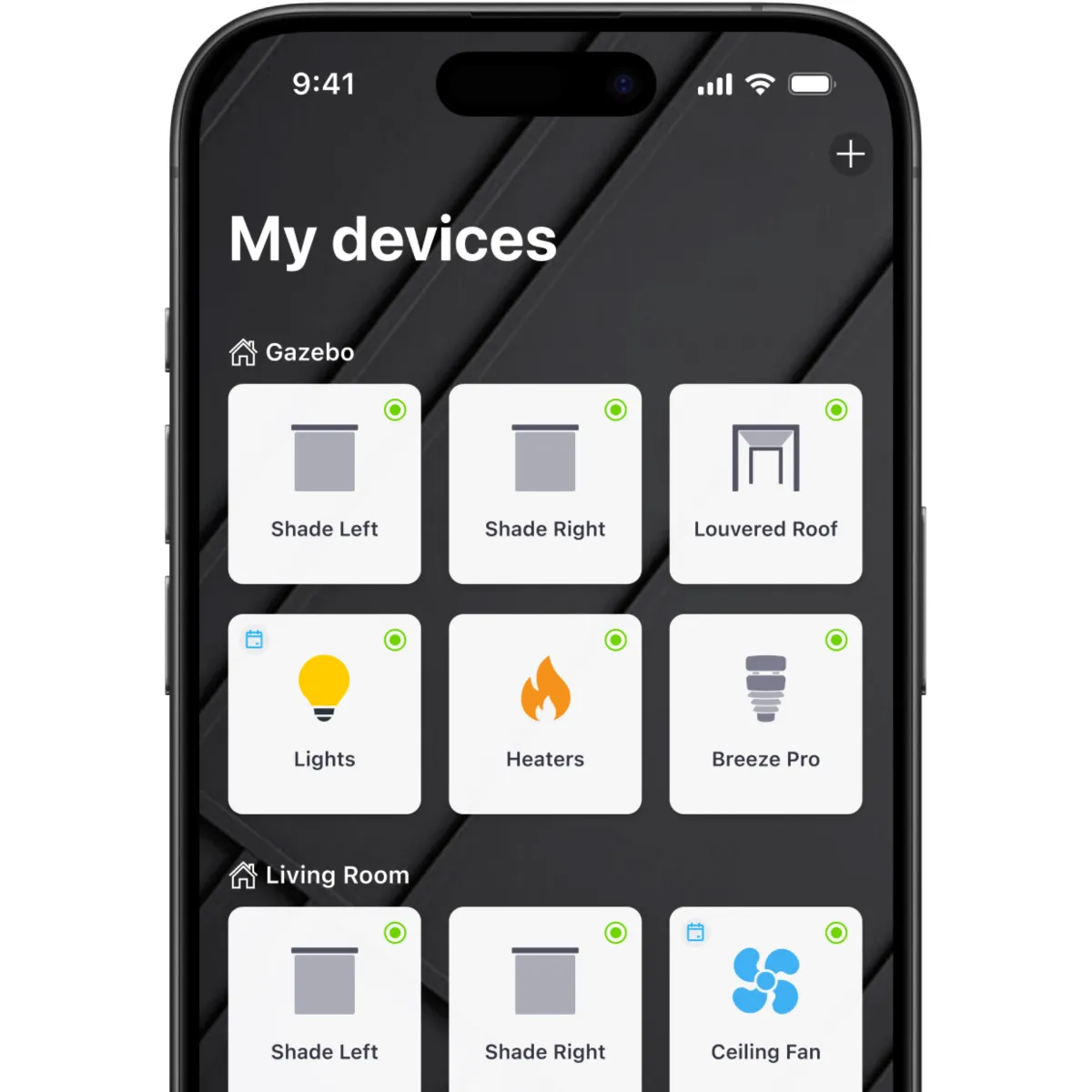
3. Choose Your Control
Selecting your preferred control method is effortless with MaxForce Hurricane Screens. Whether you choose handheld remotes, mobile apps, or smart home integration, our systems are designed to fit your lifestyle. No need to settle—just integrate and enjoy continuous, seamless operation 24/7. It's control on your terms, exactly when and where you need it.
IT'S AS EASY AS 1, 2, 3
Customize Your Screen
STEP ONE:
Choose Your Screen Color...
Backed by Twitchell’s OmegaTex fabric, our hurricane screens are engineered with ballistic-grade and enhanced fibers for maximum strength and durability. These fabrics aren’t just tough—they’re also UV-protected for long-lasting performance and crafted with aesthetics in mind. Choose from six elegant colors designed to complement the architecture of your home.
STEP TWO:
Choose Your Frame Color...
Choosing the right screen color is simple with . Our standard color selections are designed to blend seamlessly with your architecture and framework, offering a clean, cohesive look. For unique designs, custom powder coating is available to match any project. All finishes are marine-grade and infused with UV ray inhibitors—built to endure the elements and maintain their beauty for years to come.
STEP THREE:
3. Choose Your Control
Selecting your preferred control method is effortless with MaxForce Hurricane Screens. Whether you choose handheld remotes, mobile apps, or smart home integration, our systems are designed to fit your lifestyle. No need to settle—just integrate and enjoy continuous, seamless operation 24/7. It's control on your terms, exactly when and where you need it.
Your Vision Deserves
A Partner
Who Delivers...
MAXFORCE SEAMLESS
Smart Home Integration
BLEND SEAMLESSLY
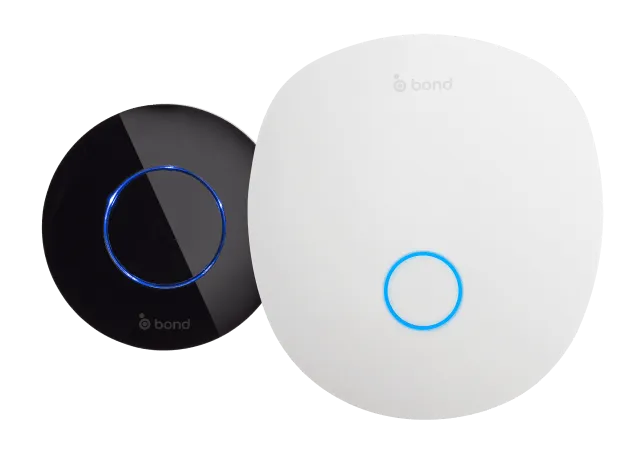
Take Control - Smart Hub.
With the Bond Bridge Pro, managing your MaxForce Hurricane Screens is seamless and smart. This powerful integration allows you to open or close your screens from anywhere using your smartphone, voice assistant, or home automation system. Whether you're at home, at work, or away on vacation, control is always at your fingertips.
COMPATIBLE INTEGRATION



VOICE ACTIVATION ASSISTANTS



SMART MOTOR TECHNOLOGIES


Your Vision Deserves
A Partner
Who Delivers...
MAXFORCE SEAMLESS
Smart Home Integration
BLEND SEAMLESSLY
Take Control - Smart Hub.
With the Bond Bridge Pro, managing your MaxForce Hurricane Screens is seamless and smart. This powerful integration allows you to open or close your screens from anywhere using your smartphone, voice assistant, or home automation system. Whether you're at home, at work, or away on vacation, control is always at your fingertips.
COMPATIBLE INTEGRATION
VOICE ACTIVATION ASSISTANTS
SMART MOTOR TECHNOLOGIES
Integrity Matters
Where It's Made Matters
Integrity Matters
Where It's Made Matters
MAXFORCE PROVEN PROTECT
Engineered For Excellence
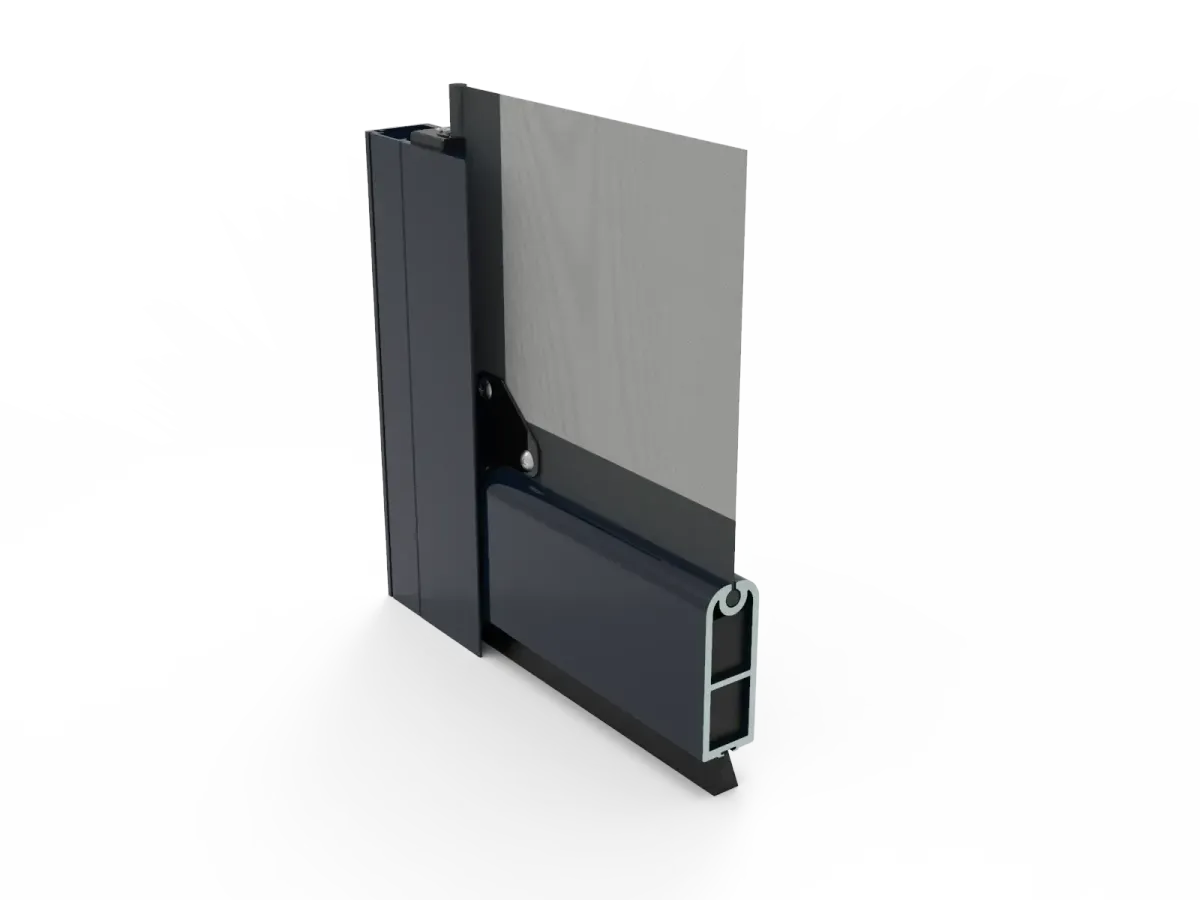
For nearly two decades MaxForce Hurricane Screens has manufactured hurricane screens to meet the most demanding building code, the High Velocity Hurricane Zone of Miami-Dade. The MaxForce track is our newest version of the fixed track we have used with great success for high wind applications all over the globe.
The benefits of a fixed track are unmatched strength - this is important when designing a screen system for hurricanes. When you want the strongest system available, and a proven veteran of many hurricanes, the MaxForce Hurricane Track is your best choice.
MAXFORCE PROVEN PROTECT
Engineered For Excellence
For nearly two decades MaxForce Hurricane Screens has manufactured hurricane screens to meet the most demanding building code, the High Velocity Hurricane Zone of Miami-Dade. The MaxForce track is our newest version of the fixed track we have used with great success for high wind applications all over the globe.
The benefits of a fixed track are unmatched strength - this is important when designing a screen system for hurricanes. When you want the strongest system available, and a proven veteran of many hurricanes, the MaxForce Hurricane Track is your best choice.
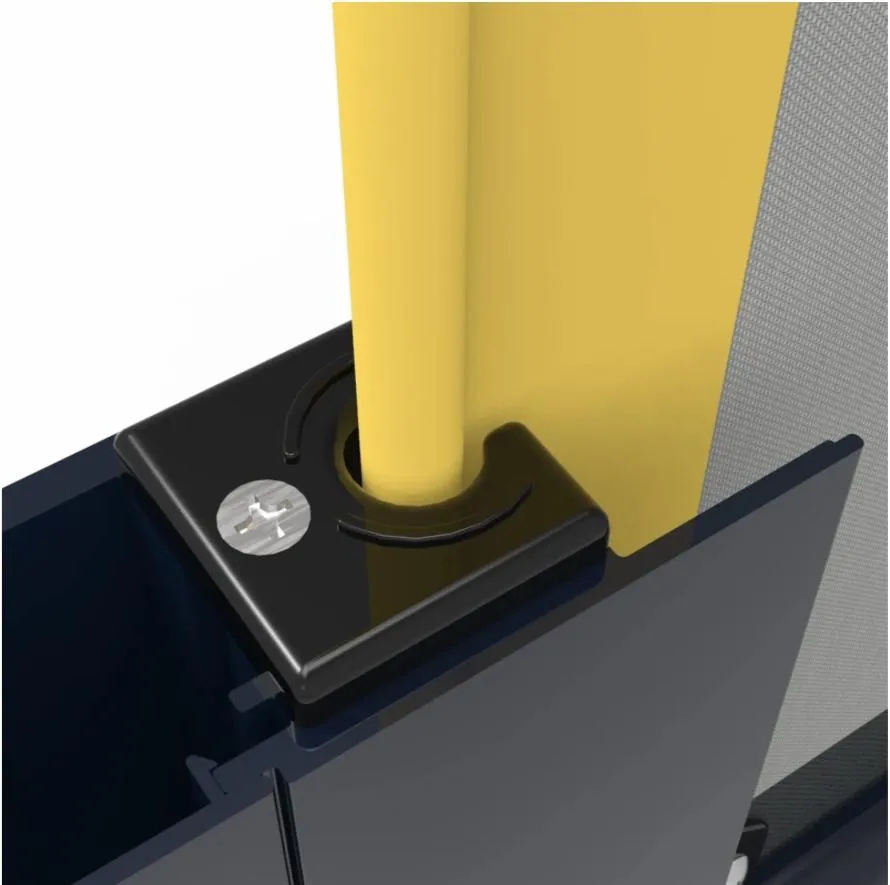
No blowouts. No rewraps. No frustration.
MaxForce is the only retractable screen system on the market designed to stay locked in the track—even in high winds. Smart motor senses resistance and adjusts seamlessly, allowing self-correction when the screen encounters an obstacle: Fewer snags, fewer jams, and fewer costly service calls.
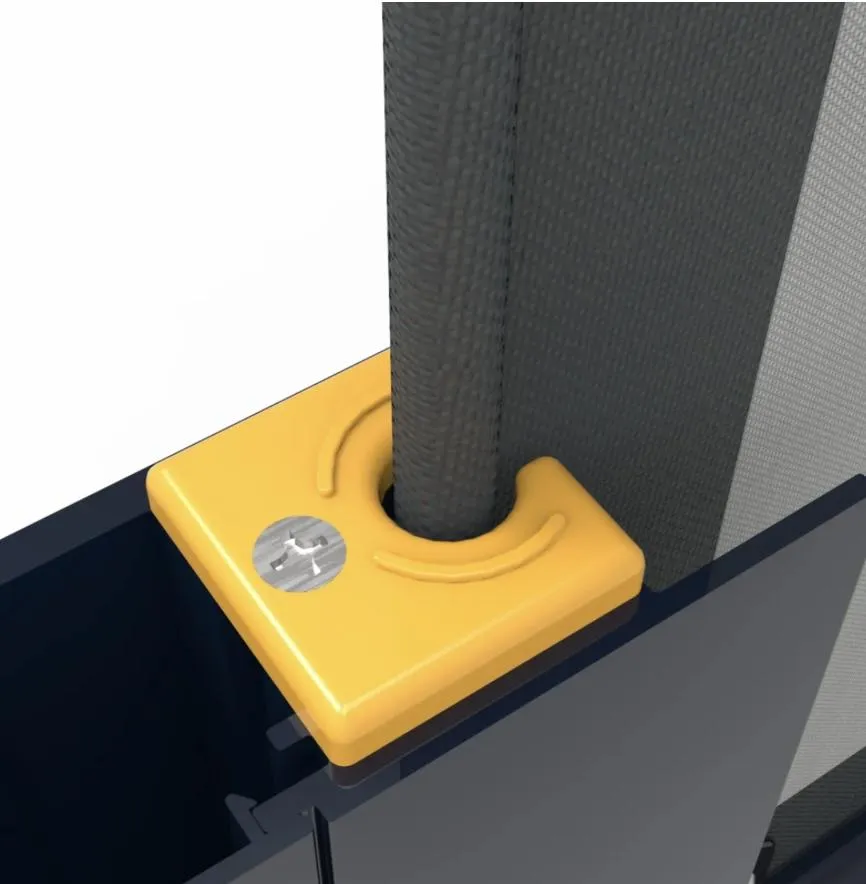
No Zipper. No Cable. Just Simple Deployment
MaxForce Hurricane Screens pioneered Keder-edge technology in motorized screens, delivering unmatched durability and simplicity. Borrowed from sailboat rigging, this system eliminates zippers, cables, and exposed hardware—ensuring smooth, reliable operation every time.
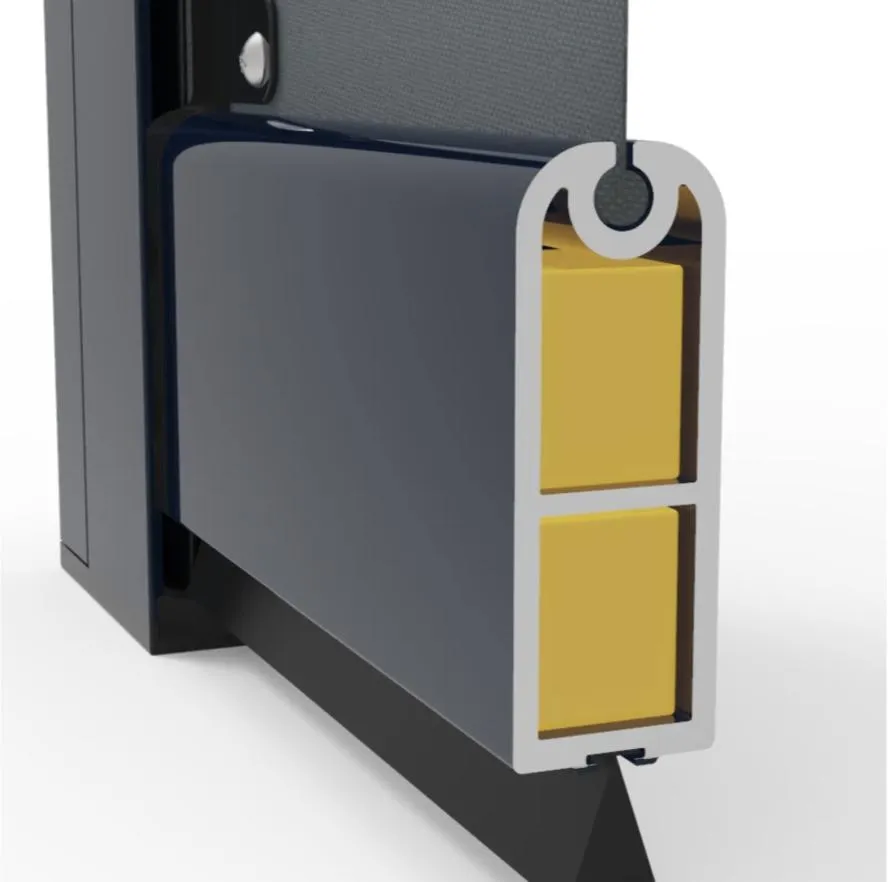
Heavy Duty
The MaxForce weight bar is engineered for strength—and built to hold its ground. Pound for pound, it’s the heaviest and most robust weight bar in the industry. This ensures proper screen tension, flawless deployment, and maximum stability in high wind zones. —limited flex, no failure.
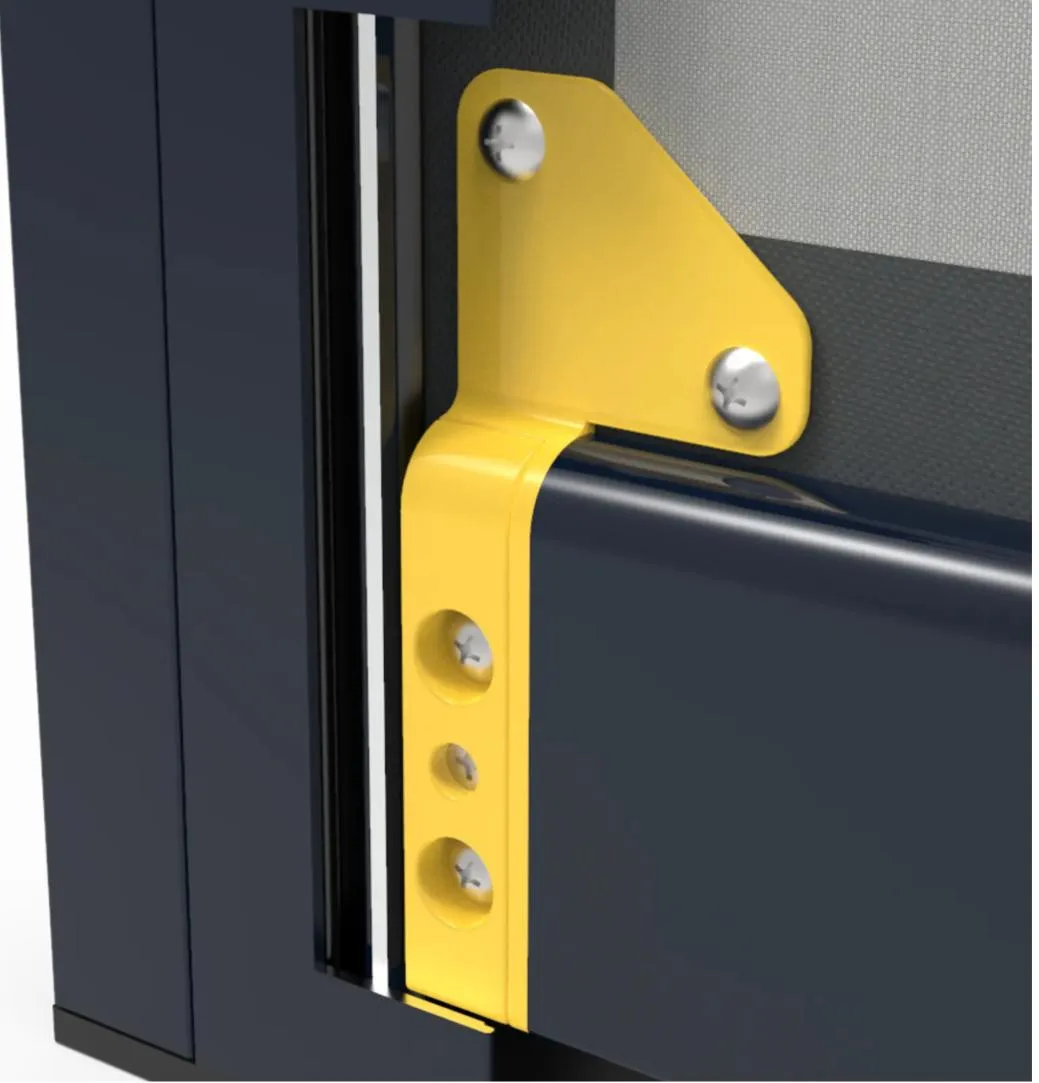
Reinforced Corners
MaxForce’s heavy-duty weight bar isn’t just strong. It’s smart. Reinforced corners and integrated tie-ins create a unified structure that acts like a solid wall of protection when deployed. Made from high-strength nylon, this bar absorbs impacts while maintaining structural integrity.
No blowouts. No rewraps. No frustration.
MaxForce is the only retractable screen system on the market designed to stay locked in the track—even in high winds. Smart motor senses resistance and adjusts seamlessly, allowing self-correction when the screen encounters an obstacle: Fewer snags, fewer jams, and fewer costly service calls.
No Zipper. No Cable. Just Simple Deployment
MaxForce Hurricane Screens pioneered Keder-edge technology in motorized screens, delivering unmatched durability and simplicity. Borrowed from sailboat rigging, this system eliminates zippers, cables, and exposed hardware—ensuring smooth, reliable operation every time.
Heavy Duty
The MaxForce weight bar is engineered for strength—and built to hold its ground. Pound for pound, it’s the heaviest and most robust weight bar in the industry. This ensures proper screen tension, flawless deployment, and maximum stability in high wind zones. —limited flex, no failure.
Reinforced Corners
MaxForce’s heavy-duty weight bar isn’t just strong. It’s smart. Reinforced corners and integrated tie-ins create a unified structure that acts like a solid wall of protection when deployed. Made from high-strength nylon, this bar absorbs impacts while maintaining structural integrity.
Your Vision Deserves
A Partner,
Not Just A Vendor
AMERICAN INGENUITY
Made in the USA.
Proudly Made in the USA—every MaxForce Hurricane Screen is built with American strength, precision, and pride. From the smallest components to the final assembly, our materials are sourced and manufactured right here in the United States. No outsourcing. No compromises. Just hardworking Americans protecting American homes with the toughest screen system on the market.
Your Vision Deserves
A Partner,
Not Just A Vendor
AMERICAN INGENUITY
Made in the USA.
Proudly Made in the USA—every MaxForce Hurricane Screen is built with American strength, precision, and pride. From the smallest components to the final assembly, our materials are sourced and manufactured right here in the United States. No outsourcing. No compromises. Just hardworking Americans protecting American homes with the toughest screen system on the market.
CONSISTENCY.
Quality Made. Professional Installation....
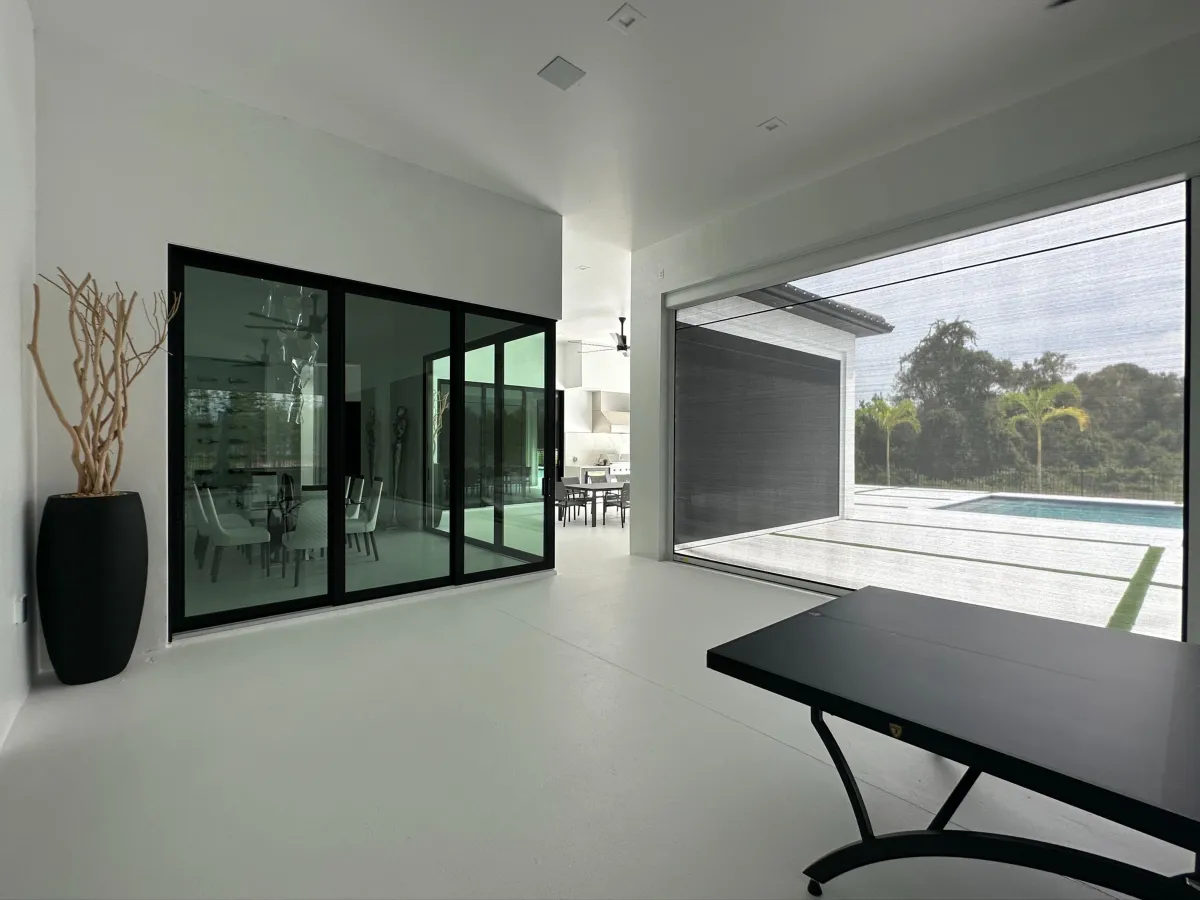
At FL OUTDOOR, quality isn’t a buzzword—it’s a promise. Every MaxForce Hurricane Screens system we install is a product of precision engineering and world-class American manufacturing, built to perform under pressure and look flawless doing it.
We are highly trained professionals who treat your home like their own. From laser-accurate measurements to clean, detail-focused installations, we don’t cut corners—we define them.
CONSISTENCY.
Quality Made. Professional Installation....
At FL OUTDOOR, quality isn’t a buzzword—it’s a promise. Every MaxForce Hurricane Screens system we install is a product of precision engineering and world-class American manufacturing, built to perform under pressure and look flawless doing it.
We are highly trained professionals who treat your home like their own. From laser-accurate measurements to clean, detail-focused installations, we don’t cut corners—we define them.
See What Our Customers Are Saying About Us
See What Our Customers Are Saying About Us
BEYOND
The Here & Now
BEYOND
The Here & Now
BEYOND
The Here & Now
BEYOND
The Here & Now

Restaurant Patio ROI Calculator: Board Meeting Presentation
The Restaurant Patio ROI Calculator — How to Justify the Investment in One Board Meeting

A commercial motorized screen installed on a Florida restaurant patio typically pays back in 6 to 14 months, returning 150 to 300 percent on the initial investment across the first 12 months through recovered weather-service revenue. Presenting that math to ownership or a board takes a six-slide structure built around three scenarios (conservative, base, upside) and anchored on the loss already embedded in your P&L. This blog is the board-meeting framework — the presentation structure, the scenario-modeling approach, the four most common objections and their rebuttals, and how to use the commercial calculator to generate the numbers that close the decision.
The Six-Slide Structure That Closes the Decision
Ownership groups approve capital investments on a familiar pattern: the problem, the solution, the cost, the return, the risk, the ask. Reformat your motorized screen case into that structure and the meeting becomes a 30-minute approval rather than a 90-minute debate. The slides map one-to-one with the work you've already done if you've read the previous blogs in this series.
Slide 1: The Problem — Current Weather-Loss Math
Lead with the loss. Walk through the five-variable formula — Days × Seats × Dollars × Table Turns × Capacity — using your restaurant's actual numbers. Show the annual gross revenue lost to weather-affected services. For a 60-seat Florida dinner patio at $45 average check, that number is typically $220,000 to $280,000 per year. The point of this slide isn't to make ownership uncomfortable; it's to make explicit a number that's already on the P&L but has never been quantified. Capital requests land better when they're framed as recovering hidden money rather than adding speculative money.
Slide 2: The Solution — Screen Type and Commercial Spec
Identify the screen tier and combination specific to your concept (framework covered in the previous blog in this series — clear vinyl, solar, insect, or hurricane Defender, or the common Florida combinations). Confirm the spec is commercial-grade, not residential. The board doesn't need to see spec sheets; they need to see that you've done the diligence. One slide, one image of the deployed install, two or three bullet points naming the tier and the commercial spec elements (motor duty cycle, engineered structural review, service SLA).
Slide 3: The Investment — Scoped Cost Range
Install cost range for your specific patio. Typical Florida commercial installs fall within the $25,000 to $75,000 range, depending on the number of openings, screen tier, and structural complexity. Show a single number for the base-case budget, with a range around it. Include what's in the scope (engineered review, permits, off-peak install, service SLA) and what's out (major structural modifications, electrical rough-in if required). The goal is budget confidence — ownership, seeing a number they trust will hold.
Slide 4: The Return — Conservative, Base, and Upside Scenarios

This is the slide that closes or loses the meeting. Three scenarios, same patio, same investment, different recovery-rate assumptions. Shown side by side. Here's the structure for a representative 60-seat Florida dinner patio:
Variable
1. Install cost (60-seat patio)
2. Weather-affected services / yr
3. Revenue recovery rate
4. Gross revenue recovered / yr
5. Commercial insurance credit / yr
6. Payback period
7. 5-year net return (post-payback)
Conservative
1. $48,000
2. 60
3. 55%
4. $125K
5. —
6. ~14 months
7. $576K
Base Case
1. $38,000
2. 70
3. 70%
4. $185K
5. $1,800
6. ~8 months
7. $926K
Upside
1. $38,000
2. 80
3. 80%
4. $242K
5. $3,200
6. ~6 months
7. $1.24M
What each scenario represents. Conservative uses a 55% revenue recovery rate, the higher end of the install-cost range, and excludes the insurance-credit value — the case that works even if everything goes modestly wrong. Base is the expected outcome at a 70% recovery rate with the commercial insurance credit included. Upside accounts for storm-continuity guest-confidence value (competitive capture when nearby patios close) and higher coverage for the insurance credit — the case that works if things go better than expected.
Presenting all three is more persuasive than presenting the base case alone. Boards evaluating capital requests respond to the conservative scenario first — if even the downside case pays back inside 18 months, the decision is easier to approve.
Slide 5: The Risks — What Could Go Wrong
Name the risks before they're asked. Four common ones: installation cost overruns (mitigated by fixed-fee commercial quotes), installation timing risk to operations (mitigated by off-peak overnight scheduling), motor failure during peak (mitigated by commercial-grade spec and SLA), and weather-loss recovery undershooting the model (mitigated by a conservative scenario that still clears payback). A slide that acknowledges downside demonstrates the case was built rigorously, which is what the board actually wants to confirm before approval.
Slide 6: The Ask — Timeline and Authority
The specific decision you're asking the board to make. Typical structure: approve the capital request, authorize the GM or operating partner to sign a commercial contract with a MagnaTrack Authorized Dealer, with installation scheduled for [specific off-peak window] and completion before [relevant season starts]. The ask is clear, bounded, and linked to a date that creates appropriate urgency. Vague asks to defer to the next meeting. Specific asks get approved.
Building the Three Scenarios
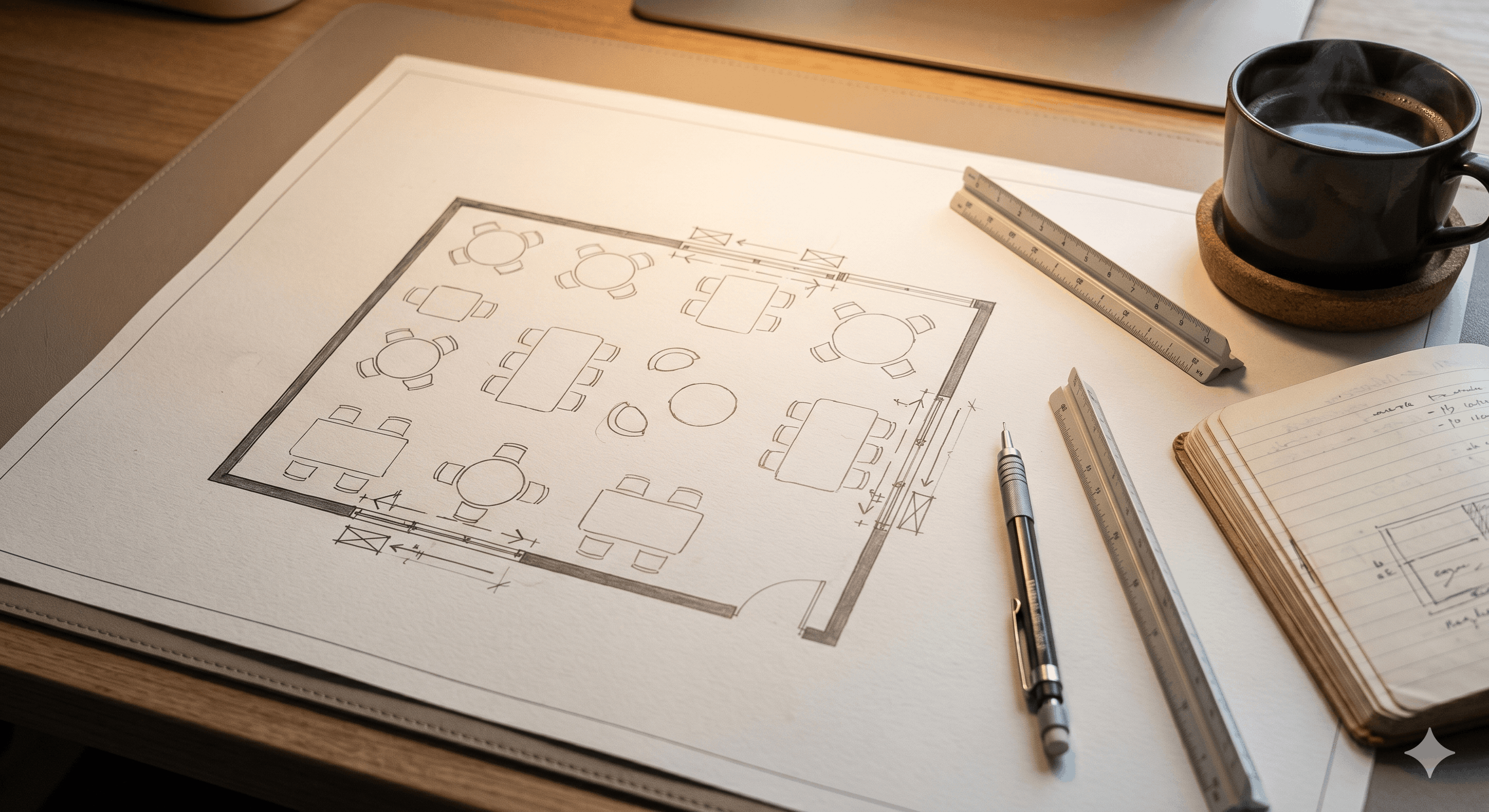
The scenarios are the engine of the slide 4 deliverable. They rest on four variables, each of which you adjust for conservatism or optimism.
Revenue recovery rate. Percentage of previously-lost weather services the motorized screens recover. Conservative: 55%. Base: 70%. Upside: 80%. Very heavy-storm locations should use 50% conservative. Sheltered inland patios with mostly bug and heat pain can use 75% conservative.
Install cost. Conservative uses the upper end of the quoted range and adds a 10% contingency. Base uses the quote. Upside uses the quote. The range typically runs $25,000 to $75,000 for single-patio installs, with multi-opening or hurricane-tier installs extending higher.
Insurance credit. Only applies to hurricane Defender installs or installs that combine Defender with other tiers. Conservative: exclude entirely. Base: include at $1,500 to $2,500 per year depending on carrier estimate. Upside: include at $3,000 to $4,000 per year where comprehensive opening protection is achieved.
Guest-confidence / competitive-capture revenue. The additional revenue from guests choosing your patio over competitors that closed during the same weather event. Conservative: exclude. Base: exclude or include at minimum (a small monthly dollar figure). Upside: include at modeled levels for storm-season continuity and peak-tourism cold-snap continuity.
The Four Most Common Board Objections
Objection 1: Can we wait another year and revisit? Every additional year of weather-affected services runs the same loss total against the investment case. For the representative 60-seat patio losing $265,000 per year in gross revenue, waiting one year adds $265,000 to the cumulative opportunity cost — more than 6x the install budget. The investment math gets stronger the longer the patio has been losing revenue, not weaker. The most common objection against moving forward is usually the most expensive one.
Objection 2: What if we just install fixed awnings? Fixed awnings provide partial shade and one-direction rain protection but cannot retract, cannot enclose the space for wind or cold-snap protection, cannot adjust to sun angle throughout the service day, and cannot accommodate storm loading without physical removal. The ROI case for motorized vs. awnings compares a three-season operational patio against a partial-weather patio — with total-cost-of-ownership over 10 years typically favoring motorized even at the higher initial cost.
Objection 3: What about ongoing maintenance costs? Commercial motorized screens have a predictable maintenance budget — annual recalibration, fabric cleaning, pre-hurricane-season inspection — typically running $800 to $2,500 per year. A 2 to 4 percent of install cost annual maintenance line covers routine service. Motor and fabric are covered under MagnaTrack warranty through year 5 (motor) and year 15 (fabric) when properly spec'd. Maintenance is not the risk the objection imagines.
Objection 4: What if payback is slower than modeled? Even in the conservative scenario, the investment is a tangible physical improvement to the property with residual asset value at resale or refinance. A commercial real estate appraisal typically captures motorized screen enclosures as a capital improvement, with some portion of the installation cost recoverable even in a slow-recovery scenario. The downside isn't zero return; it's a slower return.
Run the Calculator Before the Board Meeting
The commercial calculator at floridalivingoutdoor.com/commercial-solutions produces the base-case numbers for your patio in under five minutes. Enter your seats, average check, table turns, capacity assumption, and weather-affected services estimate. Enter the screen-tier combination. The output returns an install cost range and an annual weather-loss recovery projection — the raw inputs for slides 3 and 4 of your board presentation.
Build the conservative and upside scenarios by hand from the base case using the variable adjustments described above. Most operators find that the base case already clears the approval threshold; the conservative and upside cases are there to anchor confidence and pre-empt objections.
The Operational Continuity Case (Beyond ROI)
Pure ROI math closes most board meetings. For some concepts — premium dining, hotel-resort restaurants, multi-unit groups — the conversation also benefits from operational-continuity arguments that don't show up cleanly in the financial model.
Staff continuity. A patio that closes due to unpredictable weather sends servers home mid-shift. Staff turnover costs compound. A patio that runs reliably protects both labor economics and culture.
Guest loyalty. Regulars expect continuity. A canceled reservation due to the weather pushes guests to competitors that didn't close. The second visit to the competitor is the one that converts them.
Private events and bookings. Rehearsal dinners, corporate events, milestone celebrations — bookings that can't risk weather disruption go to enclosed or semi-enclosed spaces. A motorized-screen patio qualifies for booking that unprotected patios cannot. Private event revenue is often higher-margin than standard service revenue.
Brand signaling. A deployed motorized screen during a storm is a visible operational statement — to guests inside, to passersby, and to the competitive set. Concepts that invest in continuity signal confidence.
Not every board needs these arguments. Some do. Include them where the operating-continuity case is as material as the financial one.
The Close
Eight blogs, two tracks, one underlying message: Florida outdoor spaces — residential and commercial alike — are underperforming against what they could be, because the market has accepted weather as a fixed cost of operating them. It isn't. The math has been runnable for years. The products have existed. What's missing from most operators' planning cycles is the five-minute calculator run and the 30-minute board meeting that converts embedded loss into recovered revenue.
Florida Living Outdoor built the residential and commercial calculators to make those five minutes easy. The commercial calculator is live, and this blog is the framework for what you do with its output.
Frequently Asked Questions
What's the payback period on a commercial motorized screen install for a restaurant?
Typical commercial payback runs 6 to 14 months, depending on patio size, concept, weather exposure, and install scope. A 60-seat Florida dinner patio recovering 70 percent of previously-lost weather services at a $45 average check typically pays back an $38,000 commercial install in under 8 months. Conservative scenarios with lower recovery rates and higher install costs extend payback to 12 to 14 months. Upside scenarios with storm-continuity guest-confidence value and full insurance credit can compress payback under 6 months.
How do I justify a commercial motorized screen investment to ownership or the board?
Present a six-slide structure: current weather-loss math, the recovery solution with spec detail, the investment range, the return calculation (conservative/base/upside scenarios), the risks and mitigations, and the ask with timeline. Use the commercial calculator to generate the base numbers. Anchor on the loss math first — ownership groups typically approve investments that recover hidden revenue faster than investments that add new revenue, because the loss is already on the P&L even if no one has quantified it.
What's the expected ROI on a restaurant patio enclosure in Florida?
A typical Florida commercial motorized screen install returns 150 to 300 percent on initial investment across the first 12 months through recovered weather-service revenue, with ongoing returns of 400 to 800 percent annualized across the 15-year warranty window when the install is properly specified. The exact ROI depends on current weather-loss exposure, concept type, recovery rate, insurance-credit eligibility, and whether the install is residential-grade or commercial-spec. Residential-spec installs on commercial patios typically fail within 3 years and void the ROI.
Do commercial motorized screens qualify for an insurance discount in Florida?
Yes. Hurricane Defender installations with Florida Product Approval F30798 typically qualify the commercial property for a wind mitigation credit on the restaurant's commercial insurance policy. The credit varies by carrier, property type, and how comprehensively the openings are protected. Reported commercial savings typically run $1,500 to $4,000 annually for full-coverage installs on restaurant and hospitality properties, though restaurant-specific figures depend heavily on carrier underwriting.
What if my board wants to wait another year?
Each additional year of weather-affected services runs the same loss total against the investment case. For a typical 60-seat dinner patio losing approximately $265,000 per year in gross revenue, waiting another year adds $265,000 to the case's cumulative opportunity cost — more than 6x the install budget. The investment math improves the longer the patio has been losing revenue, not the shorter. The most common objection against waiting is the one that becomes most expensive.
How does a commercial motorized screen compare to a fixed awning for restaurant use?
Fixed awnings provide partial shade and rain protection from one direction but cannot retract, cannot enclose the space for wind or cold-snap protection, cannot adjust to sun angle throughout the service day, and typically cannot accommodate storm loading without being physically removed. Motorized screens offer retractability, multi-weather protection, and code-compliant opening protection (at the Defender tier). Initial cost is higher for motorized screens; total cost of ownership, including replacement and lost-revenue recovery, typically favors motorized over a 10-year horizon.
What ongoing costs should I budget for a commercial motorized screen install?
Annual maintenance budget for a typical commercial install runs $800 to $2,500 per year across all openings — primarily annual pre-hurricane-season recalibration, fabric cleaning, and magnet-track inspection. Motor replacement is covered under warranty for the first 5 years when properly specified; out-of-warranty replacement runs $1,200 to $1,800 per opening. Fabric replacement runs 15-year intervals under warranty. Budget a service-contract line of approximately 2 to 4 percent of install cost annually to fully maintain a commercial system at peak performance.
Florida Living Outdoor is a MagnaTrack Authorized Dealer serving Central and South Florida hospitality operators. Veteran-owned. Owner-operated. Run your commercial calculator to generate the numbers for your board presentation.

COMPANY
MOTORIZED SCREENS
SHADE SOLUTIONS
FENCING & LIGHTING
DESIGN IDEAS
SUPPORT



Copyright 2026. FL OUTDOOR. All Rights Reserved.
Powered and Built By