
Florida Living Outdoor, Winter Park...
TRANSFORM YOUR WINTER PARK OUTDOOR WITH PREMIUM MOTORIZED SCREENS | PERGOLAS | LIGHTING | AWNINGS
OPTIMIZE YOUR WINTER PARK HOME'S OUTDOOR LIVING SPACE
FLORIDA'S MOTORIZED SCREEN STORE
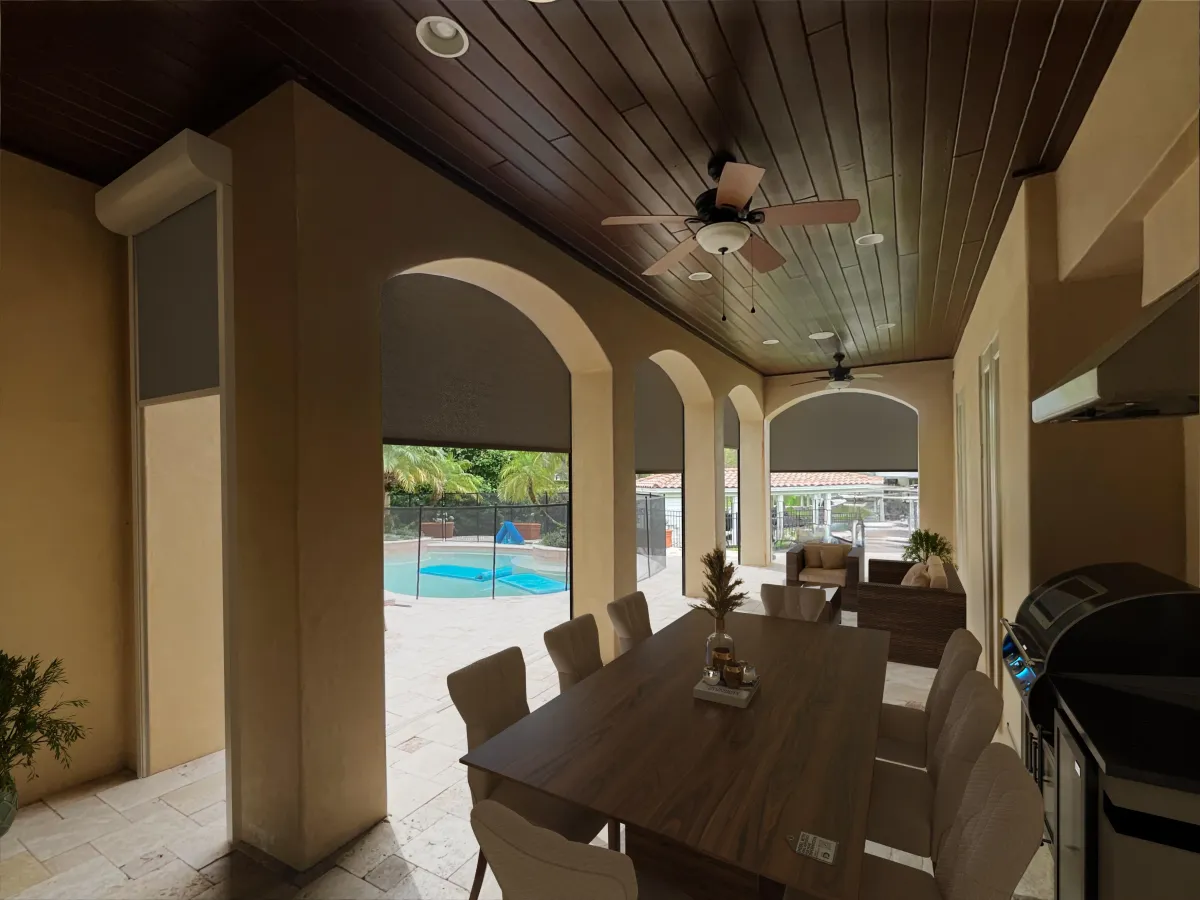
Defender Motorized Screens, Winter Park
Our MagnaTrack Defender Hurricane Screens are rated for a Cat-5, offering impact absorption. Storm prep for Patios & Lanais made simple.
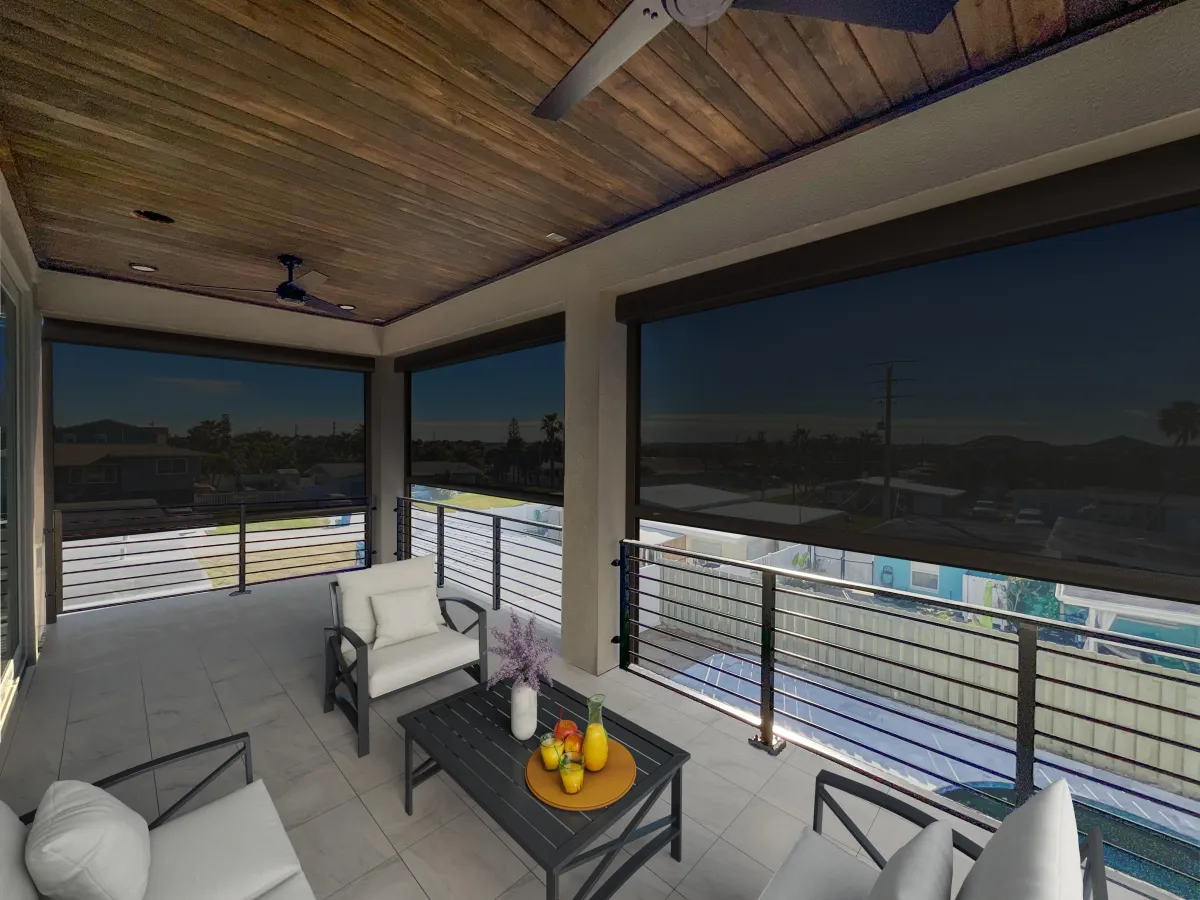
Retractable Bug Screens, Winter Park
Do pesky insects evict you from your patio 30 minutes before dusk? Avoid the itch; click a button and watch Fenetex Motorized Screens deploy
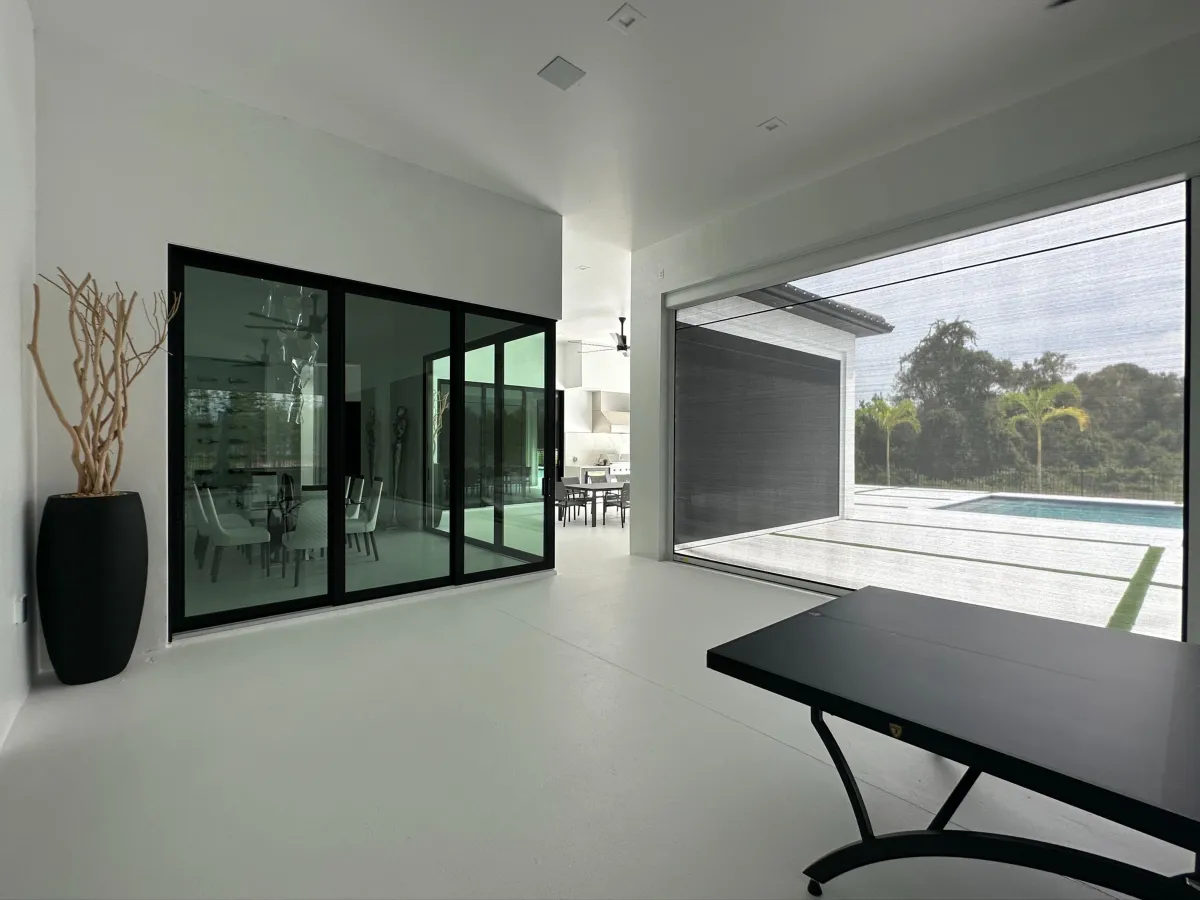
Retractable Sun Shades, Winter Park
Beat the Heat. Getting Chased off your patio or lanai. Our MagnaTrack Solar shades for patios and lanais blocks up to 80% -97% of harmful UV rays
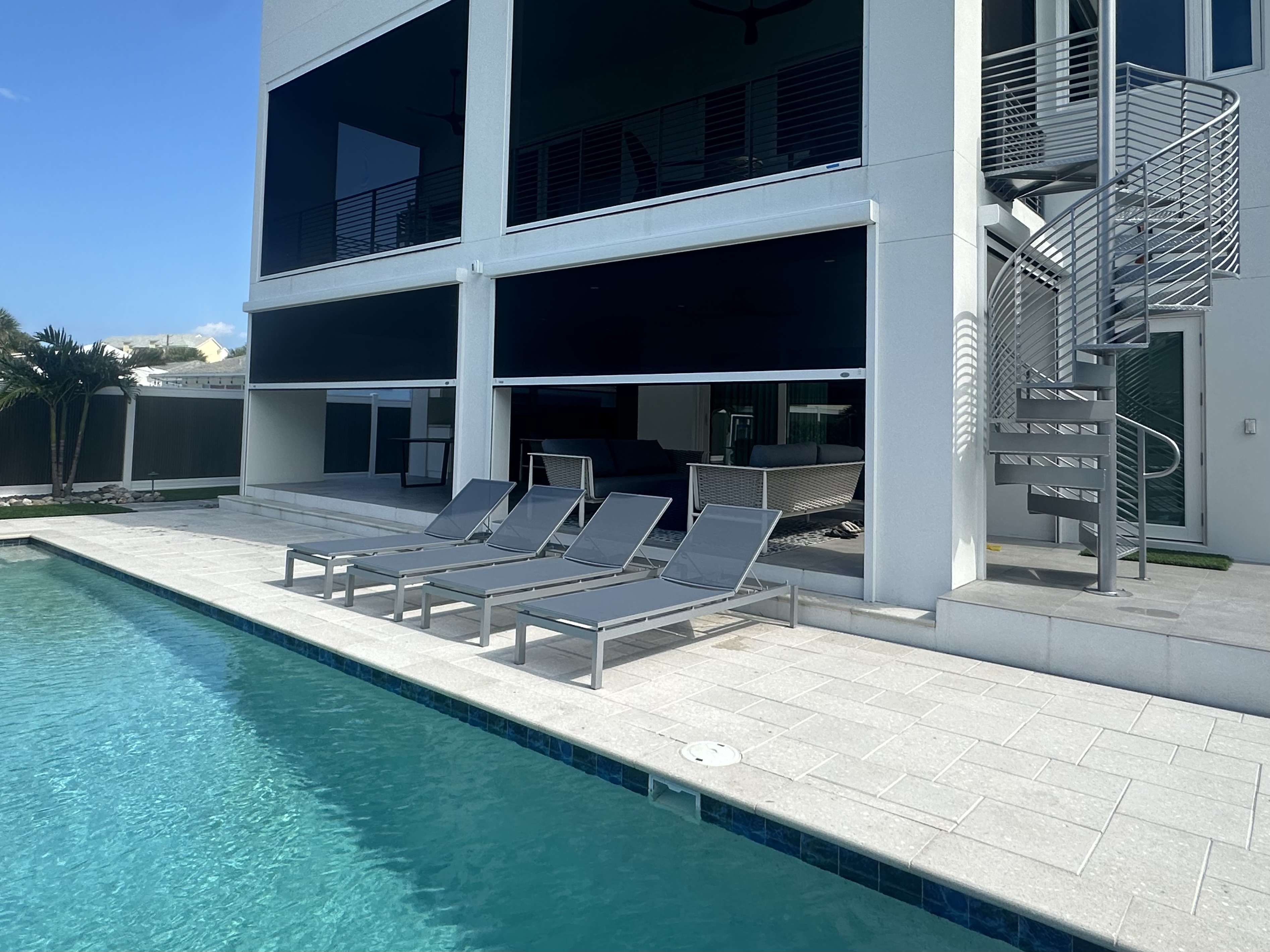
Retractable Privacy Screens, Winter Park
Do your neighbor's see more of your patio than you do? Click a button & watch the MagnaTrack Privacy Screens deploy. You can see out, but they can't see in.
Best In Class
Motorized Screens...
Let's face it. Winter Park, Florida is prone to extreme weather, hot sun, and pesky insects. The safety and protection of our home's lanai and patio spaces are critical.
Florida Living Outdoor is here to assist you in protecting your Patio and Lanai. Our patented design offers robust solutions such as retractable shade, insect, and hurricane protection. Our MagnaTrack Defender Screens provide exceptional defense against the Florida elements 365 days a year.
Whether you are looking for a motorized screen company inWinter Park Florida, we are happy to announce a Partnership with MagnaTrack and Fenetex to bring you a motorized hurricane screen, providing peace of mind when it's needed most.
Best In Class
Motorized Screens...
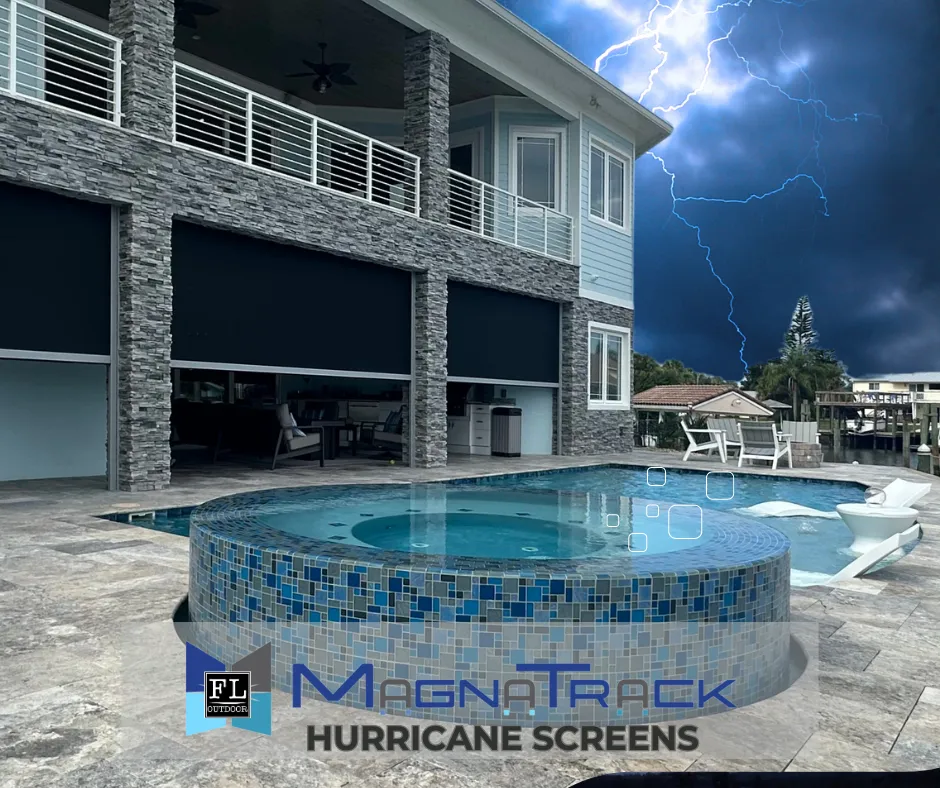
Let's face it. Winter Park, Florida is prone to extreme weather, hot sun, and pesky insects. The safety and protection of our home's lanai and patio spaces are critical.
Florida Living Outdoor is here to assist you in protecting your Patio and Lanai. Our patented design offers robust solutions such as retractable shade, insect, and hurricane protection. Our MagnaTrack Defender Screens provide exceptional defense against the Florida elements 365 days a year.
Whether you are looking for a motorized screen company in Winter Park Florida, we are happy to announce a Partnership with MagnaTrack and Fenetex to bring you a motorized hurricane screen, providing peace of mind when it's needed most.
WHY FLORIDA LIVING OUTDOOR, WINTER PARK...?
When it comes to enhancing your Winter Park Florida outdoor living spaces, making them a little more functional, or simply looking for a motorized screen company near you, choose Florida Living Outdoor with unmatched quality and expertise.
The bottom line is that nobody knows Azenco-Outdoor Pergolas, Sun Pro Awnings, and MagnaTrack Motorized Screens better than Florida Living Outdoor. We are Winter Park Florida's number one Trusted resource for Motorized Screens and Pergolas.
Your Vision Deserves
A Partner
Who Listens...
Your Vision Deserves
A Partner
Who Listens...
PERGOLAS IDEAS
WINTER PARK FLORIDA ALUMINUM PERGOLAS
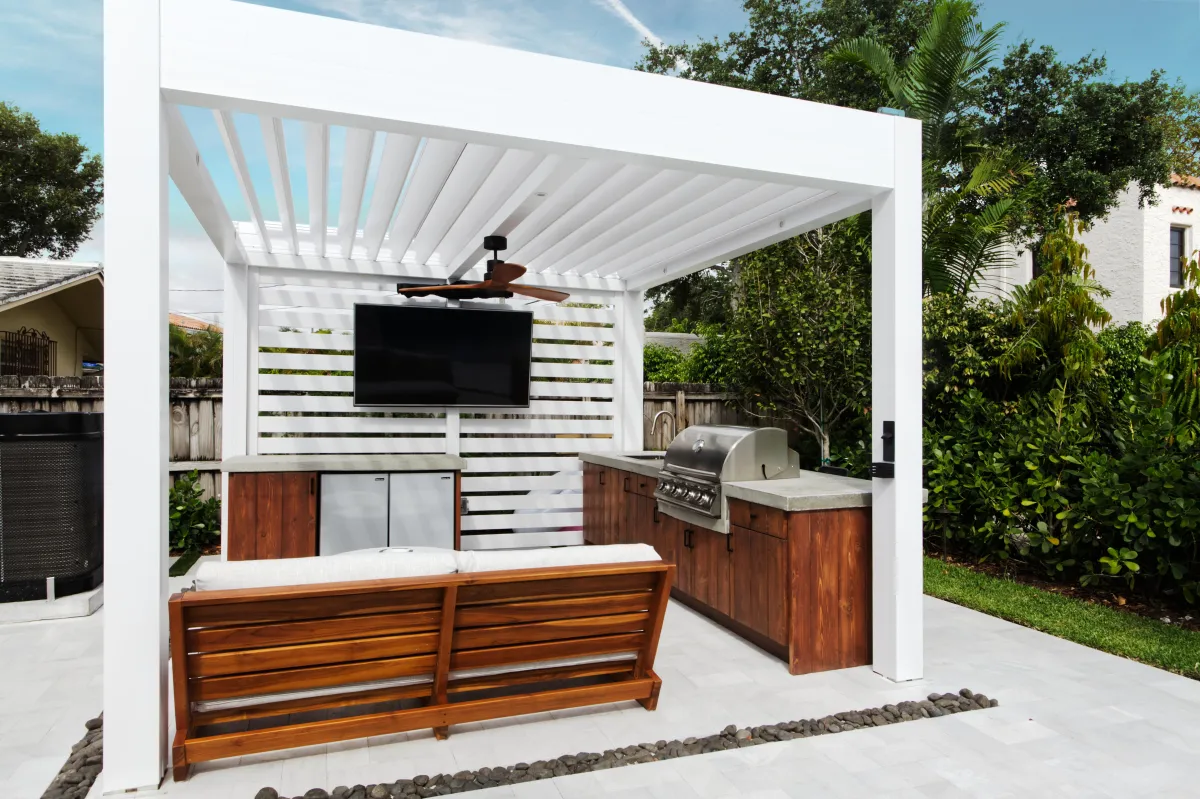
Louver Roof Pergolas, Winter Park Florida
Enhance your Winter Park outdoor space with aluminum pergolas with louvers, This modern pergola idea lets you control sunlight and airflow, creating the perfect ambiance year-round.
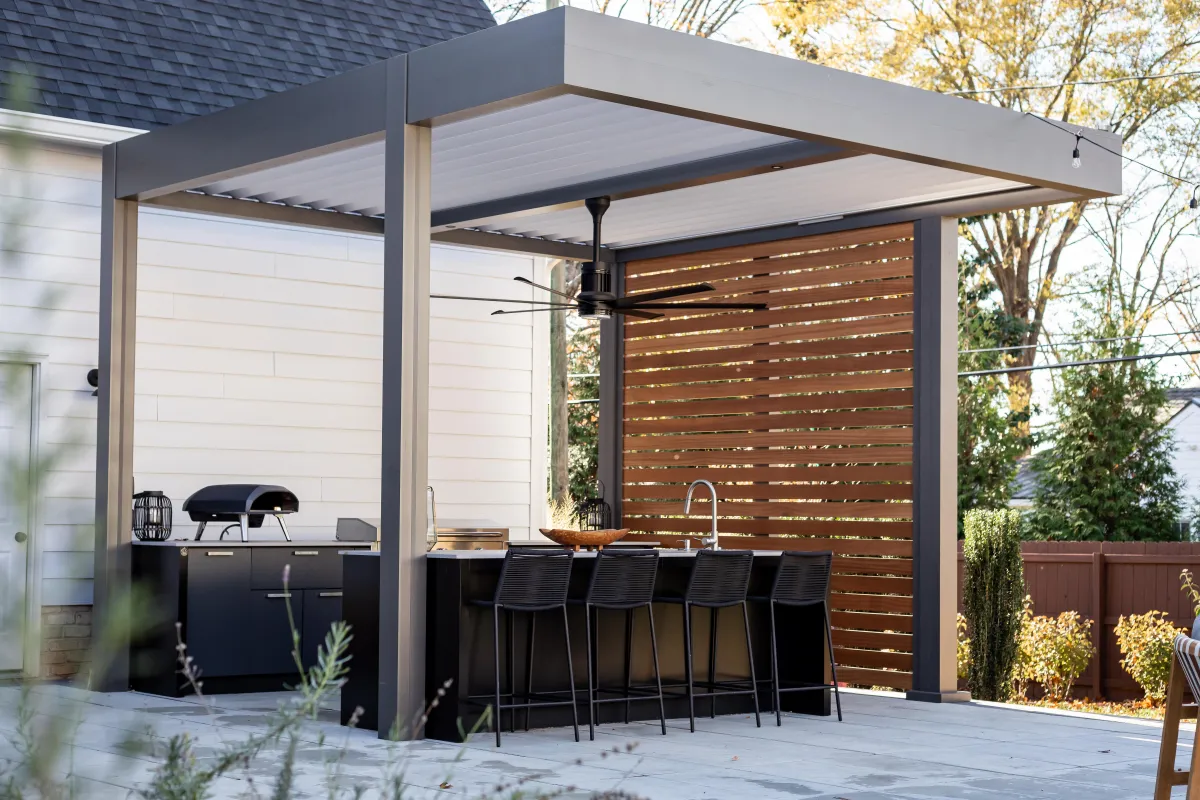
Insulated Roof Pergolas, Winter Park Florida
For a cooler, more comfortable outdoor retreat, insulated roof pergolas provide superior protection from heat and rain in Winter Park, Florida. This pergola idea blends style and function, making your patio usable in any season.
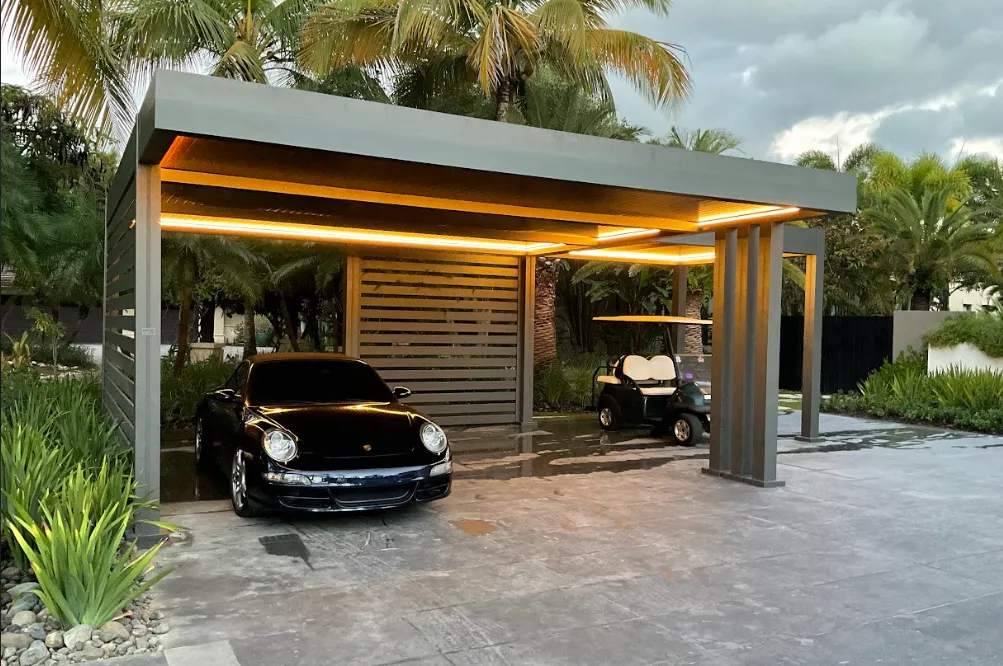
Aluminum Carports, Winter Park Florida
Protect your vehicles with durable aluminum carports, a sleek and modern alternative to traditional garages, creating curb appeal while shielding your car from the elements.
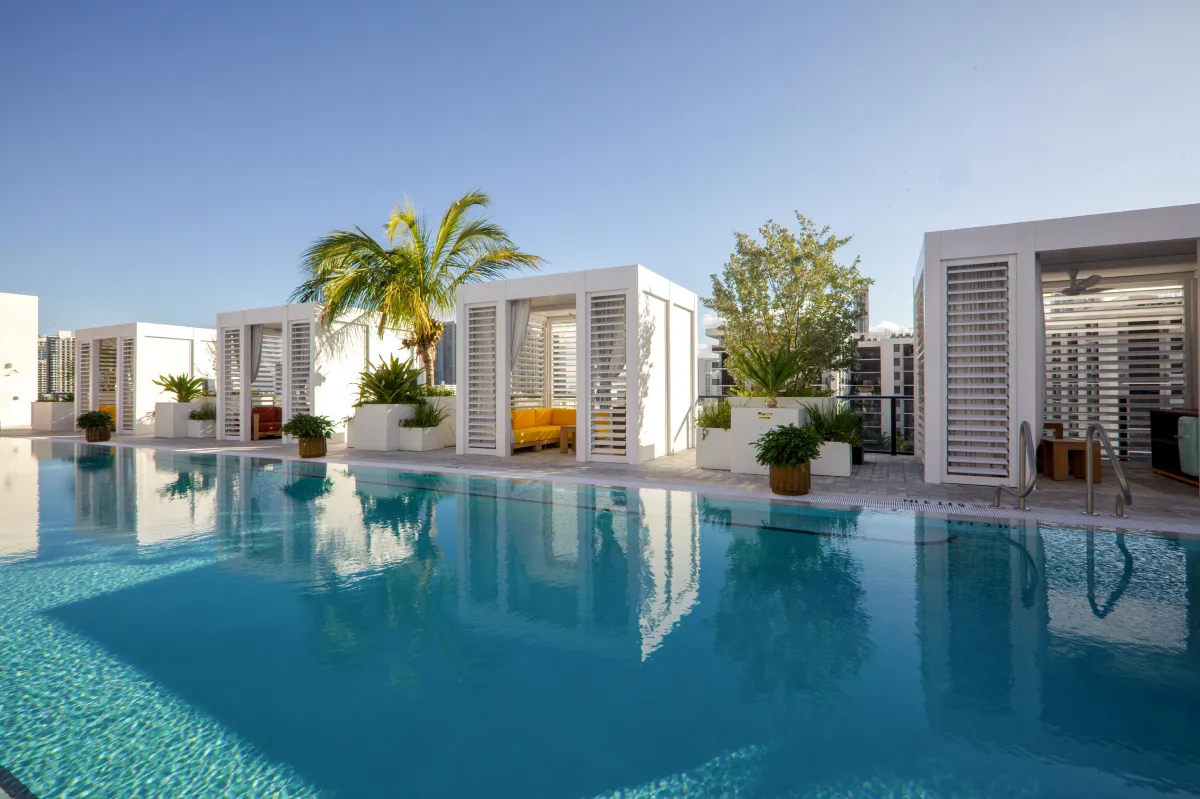
Aluminum Cabanas, Winter v Florida
Create a private, resort-style escape with aluminum cabanas, perfect for poolside lounging or outdoor entertaining. This pergola idea combines shade, style, and durability for a luxurious backyard retreat.
Creating
Functional Living Outdoors, Winter Park Florida
At Florida Living Outdoor, we specialize in enhancing, expanding, and protecting your outdoor living spaces, making them more functional and enjoyable. It does not matter if it is an open space, patio, or lanai. We offer top-of-the-line solutions, including motorized retractable screens, sun awnings, and aluminum pergolas.
We serve Winter Park, Florida. We are Winter Park Florida's preferred vendor of choice for both MagnaTrack motorized screens and Azenco Outdoor aluminum pergolas, louver or insulated roof. Florida Living Outdoor is the name Floridians' trust for Functional Outdoor Living.
Work requiring DBPR licensure in partnership with CGC1532839
Creating
Functional Living Outdoors, Winter Park Florida
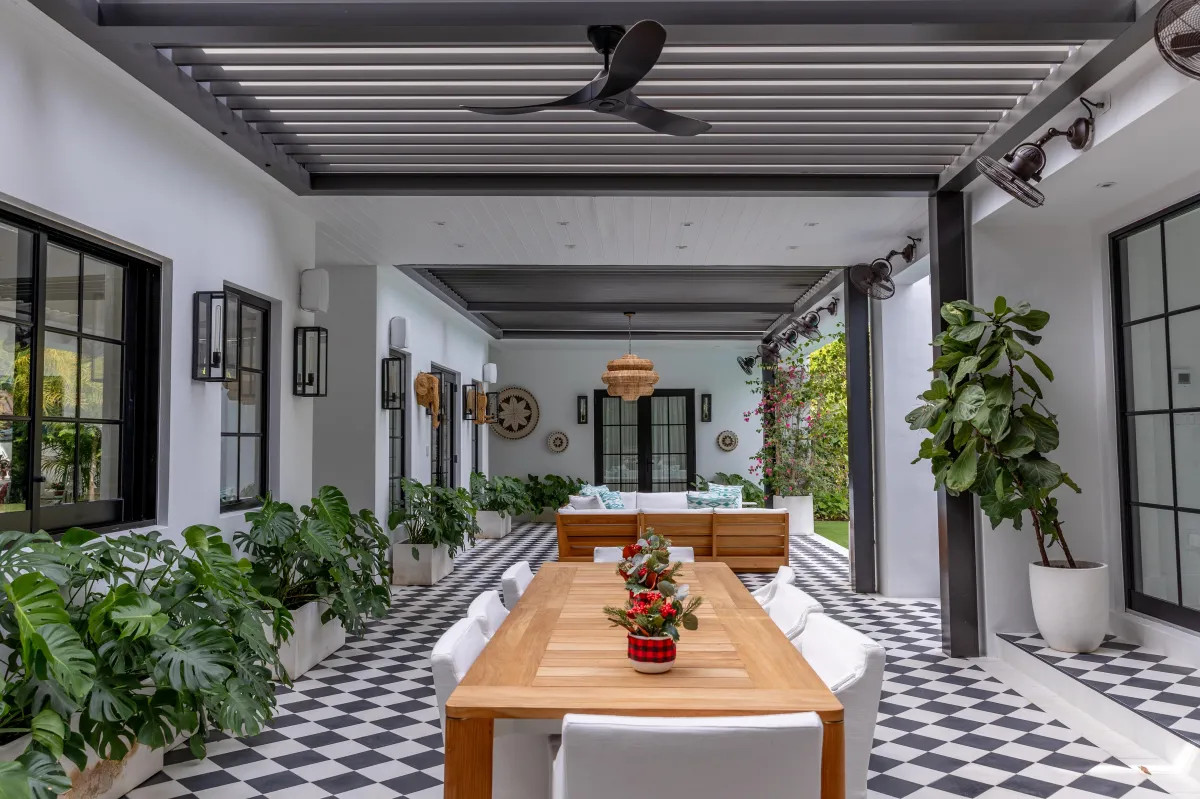
At Florida Living Outdoor, we specialize in enhancing, expanding, and protecting your outdoor living spaces, making them more functional and enjoyable. It does not matter if it is an open space, patio, or lanai. We offer top-of-the-line solutions, including motorized retractable screens, sun awnings, and aluminum pergolas.
We serve Winter Park, Florida. We are Winter Park Florida's preferred vendor of choice for both MagnaTrack motorized screens and Azenco Outdoor aluminum pergolas, louver or insulated roof. Florida Living Outdoor is the name Floridians' trust for Functional Outdoor Living.
Work requiring DBPR licensure in partnership with CGC1532839
European Quality
Luxury Pergolas
Enhance your Winter Park outdoor living experience with a premium pergola installed by Florida Living Outdoor. Central and East the cost of Florida's, leading pergola contractor.
Our Winter Park pergolas, crafted by Azenco-Outdoor, and possess the quality of European Manufacturing made right here in Florida. Each Resort Style Pergola are stylish outdoor structures; they are a lifestyle upgrade.
Our pergolas create the perfect blend of shade, comfort, and elegance, transforming your outdoor space into a year-round Functional outdoor space and haven.
European Quality
Luxury Pergolas
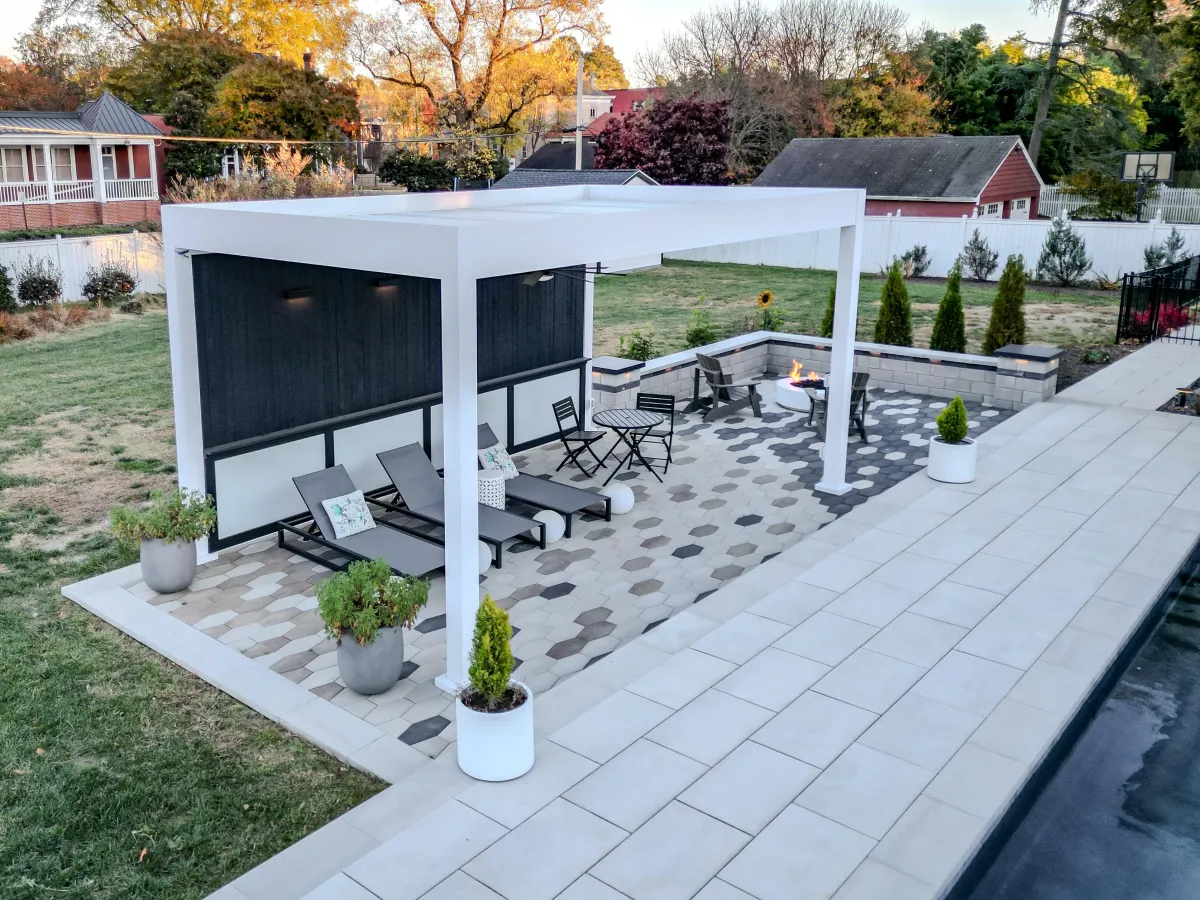
Enhance your Winter Park outdoor living experience with a premium pergola installed by Florida Living Outdoor. Central and East the cost of Florida's, leading pergola contractor.
Our Winter Park pergolas, crafted by Azenco-Outdoor, and possess the quality of European Manufacturing made right here in Florida. Each Resort Style Pergola are stylish outdoor structures; they are a lifestyle upgrade.
Our pergolas create the perfect blend of shade, comfort, and elegance, transforming your outdoor space into a year-round Functional outdoor space and haven.
The Florida Living Outdoor Advantage

Luxury Products
Each Awning is designed for Quality and we proudly install only premium grade product that function well in creating those outdoor spaces. MagnaTrack screens are designed to truly enhance your outdoor living experience and deliver trouble-free performance year after year.d long lasting beauty..

Local Experts
As a family-veteran-owned, faith-based business, our team brings a personal touch to every project. We care. Our goal is to ensure your satisfaction and deliver unmatched service and outdoor luxury spaces.

Extensive Experience
FL Outdoors possesses a track record of 26 years of serving major clients; our extensive experience speaks for itself. Trust our licensed Class A contractor services for excellence in installation and customer satisfaction.

Superior Service
At Florida Living Outdoor, white-glove service is our hallmark. Your job is to dream and let us create a smile. Out Educational We prioritize your needs, ensuring a hassle-free experience from consultation to installation.
Your Vision Deserves
A Partner
Who Cares...
SHADE AND PRIVACY
OTHER WINTER PARK FLORIDA LIVING OUTDOOR PRODUCT LINES
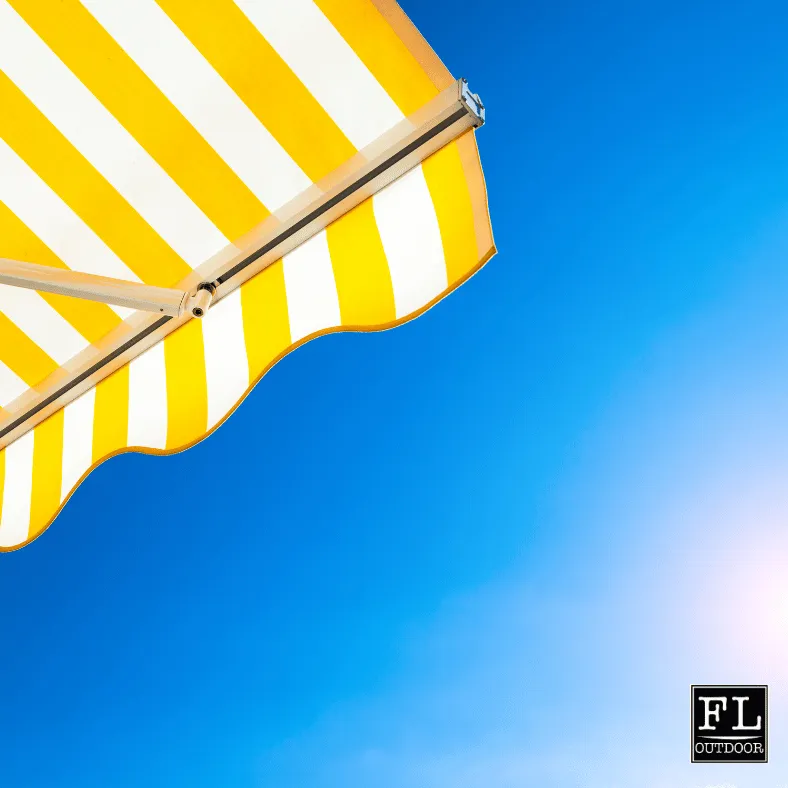
Retractable Awnings
Enjoy on-demand sun protection with retractable awnings, offering shade when you need it and open skies when you don't.
Motorized Awnings: Upgrade your outdoor space with motorized awnings, providing effortless sun protection at the touch of a button.
Commercial Awnings: Protect your business entrance or outdoor seating with commercial awnings designed for durability and superior sun protection.
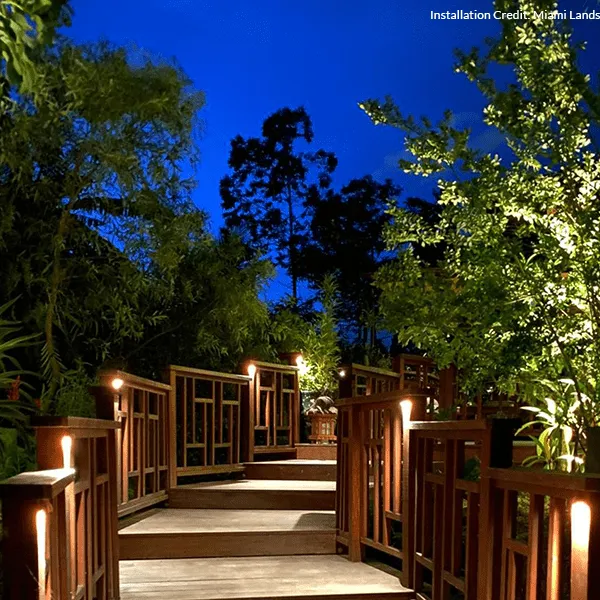
Garden LED Lights
At Florida Living Outdoors, we specialize in creating beautiful, customized outdoor lighting solutions.
We proudly serve homeowners and businesses across the Central Florida region, delivering high-quality installations with Garden Light LED products.
Whether you're looking to increase your home's security, boost curb appeal, or create a stunning outdoor ambiance, our team is here to bring your vision to life.
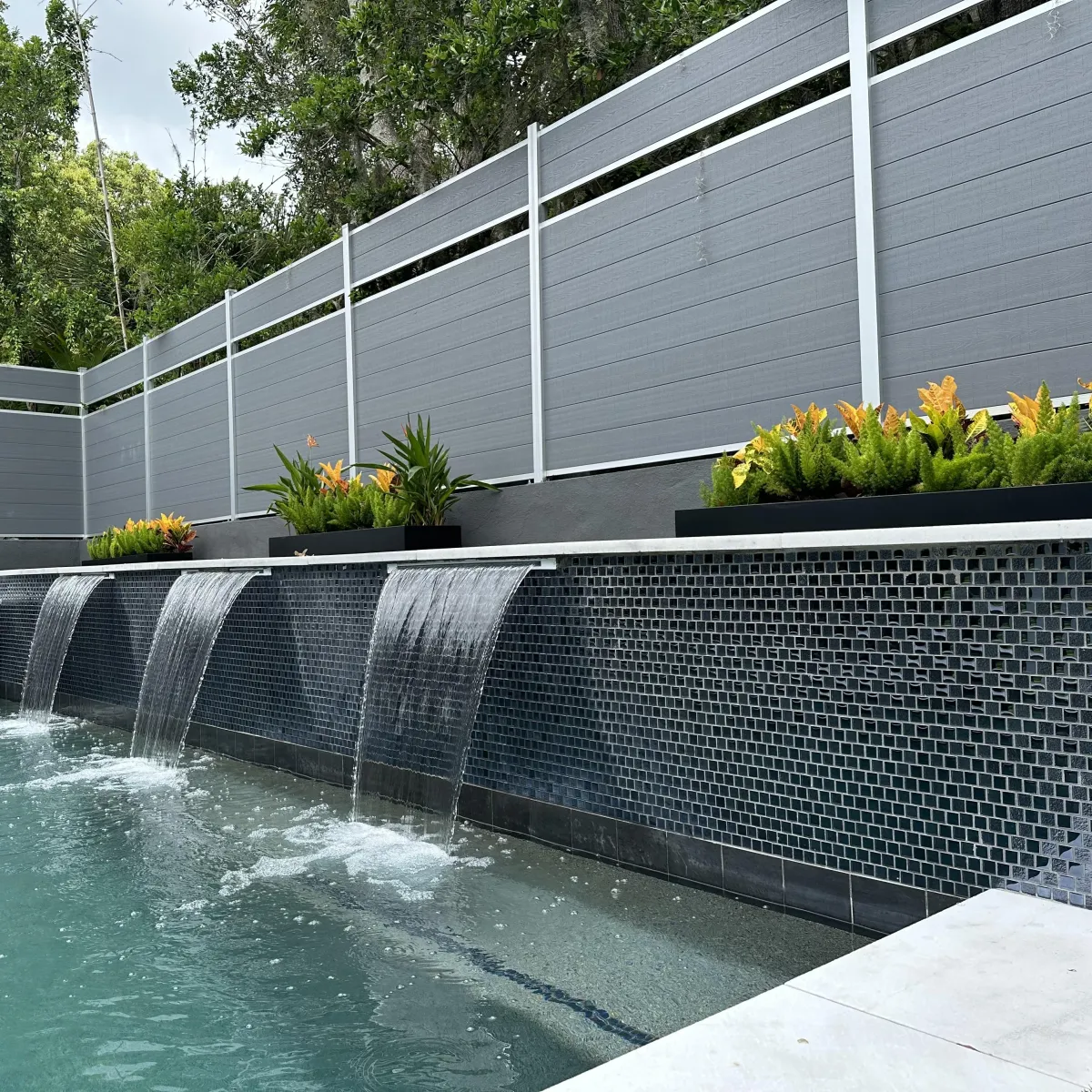
Custom Horizontal Fence
Florida Living Outdoors is Florida's Choice for Greenwood Fence. Greenwood is a distributor of high-quality modern European-style fencing for the residential, commercial, industrial, and agricultural sectors.
Need a fence that combines aesthetics with durability and requires very little maintenance? Welcome to wood plastic composite (WPC) fence solutions, an increasingly desirable, modern, and practical alternative to traditional fence options such as lumber.
The Florida Living Outdoor Advantage
Luxury Products
Each Awning is designed for Quality and we proudly install only premium grade product that function well in creating those outdoor spaces. MagnaTrack screens are designed to truly enhance your outdoor living experience and deliver trouble-free performance year after year.d long lasting beauty..
Local Experts
As a family-veteran-owned, faith-based business, our team brings a personal touch to every project. We care. Our goal is to ensure your satisfaction and deliver unmatched service and outdoor luxury spaces.
Extensive Experience
FL Outdoors possesses a track record of 26 years of serving major clients; our extensive experience speaks for itself. Trust our licensed Class A contractor services for excellence in installation and customer satisfaction.
Superior Service
At Florida Living Outdoor, white-glove service is our hallmark. Your job is to dream and let us create a smile. Out Educational We prioritize your needs, ensuring a hassle-free experience from consultation to installation.
SHADE AND PRIVACY
OTHER WINTER PARK FLORIDA LIVING OUTDOOR PRODUCT LINES
Retractable Awnings
Enjoy on-demand sun protection with retractable awnings, offering shade when you need it and open skies when you don't.
Motorized Awnings: Upgrade your outdoor space with motorized awnings, providing effortless sun protection at the touch of a button.
Commercial Awnings: Protect your business entrance or outdoor seating with commercial awnings designed for durability and superior sun protection.
Garden LED Lights
At Florida Living Outdoors, we specialize in creating beautiful, customized outdoor lighting solutions.
We proudly serve homeowners and businesses across the Central Florida region, delivering high-quality installations with Garden Light LED products.
Whether you're looking to increase your home's security, boost curb appeal, or create a stunning outdoor ambiance, our team is here to bring your vision to life.
Custom Horizontal Fence
Florida Living Outdoors is Florida's Choice for Greenwood Fence. Greenwood is a distributor of high-quality modern European-style fencing for the residential, commercial, industrial, and agricultural sectors.
Need a fence that combines aesthetics with durability and requires very little maintenance? Welcome to wood plastic composite (WPC) fence solutions, an increasingly desirable, modern, and practical alternative to traditional fence options such as lumber.
Your Vision Deserves
A Partner
Who Cares...
SCHEDULE A FREE 20 MINUTE DESIGN CONSULT
Your Vision Deserves
A Partner
Who Delivers...
Your Vision Deserves
A Partner
Who Delivers...
No Mater Your Need.
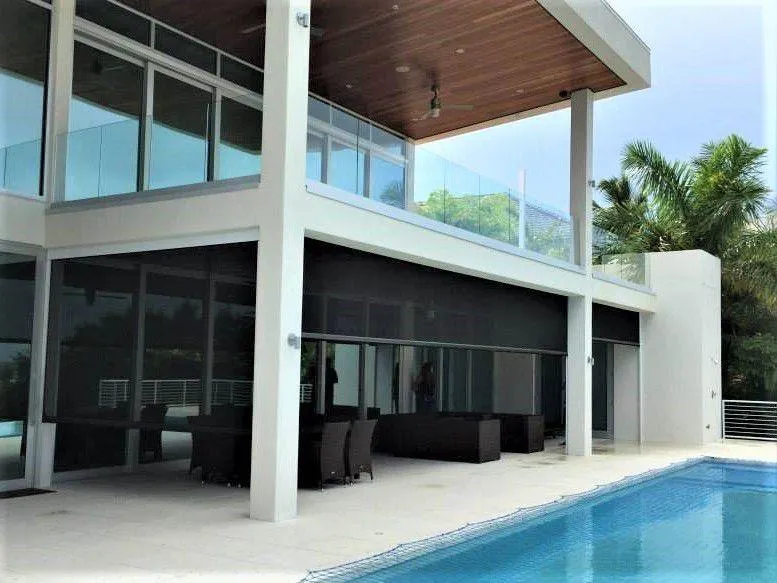
Residential Retractable Screen Application
It does not matter if you are trying to retrofit your existing patio or lanai or in the process of building your dream home- nothing beats enjoyable outdoor space.
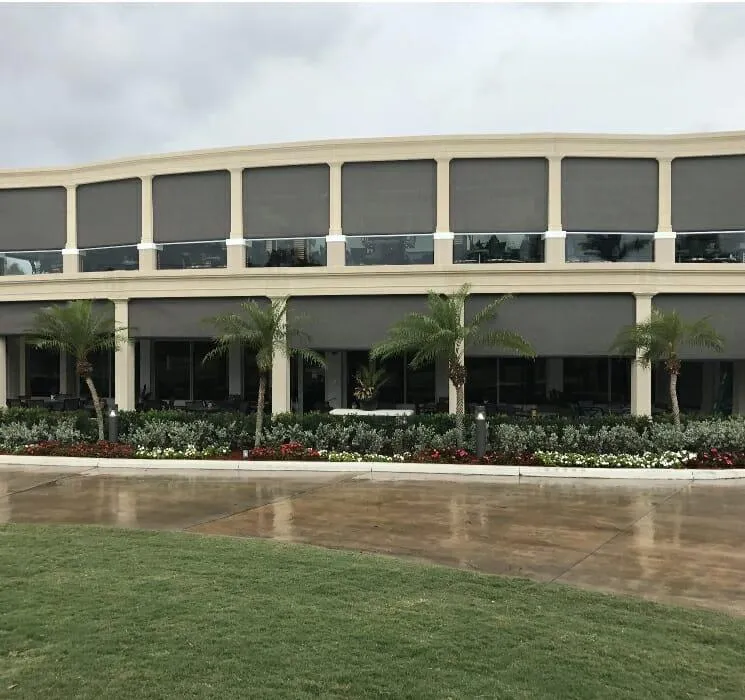
Commercial Screen Application
Made to your specifications to match any branding or themes you have. Large Buildings or Small American Light Can Show How Reduces Energy Cost
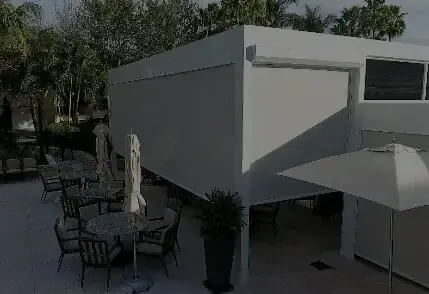
Hospitality Screen Application
Don't lose Revue when it rains. Motorized screens can span 26’ wide and 16’ tall, accommodating many openings.
FL Outdoor News
Stay up to date with the latest News.

The Usability Audit: Your Patio's Real Number
The Usability Audit: How Many Hours Are You Actually Getting From Your Outdoor Space?
Nobody does this math. And there's a good reason for that — the answer is uncomfortable.
You spent real money on your outdoor space. Maybe it was $30,000 for the patio, the furniture, the grill, and the landscaping. Maybe it was $60,000 once you added the outdoor kitchen, the pool deck upgrades, and those cushions that looked so good in the showroom. Maybe it was more. In South Florida, outdoor living investments between $25,000 and $75,000 are common. Some go well beyond that.
You remember why you spent it. The picture was vivid — Saturday mornings with coffee and the paper, Friday dinners under the stars, the kids playing while you grilled, guests who didn't want to leave. That picture is why you signed off on the outdoor kitchen. It's why the furniture wasn't cheap. It's why the landscaping wasn't an afterthought.
Now ask yourself a question you've probably been avoiding: how many hours per week do you actually use that space between June and September?
Not "step outside for a minute." Not "grab something off the grill and come back in." Actually sit. Eat a meal. Have a conversation. Stay.
If you're being honest — and most South Florida homeowners are, once they stop to think about it — the number is probably close to zero during the worst months. And the months that feel like "the worst" stretch longer than anyone admits.
How Much of the Year Can You Really Use Your Patio?
Without shade or screens, a typical South Florida patio is comfortably usable about four to five months per year. That's roughly mid-November through mid-April — the window where temperatures stay reasonable, humidity drops to tolerable levels, mosquitoes thin out, and afternoon storms aren't part of the daily routine.
Five months out of twelve. That means for more than half the calendar year, the outdoor space you invested in sits mostly empty. Not because you don't want to use it. Because the conditions won't let you.
With proper shade and screen protection, that number jumps to ten or eleven months. The only stretch that remains truly difficult is the peak of hurricane season when major storms threaten — and even then, many protected patios stay functional between events.
The gap between five months and eleven months is enormous. It's the difference between a space that justifies its cost and one that quietly drains your investment every year. And yet most homeowners have never sat down and mapped where their hours actually go — or where they're being lost.
The Seasonal Breakdown Nobody Wants to See
Let's walk through a year on an unprotected South Florida patio. Not the fantasy version your realtor described. The real one.
November through February — these are your golden months. Morning coffee on the patio is a pleasure. Evening dinners are comfortable. Temperatures hover in the mid-seventies, humidity is manageable, and mosquitoes are at their lowest density of the year. You might use your outdoor space twenty to thirty hours a week during this stretch. This is what you pictured when you built it. This is the version of Florida living that made you write the check.
March — the transition begins. Afternoons warm into the mid-eighties. Humidity ticks upward. Mosquitoes start breeding in earnest, and by late March, evening use without some form of protection means bites. You're still outside, but the edges of comfort are fraying. Maybe fifteen to twenty hours a week, and fewer of them after dark.
April — the squeeze tightens. Upper eighties. Humidity you can feel sitting on your skin by mid-morning. Bugs are established. You start choosing your windows carefully — maybe an hour in the morning before it heats up, an hour after sunset if the mosquitoes cooperate. Ten to twelve hours a week, and it takes effort.
May — the surrender month for most. Heat index crosses a hundred degrees on peak afternoons. Your patio furniture is too hot to touch at 2 p.m. Afternoon storms start rolling through. Mosquitoes own the twilight. You find yourself looking at your outdoor space through the sliding glass door more than you're sitting in it. Five to eight hours a week if you're stubborn. Less if you're honest.
June through September — the dead zone. Daily highs near or above ninety. Heat index regularly over a hundred and five. Afternoon thunderstorms almost every day — you can practically set your watch by the 3:30 buildup and the 4:15 downpour. Mosquitoes at peak aggression during the exact hours you'd want to be outside — late afternoon through evening. Your outdoor kitchen collects dust. Your grill gets used in ten-minute sprints — out, flip, back inside. The patio furniture you spent months choosing sits in the sun, fading, while you eat dinner at the kitchen table. This is the stretch where your patio becomes a picture you walk past. Two to four hours a week for most families, often less. Some weeks, zero.
October — slow recovery. The storms ease. Temperature begins a gradual decline. But humidity lingers, and mosquitoes don't get the memo until late in the month. Eight to twelve hours a week, trending upward.
Add it all up and the picture becomes hard to ignore.
Putting a Number on It
Here's the math that most homeowners avoid, laid out plainly.
During the golden months — November through February — a typical South Florida family uses their outdoor space roughly twenty to twenty-five hours per week. That's about four hundred hours across four months.
During the transition months — March, April, and October — usability drops to an average of twelve to fifteen hours per week. Call it a hundred and fifty hours across those three months.
During the dead zone — May through September — an unprotected patio delivers maybe three to five hours per week of genuinely comfortable use. That's sixty to a hundred hours across five months, and even that number feels generous.
Total: somewhere between six hundred and six hundred fifty hours of comfortable outdoor use per year.
Now divide your outdoor investment by that number.
A $40,000 outdoor space used six hundred hours a year works out to roughly sixty-seven dollars per comfortable hour. A $60,000 investment at the same usage? A hundred dollars per hour. And those numbers assume you're wringing every possible minute out of the shoulder months, which most people aren't.
Here's the part that stings: if the same homeowner added shade and screen protection — bringing usable months from five to eleven — comfortable hours jump to somewhere around twelve hundred to fourteen hundred per year. Same space. Same furniture. Same grill. Double the hours.
That $40,000 investment drops from sixty-seven dollars per hour to roughly thirty. The $60,000 space goes from a hundred dollars per hour to about forty-five.
The space didn't change. The furniture didn't change. The view didn't change. The only thing that changed was how many months the space is actually available to the people who paid for it.
You didn't make a bad investment. You made an incomplete one.
Where the Hours Actually Disappear
It helps to understand exactly what steals your outdoor time, because the culprits aren't equal — and knowing which one hits you hardest points you toward the right solution.
Heat and sun exposure account for the largest chunk of lost hours. From May through September, direct afternoon sun makes unshaded surfaces painful to touch and ambient temperatures miserable. Even when the air temperature reads ninety, the feel on an unshaded concrete patio can push well past a hundred and ten. This isn't a comfort preference. It's a physical barrier. Your body says no.
Shade — from a retractable awning, a pergola, or a fixed cover — reclaims the largest block of lost hours. Reducing direct sun exposure can drop the perceived temperature on your patio by ten to fifteen degrees. That's the difference between unbearable and manageable. It's also the difference between your AC fighting a solar furnace through the sliding door and your AC getting a break, but that's a different conversation (we'll cover it in a later piece in this series).
Mosquitoes steal the second-largest block — and maybe the most painful one, because they target the hours that matter most. Late afternoon into evening. The golden hours. The hours when the heat finally eases and you want to sit outside with a drink, eat dinner, watch the kids play. Those are peak feeding hours for the Aedes aegypti mosquito, the dominant species in South Florida, active year-round and aggressive from March through November.
Screening — whether a traditional enclosure or motorized retractable system — eliminates this problem entirely. Not "reduces." Eliminates. A physical barrier between you and the bugs means your evenings belong to you again. The choice between screen types matters (we address that in Blog 6), but the fundamental question is simpler: do you want your evenings back or not?
Rain takes a smaller but psychologically outsized bite. Florida's wet season runs June through September, with afternoon thunderstorms arriving almost daily. Most are brief — fifteen to thirty minutes — but they're enough to end whatever you had going on outside. Over time, the pattern trains you to stop planning outdoor activities during those months. Not because it rains all day. Because you can't predict the twenty minutes when it will.
The combination of overhead shade and side protection (screens that block wind-driven rain) turns a storm from a retreat signal into a non-event. The rain falls, the temperature drops, your patio stays dry, and you don't move. But that's Blog 7's territory.
Wind is the factor people mention least but feel constantly. South Florida afternoon winds can make dining unpleasant, blow napkins and lightweight items around, and amplify the feeling of chaos during storms. It's rarely the primary complaint, but it compounds everything else.

The Reframe That Changes Everything
Here's what most homeowners get wrong about this situation: they think adding shade or screens is a new purchase. A new expense. More money going out the door.
It isn't. It's completion.
Think of it this way. You built an outdoor kitchen but left out the refrigerator. You'd never do that — you'd say the kitchen wasn't finished. You installed a pool but skipped the pump. Nobody would call that done.
Your patio is the same equation. The furniture is there. The layout is there. The investment is there. What's missing is the environmental control that makes the space functional for more than five months a year. Shade and screens aren't accessories. They're the missing components that complete a system you already paid for.
The money you spent isn't wasted. It's waiting.
And the cost of completing the system is almost always less than the cost of the annual depreciation, energy waste, and replacement cycles that come from leaving the space exposed. We'll dig into those specific numbers in the next piece in this series, but the principle is straightforward: protecting what you have costs less than replacing what you keep losing.
A Simple Audit You Can Do Right Now
You don't need a spreadsheet for this. Just an honest thirty minutes.
Walk outside. Stand where your family usually sits — or where they would sit, if they went out there more often. Ask yourself three questions.
First: what time of day does this space become uncomfortable, and why? Is it the sun? The bugs? The heat radiating off the concrete? Identifying the primary barrier tells you which solution matters most.
Second: during how many months last year did you use this space regularly — meaning at least three times a week for more than thirty minutes at a time? Count them honestly. Don't round up. Don't count the time you "meant to go outside but it was too hot." The gap between that number and twelve is the gap between what you're getting and what you paid for.
Third: what would it be worth to you — in real, honest terms — to double your usable months? Not as a hypothetical. As a feeling. Picture eating dinner outside in July. Picture hosting on a Saturday evening in August without everyone ending up inside by 7 p.m. Picture using your outdoor kitchen in June the way you use it in January.
That feeling has a dollar value. And for most South Florida homeowners, it's considerably higher than the cost of the shade and screen systems that would deliver it. Not close. Not marginal. Considerably higher.
The Uncomfortable Truth About "Fine"

The biggest enemy of a better outdoor life in South Florida isn't heat. It isn't mosquitoes. It isn't rain.
It's the word "fine."
"It's fine — we use it when we can." "It's fine — we just go inside when it gets bad." "It's fine — that's just how Florida is."
"Fine" is the sound of a homeowner who's stopped expecting more from a space they invested tens of thousands of dollars in. It's the normalization of underperformance. And it's so common in South Florida that nobody questions it anymore. Your neighbor says "fine." Your coworker says "fine." Everybody accepts the same five-month ceiling because everybody they know hits the same wall.
But you spent that money for a reason. You pictured a life — mornings with coffee, evenings with friends, weekends where the outdoor space was the center of everything. That picture wasn't wrong. It was just incomplete.
The gap between the patio you're getting and the patio you paid for isn't permanent. It's solvable. And it starts with being honest about the number.
How many hours are you actually getting?
Once you know, you can't unknow it. And that's the point.
This is the second piece in "The Great Florida Thaw," a ten-part series on outdoor living in South Florida. Next: what Florida's UV is doing to your patio and your wallet — the costs you're already paying without realizing it.

The Usability Audit: Your Patio's Real Number
The Usability Audit: How Many Hours Are You Actually Getting From Your Outdoor Space?
Nobody does this math. And there's a good reason for that — the answer is uncomfortable.
You spent real money on your outdoor space. Maybe it was $30,000 for the patio, the furniture, the grill, and the landscaping. Maybe it was $60,000 once you added the outdoor kitchen, the pool deck upgrades, and those cushions that looked so good in the showroom. Maybe it was more. In South Florida, outdoor living investments between $25,000 and $75,000 are common. Some go well beyond that.
You remember why you spent it. The picture was vivid — Saturday mornings with coffee and the paper, Friday dinners under the stars, the kids playing while you grilled, guests who didn't want to leave. That picture is why you signed off on the outdoor kitchen. It's why the furniture wasn't cheap. It's why the landscaping wasn't an afterthought.
Now ask yourself a question you've probably been avoiding: how many hours per week do you actually use that space between June and September?
Not "step outside for a minute." Not "grab something off the grill and come back in." Actually sit. Eat a meal. Have a conversation. Stay.
If you're being honest — and most South Florida homeowners are, once they stop to think about it — the number is probably close to zero during the worst months. And the months that feel like "the worst" stretch longer than anyone admits.
How Much of the Year Can You Really Use Your Patio?
Without shade or screens, a typical South Florida patio is comfortably usable about four to five months per year. That's roughly mid-November through mid-April — the window where temperatures stay reasonable, humidity drops to tolerable levels, mosquitoes thin out, and afternoon storms aren't part of the daily routine.
Five months out of twelve. That means for more than half the calendar year, the outdoor space you invested in sits mostly empty. Not because you don't want to use it. Because the conditions won't let you.
With proper shade and screen protection, that number jumps to ten or eleven months. The only stretch that remains truly difficult is the peak of hurricane season when major storms threaten — and even then, many protected patios stay functional between events.
The gap between five months and eleven months is enormous. It's the difference between a space that justifies its cost and one that quietly drains your investment every year. And yet most homeowners have never sat down and mapped where their hours actually go — or where they're being lost.
The Seasonal Breakdown Nobody Wants to See
Let's walk through a year on an unprotected South Florida patio. Not the fantasy version your realtor described. The real one.
November through February — these are your golden months. Morning coffee on the patio is a pleasure. Evening dinners are comfortable. Temperatures hover in the mid-seventies, humidity is manageable, and mosquitoes are at their lowest density of the year. You might use your outdoor space twenty to thirty hours a week during this stretch. This is what you pictured when you built it. This is the version of Florida living that made you write the check.
March — the transition begins. Afternoons warm into the mid-eighties. Humidity ticks upward. Mosquitoes start breeding in earnest, and by late March, evening use without some form of protection means bites. You're still outside, but the edges of comfort are fraying. Maybe fifteen to twenty hours a week, and fewer of them after dark.
April — the squeeze tightens. Upper eighties. Humidity you can feel sitting on your skin by mid-morning. Bugs are established. You start choosing your windows carefully — maybe an hour in the morning before it heats up, an hour after sunset if the mosquitoes cooperate. Ten to twelve hours a week, and it takes effort.
May — the surrender month for most. Heat index crosses a hundred degrees on peak afternoons. Your patio furniture is too hot to touch at 2 p.m. Afternoon storms start rolling through. Mosquitoes own the twilight. You find yourself looking at your outdoor space through the sliding glass door more than you're sitting in it. Five to eight hours a week if you're stubborn. Less if you're honest.
June through September — the dead zone. Daily highs near or above ninety. Heat index regularly over a hundred and five. Afternoon thunderstorms almost every day — you can practically set your watch by the 3:30 buildup and the 4:15 downpour. Mosquitoes at peak aggression during the exact hours you'd want to be outside — late afternoon through evening. Your outdoor kitchen collects dust. Your grill gets used in ten-minute sprints — out, flip, back inside. The patio furniture you spent months choosing sits in the sun, fading, while you eat dinner at the kitchen table. This is the stretch where your patio becomes a picture you walk past. Two to four hours a week for most families, often less. Some weeks, zero.
October — slow recovery. The storms ease. Temperature begins a gradual decline. But humidity lingers, and mosquitoes don't get the memo until late in the month. Eight to twelve hours a week, trending upward.
Add it all up and the picture becomes hard to ignore.
Putting a Number on It
Here's the math that most homeowners avoid, laid out plainly.
During the golden months — November through February — a typical South Florida family uses their outdoor space roughly twenty to twenty-five hours per week. That's about four hundred hours across four months.
During the transition months — March, April, and October — usability drops to an average of twelve to fifteen hours per week. Call it a hundred and fifty hours across those three months.
During the dead zone — May through September — an unprotected patio delivers maybe three to five hours per week of genuinely comfortable use. That's sixty to a hundred hours across five months, and even that number feels generous.
Total: somewhere between six hundred and six hundred fifty hours of comfortable outdoor use per year.
Now divide your outdoor investment by that number.
A $40,000 outdoor space used six hundred hours a year works out to roughly sixty-seven dollars per comfortable hour. A $60,000 investment at the same usage? A hundred dollars per hour. And those numbers assume you're wringing every possible minute out of the shoulder months, which most people aren't.
Here's the part that stings: if the same homeowner added shade and screen protection — bringing usable months from five to eleven — comfortable hours jump to somewhere around twelve hundred to fourteen hundred per year. Same space. Same furniture. Same grill. Double the hours.
That $40,000 investment drops from sixty-seven dollars per hour to roughly thirty. The $60,000 space goes from a hundred dollars per hour to about forty-five.
The space didn't change. The furniture didn't change. The view didn't change. The only thing that changed was how many months the space is actually available to the people who paid for it.
You didn't make a bad investment. You made an incomplete one.
Where the Hours Actually Disappear
It helps to understand exactly what steals your outdoor time, because the culprits aren't equal — and knowing which one hits you hardest points you toward the right solution.
Heat and sun exposure account for the largest chunk of lost hours. From May through September, direct afternoon sun makes unshaded surfaces painful to touch and ambient temperatures miserable. Even when the air temperature reads ninety, the feel on an unshaded concrete patio can push well past a hundred and ten. This isn't a comfort preference. It's a physical barrier. Your body says no.
Shade — from a retractable awning, a pergola, or a fixed cover — reclaims the largest block of lost hours. Reducing direct sun exposure can drop the perceived temperature on your patio by ten to fifteen degrees. That's the difference between unbearable and manageable. It's also the difference between your AC fighting a solar furnace through the sliding door and your AC getting a break, but that's a different conversation (we'll cover it in a later piece in this series).
Mosquitoes steal the second-largest block — and maybe the most painful one, because they target the hours that matter most. Late afternoon into evening. The golden hours. The hours when the heat finally eases and you want to sit outside with a drink, eat dinner, watch the kids play. Those are peak feeding hours for the Aedes aegypti mosquito, the dominant species in South Florida, active year-round and aggressive from March through November.
Screening — whether a traditional enclosure or motorized retractable system — eliminates this problem entirely. Not "reduces." Eliminates. A physical barrier between you and the bugs means your evenings belong to you again. The choice between screen types matters (we address that in Blog 6), but the fundamental question is simpler: do you want your evenings back or not?
Rain takes a smaller but psychologically outsized bite. Florida's wet season runs June through September, with afternoon thunderstorms arriving almost daily. Most are brief — fifteen to thirty minutes — but they're enough to end whatever you had going on outside. Over time, the pattern trains you to stop planning outdoor activities during those months. Not because it rains all day. Because you can't predict the twenty minutes when it will.
The combination of overhead shade and side protection (screens that block wind-driven rain) turns a storm from a retreat signal into a non-event. The rain falls, the temperature drops, your patio stays dry, and you don't move. But that's Blog 7's territory.
Wind is the factor people mention least but feel constantly. South Florida afternoon winds can make dining unpleasant, blow napkins and lightweight items around, and amplify the feeling of chaos during storms. It's rarely the primary complaint, but it compounds everything else.
The Reframe That Changes Everything
Here's what most homeowners get wrong about this situation: they think adding shade or screens is a new purchase. A new expense. More money going out the door.
It isn't. It's completion.
Think of it this way. You built an outdoor kitchen but left out the refrigerator. You'd never do that — you'd say the kitchen wasn't finished. You installed a pool but skipped the pump. Nobody would call that done.
Your patio is the same equation. The furniture is there. The layout is there. The investment is there. What's missing is the environmental control that makes the space functional for more than five months a year. Shade and screens aren't accessories. They're the missing components that complete a system you already paid for.
The money you spent isn't wasted. It's waiting.
And the cost of completing the system is almost always less than the cost of the annual depreciation, energy waste, and replacement cycles that come from leaving the space exposed. We'll dig into those specific numbers in the next piece in this series, but the principle is straightforward: protecting what you have costs less than replacing what you keep losing.
A Simple Audit You Can Do Right Now
You don't need a spreadsheet for this. Just an honest thirty minutes.
Walk outside. Stand where your family usually sits — or where they would sit, if they went out there more often. Ask yourself three questions.
First: what time of day does this space become uncomfortable, and why? Is it the sun? The bugs? The heat radiating off the concrete? Identifying the primary barrier tells you which solution matters most.
Second: during how many months last year did you use this space regularly — meaning at least three times a week for more than thirty minutes at a time? Count them honestly. Don't round up. Don't count the time you "meant to go outside but it was too hot." The gap between that number and twelve is the gap between what you're getting and what you paid for.
Third: what would it be worth to you — in real, honest terms — to double your usable months? Not as a hypothetical. As a feeling. Picture eating dinner outside in July. Picture hosting on a Saturday evening in August without everyone ending up inside by 7 p.m. Picture using your outdoor kitchen in June the way you use it in January.
That feeling has a dollar value. And for most South Florida homeowners, it's considerably higher than the cost of the shade and screen systems that would deliver it. Not close. Not marginal. Considerably higher.
The Uncomfortable Truth About "Fine"
The biggest enemy of a better outdoor life in South Florida isn't heat. It isn't mosquitoes. It isn't rain.
It's the word "fine."
"It's fine — we use it when we can." "It's fine — we just go inside when it gets bad." "It's fine — that's just how Florida is."
"Fine" is the sound of a homeowner who's stopped expecting more from a space they invested tens of thousands of dollars in. It's the normalization of underperformance. And it's so common in South Florida that nobody questions it anymore. Your neighbor says "fine." Your coworker says "fine." Everybody accepts the same five-month ceiling because everybody they know hits the same wall.
But you spent that money for a reason. You pictured a life — mornings with coffee, evenings with friends, weekends where the outdoor space was the center of everything. That picture wasn't wrong. It was just incomplete.
The gap between the patio you're getting and the patio you paid for isn't permanent. It's solvable. And it starts with being honest about the number.
How many hours are you actually getting?
Once you know, you can't unknow it. And that's the point.
This is the second piece in "The Great Florida Thaw," a ten-part series on outdoor living in South Florida. Next: what Florida's UV is doing to your patio and your wallet — the costs you're already paying without realizing it.
Your Vision Deserves
A Partner,
Not Just A Vendor
Your Vision Deserves
A Partner,
Not Just A Vendor
COMPANY
MOTORIZED SCREENS
SHADE SOLUTIONS
FENCING & LIGHTING
DESIGN IDEAS
SUPPORT



Copyright 2026. FL OUTDOOR. All Rights Reserved.
Powered and Built By