
Florida Living Outdoor, Winter Springs...
TRANSFORM YOUR WINTER SPRINGS OUTDOOR WITH PREMIUM MOTORIZED SCREENS | PERGOLAS | LIGHTING | AWNINGS
OPTIMIZE YOUR WINTER SPRINGS HOME'S OUTDOOR LIVING SPACE
FLORIDA'S MOTORIZED SCREEN STORE
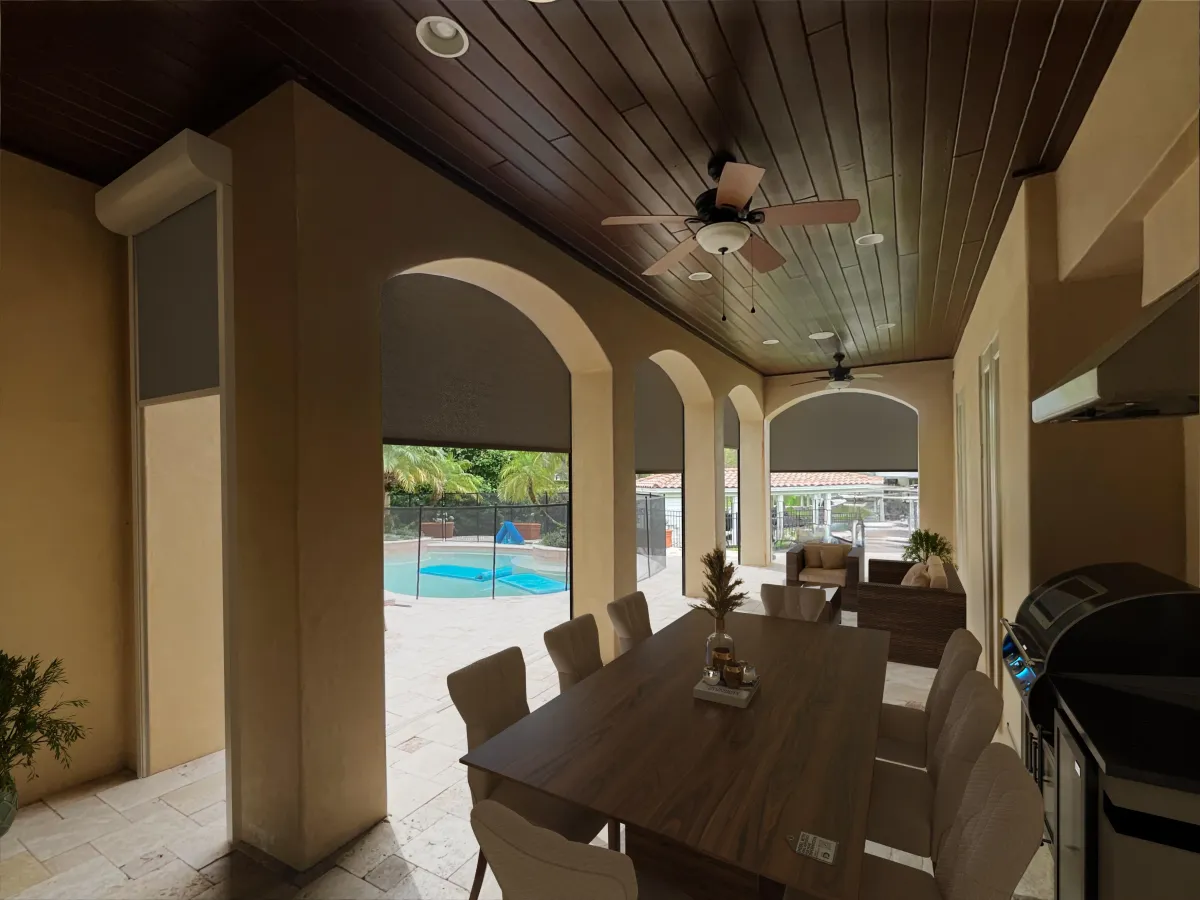
Defender Motorized Screens, Winter Springs
Our MagnaTrack Defender Hurricane Screens are rated for a Cat-5, offering impact absorption. Storm prep for Patios & Lanais made simple.
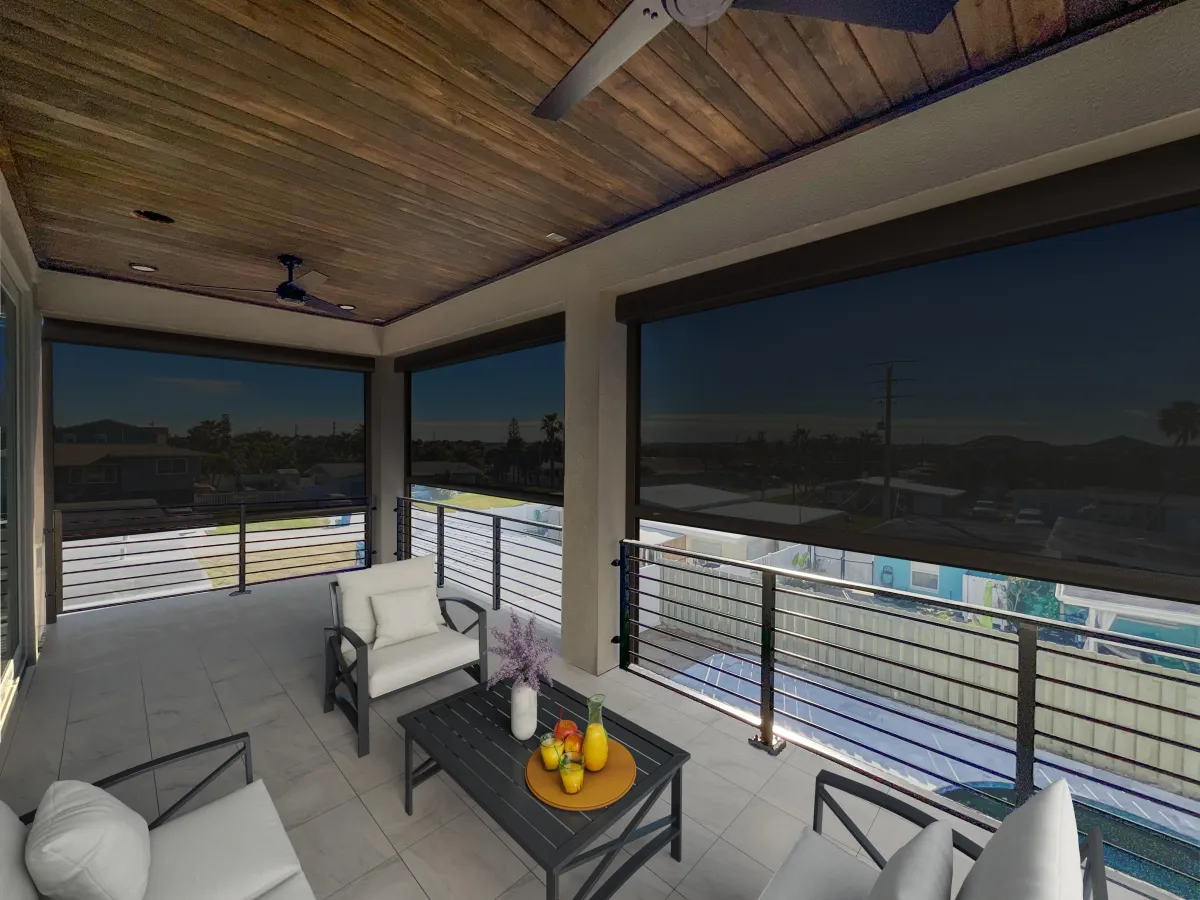
Retractable Bug Screens, Winter Springs
Do pesky insects evict you from your patio 30 minutes before dusk? Avoid the itch; click a button and watch Fenetex Motorized Screens deploy
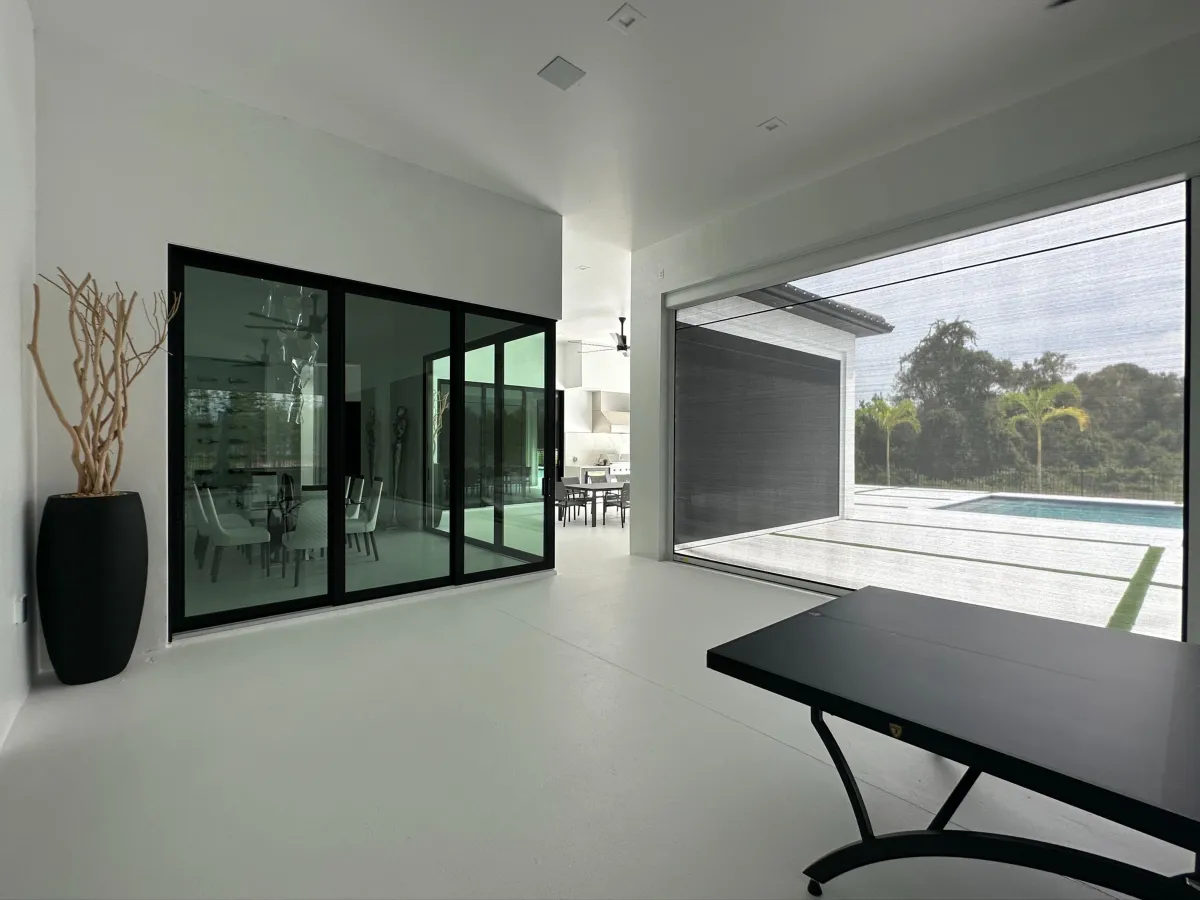
Retractable Sun Shades, Winter Springs
Beat the Heat. Getting Chased off your patio or lanai. Our MagnaTrack Solar shades for patios and lanais blocks up to 80% -97% of harmful UV rays
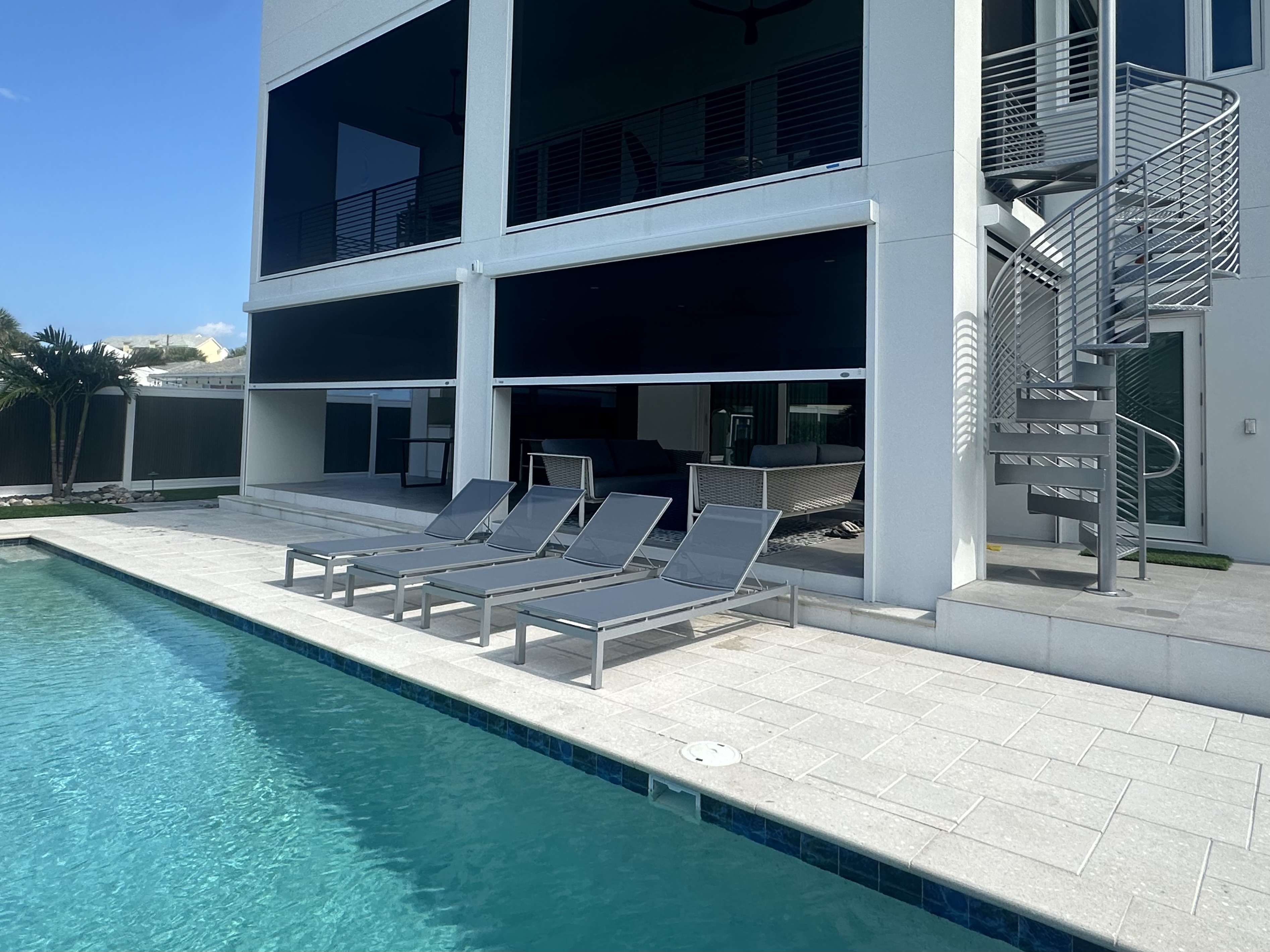
Retractable Privacy Screens, Winter Springs
Do your neighbor's see more of your patio than you do? Click a button & watch the MagnaTrack Privacy Screens deploy. You can see out, but they can't see in.
Best In Class
Motorized Screens...
Let's face it. Winter Springs, Florida is prone to extreme weather, hot sun, and pesky insects. The safety and protection of our home's lanai and patio spaces are critical.
Florida Living Outdoor is here to assist you in protecting your Patio and Lanai. Our patented design offers robust solutions such as retractable shade, insect, and hurricane protection. Our MagnaTrack Defender Screens provide exceptional defense against the Florida elements 365 days a year.
Whether you are looking for a motorized screen company inWinter Springs Florida, we are happy to announce a Partnership with MagnaTrack and Fenetex to bring you a motorized hurricane screen, providing peace of mind when it's needed most.
Best In Class
Motorized Screens...
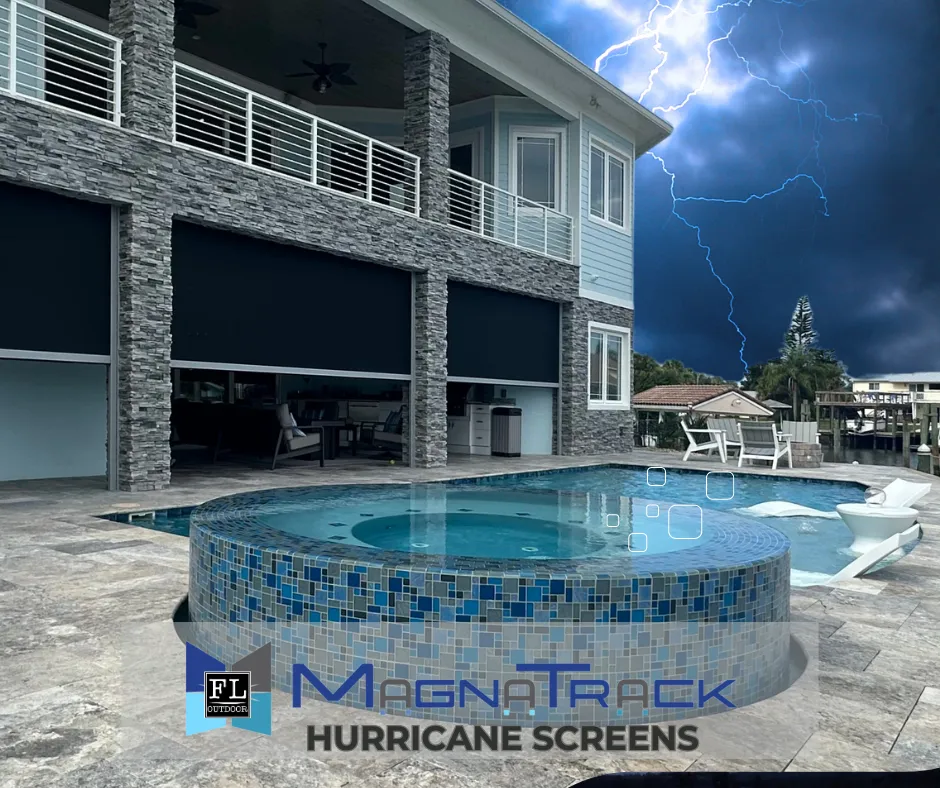
Let's face it. Winter Springs, Florida is prone to extreme weather, hot sun, and pesky insects. The safety and protection of our home's lanai and patio spaces are critical.
Florida Living Outdoor is here to assist you in protecting your Patio and Lanai. Our patented design offers robust solutions such as retractable shade, insect, and hurricane protection. Our MagnaTrack Defender Screens provide exceptional defense against the Florida elements 365 days a year.
Whether you are looking for a motorized screen company in Winter Springs Florida, we are happy to announce a Partnership with MagnaTrack and Fenetex to bring you a motorized hurricane screen, providing peace of mind when it's needed most.
WHY FLORIDA LIVING OUTDOOR, WINTER SPRINGS...?
When it comes to enhancing your Winter Springs Florida outdoor living spaces, making them a little more functional, or simply looking for a motorized screen company near you, choose Florida Living Outdoor with unmatched quality and expertise.
The bottom line is that nobody knows Azenco-Outdoor Pergolas, Sun Pro Awnings, and MagnaTrack Motorized Screens better than Florida Living Outdoor. We are Winter Springs Florida's number one Trusted resource for Motorized Screens and Pergolas.
Your Vision Deserves
A Partner
Who Listens...
Your Vision Deserves
A Partner
Who Listens...
PERGOLAS IDEAS
WINTER SPRINGS FLORIDA ALUMINUM PERGOLAS
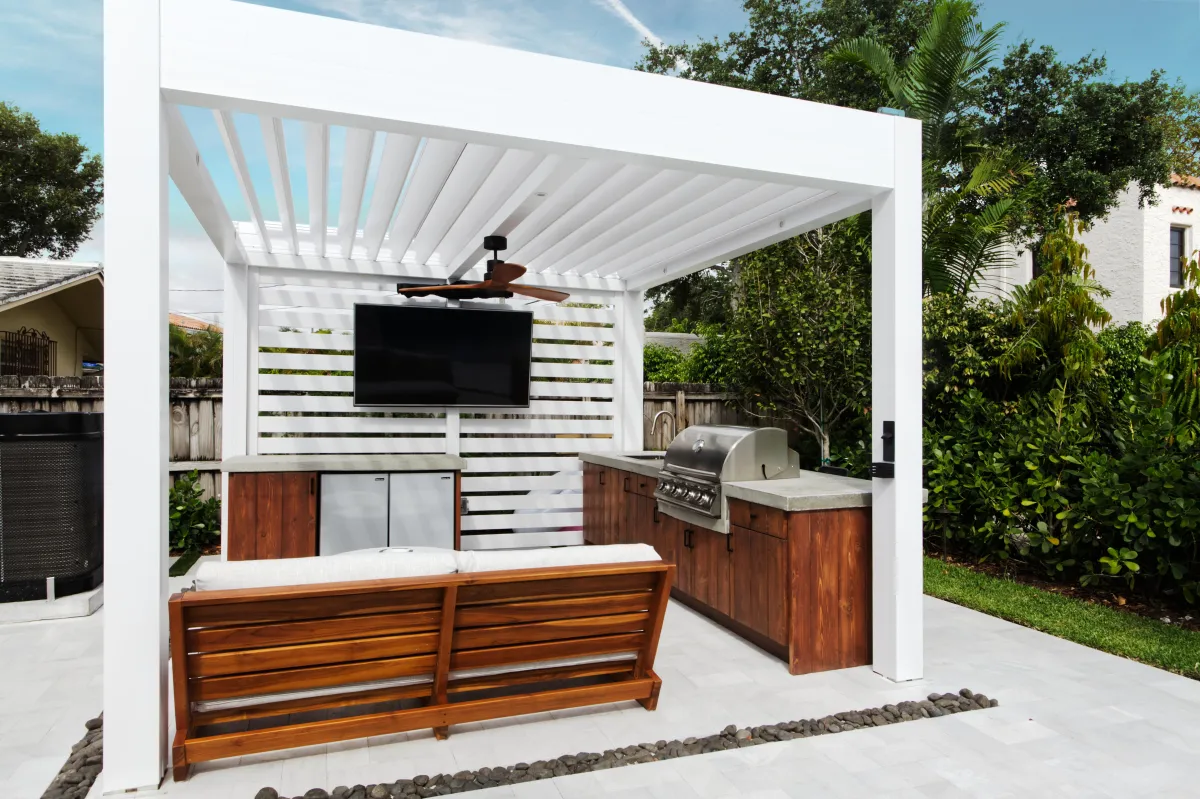
Louver Roof Pergolas, Winter Springs Florida
Enhance your Winter Springs outdoor space with aluminum pergolas with louvers, This modern pergola idea lets you control sunlight and airflow, creating the perfect ambiance year-round.
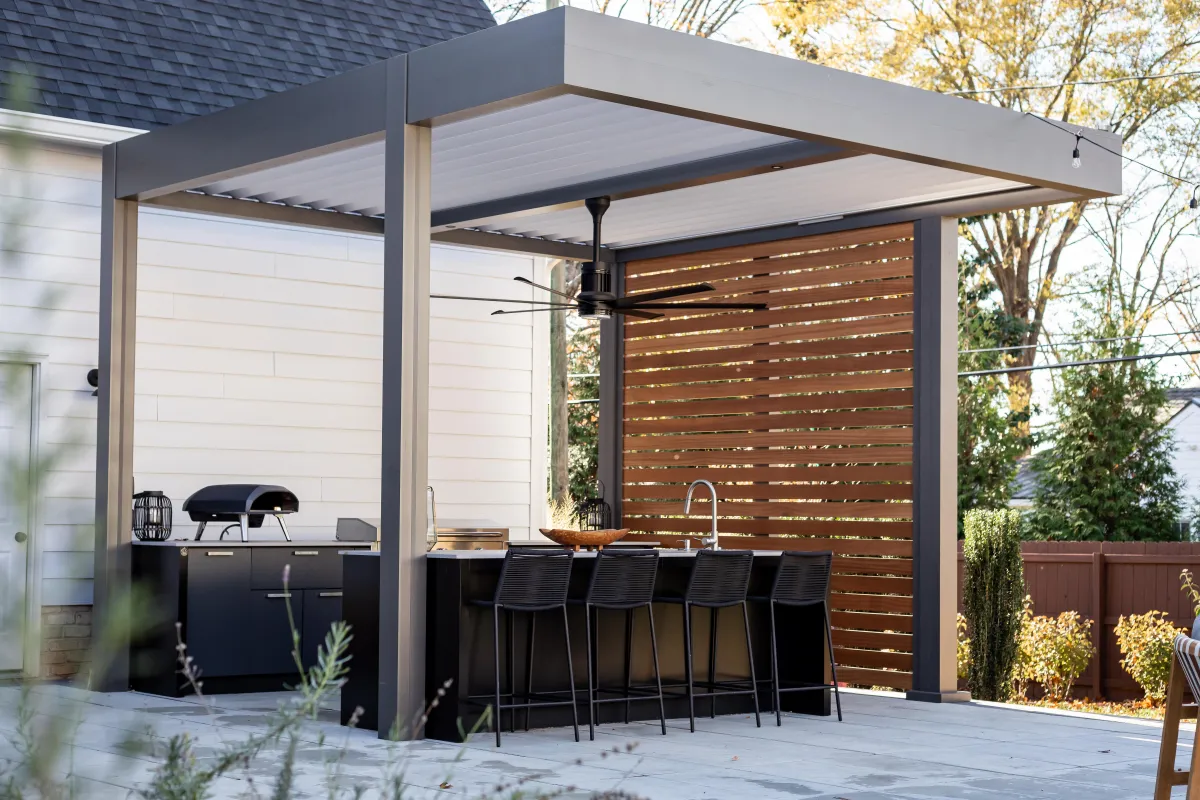
Insulated Roof Pergolas, Winter Springs Florida
For a cooler, more comfortable outdoor retreat, insulated roof pergolas provide superior protection from heat and rain in Winter Springs, Florida. This pergola idea blends style and function, making your patio usable in any season.
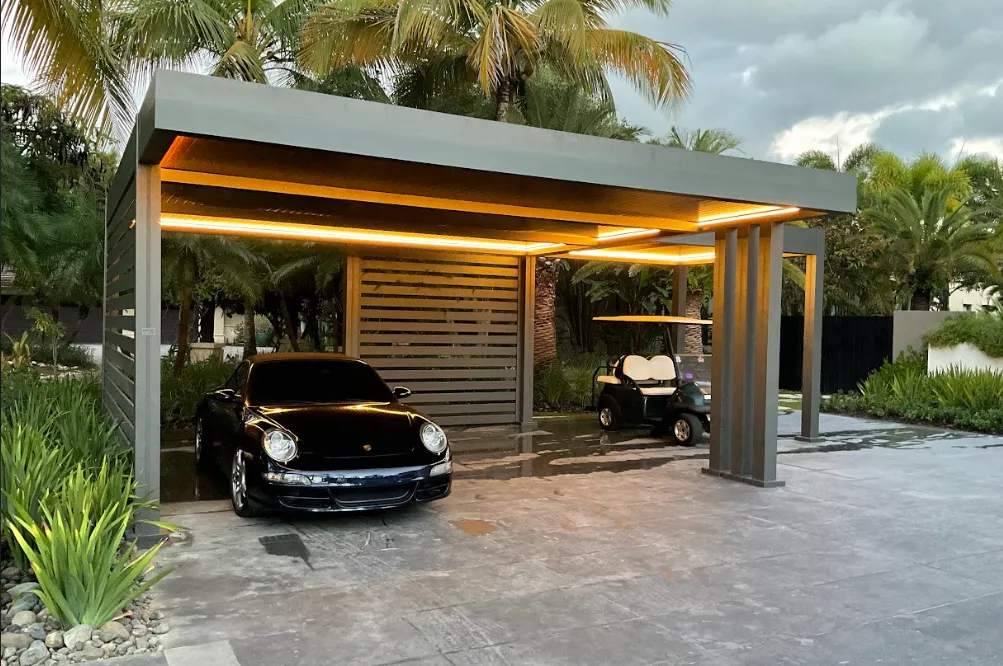
Aluminum Carports, Winter Springs Florida
Protect your vehicles with durable aluminum carports, a sleek and modern alternative to traditional garages, creating curb appeal while shielding your car from the elements.
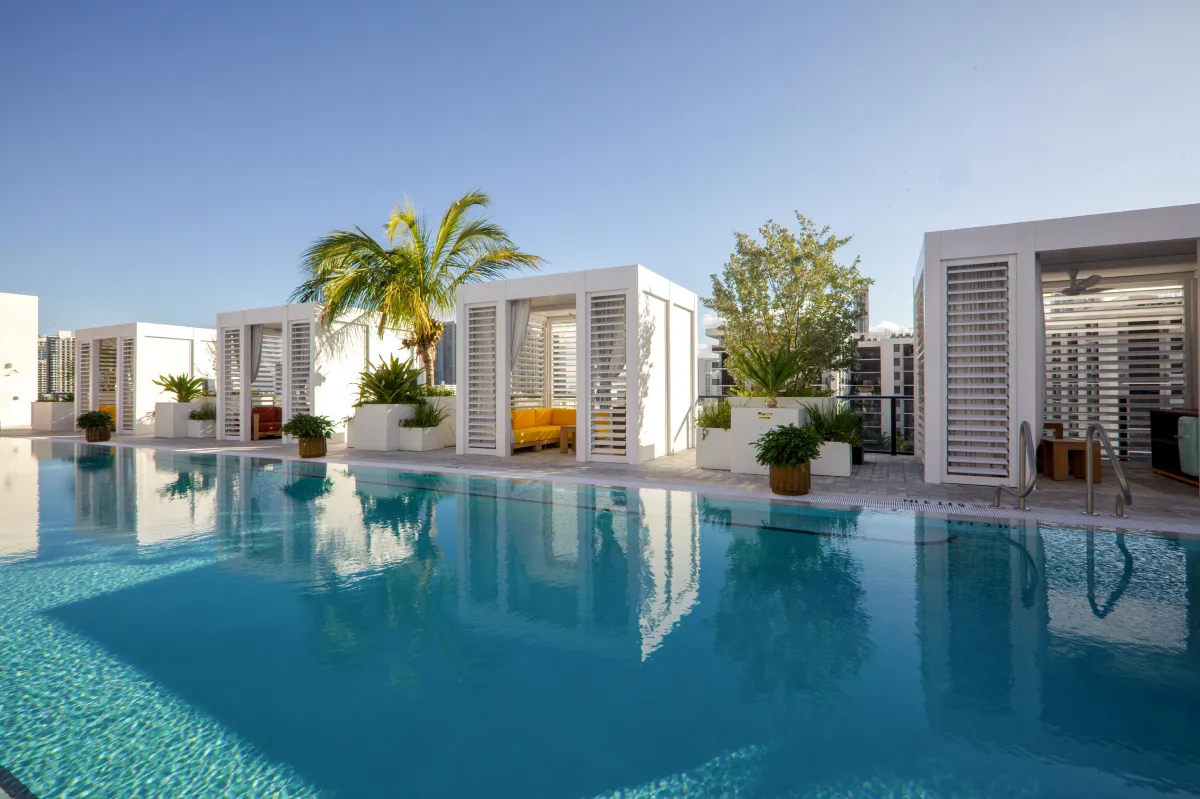
Aluminum Cabanas, Winter Springs Florida
Create a private, resort-style escape with aluminum cabanas, perfect for poolside lounging or outdoor entertaining. This pergola idea combines shade, style, and durability for a luxurious backyard retreat.
Creating
Functional Living Outdoors, Winter Springs Florida
At Florida Living Outdoor, we specialize in enhancing, expanding, and protecting your outdoor living spaces, making them more functional and enjoyable. It does not matter if it is an open space, patio, or lanai. We offer top-of-the-line solutions, including motorized retractable screens, sun awnings, and aluminum pergolas.
We serve Winter Springs and Winter Springs, Florida. We are Winter Springs Florida's preferred vendor of choice for both MagnaTrack motorized screens and Azenco Outdoor aluminum pergolas, louver or insulated roof. Florida Living Outdoor is the name Floridians' trust for Functional Outdoor Living.
Work requiring DBPR licensure in partnership with CGC1532839
Creating
Functional Living Outdoors, Winter Springs Florida
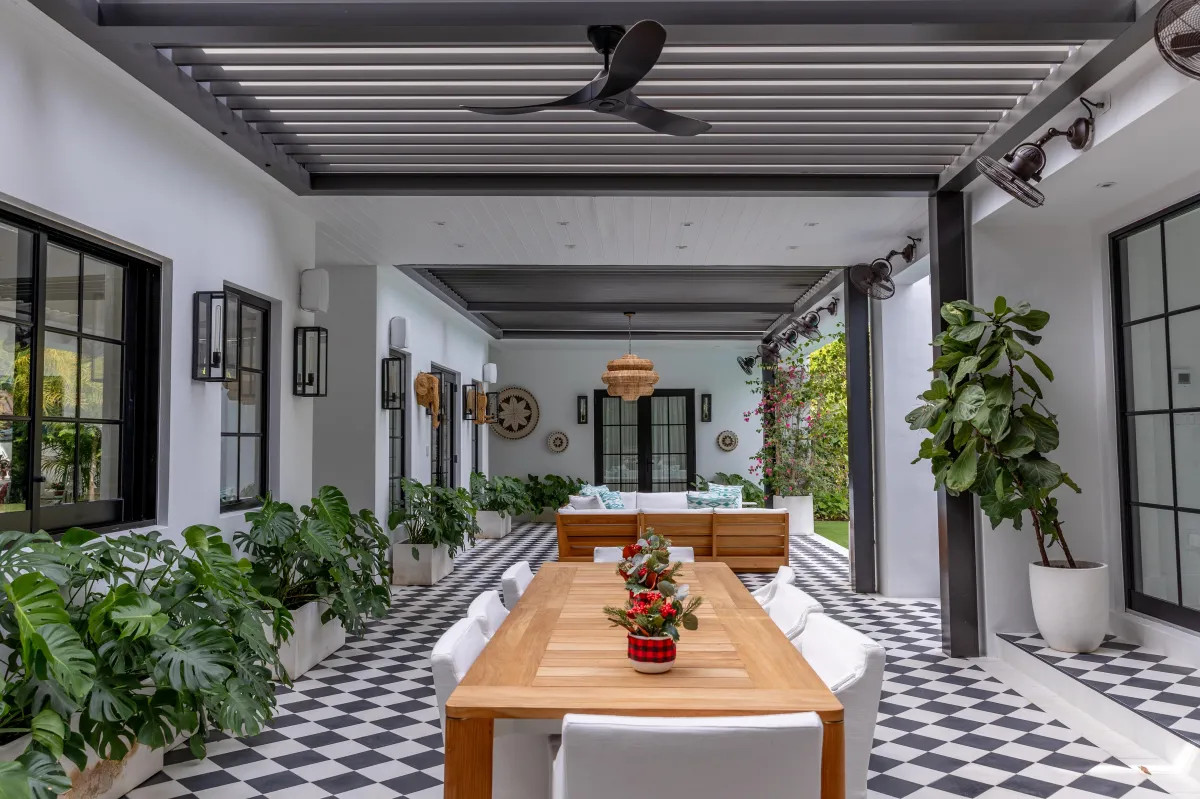
At Florida Living Outdoor, we specialize in enhancing, expanding, and protecting your outdoor living spaces, making them more functional and enjoyable. It does not matter if it is an open space, patio, or lanai. We offer top-of-the-line solutions, including motorized retractable screens, sun awnings, and aluminum pergolas.
We serve Winter Springs, Florida. We are Winter Springs Florida's preferred vendor of choice for both MagnaTrack motorized screens and Azenco Outdoor aluminum pergolas, louver or insulated roof. Florida Living Outdoor is the name Floridians' trust for Functional Outdoor Living.
Work requiring DBPR licensure in partnership with CGC1532839
European Quality
Luxury Pergolas
Enhance your Winter Springs outdoor living experience with a premium pergola installed by Florida Living Outdoor. Central and East the cost of Florida's, leading pergola contractor.
Our Winter Springs pergolas, crafted by Azenco-Outdoor, and possess the quality of European Manufacturing made right here in Florida. Each Resort Style Pergola are stylish outdoor structures; they are a lifestyle upgrade.
Our pergolas create the perfect blend of shade, comfort, and elegance, transforming your outdoor space into a year-round Functional outdoor space and haven.
European Quality
Luxury Pergolas
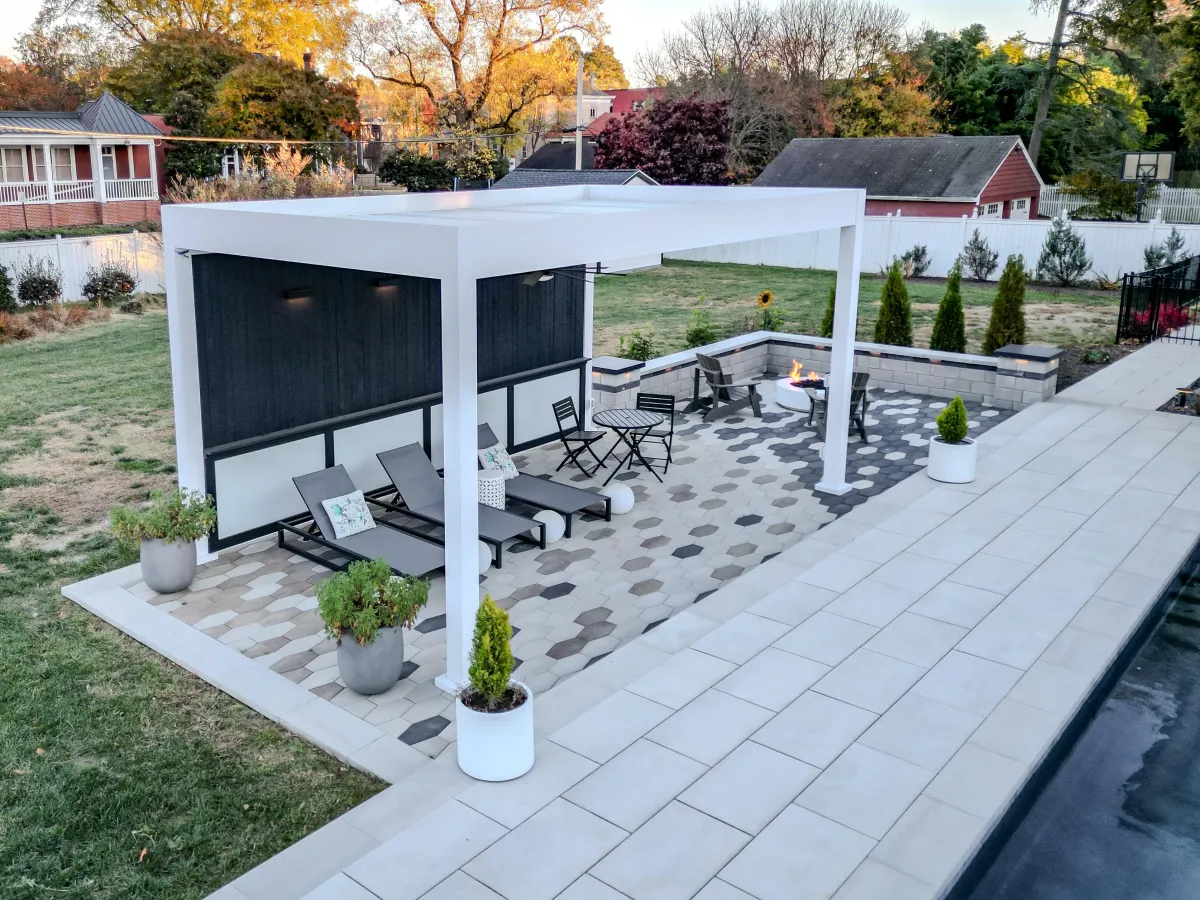
Enhance your Winter Springs outdoor living experience with a premium pergola installed by Florida Living Outdoor. Central and East the cost of Florida's, leading pergola contractor.
Our Winter Springs pergolas, crafted by Azenco-Outdoor, and possess the quality of European Manufacturing made right here in Florida. Each Resort Style Pergola are stylish outdoor structures; they are a lifestyle upgrade.
Our pergolas create the perfect blend of shade, comfort, and elegance, transforming your outdoor space into a year-round Functional outdoor space and haven.
The Florida Living Outdoor Advantage

Luxury Products
Each Awning is designed for Quality and we proudly install only premium grade product that function well in creating those outdoor spaces. MagnaTrack screens are designed to truly enhance your outdoor living experience and deliver trouble-free performance year after year.d long lasting beauty..

Local Experts
As a family-veteran-owned, faith-based business, our team brings a personal touch to every project. We care. Our goal is to ensure your satisfaction and deliver unmatched service and outdoor luxury spaces.

Extensive Experience
FL Outdoors possesses a track record of 26 years of serving major clients; our extensive experience speaks for itself. Trust our licensed Class A contractor services for excellence in installation and customer satisfaction.

Superior Service
At Florida Living Outdoor, white-glove service is our hallmark. Your job is to dream and let us create a smile. Out Educational We prioritize your needs, ensuring a hassle-free experience from consultation to installation.
Your Vision Deserves
A Partner
Who Cares...
SHADE AND PRIVACY
OTHER WINTER SPRINGS FLORIDA LIVING OUTDOOR PRODUCT LINES
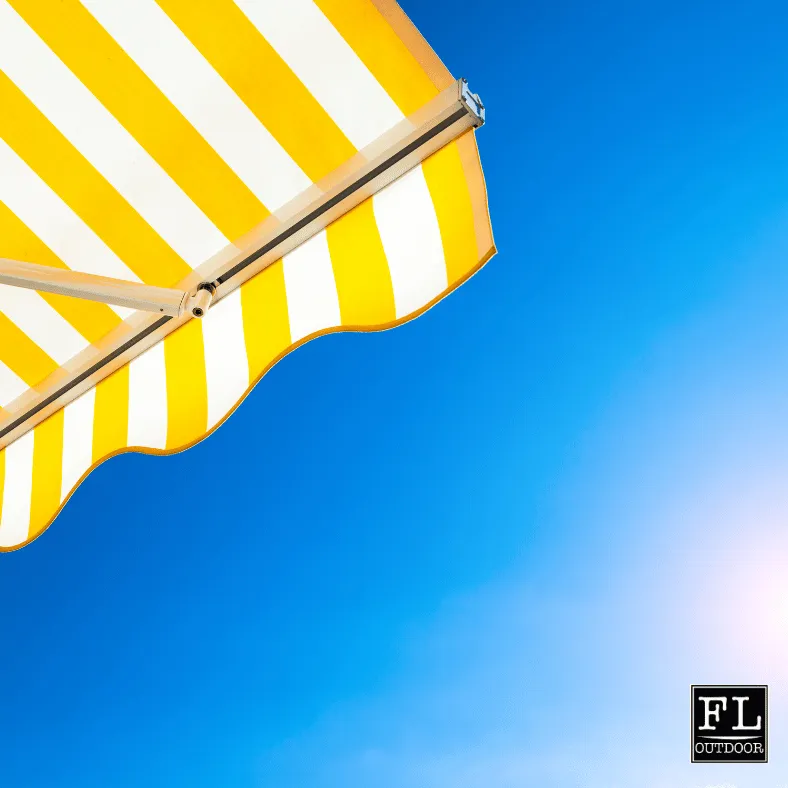
Retractable Awnings
Enjoy on-demand sun protection with retractable awnings, offering shade when you need it and open skies when you don't.
Motorized Awnings: Upgrade your outdoor space with motorized awnings, providing effortless sun protection at the touch of a button.
Commercial Awnings: Protect your business entrance or outdoor seating with commercial awnings designed for durability and superior sun protection.
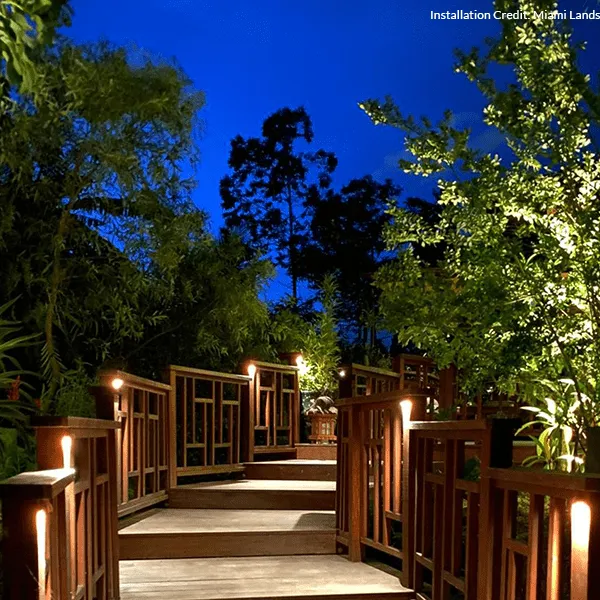
Garden LED Lights
At Florida Living Outdoors, we specialize in creating beautiful, customized outdoor lighting solutions.
We proudly serve homeowners and businesses across the Central Florida region, delivering high-quality installations with Garden Light LED products.
Whether you're looking to increase your home's security, boost curb appeal, or create a stunning outdoor ambiance, our team is here to bring your vision to life.
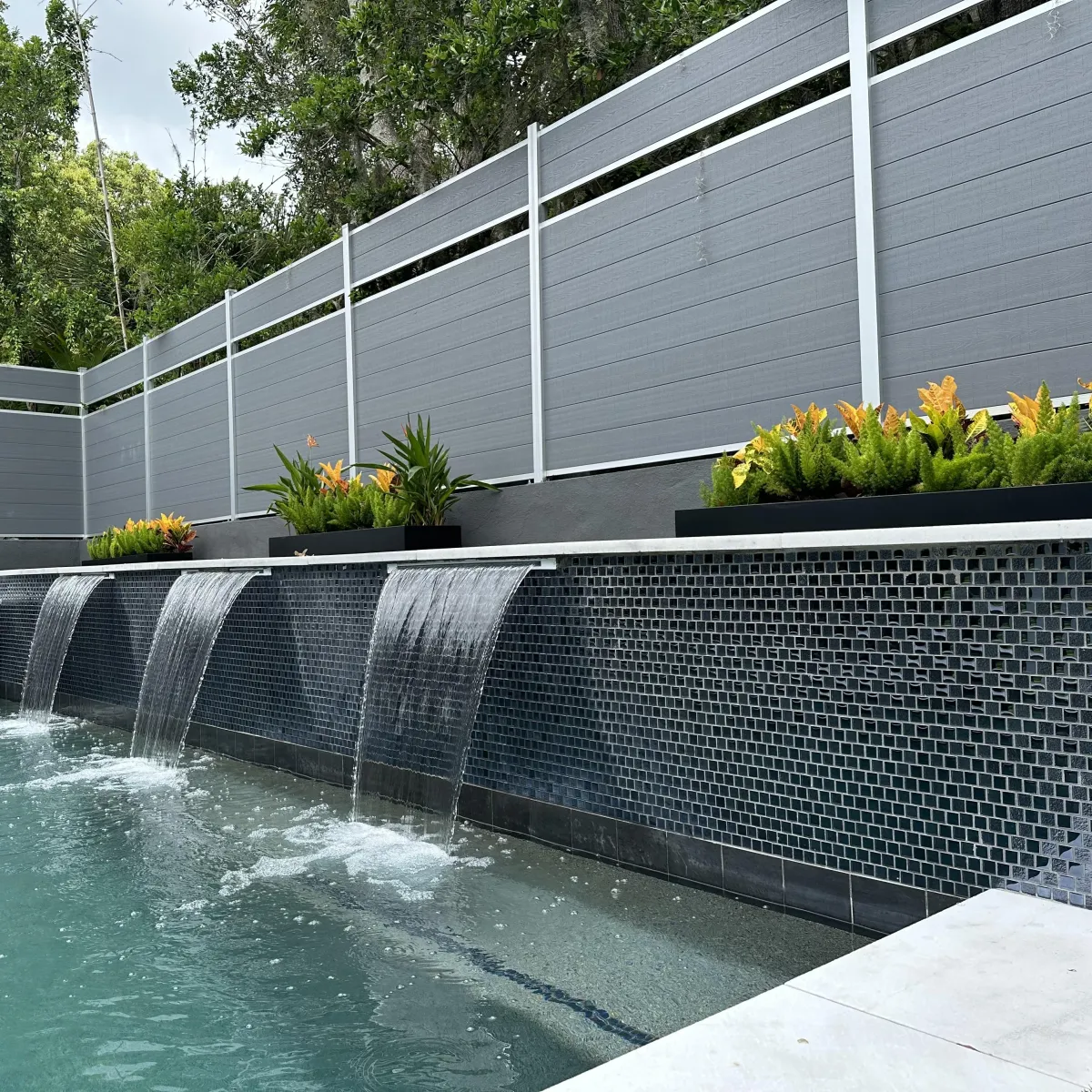
Custom Horizontal Fence
Florida Living Outdoors is Florida's Choice for Greenwood Fence. Greenwood is a distributor of high-quality modern European-style fencing for the residential, commercial, industrial, and agricultural sectors.
Need a fence that combines aesthetics with durability and requires very little maintenance? Welcome to wood plastic composite (WPC) fence solutions, an increasingly desirable, modern, and practical alternative to traditional fence options such as lumber.
The Florida Living Outdoor Advantage
Luxury Products
Each Awning is designed for Quality and we proudly install only premium grade product that function well in creating those outdoor spaces. MagnaTrack screens are designed to truly enhance your outdoor living experience and deliver trouble-free performance year after year.d long lasting beauty..
Local Experts
As a family-veteran-owned, faith-based business, our team brings a personal touch to every project. We care. Our goal is to ensure your satisfaction and deliver unmatched service and outdoor luxury spaces.
Extensive Experience
FL Outdoors possesses a track record of 26 years of serving major clients; our extensive experience speaks for itself. Trust our licensed Class A contractor services for excellence in installation and customer satisfaction.
Superior Service
At Florida Living Outdoor, white-glove service is our hallmark. Your job is to dream and let us create a smile. Out Educational We prioritize your needs, ensuring a hassle-free experience from consultation to installation.
SHADE AND PRIVACY
OTHER WINTER SPRINGS FLORIDA LIVING OUTDOOR PRODUCT LINES
Retractable Awnings
Enjoy on-demand sun protection with retractable awnings, offering shade when you need it and open skies when you don't.
Motorized Awnings: Upgrade your outdoor space with motorized awnings, providing effortless sun protection at the touch of a button.
Commercial Awnings: Protect your business entrance or outdoor seating with commercial awnings designed for durability and superior sun protection.
Garden LED Lights
At Florida Living Outdoors, we specialize in creating beautiful, customized outdoor lighting solutions.
We proudly serve homeowners and businesses across the Central Florida region, delivering high-quality installations with Garden Light LED products.
Whether you're looking to increase your home's security, boost curb appeal, or create a stunning outdoor ambiance, our team is here to bring your vision to life.
Custom Horizontal Fence
Florida Living Outdoors is Florida's Choice for Greenwood Fence. Greenwood is a distributor of high-quality modern European-style fencing for the residential, commercial, industrial, and agricultural sectors.
Need a fence that combines aesthetics with durability and requires very little maintenance? Welcome to wood plastic composite (WPC) fence solutions, an increasingly desirable, modern, and practical alternative to traditional fence options such as lumber.
Your Vision Deserves
A Partner
Who Cares...
SCHEDULE A FREE 20 MINUTE DESIGN CONSULT
Your Vision Deserves
A Partner
Who Delivers...
Your Vision Deserves
A Partner
Who Delivers...
No Mater Your Need.
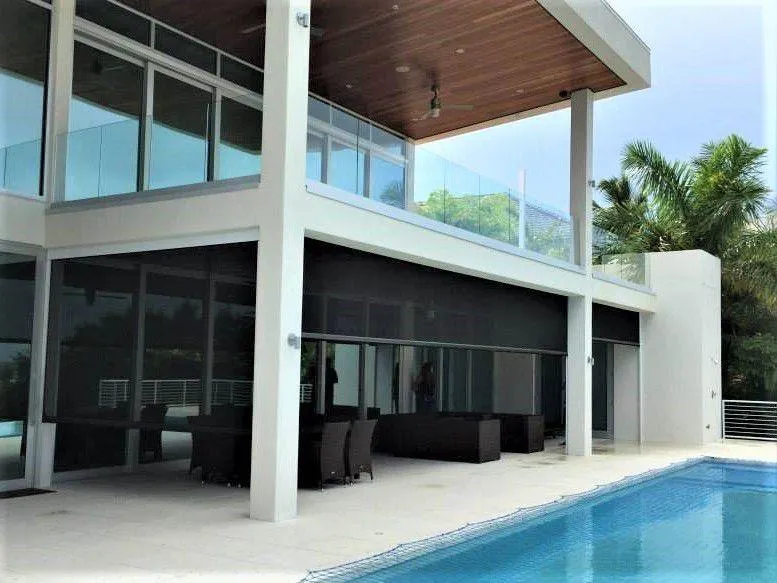
Residential Retractable Screen Application
It does not matter if you are trying to retrofit your existing patio or lanai or in the process of building your dream home- nothing beats enjoyable outdoor space.
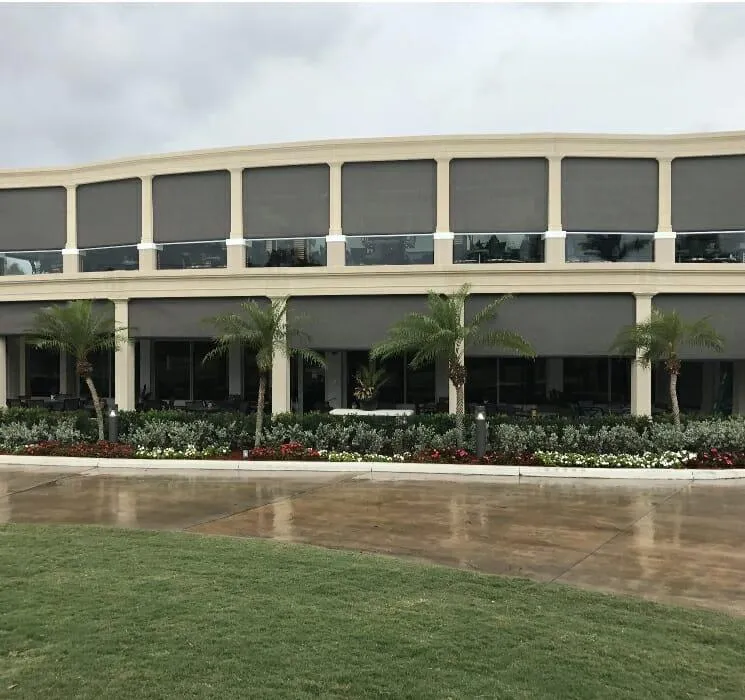
Commercial Screen Application
Made to your specifications to match any branding or themes you have. Large Buildings or Small American Light Can Show How Reduces Energy Cost
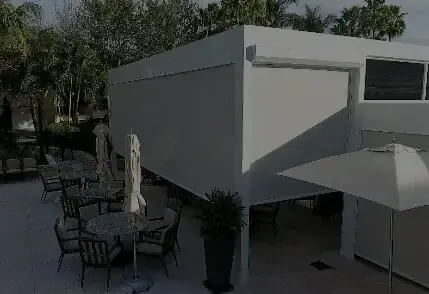
Hospitality Screen Application
Don't lose Revue when it rains. Motorized screens can span 26’ wide and 16’ tall, accommodating many openings.
FL Outdoor News
Stay up to date with the latest News.
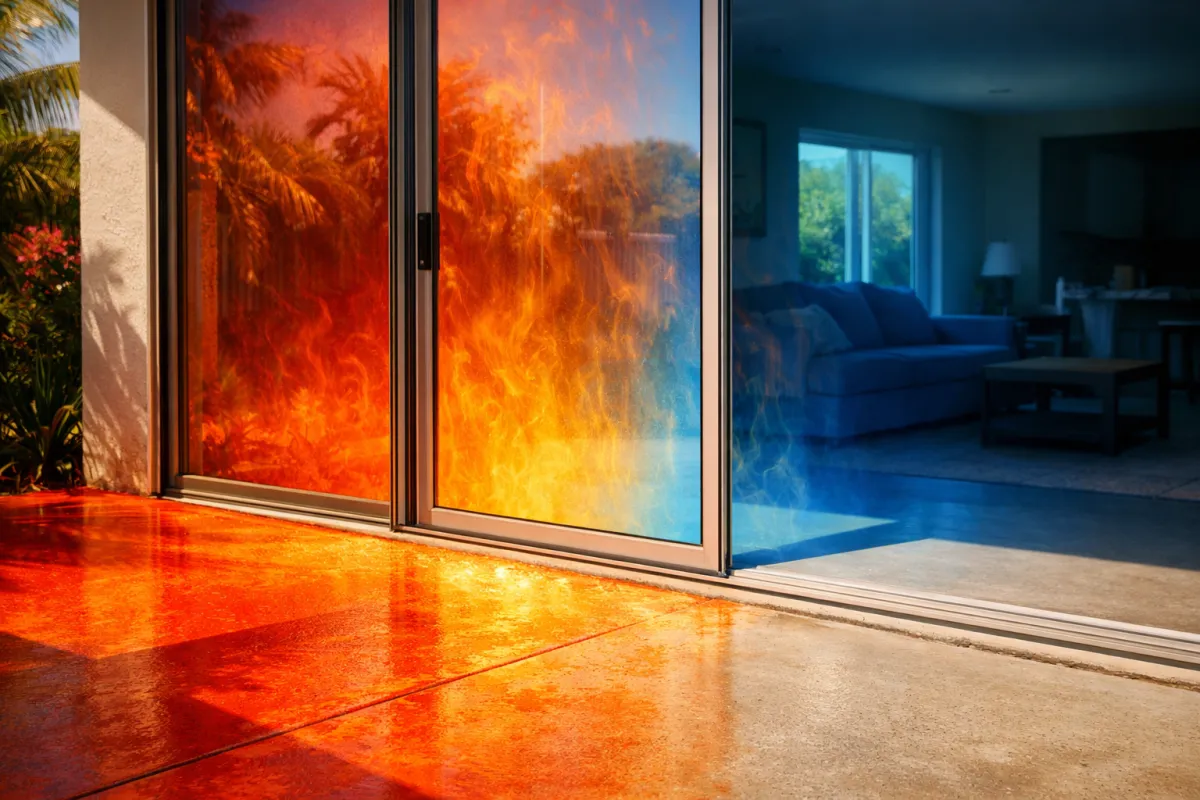
Your Patio Is Heating Your House: The $2,100 Problem on the Other Side of the Glass.
Your Patio Is a Space Heater: The Outdoor-Indoor Energy Problem Nobody Mentions
Your AC is running again.
You can hear it. That mild hum through the wall that starts around 10 a.m. and doesn't quit until long after dark. In July, it barely cycles off. In August, it runs like something's chasing it — relentless, exhausted, working harder than anything in your house should have to work. You've turned the thermostat up to 78. Then 79. You've closed the blinds on the west side of the house, the ones that get that brutal midday light. You've checked the filter twice, and it's clean. You've thought about calling the HVAC company — maybe the unit's old, maybe the refrigerant is low, or possibly something is wrong.
Nothing is wrong with your AC.
Something is wrong with your patio.
That sentence doesn't make sense yet. By the end of this piece, it will be the only thing that makes sense. Stay with me.
Why Is My Electric Bill So High in Florida?
If you're a South Florida homeowner paying $250 to $400 per month in summer electric bills — and some of you are paying more — you've probably asked this question. You've probably asked it while standing in your kitchen, staring at the FPL statement, trying to figure out what changed.
Here's what you've probably blamed: the AC unit itself. Its age. Its efficiency rating. The ductwork. The insulation in the attic. The thermostat settings. The windows. Maybe you went down the rabbit hole — got quotes for a new HVAC system ($8,000 to $15,000 in Florida, according to Filterbuy HVAC Solutions), looked into spray foam insulation ($3,000 to $7,000 for an average attic, per Estimate Florida Consulting), and considered impact windows ($15,000 to $30,000 for a full house).
All reasonable suspects. All are potentially worth addressing someday. But none of them is the most likely culprit — and none of them is the cheapest fix.
The most likely culprit is standing in direct sunlight right now, connected to your living room by a wall of glass, radiating stored heat into your home like a furnace running on solar power.
Your patio.
The Physics Your HVAC Company Won't Mention
This isn't complicated. It's basic heat transfer — the kind of science that doesn't require a degree, just a sliding glass door and a bright day.
When sunlight hits an unshaded patio surface — concrete, pavers, stone, composite decking — that surface absorbs the energy and converts it to heat. On a 92-degree day in South Florida, an unshaded concrete patio surface can reach 140 to 150 degrees (Solomon Colors — Cool Concrete Research). The air immediately above it heats accordingly. That superheated air sits against your exterior walls and, more importantly, against your sliding glass doors.
Glass is a terrible insulator. Even double-pane glass, even Low-E glass, transfers significant heat when the temperature differential is large enough. When the outside surface of your sliding door is baking at 130 degrees and your interior is set to 76, your AC is fighting a sixty-degree battle across a sheet of glass. All day. Every day. From March through October. Eight months of your AC working against a heat source that nobody warned you about when you bought the house.
Now multiply that across every glass door and window that faces your patio. Most South Florida homes have between 40 and 100 square feet of glass exposure on the patio side. That's 40 to 100 square feet of heat transfer surface working against your air conditioning system every hour of every sunny day. Not at night. Not on cloudy days. But in South Florida, those exceptions add up to maybe sixty days a year. The other three hundred, your glass is cooking.
Your AC isn't broken. It's outgunned. The American Society of Heating, Refrigeration and Air-Conditioning Engineers specifically recommends exterior shading devices, such as awnings, as a frontline strategy for reducing cooling load — yet most homeowners never hear this from the people servicing their AC.
The Number Nobody Breaks Down
Here's where most homeowners lose the thread — and where the attribution error lives.
Your FPL bill arrives as one number. $320 in July. $380 in August. You look at the total, wince, and move on. You don't break it down because the bill doesn't break it down for you. It doesn't say "$95 of this is cooling your living room because your unshaded patio is feeding solar heat through the sliding glass door." It just says $380.
So the expense gets absorbed. Filed under "summer in Florida." Filed next to "that's just what it costs." Another version of the normalcy bias we talked about in the third piece of this series — the unspoken acceptance of a cost that feels unavoidable yet isn't.
The U.S. Department of Energy has measured this. Exterior shading — awnings being the most common and effective form — can reduce solar heat gain through windows by up to 65 percent on south-facing exposures and up to 77 percent on west-facing exposures (U.S. Department of Energy — Energy Efficient Window Coverings). The Professional Awning Manufacturers Association translates that to cooling cost reductions of up to 25 percent for homes with significant glass exposure in hot climates (PAMA Energy Savings Study).
Let's make that real. If your summer electric bills average $350 per month from May through October — six months — that's $2,100 in summer cooling costs. A 20 percent reduction is $420 per year. Over five years, that's $2,100 in energy savings alone — from shade. Not from a $12,000 AC replacement. Not from $20,000 in new windows. Not from $5,000 in attic insulation. From a fabric panel that blocks the sun before it reaches your glass. The most expensive solutions aren't always the most effective. Sometimes the cheapest one is the one nobody mentions — and the PAMA study across 50 U.S. cities confirms it.
And that's just the energy savings. It doesn't account for the reduced wear on your AC unit, which runs fewer cycles and lasts longer when it's not fighting solar heat gain for eight months a year. An AC unit that runs 20 percent less works 20 percent less hard, which extends its working life by years. Given that a replacement unit costs $8,000 to $15,000, the value of that extended life is significant — and almost never factored in.
The Wrong Rabbit Hole
This is where the attribution error does its real damage.
A homeowner opens their August bill. $400 -$600. They're angry. They're standing in the kitchen, bill in hand, and the AC is purring through the wall right behind them. They call the HVAC company. The technician comes out, checks the system, and says everything looks normal. Maybe suggests a tune-up, maybe notes the unit is aging, maybe leaves a quote on the counter. The homeowner starts pricing replacements. $10,000 for a good one. $14,000 for a great one — right in the range that Estimate Florida Consulting reports as standard for Florida homes. They start Googling "best HVAC system South Florida" and reading reviews at midnight.
Or they call an insulation company. Someone crawls into the attic, says the insulation is adequate but could be better. $4,000 to upgrade — within the $2,000 to $5,400 range that spray foam attic jobs typically run in Florida.
Or they look at their windows. Single pane, maybe an older double pane. An impact window company quotes $20,000 for the house.
Each of these companies is selling its solution to a problem they've been trained to see through their lens. The HVAC company sees an HVAC problem. The insulation company sees an insulation problem. The window company sees a problem with the window. Nobody looks outside and says: "What if the problem isn't inside your house at all?"
Nobody asks about the patio.
Because nobody — not the HVAC tech, not the insulation installer, not the window salesman — makes money by telling you the answer might be a $3,000 to $7,000 motorized awning over your sliding glass door. That solution lives in a different industry, a different mental category, a different part of the phone book. So it never enters the conversation.
Your AC is running again. Not because it's failing. Because it's fighting the wrong battle — and nobody told you where the real enemy is standing.
Try This Before You Spend $10,000
Go to your sliding glass door. You know the one that faces the sun on a sunny day. Don't open it. Just stand next to it. Close your eyes if you want. You don't need to see this. You need to feel it.
Put your hand close to the glass. Not touching. Just close, maybe two inches away. Feel the heat glowing through. That heat on your palm isn't just uncomfortable; it's dangerous. It's energy. Solar energy is being transferred through the glass and into your home. That heat your AC has to absorb, process, and push back outside through the compressor. Every second you stand there, that transfer is happening. Every hour. Every day. Every dollar on your bill that you blamed on the unit itself — some of those dollars belong here, at this glass, in this heat you can feel on your skin.
Now walk outside. Step onto the patio in bare feet if you dare — but don't, actually, because you'll burn them. Touch the patio surface with the back of your hand instead. If it's a bright afternoon in any month from April through October, that surface is likely 130 to 150 degrees — at an air temperature of just 95 degrees, concrete and pavement surfaces routinely exceed 140 (University of Georgia Climate Research). That heat is rising into the air pocket between your patio and your glass door, creating a convection effect that accelerates the heat transfer.
Come back inside. Close the blinds. Feel the glass again in thirty minutes. Still warm. Blinds slow radiant heat — the light — but they can't stop conductive heat that's already transferred through the glass. The heat is already inside. The damage is already done. Your AC is already running to compensate.
Now picture that same door with a motorized awning extended over the patio. The fabric blocks the direct sunlight before it hits the surface. The patio stays 15 to 25 degrees cooler. The air against the glass drops accordingly. The heat transfer through the door drops by up to 77 percent on west-facing exposures, according to the Department of Energy. Your AC cycles less. Your bill drops. Your system lasts longer.
The answer was never inside your house. It was outside — standing in the sun, baking against your glass, the whole time.
What a Motorized Awning Actually Does to Your Energy Bill
We touched on the awning's UV and furniture protection in the third piece of this series. Here's the energy side of the equation — the part that surprises people most because it feels too simple.
A motorized retractable awning extends at the press of a button and covers the area between your roofline and the edge of your patio. When deployed, it blocks direct sunlight from reaching your patio surface and outdoor furniture. Most importantly for this conversation, your sliding glass door and exterior walls.
Modern systems include sun sensors that automatically extend the awning when UV intensity reaches a set threshold, and wind sensors that retract it when gusts exceed safe limits. You don't have to manage it. You don't have to remember it. You just have to install one. The system reads the conditions and responds.
The energy impact is measurable from the first month. Homeowners in South Florida who add awning coverage over their primary glass exposure consistently report cooling cost reductions of 15 to 25 percent (PAMA — Why Use Awnings: Energy Savings). On a $350 monthly summer bill, that's $50 to $90 per month — real dollars, visible on the next statement.
The awning costs between $3,000 and $7,000 installed, depending on size, fabric, and automation features. At $420 to $700 in annual energy savings alone, the payback period is three to seven years on energy alone — and faster when you factor in reduced furniture replacement, extended AC life, and increased outdoor usability.

The Combination That Multiplies the Effect
An awning handles what comes from above — direct sun, radiant heat, UV. But heat also enters through the sides. Wind-driven heat. Reflected light from neighboring structures. Hot air that pools against your glass wall during still afternoons.
Motorized screens on the sides of your patio create a secondary thermal buffer. Research from the Building America Solution Center confirms that exterior screen systems can reduce solar heat greatly — up to 46 percent for exterior-mounted screens (Building America — Window Attachments for Solar Control). When deployed alongside an awning, they reduce ambient air temperature in the patio zone by an additional five to ten degrees beyond what the awning alone achieves. That cooler air pocket against your glass door further reduces heat transfer, lowers AC load, and extends the comfortable hours on your patio.
This is the same awning-plus-screen combination we've discussed throughout this series — shade overhead, protection on the sides, open whenever you want it. Companies like Florida Living Outdoor have been designing and installing these layered systems across South Florida for twenty-six years. Veteran-owned. Every consultation starts with a site assessment that includes orientation analysis — which direction your patio faces, where the sun hits hardest, and what combination of shade and screening delivers the most impact for your specific exposure.
The consultation is free. It takes about thirty minutes. And it starts with the question most HVAC companies, insulation contractors, and window installers never ask: what's happening on the other side of your glass?
Your AC Is Running Again
You can hear it. That hums through the wall. But now you know something you didn't know twenty minutes ago.
It's not the unit. It's not the ductwork. It's not the insulation. It's not the windows — or at least, it's not only the windows.
It's the unshaded concrete furnace on the other side of your sliding glass door, radiating stored solar energy into your home every day, making your AC fight a battle it was never designed to win alone.
The cheapest fix isn't inside your house. It never was. The cheapest fix is between your roofline and the sun — a motorized retractable awning that blocks the heat before it reaches the glass, drops your patio temperature by 15 to 25 degrees, reduces your cooling costs by up to 25 percent, and pays for itself within a few years.
Your AC has been telling you something all summer. Not that it's broken. It needs help.
The help is shade. And it's simpler than you thought.
This is the fifth piece in "The Great Florida Thaw," a ten-part series on outdoor living in South Florida. Previously: why temporary mosquito solutions fail and what actually works. Next: screened-in porch or motorized screens — how to know which is right for your Florida home.

Your Patio Is Heating Your House: The $2,100 Problem on the Other Side of the Glass.
Your Patio Is a Space Heater: The Outdoor-Indoor Energy Problem Nobody Mentions
Your AC is running again.
You can hear it. That mild hum through the wall that starts around 10 a.m. and doesn't quit until long after dark. In July, it barely cycles off. In August, it runs like something's chasing it — relentless, exhausted, working harder than anything in your house should have to work. You've turned the thermostat up to 78. Then 79. You've closed the blinds on the west side of the house, the ones that get that brutal midday light. You've checked the filter twice, and it's clean. You've thought about calling the HVAC company — maybe the unit's old, maybe the refrigerant is low, or possibly something is wrong.
Nothing is wrong with your AC.
Something is wrong with your patio.
That sentence doesn't make sense yet. By the end of this piece, it will be the only thing that makes sense. Stay with me.
Why Is My Electric Bill So High in Florida?
If you're a South Florida homeowner paying $250 to $400 per month in summer electric bills — and some of you are paying more — you've probably asked this question. You've probably asked it while standing in your kitchen, staring at the FPL statement, trying to figure out what changed.
Here's what you've probably blamed: the AC unit itself. Its age. Its efficiency rating. The ductwork. The insulation in the attic. The thermostat settings. The windows. Maybe you went down the rabbit hole — got quotes for a new HVAC system ($8,000 to $15,000 in Florida, according to Filterbuy HVAC Solutions), looked into spray foam insulation ($3,000 to $7,000 for an average attic, per Estimate Florida Consulting), and considered impact windows ($15,000 to $30,000 for a full house).
All reasonable suspects. All are potentially worth addressing someday. But none of them is the most likely culprit — and none of them is the cheapest fix.
The most likely culprit is standing in direct sunlight right now, connected to your living room by a wall of glass, radiating stored heat into your home like a furnace running on solar power.
Your patio.
The Physics Your HVAC Company Won't Mention
This isn't complicated. It's basic heat transfer — the kind of science that doesn't require a degree, just a sliding glass door and a bright day.
When sunlight hits an unshaded patio surface — concrete, pavers, stone, composite decking — that surface absorbs the energy and converts it to heat. On a 92-degree day in South Florida, an unshaded concrete patio surface can reach 140 to 150 degrees (Solomon Colors — Cool Concrete Research). The air immediately above it heats accordingly. That superheated air sits against your exterior walls and, more importantly, against your sliding glass doors.
Glass is a terrible insulator. Even double-pane glass, even Low-E glass, transfers significant heat when the temperature differential is large enough. When the outside surface of your sliding door is baking at 130 degrees and your interior is set to 76, your AC is fighting a sixty-degree battle across a sheet of glass. All day. Every day. From March through October. Eight months of your AC working against a heat source that nobody warned you about when you bought the house.
Now multiply that across every glass door and window that faces your patio. Most South Florida homes have between 40 and 100 square feet of glass exposure on the patio side. That's 40 to 100 square feet of heat transfer surface working against your air conditioning system every hour of every sunny day. Not at night. Not on cloudy days. But in South Florida, those exceptions add up to maybe sixty days a year. The other three hundred, your glass is cooking.
Your AC isn't broken. It's outgunned. The American Society of Heating, Refrigeration and Air-Conditioning Engineers specifically recommends exterior shading devices, such as awnings, as a frontline strategy for reducing cooling load — yet most homeowners never hear this from the people servicing their AC.
The Number Nobody Breaks Down
Here's where most homeowners lose the thread — and where the attribution error lives.
Your FPL bill arrives as one number. $320 in July. $380 in August. You look at the total, wince, and move on. You don't break it down because the bill doesn't break it down for you. It doesn't say "$95 of this is cooling your living room because your unshaded patio is feeding solar heat through the sliding glass door." It just says $380.
So the expense gets absorbed. Filed under "summer in Florida." Filed next to "that's just what it costs." Another version of the normalcy bias we talked about in the third piece of this series — the unspoken acceptance of a cost that feels unavoidable yet isn't.
The U.S. Department of Energy has measured this. Exterior shading — awnings being the most common and effective form — can reduce solar heat gain through windows by up to 65 percent on south-facing exposures and up to 77 percent on west-facing exposures (U.S. Department of Energy — Energy Efficient Window Coverings). The Professional Awning Manufacturers Association translates that to cooling cost reductions of up to 25 percent for homes with significant glass exposure in hot climates (PAMA Energy Savings Study).
Let's make that real. If your summer electric bills average $350 per month from May through October — six months — that's $2,100 in summer cooling costs. A 20 percent reduction is $420 per year. Over five years, that's $2,100 in energy savings alone — from shade. Not from a $12,000 AC replacement. Not from $20,000 in new windows. Not from $5,000 in attic insulation. From a fabric panel that blocks the sun before it reaches your glass. The most expensive solutions aren't always the most effective. Sometimes the cheapest one is the one nobody mentions — and the PAMA study across 50 U.S. cities confirms it.
And that's just the energy savings. It doesn't account for the reduced wear on your AC unit, which runs fewer cycles and lasts longer when it's not fighting solar heat gain for eight months a year. An AC unit that runs 20 percent less works 20 percent less hard, which extends its working life by years. Given that a replacement unit costs $8,000 to $15,000, the value of that extended life is significant — and almost never factored in.
The Wrong Rabbit Hole
This is where the attribution error does its real damage.
A homeowner opens their August bill. $400 -$600. They're angry. They're standing in the kitchen, bill in hand, and the AC is purring through the wall right behind them. They call the HVAC company. The technician comes out, checks the system, and says everything looks normal. Maybe suggests a tune-up, maybe notes the unit is aging, maybe leaves a quote on the counter. The homeowner starts pricing replacements. $10,000 for a good one. $14,000 for a great one — right in the range that Estimate Florida Consulting reports as standard for Florida homes. They start Googling "best HVAC system South Florida" and reading reviews at midnight.
Or they call an insulation company. Someone crawls into the attic, says the insulation is adequate but could be better. $4,000 to upgrade — within the $2,000 to $5,400 range that spray foam attic jobs typically run in Florida.
Or they look at their windows. Single pane, maybe an older double pane. An impact window company quotes $20,000 for the house.
Each of these companies is selling its solution to a problem they've been trained to see through their lens. The HVAC company sees an HVAC problem. The insulation company sees an insulation problem. The window company sees a problem with the window. Nobody looks outside and says: "What if the problem isn't inside your house at all?"
Nobody asks about the patio.
Because nobody — not the HVAC tech, not the insulation installer, not the window salesman — makes money by telling you the answer might be a $3,000 to $7,000 motorized awning over your sliding glass door. That solution lives in a different industry, a different mental category, a different part of the phone book. So it never enters the conversation.
Your AC is running again. Not because it's failing. Because it's fighting the wrong battle — and nobody told you where the real enemy is standing.
Try This Before You Spend $10,000
Go to your sliding glass door. You know the one that faces the sun on a sunny day. Don't open it. Just stand next to it. Close your eyes if you want. You don't need to see this. You need to feel it.
Put your hand close to the glass. Not touching. Just close, maybe two inches away. Feel the heat glowing through. That heat on your palm isn't just uncomfortable; it's dangerous. It's energy. Solar energy is being transferred through the glass and into your home. That heat your AC has to absorb, process, and push back outside through the compressor. Every second you stand there, that transfer is happening. Every hour. Every day. Every dollar on your bill that you blamed on the unit itself — some of those dollars belong here, at this glass, in this heat you can feel on your skin.
Now walk outside. Step onto the patio in bare feet if you dare — but don't, actually, because you'll burn them. Touch the patio surface with the back of your hand instead. If it's a bright afternoon in any month from April through October, that surface is likely 130 to 150 degrees — at an air temperature of just 95 degrees, concrete and pavement surfaces routinely exceed 140 (University of Georgia Climate Research). That heat is rising into the air pocket between your patio and your glass door, creating a convection effect that accelerates the heat transfer.
Come back inside. Close the blinds. Feel the glass again in thirty minutes. Still warm. Blinds slow radiant heat — the light — but they can't stop conductive heat that's already transferred through the glass. The heat is already inside. The damage is already done. Your AC is already running to compensate.
Now picture that same door with a motorized awning extended over the patio. The fabric blocks the direct sunlight before it hits the surface. The patio stays 15 to 25 degrees cooler. The air against the glass drops accordingly. The heat transfer through the door drops by up to 77 percent on west-facing exposures, according to the Department of Energy. Your AC cycles less. Your bill drops. Your system lasts longer.
The answer was never inside your house. It was outside — standing in the sun, baking against your glass, the whole time.
What a Motorized Awning Actually Does to Your Energy Bill
We touched on the awning's UV and furniture protection in the third piece of this series. Here's the energy side of the equation — the part that surprises people most because it feels too simple.
A motorized retractable awning extends at the press of a button and covers the area between your roofline and the edge of your patio. When deployed, it blocks direct sunlight from reaching your patio surface and outdoor furniture. Most importantly for this conversation, your sliding glass door and exterior walls.
Modern systems include sun sensors that automatically extend the awning when UV intensity reaches a set threshold, and wind sensors that retract it when gusts exceed safe limits. You don't have to manage it. You don't have to remember it. You just have to install one. The system reads the conditions and responds.
The energy impact is measurable from the first month. Homeowners in South Florida who add awning coverage over their primary glass exposure consistently report cooling cost reductions of 15 to 25 percent (PAMA — Why Use Awnings: Energy Savings). On a $350 monthly summer bill, that's $50 to $90 per month — real dollars, visible on the next statement.
The awning costs between $3,000 and $7,000 installed, depending on size, fabric, and automation features. At $420 to $700 in annual energy savings alone, the payback period is three to seven years on energy alone — and faster when you factor in reduced furniture replacement, extended AC life, and increased outdoor usability.
The Combination That Multiplies the Effect
An awning handles what comes from above — direct sun, radiant heat, UV. But heat also enters through the sides. Wind-driven heat. Reflected light from neighboring structures. Hot air that pools against your glass wall during still afternoons.
Motorized screens on the sides of your patio create a secondary thermal buffer. Research from the Building America Solution Center confirms that exterior screen systems can reduce solar heat greatly — up to 46 percent for exterior-mounted screens (Building America — Window Attachments for Solar Control). When deployed alongside an awning, they reduce ambient air temperature in the patio zone by an additional five to ten degrees beyond what the awning alone achieves. That cooler air pocket against your glass door further reduces heat transfer, lowers AC load, and extends the comfortable hours on your patio.
This is the same awning-plus-screen combination we've discussed throughout this series — shade overhead, protection on the sides, open whenever you want it. Companies like Florida Living Outdoor have been designing and installing these layered systems across South Florida for twenty-six years. Veteran-owned. Every consultation starts with a site assessment that includes orientation analysis — which direction your patio faces, where the sun hits hardest, and what combination of shade and screening delivers the most impact for your specific exposure.
The consultation is free. It takes about thirty minutes. And it starts with the question most HVAC companies, insulation contractors, and window installers never ask: what's happening on the other side of your glass?
Your AC Is Running Again
You can hear it. That hums through the wall. But now you know something you didn't know twenty minutes ago.
It's not the unit. It's not the ductwork. It's not the insulation. It's not the windows — or at least, it's not only the windows.
It's the unshaded concrete furnace on the other side of your sliding glass door, radiating stored solar energy into your home every day, making your AC fight a battle it was never designed to win alone.
The cheapest fix isn't inside your house. It never was. The cheapest fix is between your roofline and the sun — a motorized retractable awning that blocks the heat before it reaches the glass, drops your patio temperature by 15 to 25 degrees, reduces your cooling costs by up to 25 percent, and pays for itself within a few years.
Your AC has been telling you something all summer. Not that it's broken. It needs help.
The help is shade. And it's simpler than you thought.
This is the fifth piece in "The Great Florida Thaw," a ten-part series on outdoor living in South Florida. Previously: why temporary mosquito solutions fail and what actually works. Next: screened-in porch or motorized screens — how to know which is right for your Florida home.
Your Vision Deserves
A Partner,
Not Just A Vendor
Your Vision Deserves
A Partner,
Not Just A Vendor
COMPANY
MOTORIZED SCREENS
SHADE SOLUTIONS
FENCING & LIGHTING
DESIGN IDEAS
SUPPORT



Copyright 2026. FL OUTDOOR. All Rights Reserved.
Powered and Built By