MOTORIZED SCREENS
Florida Living Outdoor 365 Weather, Sun, & Insect Protection
Frustrated every time your patio feels unusable?
Every season brings its challenges. Bugs swarm your evenings, the sun turns your patio into an oven, and storms or cold weather force you inside. It shouldn't be this hard to enjoy your outdoor space. Your patio should be your escape, not a source of stress.
Not all motorized screens are built the same
OneTrack's patented Lock Tight Keder system eliminates zippers, gaps, and failures. Deploy protection at the touch of a button. Trust American engineering. Rely on a lifetime warranty that actually means something.
MOTORIZED SCREEN SOLUTIONS
Year - Round Protections
Does Mother Nature spend more time on your patio and lanai then you do? Take it back. Maximize and extend your outdoor living space with MagnaTrack and Florida Living Outdoor. The Residential Series offers year-round protection from storms, insects, sun and glare, and much more. while providing the quality.

Sun
Insect

Wind

Privacy

Hurricane
Your Vision Deserves
A Partner
Who Listens...
Frustrated every time your patio feels unusable?
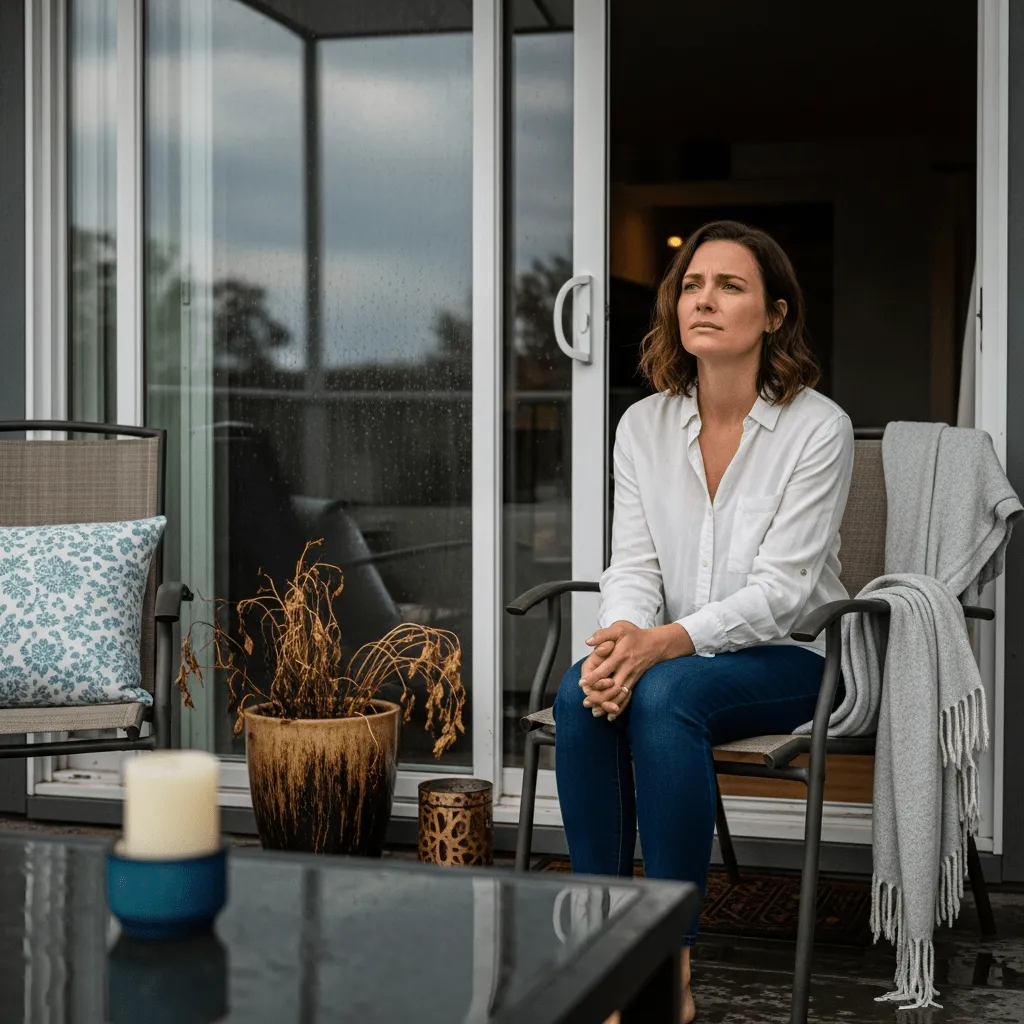
Every season brings its challenges. Bugs swarm your evenings, the sun turns your patio into an oven, and storms or cold weather force you inside. It shouldn't be this hard to enjoy your outdoor space. Your patio should be your escape, not a source of stress.
Not all motorized screens are built the same
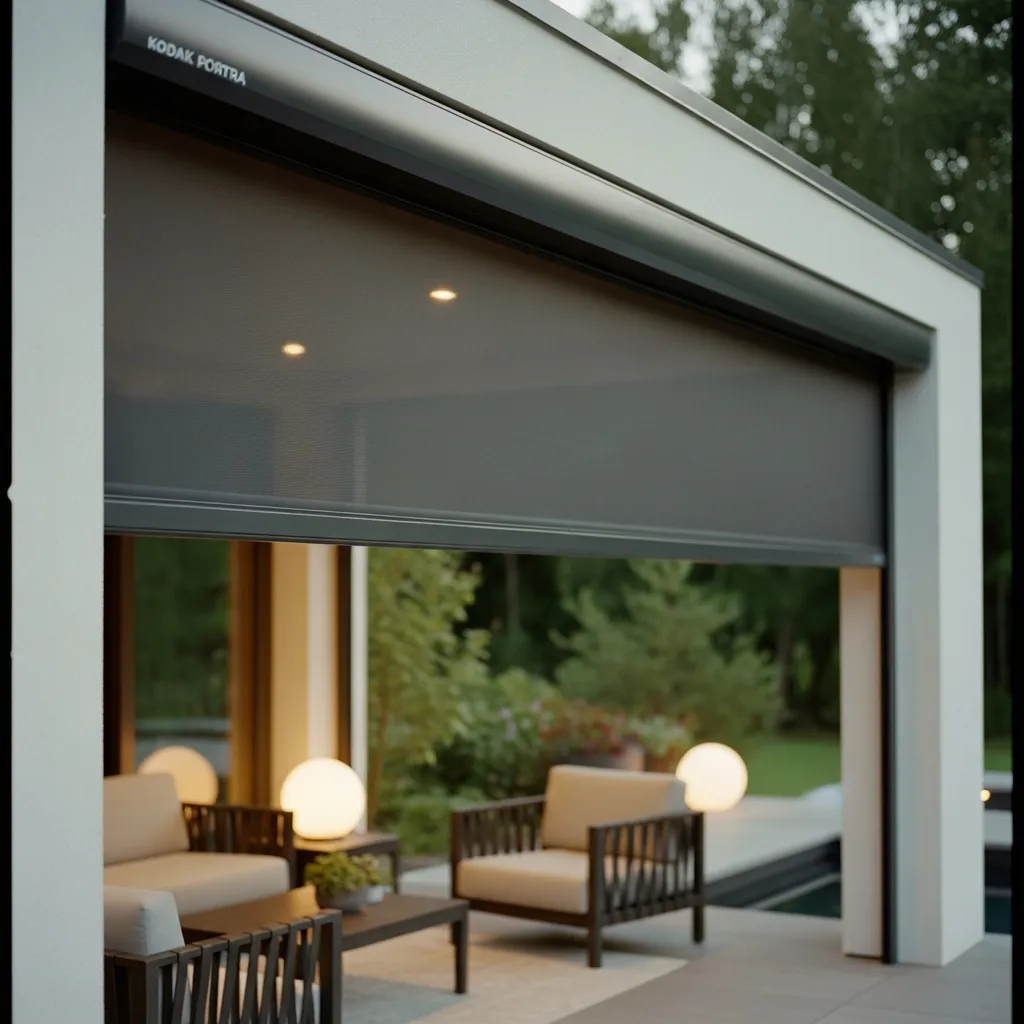
OneTrack's patented Lock Tight Keder system eliminates zippers, gaps, and failures. Deploy protection at the touch of a button. Trust American engineering. Rely on a lifetime warranty that actually means something.
MOTORIZED SCREEN SOLUTIONS
Year - Round Protections
Does Mother Nature spend more time on your patio and lanai then you do? Take it back. Maximize and extend your outdoor living space with MagnaTrack and Florida Living Outdoor. The Residential Series offers year-round protection from storms, insects, sun and glare, and much more. while providing the quality.
Sun
Insect
Wind
Privacy
Hurricane
RESIDENTIAL APPLICATIONS
Explore FL Outdoor's Residential Screen
Your Vision Deserves
A Partner
Who Listens...
RESIDENTIAL APPLICATIONS
Explore FL Outdoor's Residential Screen
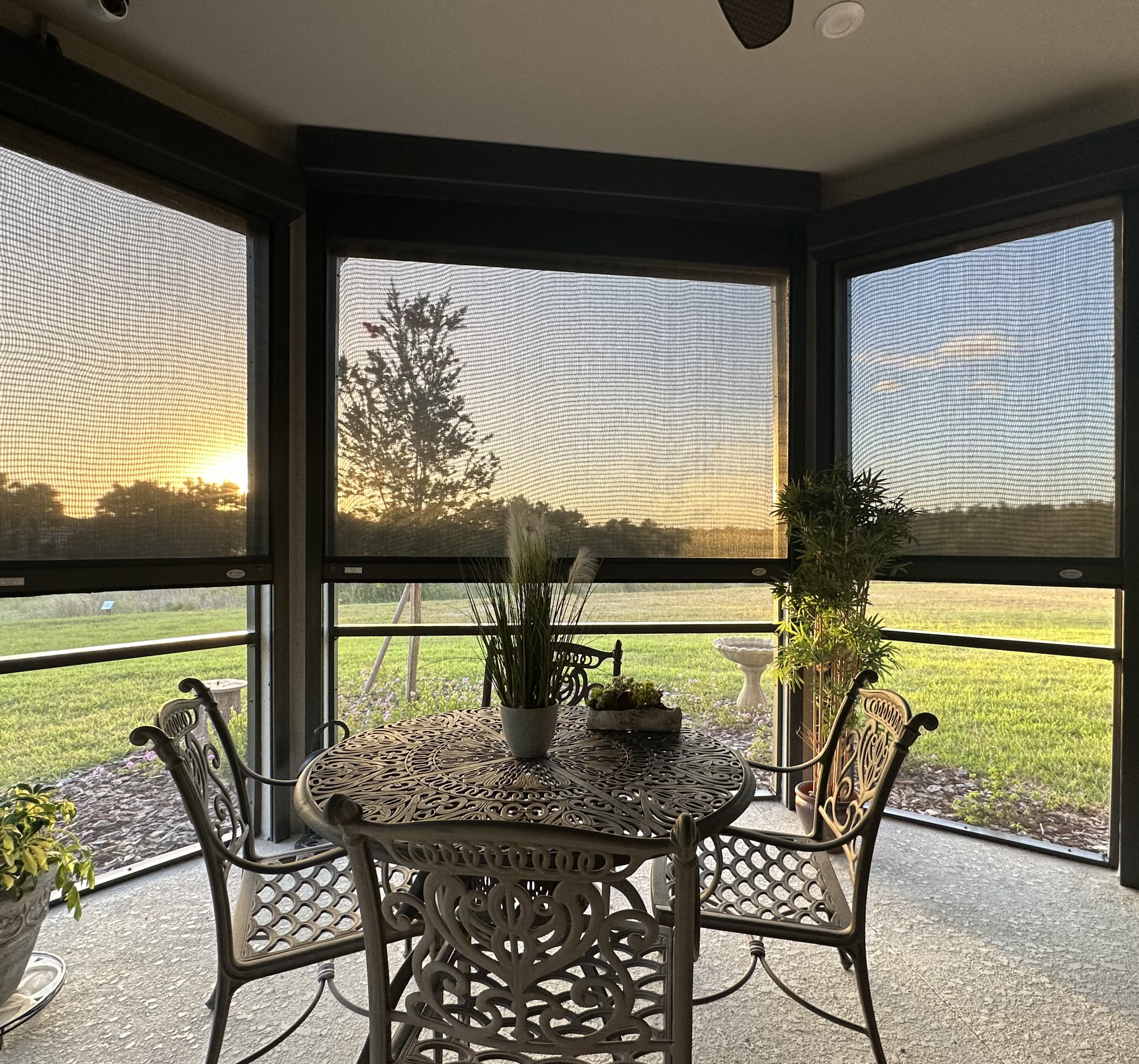
SOLAR SCREENS
Our Solar Screens are a perfect for summer heat and the pounding sun of West facing patios, doors, and lanais.
Our mesh selections block 70%-97% of harmful UV rays while also providing shade and cooling on the most sweltering days.
Protect Against all the Florida sun, heat, wind, and prying eyes.
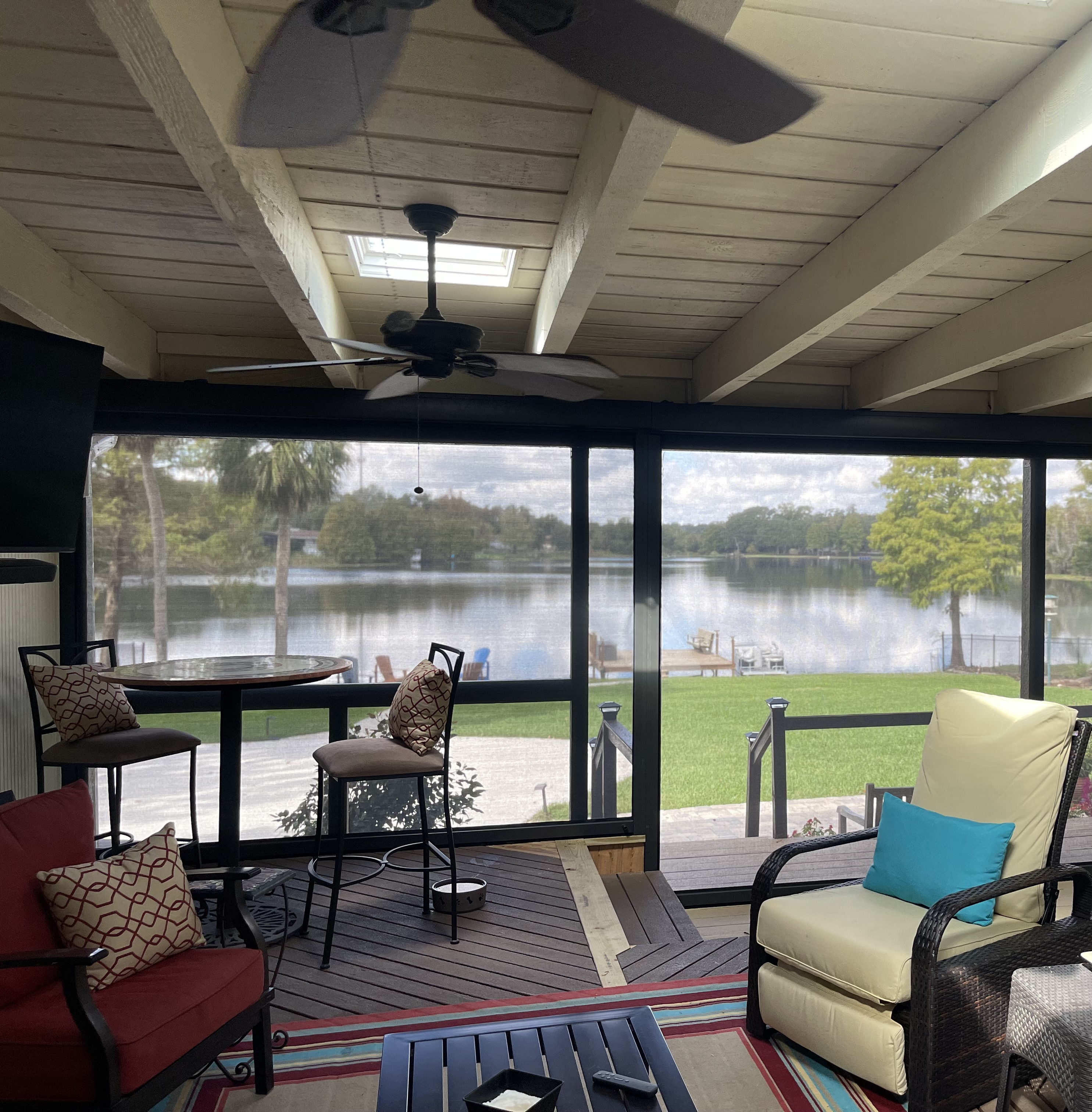
INSECT SCREENS
Motorized insect screens are perfect for Florida Lake Home or waterfront outdoor space.
Safeguard against insects while maximizing airflow through your space. Protects against:
Flies
Mosquitos
Tiny Insects
No-see-ums
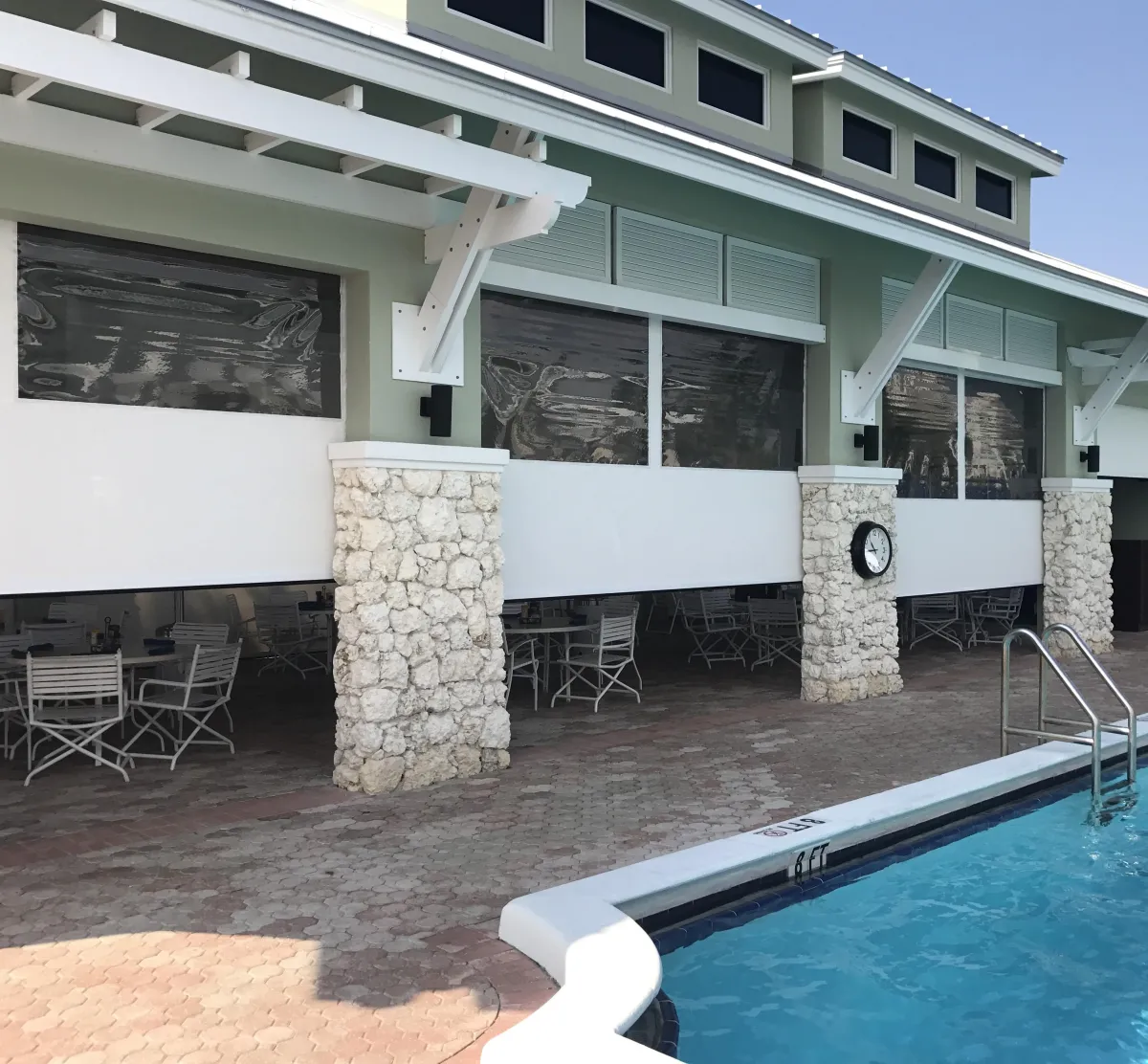
VINYL SCREENS
Make your outdoor space accessible year-round. Our vinyl screens offer temperature control and energy savings, so you can enjoy hot or cold, rain or shine.
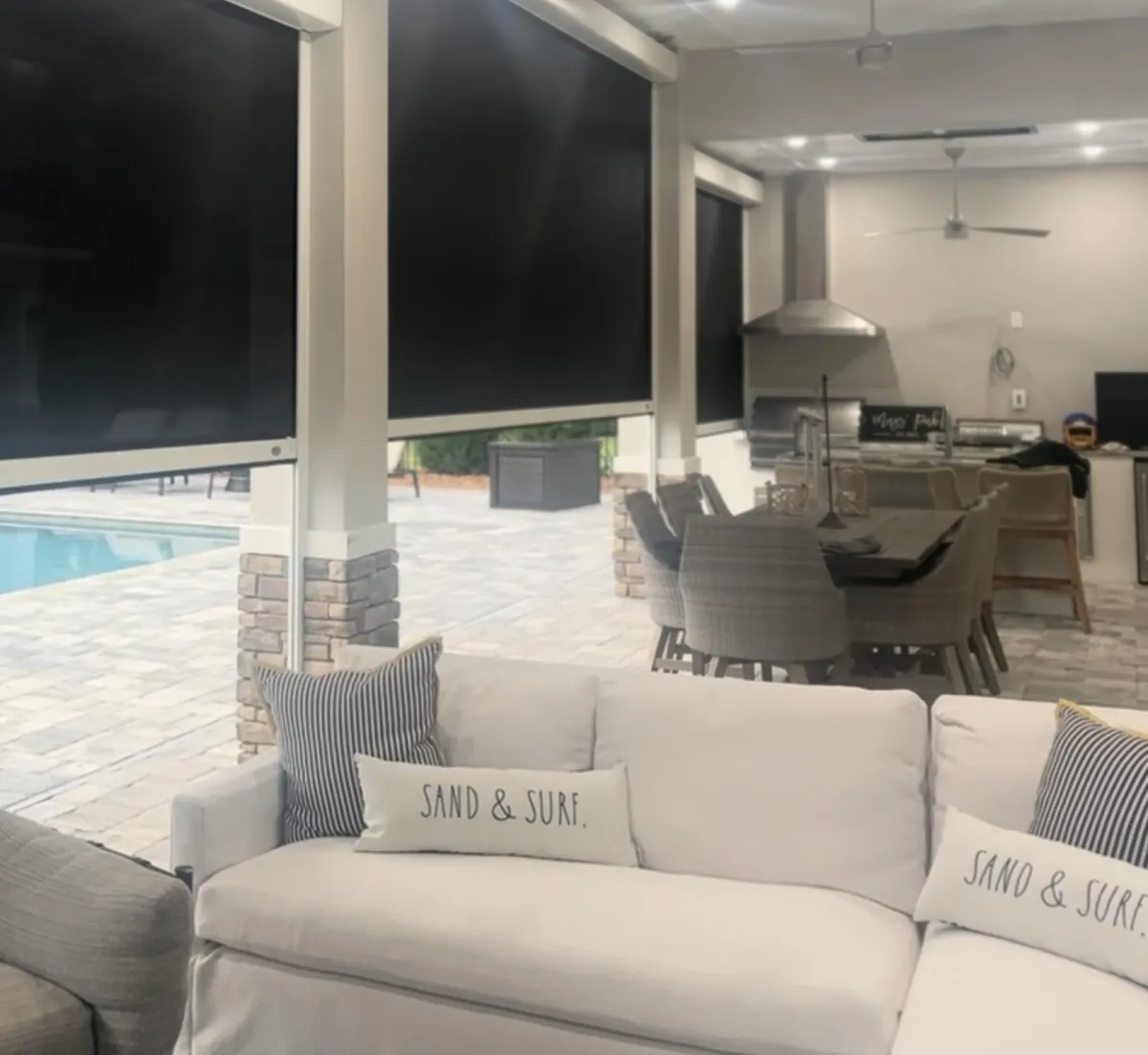
HURRICANE SCREENS
Protect your outdoor space accessible year-round. Our Defender Hurricane and Fenetex Hurricane screens offer easy hurricane prep and temperature control so you can enjoy hot or cold, rain or shine.
Your Vision Deserves
A Partner
Who Cares...
SOLAR SCREENS
Our Solar Screens are a perfect for summer heat and the pounding sun of West facing patios, doors, and lanais.
Our mesh selections block 70%-97% of harmful UV rays while also providing shade and cooling on the most sweltering days.
Protect Against all the Florida sun, heat, wind, and prying eyes.
INSECT SCREENS
Motorized insect screens are perfect for Florida Lake Home or waterfront outdoor space.
Safeguard against insects while maximizing airflow through your space. Protects against:
Flies
Mosquitos
Tiny Insects
No-see-ums
VINYL SCREENS
Make your outdoor space accessible year-round. Our vinyl screens offer temperature control and energy savings, so you can enjoy hot or cold, rain or shine.
HURRICANE SCREENS
Protect your outdoor space accessible year-round. Our Defender Hurricane and Fenetex Hurricane screens offer easy hurricane prep and temperature control so you can enjoy hot or cold, rain or shine.
Your Vision Deserves
A Partner
Who Cares...
TRUSTED PARTNERS
Get to know your system....

MagnaTrack Hurricane Screens
Our most popular system. Side channels lock the screen in place during storms while maintaining smooth operation for daily use.

One-Track Motorized Screens
Sleek, minimalist design for controlled environments. Perfect for lanais and covered patios where style meets function.
Complete Customization
STEP ONE:
Choose Your Screen Color...
Backed by Twitchell’s our insect and shade screens are engineered for maximum strength and durability. These fabrics aren’t just tough—they’re also UV-protected for long-lasting performance and crafted with aesthetics in mind. Choose from six elegant colors designed to complement the architecture of your home.
Nano 95
Are you looking for the perfect solutions to keep Mother Nature out. Nano 95 screens do exactly that?
Colors:
Black, Stone Texture, Shadow Texture, Granite, Espresso, Charcoal, White, Bable, Bone
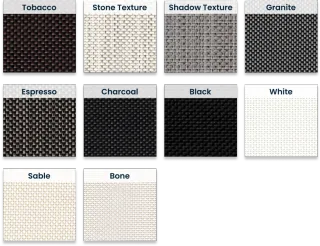
Nano 97
Do you want to create that perfect 4 season patio. Nano 97 blocks outdoor elements, provides maximum privacy, but they do not compromise visibility?
Colors:
Espresso Texture, Basket Tobacco, Basket Charcoal, Basket Granite, Basket Black
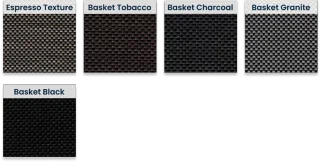
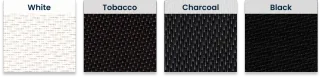
Specialty AME 97
AME 97 Screens are as they sound, Special. They are the Provide altimate cliamate control for your patio or lanai.
Colors:
White, Tobaco, Charcoal, Black
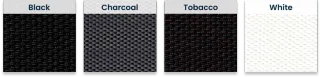
Black Out
Do you have an annoying neighbor or need Friday night privacy. Black out screen are solid wall of pure unadlitrated privacy?
Black, Charcoal, Tobacco, White
Textilene 80, 90
The Textilene Series is all about weather control and air flow. Control what you let in. If you block 80, then you allow 20%/10% to flow. Blocks dirt, rain, dander, harmful UV-Rays, and dust.
Colors:
Brown, Desert Sand, Busk Grey, Sandstone, White, Black & Brown, Black
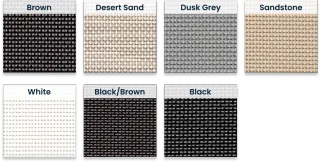
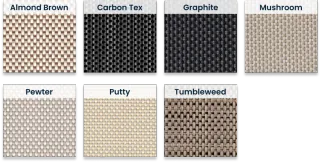
Textilene 95
The Textilene Series is all about weather control and air flow. Control what you let in. If you block 95, then you allow 5% to flow. Blocks dirt, rain, dander, harmful UV-Rays, and dust
Colors:
Almond Brown, Carbon Tex, Graphite, Mushroom, Pewter, Putty, Tumbleweed
STEP TWO:
Choose Your Frame Color...
Choosing the right screen color is simple with One-Track. Our standard color selections are designed to blend seamlessly with your architecture and framework, offering a clean, cohesive look. For unique designs, custom powder coating is available to match any project. All finishes are marine-grade and infused with UV ray inhibitors—built to endure the elements and maintain their beauty for years to come.
STEP THREE:
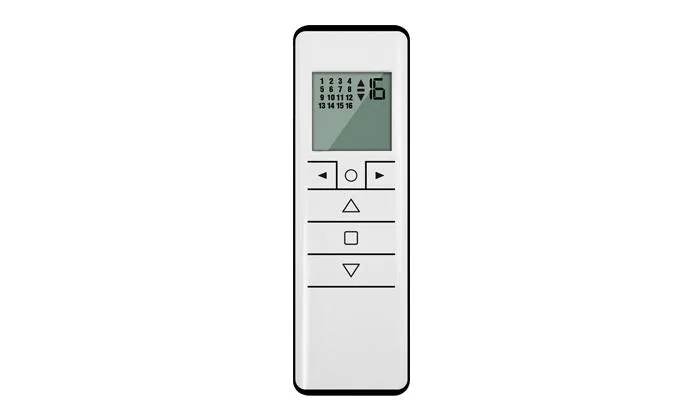
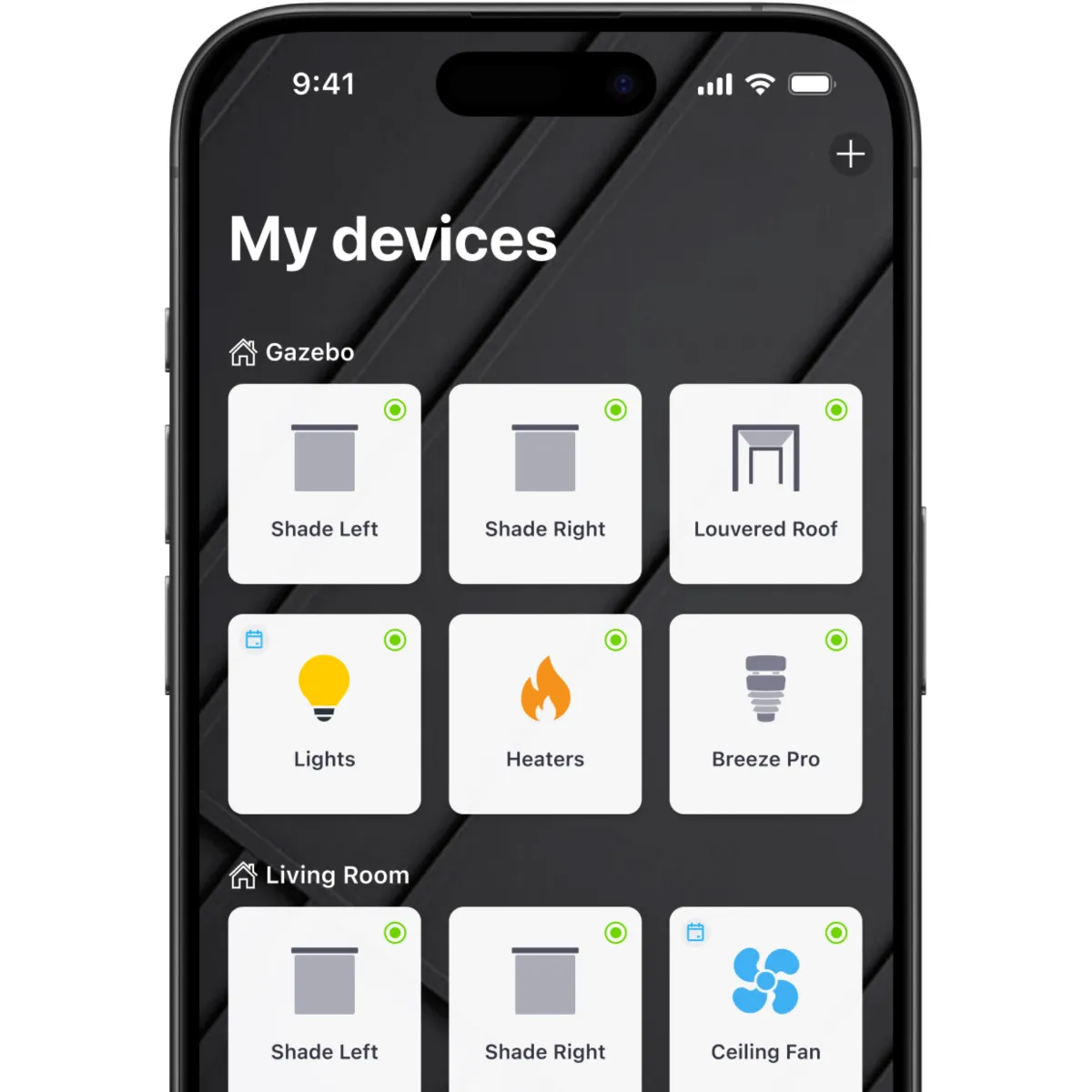
3. Choose Your Control...
Selecting your preferred control method is effortless with One-Track. Whether you choose handheld remotes, mobile apps, or smart home integration, our systems are designed to fit your lifestyle. No need to settle—just integrate and enjoy continuous, seamless operation 24/7. It's control on your terms, exactly when and where you need it.
TRUSTED PARTNERS
Get to know your system....
MagnaTrack Hurricane Screens
Our most popular system. Side channels lock the screen in place during storms while maintaining smooth operation for daily use.
One-Track Motorized Screens
Sleek, minimalist design for controlled environments. Perfect for lanais and covered patios where style meets function.
Complete Customization
STEP ONE:
Choose Your Screen Color...
Nano 95
Are you looking for the perfect solutions to keep Mother Nature out. Nano 95 screens do exactly that?
Colors:
Black, Stone Texture, Shadow Texture, Granite, Espresso, Charcoal, White, Bable, Bone
Nano 97
Do you want to create that perfect 4 season patio. Nano 97 blocks outdoor elements, provides maximum privacy, but they do not compromise visibility?
Colors:
Espresso Texture, Basket Tobacco, Basket Charcoal, Basket Granite, Basket Black
Specialty AME 97
AME 97 Screens are as they sound, Special. They are the Provide altimate cliamate control for your patio or lanai.
Colors:
White, Tobaco, Charcoal, Black
Black Out
Do you have an annoying neighbor or need Friday night privacy. Black out screen are solid wall of pure unadlitrated privacy?
Black, Charcoal, Tobacco, White
Textilene 80, 90
The Textilene Series is all about weather control and air flow. Control what you let in. If you block 80, then you allow 20%/10% to flow. Blocks dirt, rain, dander, harmful UV-Rays, and dust..
Colors:
Brown, Desert Sand, Busk Grey, Sandstone, White, Black & Brown, Black
Textilene 95
The Textilene Series is all about weather control and air flow. Control what you let in. If you block 95, then you allow 5% to flow. Blocks dirt, rain, dander, harmful UV-Rays, and dust.
Colors:
Almond Brown, Carbon Tex, Graphite, Mushroom, Pewter, Putty, Tumbleweed
Backed by Twitchell’s OmegaTex fabric, our hurricane screens are engineered with ballistic-grade and enhanced fibers for maximum strength and durability. These fabrics aren’t just tough—they’re also UV-protected for long-lasting performance and crafted with aesthetics in mind. Choose from six elegant colors designed to complement the architecture of your home.
STEP TWO:
Choose Your Frame Color...
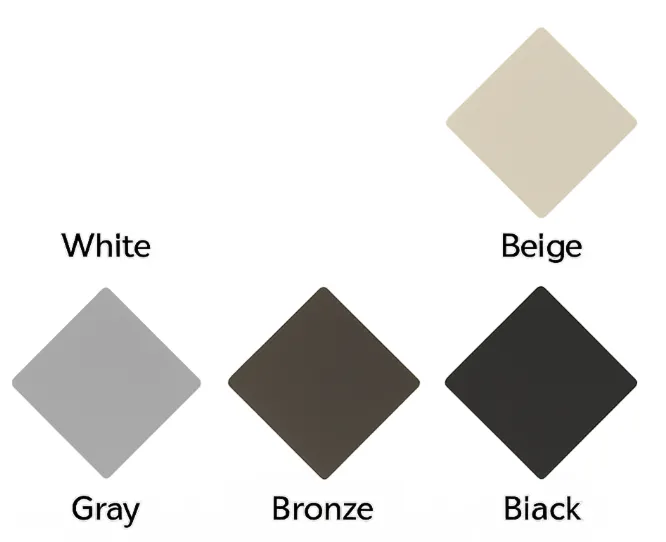
Choosing the right screen color is simple with One-Track. Our standard color selections are designed to blend seamlessly with your architecture and framework, offering a clean, cohesive look. For unique designs, custom powder coating is available to match any project. All finishes are marine-grade and infused with UV ray inhibitors—built to endure the elements and maintain their beauty for years to come.
STEP THREE:
3. Choose Your Control...
Selecting your preferred control method is effortless with One-Track. Whether you choose handheld remotes, mobile apps, or smart home integration, our systems are designed to fit your lifestyle. No need to settle—just integrate and enjoy continuous, seamless operation 24/7. It's control on your terms, exactly when and where you need it.
GET INSPIRED
Be In The Know
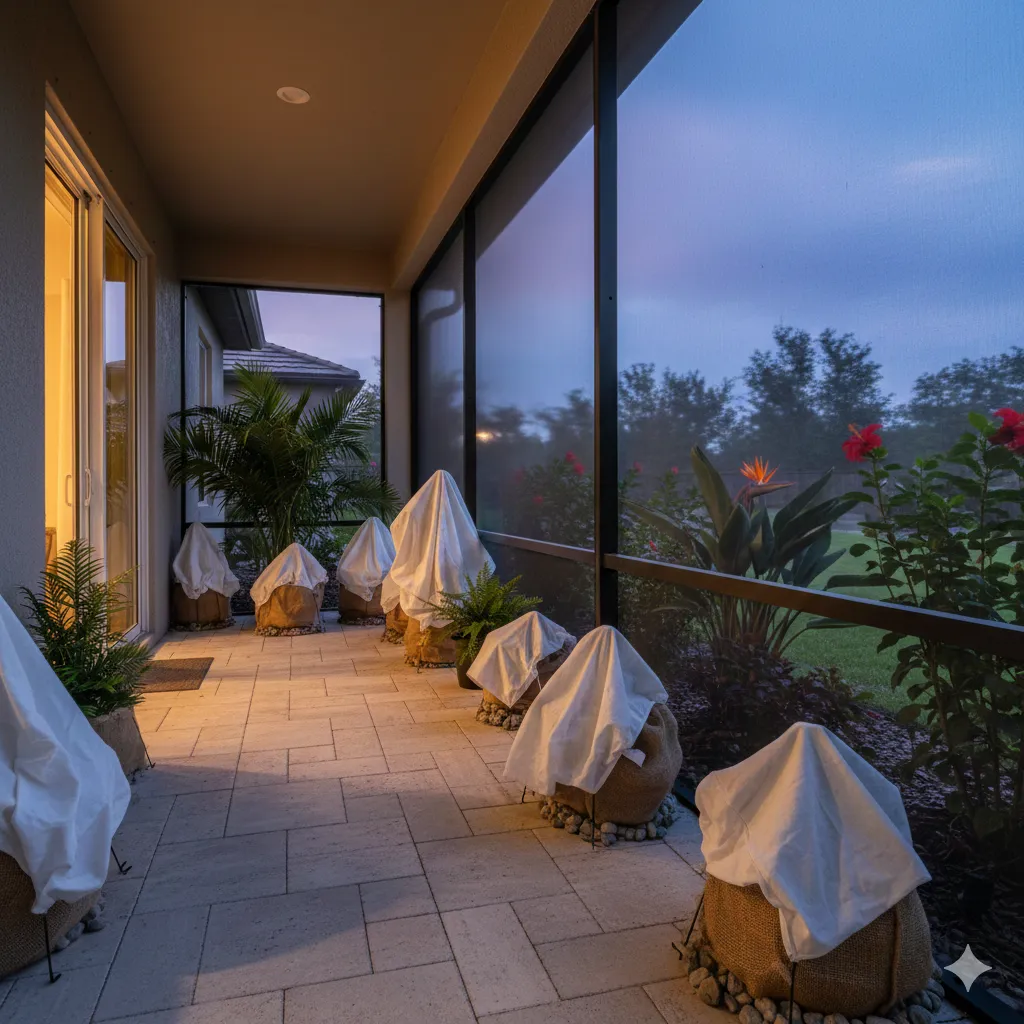
The Florida Homeowner's Cold Front Checklist: 48 Hours to Protect Your Lanai
Space Heaters, Fire Pits, or Infrared: Which Lanai Heating Option Won't Kill You (or Your Electric Bill)
A cold front is headed for Florida. You have 48 hours—maybe less.
If you're scrambling to figure out what needs to happen before temperatures drop, you're not alone. Every winter, Florida homeowners find themselves in the same position—watching the forecast, wondering what to protect, and hoping they don't miss something important.
This cold front checklist for Florida covers everything you need to do in the next 48 hours: your lanai, your plants, your pipes, your pool, and your peace of mind. Print it. Bookmark it. Work through it step by step.
The goal isn't perfection. The goal is protection.
Let's go ahead and get started.
What to Do 48 Hours Before a Florida Cold Front
The 48-hour window is your preparation phase. This is when you gather supplies, develop a plan, and handle time-consuming tasks. Don't wait until the night before—stores run out of supplies fast, and daylight disappears quicker than you'd expect.
1. Check the Forecast and Know What's Coming
Not all cold fronts are equal. A dip into the mid-forties requires different preparation than a hard freeze in the twenties.
Check your local forecast for three specific numbers:
Expected low temperature — How cold will it actually get?
Wind speed — Wind chill makes everything worse
Duration — Is this a one-night event or a multi-day freeze?
A "freeze warning" means temperatures at or below 32°F are expected. A "frost advisory" means temperatures between 33 and 36°F, with frost likely. Know the difference, because your response should match the severity.
Write down the expected low and the timing. You'll reference this as you work through the rest of the checklist.
2. Gather Your Supplies Now
Florida stores sell out of cold-weather supplies fast. The day before a freeze, you'll find empty shelves where the frost cloth used to be. Get what you need while it's still available.
Essential supplies to have on hand:
Frost cloth or old bedsheets (enough to cover vulnerable plants)
Outdoor-rated extension cords
Pipe insulation foam or towels
Duct tape
Flashlight and extra batteries
Portable space heater (if you plan to use your lanai)
Coolers or bins for moving items inside
If you don't have frost cloth, old sheets and blankets work fine. Just avoid plastic—it traps moisture against leaves and causes more damage than the cold itself.
3. Identify Your Vulnerable Plants
Walk your property and identify which plants need protection. In Florida, the usual suspects include:
Tropical plants (hibiscus, bird of paradise, bougainvillea)
Citrus trees (especially young ones)
Potted plants on your lanai
Recently planted landscaping
Succulents and cacti (despite their tough appearance)
Mature, established plants generally handle cold better than young ones. Potted plants are more vulnerable than in-ground plants because their roots have less insulation.
Make a mental map of what needs covering and what can survive on its own. You'll execute this plan tomorrow.
4. Inspect Your Outdoor Faucets and Exposed Pipes
Florida homes aren't built for freezing temperatures. Pipes run through exterior walls, irrigation systems sit above ground, and outdoor faucets have minimal insulation. A single frozen pipe can mean thousands in water damage.
Walk around your house and locate:
Outdoor hose bibs (faucets)
Exposed pipes near exterior walls
Irrigation system backflow preventers
Pool equipment pipes
Any pipes in your garage if it's unheated
Note which ones need insulation or protection. You'll address these in the next phase.
5. Plan for Your Lanai
Your screened lanai offers zero protection from the cold. Wind passes right through the screens, and concrete floors absorb cold overnight. If temperatures drop below 40°F, anything sensitive on your lanai is at risk.
Decide now what you'll do:
Option A: Move everything inside. Potted plants, cushions, electronics, decorative items—if you can carry it, bring it in. This is the safest approach and takes the most effort.
Option B: Protect in place. Cluster potted plants together in the warmest corner (usually against the house wall), cover them with frost cloth, and add a small heater if temperatures drop below freezing.
Option C: Accept some loss. If your lanai has mature, cold-hardy plants and nothing valuable, you might choose to let nature take its course. This is a valid choice—just make it consciously.
Write down your plan. Tomorrow, you'll execute it.
6. Check Your Pool Equipment
Pool pumps, filters, and heaters contain water that can freeze and crack. Florida pool owners often underestimate this risk because freezes are rare—but the repair bills are brutal when it happens.
Before the cold front, verify:
Your pool pump is working properly.
The timer is accessible (you'll override it later)
You know where the freeze protection setting is (if your system has one)
Pool heater is operational (if you have one)
If your pool equipment has a freeze protection mode, now is the time to learn how it works. Check your owner's manual or look up your model online.
7. Stock Up on Indoor Supplies
You may not want to leave the house once the cold hits. Stock up on basics now:
Groceries for 2-3 days
Medications you might need
Pet food and supplies
Firewood (if you have a fireplace)
Hot cocoa, coffee, tea (comfort matters)
This isn't hurricane prep—you won't lose power or water. But cold mornings make people reluctant to run errands. Be comfortable.
What to Do 24 Hours Before a Florida Cold Front
The 24-hour window is your action phase. The plan you made yesterday? Now you execute it. Work systematically through each area, and don't rush. You have time to do this right.
8. Protect Your Plants
This is the task most Florida homeowners remember—and the one most often done incorrectly.
The right way to cover plants:
Water your plants thoroughly before covering. Moist soil retains heat better than dry soil.
Cover plants before sunset, while some warmth remains in the ground.
Drape frost cloth or sheets over the entire plant, all the way to the ground.
Secure the edges with rocks, bricks, or stakes. The goal is to trap ground heat around the plant.
Don't let the covering touch the leaves if possible—create a tent-like structure.
Common mistakes to avoid:
Using plastic directly on plants (traps moisture, causes damage)
Covering only the top (cold air pools at ground level)
Waiting until the last minute (you lose trapped ground heat)
Forgetting to remove covers when temperatures rise (plants need sunlight)
For potted plants on your lanai, consider moving them inside. If you can't, cluster them together against the house wall—shared body heat helps, even for plants.
9. Insulate Exposed Pipes and Faucets
Florida pipes are especially vulnerable because they're not buried deep or insulated for cold. A few simple steps make a significant difference.
For outdoor faucets:
Disconnect and drain garden hoses.
Cover the faucet with an insulated cover (available at hardware stores) or wrap it with towels and plastic bags.
If the faucet has a shutoff valve inside, turn it off and drain the line
For exposed pipes:
Wrap with foam pipe insulation (the black tubes with a slit down the side)
Secure with duct tape.
Pay extra attention to pipes near exterior walls, in garages, and under raised homes.
For irrigation systems:
If your system has a master shutoff, consider turning it off and draining the lines.
At a minimum, wrap the backflow preventer with insulation or towels.
Run a manual cycle to flush standing water if temperatures will drop below 28°F
10. Prepare Your Pool
Freezing water expands. Pool equipment contains water. The math isn't complicated.
Your pool freeze protection plan:
Run the pump continuously. Moving water is much harder to freeze than still water. Override your timer to keep the pump running 24/7 until temperatures rise above freezing.
Run waterfalls, fountains, or spillovers. Any water feature that moves water should stay on.
Consider your pool heater. Operating the heater is expensive, but it's less costly than replacing damaged equipment. If temperatures drop below 28°F, the expense is worth it.
Check for leaks. A pump losing water is more likely to freeze than one with full circulation.
If you have an automation system with freeze protection:
Most modern pool systems have a freeze protection mode that automatically activates the pump when temperatures drop below a set point (typically 36-38°F). Verify this setting is enabled and functioning. Don't rely on it blindly—check that the pump actually runs when triggered.
11. Prepare Your Lanai
Execute the plan you made yesterday. This is where most people get caught off guard by how long things take.
If you're moving items inside:
Start with plants (they take the longest to relocate)
Remove cushions, pillows, and outdoor fabric.
Bring in electronics, speakers, and anything with a battery.
Don't forget hanging plants and wall decorations
If you're protecting in place:
Cluster potted plants in the warmest corner
Cover with a frost cloth.
Position a space heater (electric only for screened lanais) pointed at the plant cluster.
Add an outdoor rug under furniture to insulate from cold concrete
If you have retractable screens or vinyl panels:
Deploy them now to block the wind.
They won't provide insulation, but reducing wind exposure helps significantly
12. Protect Outdoor Furniture and Equipment
Cold itself rarely damages outdoor furniture, but the moisture that comes with cold fronts can.
Quick protection tasks:
Move cushions and fabric items inside or into a sealed storage bin.
Cover grills and outdoor kitchens with weatherproof covers
Drain any equipment with water lines (outdoor showers, misters)
Secure loose items that the wind could knock over.
If you have ceiling fans on your lanai, verify they're turned off. Cold weather is hard on fan motors, especially when moisture is present.
What to Do the Night Before a Florida Cold Front
This is your final window. Cold air is coming overnight, and these final steps provide the protection that matters most during the coldest hours.
13. Double-Check Everything
Walk through your property one more time. Look for anything you missed.
Quick walkthrough checklist:
All plants covered?
Are all outdoor faucets protected?
Pool pump running?
Lanai items moved or protected?
Hoses disconnected?
Pets inside?
Outdoor water bowls brought in?
It's easy to forget one faucet on the side of the house you rarely visit. The walkthrough catches those mistakes.
14. Let Indoor Faucets Drip
This old-school trick works. A slow drip keeps water moving through your pipes, which makes freezing far less likely.
Focus on:
Faucets on exterior walls
Faucets farthest from your water heater
Kitchen and bathroom sinks on north-facing walls
You don't need a stream—just a steady drip. Water movement is what matters, not volume.
15. Open Cabinet Doors Under Sinks
Pipes under sinks on exterior walls are vulnerable because cabinet doors trap cold air. Opening the doors lets warm air from your house circulate through the pipes.
This may seem minor, but it has prevented countless frozen pipes in Florida homes.
16. Set Your Thermostat
Keep your house warmer than usual—at least 68°F, even overnight. The heat that leaks through your walls helps protect exterior pipes.
If you have a lanai door that opens into the house, consider leaving the interior door cracked (with the screen door closed) to share some warmth. This won't heat your lanai, but it might keep it a few degrees above critical levels.
17. Run Your Pool Pump (If You Haven't Already)
Set it and forget it. The pump should run continuously until temperatures rise above freezing—usually by mid-morning the next day.
If your pump makes unusual noises or stops running, check it immediately. A pump that stops circulating during a freeze is a pump at risk.
What to Do the Morning After a Florida Cold Front
The cold night is over. But you're not done yet. How you handle the morning matters almost as much as how you handled the preparation.
18. Don't Uncover Plants Too Early
This is where people make expensive mistakes.
Wait until temperatures rise above 40°F before removing covers. The sun might be out, but air temperature matters more than sunlight. Removing covers while it's still cold undoes the protection you provided.
When you do uncover plants:
Start with the afternoon sun, not the morning.
Remove covers gently—frozen fabric can damage leaves.
Water plants lightly if the soil is dry.
Assess damage after 48 hours, not immediately.
Some plants that look damaged will recover. Some that look fine will decline over the following days. Give it time before making decisions.
19. Check for Pipe Damage
Walk your property and look for signs of frozen or burst pipes:
Water pooling where it shouldn't be
Wet spots on walls or ceilings
Reduced water pressure at faucets
Unusual sounds in the plumbing
If you find damage, turn off your main water supply immediately and call a plumber. Frozen pipe repairs are urgent—burst pipes cause rapid, extensive damage.
20. Return Your Pool to Normal Operation
Once temperatures are safely above freezing (typically mid-morning), you can resume your pool's normal timer schedule.
Post-freeze pool checks:
Inspect equipment for cracks or leaks.
Check water level (evaporation increases in cold, dry air)
Verify the heater is functioning normally.
Monitor chemical levels over the next few days.
21. Restore Your Lanai
Could you bring everything back outside and return to normal operations?
Before you do:
Wipe down furniture (cold night condensation lingers)
Could you check potted plants for frost damage?
Test any electronics before relying on them
Inspect screens for wind damage.
If you used a space heater overnight, unplug it and store it properly. You'll need it again—Florida gets 2-4 cold fronts per season.
Your Complete Florida Cold Front Checklist
48 Hours Before:
Check the forecast—know the expected low, wind speed, and duration.
Gather supplies: frost cloth, pipe insulation, tape, and and heater.
Identify vulnerable plants
Locate outdoor faucets and exposed pipes.
Plan your lanai protection strategy.
Check pool equipment
Stock indoor supplies
24 Hours Before: 8. Cover plants properly (water first, cover before sunset) 9. Insulate exposed pipes and faucets 10. Set the pool pump to run continuously 11. Execute your lanai plan 12. Protect outdoor furniture
Night Before: 13. Final walkthrough of property 14. Let indoor faucets drip 15. Open cabinet doors under sinks 16. Set thermostat to 68°F+ 17. Confirm the pool pump is running
Morning After: 18. Wait to uncover plants (40°F+) 19. Check for pipe damage 20. Return pool to normal 21. Restore your lanai
When the Next Cold Front Comes
Print this checklist. Keep it somewhere you'll find it next time the forecast shows dropping temperatures. The first cold front of the season always catches people off guard—but it doesn't have to catch you.
Florida winter doesn't last long. A handful of cold fronts, a few uncomfortable nights, and then it's back to the weather you moved here for.
The preparation takes a few hours. The protection lasts all season.
You've got this.
Custom HTML/CSS/JAVASCRIPT
GET INSPIRED
Be In The Know
The Florida Homeowner's Cold Front Checklist: 48 Hours to Protect Your Lanai
Space Heaters, Fire Pits, or Infrared: Which Lanai Heating Option Won't Kill You (or Your Electric Bill)
A cold front is headed for Florida. You have 48 hours—maybe less.
If you're scrambling to figure out what needs to happen before temperatures drop, you're not alone. Every winter, Florida homeowners find themselves in the same position—watching the forecast, wondering what to protect, and hoping they don't miss something important.
This cold front checklist for Florida covers everything you need to do in the next 48 hours: your lanai, your plants, your pipes, your pool, and your peace of mind. Print it. Bookmark it. Work through it step by step.
The goal isn't perfection. The goal is protection.
Let's go ahead and get started.
What to Do 48 Hours Before a Florida Cold Front
The 48-hour window is your preparation phase. This is when you gather supplies, develop a plan, and handle time-consuming tasks. Don't wait until the night before—stores run out of supplies fast, and daylight disappears quicker than you'd expect.
1. Check the Forecast and Know What's Coming
Not all cold fronts are equal. A dip into the mid-forties requires different preparation than a hard freeze in the twenties.
Check your local forecast for three specific numbers:
Expected low temperature — How cold will it actually get?
Wind speed — Wind chill makes everything worse
Duration — Is this a one-night event or a multi-day freeze?
A "freeze warning" means temperatures at or below 32°F are expected. A "frost advisory" means temperatures between 33 and 36°F, with frost likely. Know the difference, because your response should match the severity.
Write down the expected low and the timing. You'll reference this as you work through the rest of the checklist.
2. Gather Your Supplies Now
Florida stores sell out of cold-weather supplies fast. The day before a freeze, you'll find empty shelves where the frost cloth used to be. Get what you need while it's still available.
Essential supplies to have on hand:
Frost cloth or old bedsheets (enough to cover vulnerable plants)
Outdoor-rated extension cords
Pipe insulation foam or towels
Duct tape
Flashlight and extra batteries
Portable space heater (if you plan to use your lanai)
Coolers or bins for moving items inside
If you don't have frost cloth, old sheets and blankets work fine. Just avoid plastic—it traps moisture against leaves and causes more damage than the cold itself.
3. Identify Your Vulnerable Plants
Walk your property and identify which plants need protection. In Florida, the usual suspects include:
Tropical plants (hibiscus, bird of paradise, bougainvillea)
Citrus trees (especially young ones)
Potted plants on your lanai
Recently planted landscaping
Succulents and cacti (despite their tough appearance)
Mature, established plants generally handle cold better than young ones. Potted plants are more vulnerable than in-ground plants because their roots have less insulation.
Make a mental map of what needs covering and what can survive on its own. You'll execute this plan tomorrow.
4. Inspect Your Outdoor Faucets and Exposed Pipes
Florida homes aren't built for freezing temperatures. Pipes run through exterior walls, irrigation systems sit above ground, and outdoor faucets have minimal insulation. A single frozen pipe can mean thousands in water damage.
Walk around your house and locate:
Outdoor hose bibs (faucets)
Exposed pipes near exterior walls
Irrigation system backflow preventers
Pool equipment pipes
Any pipes in your garage if it's unheated
Note which ones need insulation or protection. You'll address these in the next phase.
5. Plan for Your Lanai
Your screened lanai offers zero protection from the cold. Wind passes right through the screens, and concrete floors absorb cold overnight. If temperatures drop below 40°F, anything sensitive on your lanai is at risk.
Decide now what you'll do:
Option A: Move everything inside. Potted plants, cushions, electronics, decorative items—if you can carry it, bring it in. This is the safest approach and takes the most effort.
Option B: Protect in place. Cluster potted plants together in the warmest corner (usually against the house wall), cover them with frost cloth, and add a small heater if temperatures drop below freezing.
Option C: Accept some loss. If your lanai has mature, cold-hardy plants and nothing valuable, you might choose to let nature take its course. This is a valid choice—just make it consciously.
Write down your plan. Tomorrow, you'll execute it.
6. Check Your Pool Equipment
Pool pumps, filters, and heaters contain water that can freeze and crack. Florida pool owners often underestimate this risk because freezes are rare—but the repair bills are brutal when it happens.
Before the cold front, verify:
Your pool pump is working properly.
The timer is accessible (you'll override it later)
You know where the freeze protection setting is (if your system has one)
Pool heater is operational (if you have one)
If your pool equipment has a freeze protection mode, now is the time to learn how it works. Check your owner's manual or look up your model online.
7. Stock Up on Indoor Supplies
You may not want to leave the house once the cold hits. Stock up on basics now:
Groceries for 2-3 days
Medications you might need
Pet food and supplies
Firewood (if you have a fireplace)
Hot cocoa, coffee, tea (comfort matters)
This isn't hurricane prep—you won't lose power or water. But cold mornings make people reluctant to run errands. Be comfortable.
What to Do 24 Hours Before a Florida Cold Front
The 24-hour window is your action phase. The plan you made yesterday? Now you execute it. Work systematically through each area, and don't rush. You have time to do this right.
8. Protect Your Plants
This is the task most Florida homeowners remember—and the one most often done incorrectly.
The right way to cover plants:
Water your plants thoroughly before covering. Moist soil retains heat better than dry soil.
Cover plants before sunset, while some warmth remains in the ground.
Drape frost cloth or sheets over the entire plant, all the way to the ground.
Secure the edges with rocks, bricks, or stakes. The goal is to trap ground heat around the plant.
Don't let the covering touch the leaves if possible—create a tent-like structure.
Common mistakes to avoid:
Using plastic directly on plants (traps moisture, causes damage)
Covering only the top (cold air pools at ground level)
Waiting until the last minute (you lose trapped ground heat)
Forgetting to remove covers when temperatures rise (plants need sunlight)
For potted plants on your lanai, consider moving them inside. If you can't, cluster them together against the house wall—shared body heat helps, even for plants.
9. Insulate Exposed Pipes and Faucets
Florida pipes are especially vulnerable because they're not buried deep or insulated for cold. A few simple steps make a significant difference.
For outdoor faucets:
Disconnect and drain garden hoses.
Cover the faucet with an insulated cover (available at hardware stores) or wrap it with towels and plastic bags.
If the faucet has a shutoff valve inside, turn it off and drain the line
For exposed pipes:
Wrap with foam pipe insulation (the black tubes with a slit down the side)
Secure with duct tape.
Pay extra attention to pipes near exterior walls, in garages, and under raised homes.
For irrigation systems:
If your system has a master shutoff, consider turning it off and draining the lines.
At a minimum, wrap the backflow preventer with insulation or towels.
Run a manual cycle to flush standing water if temperatures will drop below 28°F
10. Prepare Your Pool
Freezing water expands. Pool equipment contains water. The math isn't complicated.
Your pool freeze protection plan:
Run the pump continuously. Moving water is much harder to freeze than still water. Override your timer to keep the pump running 24/7 until temperatures rise above freezing.
Run waterfalls, fountains, or spillovers. Any water feature that moves water should stay on.
Consider your pool heater. Operating the heater is expensive, but it's less costly than replacing damaged equipment. If temperatures drop below 28°F, the expense is worth it.
Check for leaks. A pump losing water is more likely to freeze than one with full circulation.
If you have an automation system with freeze protection:
Most modern pool systems have a freeze protection mode that automatically activates the pump when temperatures drop below a set point (typically 36-38°F). Verify this setting is enabled and functioning. Don't rely on it blindly—check that the pump actually runs when triggered.
11. Prepare Your Lanai
Execute the plan you made yesterday. This is where most people get caught off guard by how long things take.
If you're moving items inside:
Start with plants (they take the longest to relocate)
Remove cushions, pillows, and outdoor fabric.
Bring in electronics, speakers, and anything with a battery.
Don't forget hanging plants and wall decorations
If you're protecting in place:
Cluster potted plants in the warmest corner
Cover with a frost cloth.
Position a space heater (electric only for screened lanais) pointed at the plant cluster.
Add an outdoor rug under furniture to insulate from cold concrete
If you have retractable screens or vinyl panels:
Deploy them now to block the wind.
They won't provide insulation, but reducing wind exposure helps significantly
12. Protect Outdoor Furniture and Equipment
Cold itself rarely damages outdoor furniture, but the moisture that comes with cold fronts can.
Quick protection tasks:
Move cushions and fabric items inside or into a sealed storage bin.
Cover grills and outdoor kitchens with weatherproof covers
Drain any equipment with water lines (outdoor showers, misters)
Secure loose items that the wind could knock over.
If you have ceiling fans on your lanai, verify they're turned off. Cold weather is hard on fan motors, especially when moisture is present.
What to Do the Night Before a Florida Cold Front
This is your final window. Cold air is coming overnight, and these final steps provide the protection that matters most during the coldest hours.
13. Double-Check Everything
Walk through your property one more time. Look for anything you missed.
Quick walkthrough checklist:
All plants covered?
Are all outdoor faucets protected?
Pool pump running?
Lanai items moved or protected?
Hoses disconnected?
Pets inside?
Outdoor water bowls brought in?
It's easy to forget one faucet on the side of the house you rarely visit. The walkthrough catches those mistakes.
14. Let Indoor Faucets Drip
This old-school trick works. A slow drip keeps water moving through your pipes, which makes freezing far less likely.
Focus on:
Faucets on exterior walls
Faucets farthest from your water heater
Kitchen and bathroom sinks on north-facing walls
You don't need a stream—just a steady drip. Water movement is what matters, not volume.
15. Open Cabinet Doors Under Sinks
Pipes under sinks on exterior walls are vulnerable because cabinet doors trap cold air. Opening the doors lets warm air from your house circulate through the pipes.
This may seem minor, but it has prevented countless frozen pipes in Florida homes.
16. Set Your Thermostat
Keep your house warmer than usual—at least 68°F, even overnight. The heat that leaks through your walls helps protect exterior pipes.
If you have a lanai door that opens into the house, consider leaving the interior door cracked (with the screen door closed) to share some warmth. This won't heat your lanai, but it might keep it a few degrees above critical levels.
17. Run Your Pool Pump (If You Haven't Already)
Set it and forget it. The pump should run continuously until temperatures rise above freezing—usually by mid-morning the next day.
If your pump makes unusual noises or stops running, check it immediately. A pump that stops circulating during a freeze is a pump at risk.
What to Do the Morning After a Florida Cold Front
The cold night is over. But you're not done yet. How you handle the morning matters almost as much as how you handled the preparation.
18. Don't Uncover Plants Too Early
This is where people make expensive mistakes.
Wait until temperatures rise above 40°F before removing covers. The sun might be out, but air temperature matters more than sunlight. Removing covers while it's still cold undoes the protection you provided.
When you do uncover plants:
Start with the afternoon sun, not the morning.
Remove covers gently—frozen fabric can damage leaves.
Water plants lightly if the soil is dry.
Assess damage after 48 hours, not immediately.
Some plants that look damaged will recover. Some that look fine will decline over the following days. Give it time before making decisions.
19. Check for Pipe Damage
Walk your property and look for signs of frozen or burst pipes:
Water pooling where it shouldn't be
Wet spots on walls or ceilings
Reduced water pressure at faucets
Unusual sounds in the plumbing
If you find damage, turn off your main water supply immediately and call a plumber. Frozen pipe repairs are urgent—burst pipes cause rapid, extensive damage.
20. Return Your Pool to Normal Operation
Once temperatures are safely above freezing (typically mid-morning), you can resume your pool's normal timer schedule.
Post-freeze pool checks:
Inspect equipment for cracks or leaks.
Check water level (evaporation increases in cold, dry air)
Verify the heater is functioning normally.
Monitor chemical levels over the next few days.
21. Restore Your Lanai
Could you bring everything back outside and return to normal operations?
Before you do:
Wipe down furniture (cold night condensation lingers)
Could you check potted plants for frost damage?
Test any electronics before relying on them
Inspect screens for wind damage.
If you used a space heater overnight, unplug it and store it properly. You'll need it again—Florida gets 2-4 cold fronts per season.
Your Complete Florida Cold Front Checklist
48 Hours Before:
Check the forecast—know the expected low, wind speed, and duration.
Gather supplies: frost cloth, pipe insulation, tape, and and heater.
Identify vulnerable plants
Locate outdoor faucets and exposed pipes.
Plan your lanai protection strategy.
Check pool equipment
Stock indoor supplies
24 Hours Before: 8. Cover plants properly (water first, cover before sunset) 9. Insulate exposed pipes and faucets 10. Set the pool pump to run continuously 11. Execute your lanai plan 12. Protect outdoor furniture
Night Before: 13. Final walkthrough of property 14. Let indoor faucets drip 15. Open cabinet doors under sinks 16. Set thermostat to 68°F+ 17. Confirm the pool pump is running
Morning After: 18. Wait to uncover plants (40°F+) 19. Check for pipe damage 20. Return pool to normal 21. Restore your lanai
When the Next Cold Front Comes
Print this checklist. Keep it somewhere you'll find it next time the forecast shows dropping temperatures. The first cold front of the season always catches people off guard—but it doesn't have to catch you.
Florida winter doesn't last long. A handful of cold fronts, a few uncomfortable nights, and then it's back to the weather you moved here for.
The preparation takes a few hours. The protection lasts all season.
You've got this.
Custom HTML/CSS/JAVASCRIPT
Your Vision Deserves
A Partner
Who Delivers...
Your Vision Deserves
A Partner
Who Delivers...
COMPANY
MOTORIZED SCREENS
SHADE SOLUTIONS
FENCING & LIGHTING
DESIGN IDEAS
SUPPORT



Copyright 2026. FL OUTDOOR. All Rights Reserved.
Powered and Built By