
MOTORIZED SCREENS
Florida Living Outdoor 365 Weather, Sun, & Insect Protection
Frustrated every time your patio feels unusable?
Every season brings its challenges. Bugs swarm your evenings, the sun turns your patio into an oven, and storms or cold weather force you inside. It shouldn't be this hard to enjoy your outdoor space. Your patio should be your escape, not a source of stress.
Not all motorized screens are built the same
OneTrack's patented Lock Tight Keder system eliminates zippers, gaps, and failures. Deploy protection at the touch of a button. Trust American engineering. Rely on a lifetime warranty that actually means something.
MOTORIZED SCREEN SOLUTIONS
Year - Round Protections
Does Mother Nature spend more time on your patio and lanai then you do? Take it back. Maximize and extend your outdoor living space with MagnaTrack and Florida Living Outdoor. The Residential Series offers year-round protection from storms, insects, sun and glare, and much more. while providing the quality.

Sun

Insect

Wind

Privacy

Hurricane
Your Vision Deserves
A Partner
Who Listens...
Frustrated every time your patio feels unusable?
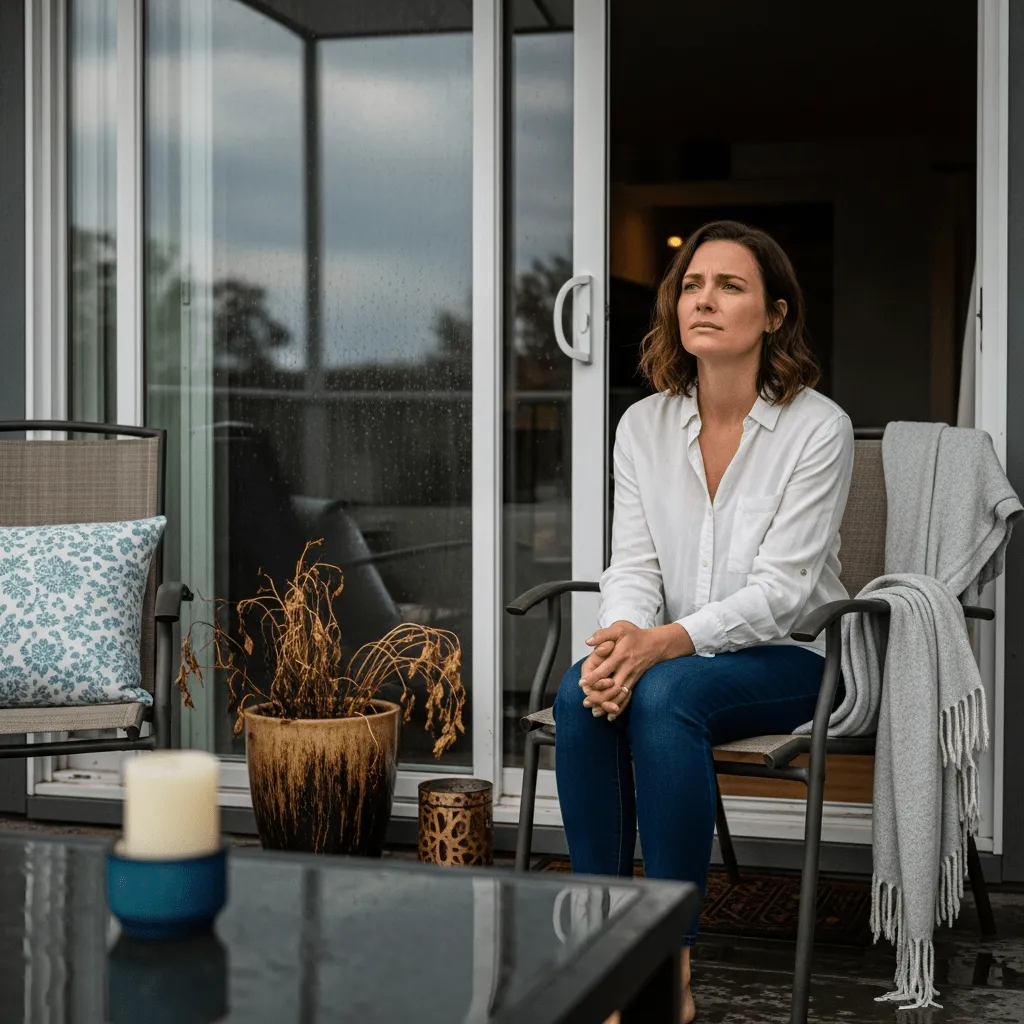
Every season brings its challenges. Bugs swarm your evenings, the sun turns your patio into an oven, and storms or cold weather force you inside. It shouldn't be this hard to enjoy your outdoor space. Your patio should be your escape, not a source of stress.
Not all motorized screens are built the same
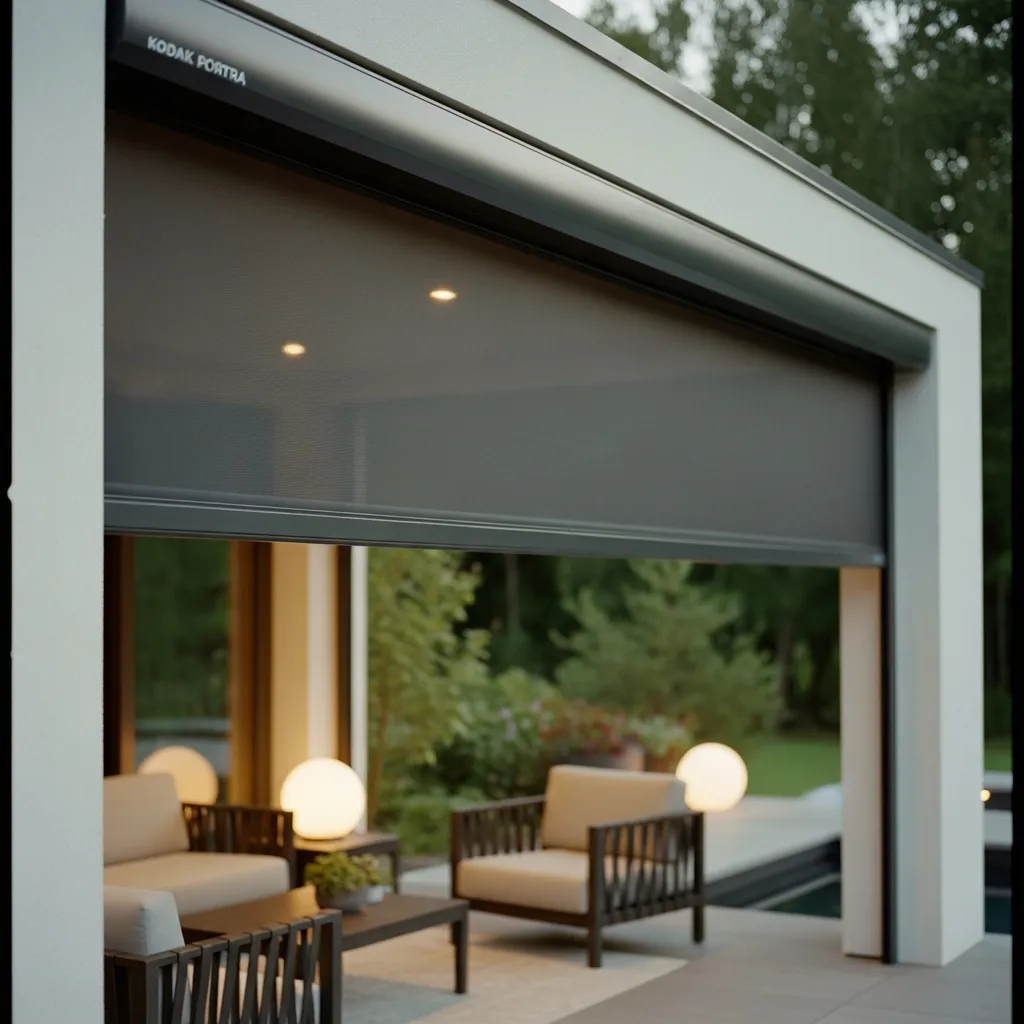
OneTrack's patented Lock Tight Keder system eliminates zippers, gaps, and failures. Deploy protection at the touch of a button. Trust American engineering. Rely on a lifetime warranty that actually means something.
MOTORIZED SCREEN SOLUTIONS
Year - Round Protections
Does Mother Nature spend more time on your patio and lanai then you do? Take it back. Maximize and extend your outdoor living space with MagnaTrack and Florida Living Outdoor. The Residential Series offers year-round protection from storms, insects, sun and glare, and much more. while providing the quality.
Sun
Insect
Wind
Privacy
Hurricane
RESIDENTIAL APPLICATIONS
Explore FL Outdoor's Residential Screen
Your Vision Deserves
A Partner
Who Listens...
RESIDENTIAL APPLICATIONS
Explore FL Outdoor's Residential Screen
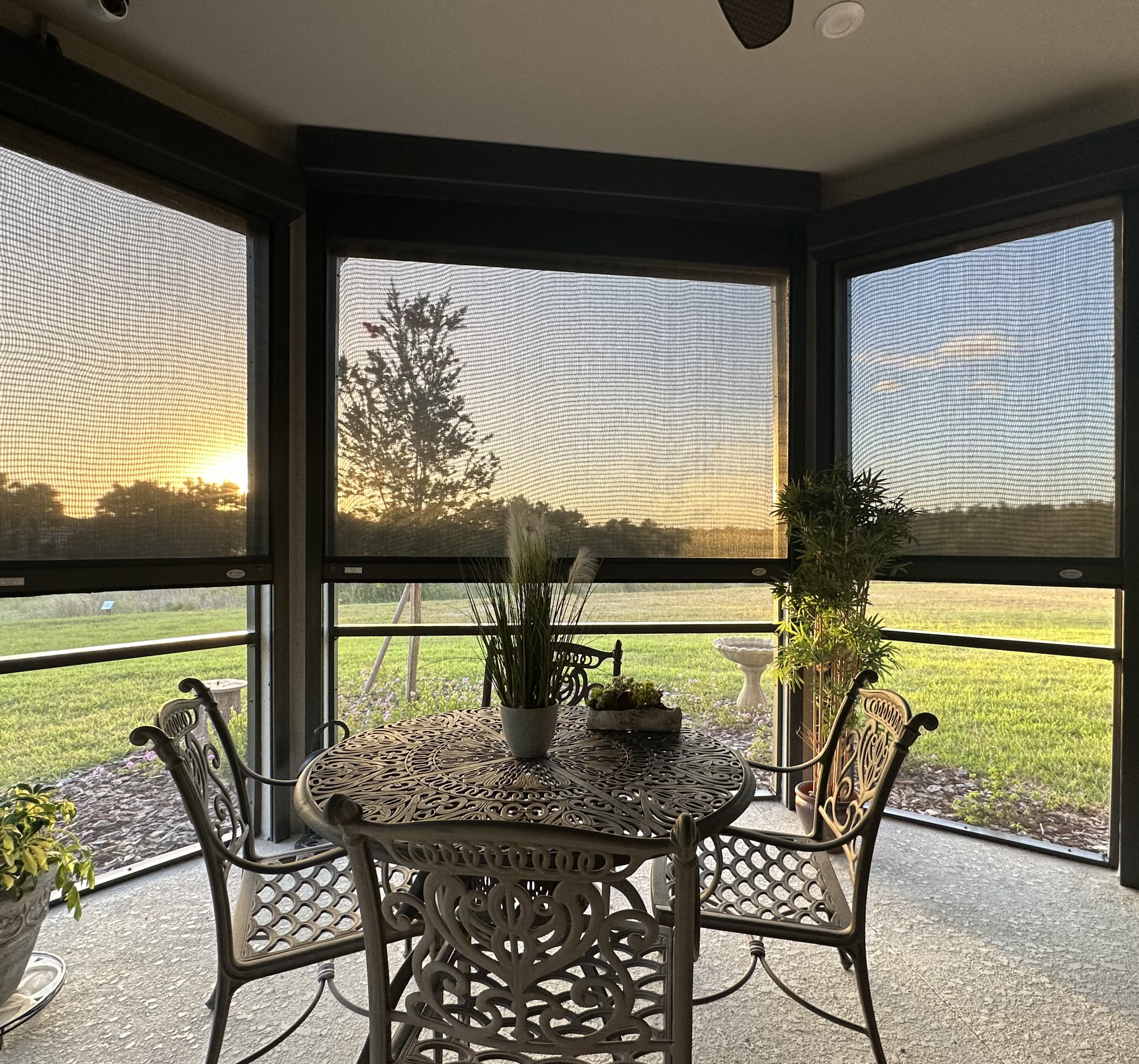
SOLAR SCREENS
Our Solar Screens are a perfect for summer heat and the pounding sun of West facing patios, doors, and lanais.
Our mesh selections block 70%-97% of harmful UV rays while also providing shade and cooling on the most sweltering days.
Protect Against all the Florida sun, heat, wind, and prying eyes.
INSECT SCREENS
Motorized insect screens are perfect for Florida Lake Home or waterfront outdoor space.
Safeguard against insects while maximizing airflow through your space. Protects against:
Flies
Mosquitos
Tiny Insects
No-see-ums
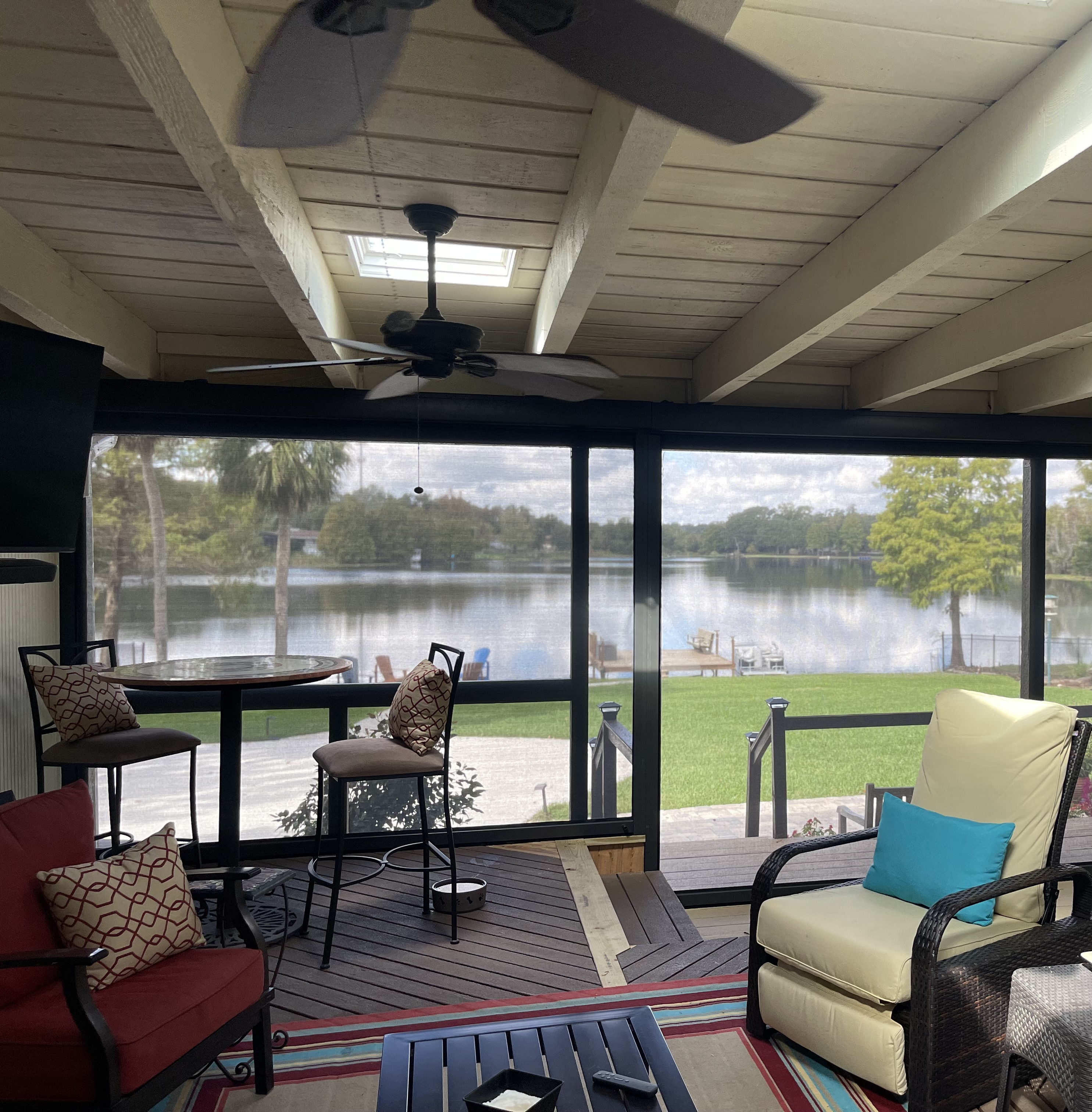
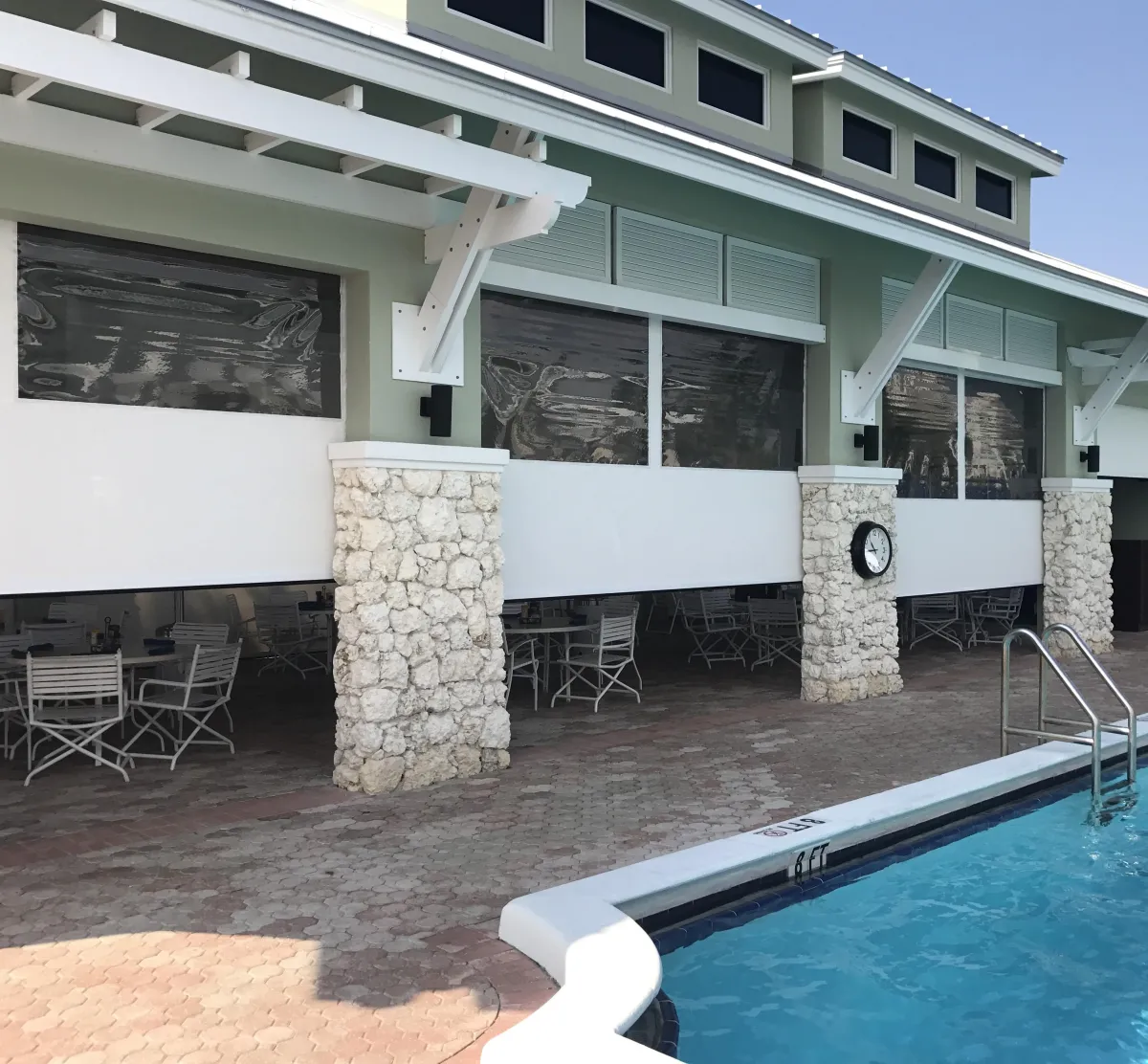
VINYL SCREENS
Make your outdoor space accessible year-round. Our vinyl screens offer temperature control and energy savings, so you can enjoy hot or cold, rain or shine.
HURRICANE SCREENS
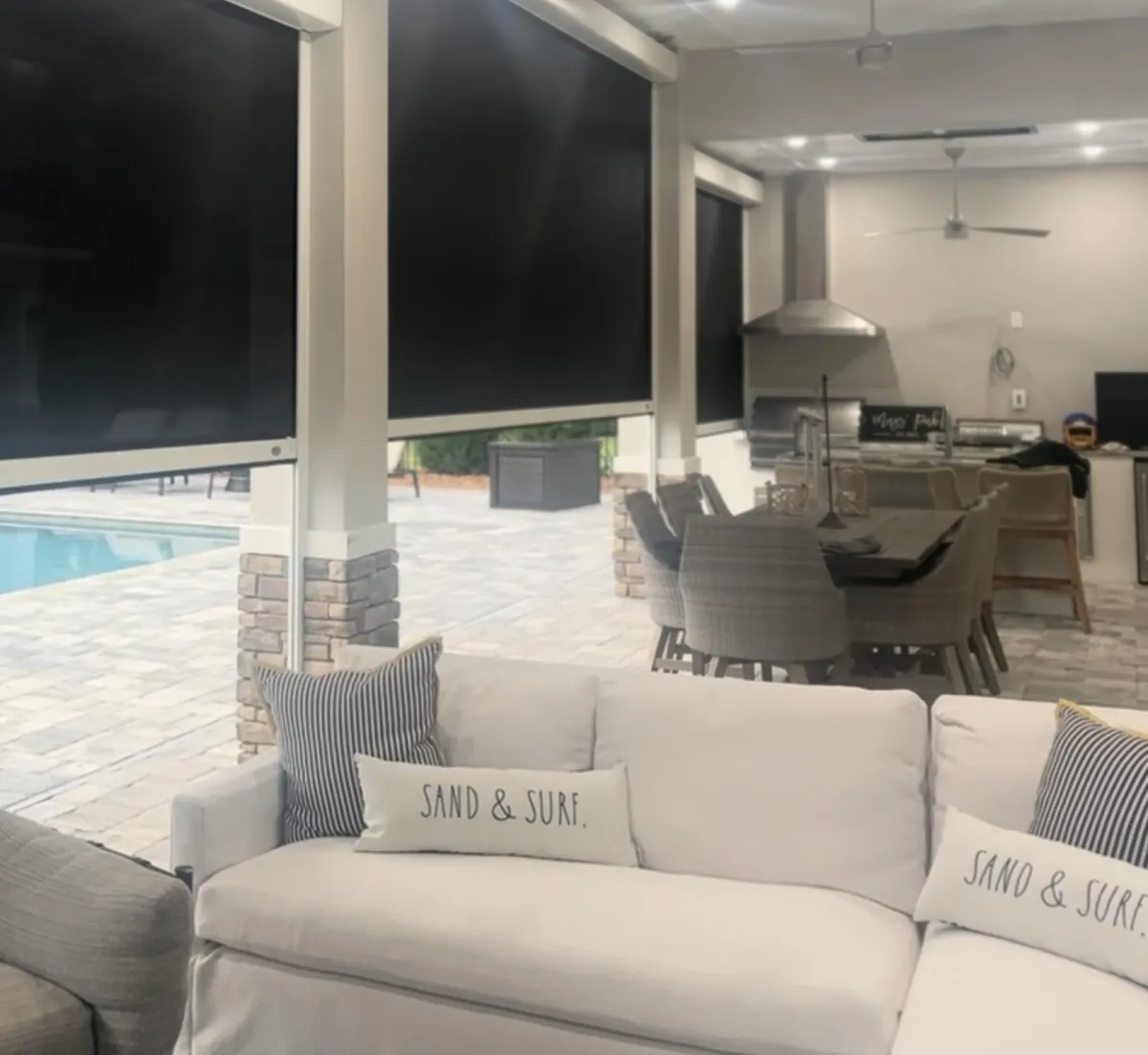
Protect your outdoor space accessible year-round. Our Defender Hurricane and Fenetex Hurricane screens offer easy hurricane prep and temperature control so you can enjoy hot or cold, rain or shine.
Your Vision Deserves
A Partner
Who Cares...
SOLAR SCREENS
Our Solar Screens are a perfect for summer heat and the pounding sun of West facing patios, doors, and lanais.
Our mesh selections block 70%-97% of harmful UV rays while also providing shade and cooling on the most sweltering days.
Protect Against all the Florida sun, heat, wind, and prying eyes.
INSECT SCREENS
Motorized insect screens are perfect for Florida Lake Home or waterfront outdoor space.
Safeguard against insects while maximizing airflow through your space. Protects against:
Flies
Mosquitos
Tiny Insects
No-see-ums
VINYL SCREENS
Make your outdoor space accessible year-round. Our vinyl screens offer temperature control and energy savings, so you can enjoy hot or cold, rain or shine.
HURRICANE SCREENS
Protect your outdoor space accessible year-round. Our Defender Hurricane and Fenetex Hurricane screens offer easy hurricane prep and temperature control so you can enjoy hot or cold, rain or shine.
Your Vision Deserves
A Partner
Who Cares...
TRUSTED PARTNERS
Get to know your system....

MagnaTrack Hurricane Screens
Our most popular system. Side channels lock the screen in place during storms while maintaining smooth operation for daily use.

One-Track Motorized Screens
Sleek, minimalist design for controlled environments. Perfect for lanais and covered patios where style meets function.
Complete Customization
STEP ONE:
Choose Your Screen Color...
Backed by Twitchell’s our insect and shade screens are engineered for maximum strength and durability. These fabrics aren’t just tough—they’re also UV-protected for long-lasting performance and crafted with aesthetics in mind. Choose from six elegant colors designed to complement the architecture of your home.
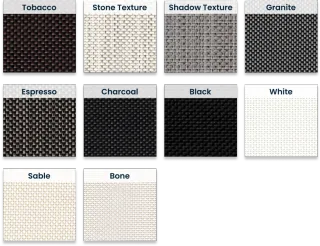
Nano 95
Are you looking for the perfect solutions to keep Mother Nature out. Nano 95 screens do exactly that?
Colors:
Black, Stone Texture, Shadow Texture, Granite, Espresso, Charcoal, White, Bable, Bone
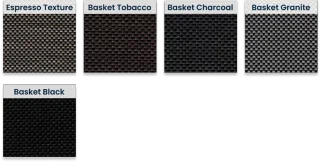
Nano 97
Do you want to create that perfect 4 season patio. Nano 97 blocks outdoor elements, provides maximum privacy, but they do not compromise visibility?
Colors:
Espresso Texture, Basket Tobacco, Basket Charcoal, Basket Granite, Basket Black
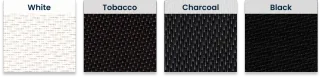
Specialty AME 97
AME 97 Screens are as they sound, Special. They are the Provide altimate cliamate control for your patio or lanai.
Colors:
White, Tobaco, Charcoal, Black
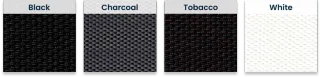
Black Out
Do you have an annoying neighbor or need Friday night privacy. Black out screen are solid wall of pure unadlitrated privacy?
Black, Charcoal, Tobacco, White
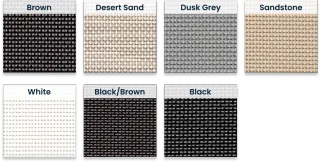
Textilene 80, 90
The Textilene Series is all about weather control and air flow. Control what you let in. If you block 80, then you allow 20%/10% to flow. Blocks dirt, rain, dander, harmful UV-Rays, and dust.
Colors:
Brown, Desert Sand, Busk Grey, Sandstone, White, Black & Brown, Black
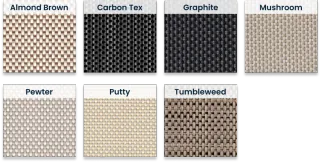
Textilene 95
The Textilene Series is all about weather control and air flow. Control what you let in. If you block 95, then you allow 5% to flow. Blocks dirt, rain, dander, harmful UV-Rays, and dust
Colors:
Almond Brown, Carbon Tex, Graphite, Mushroom, Pewter, Putty, Tumbleweed
STEP TWO:
Choose Your Frame Color...
Choosing the right screen color is simple with One-Track. Our standard color selections are designed to blend seamlessly with your architecture and framework, offering a clean, cohesive look. For unique designs, custom powder coating is available to match any project. All finishes are marine-grade and infused with UV ray inhibitors—built to endure the elements and maintain their beauty for years to come.
STEP THREE:
3. Choose Your Control...
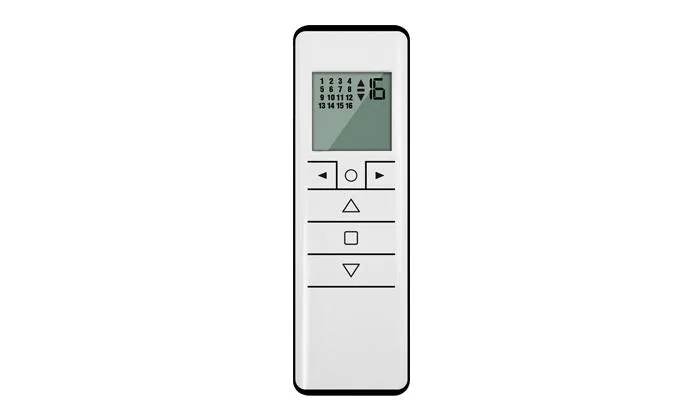
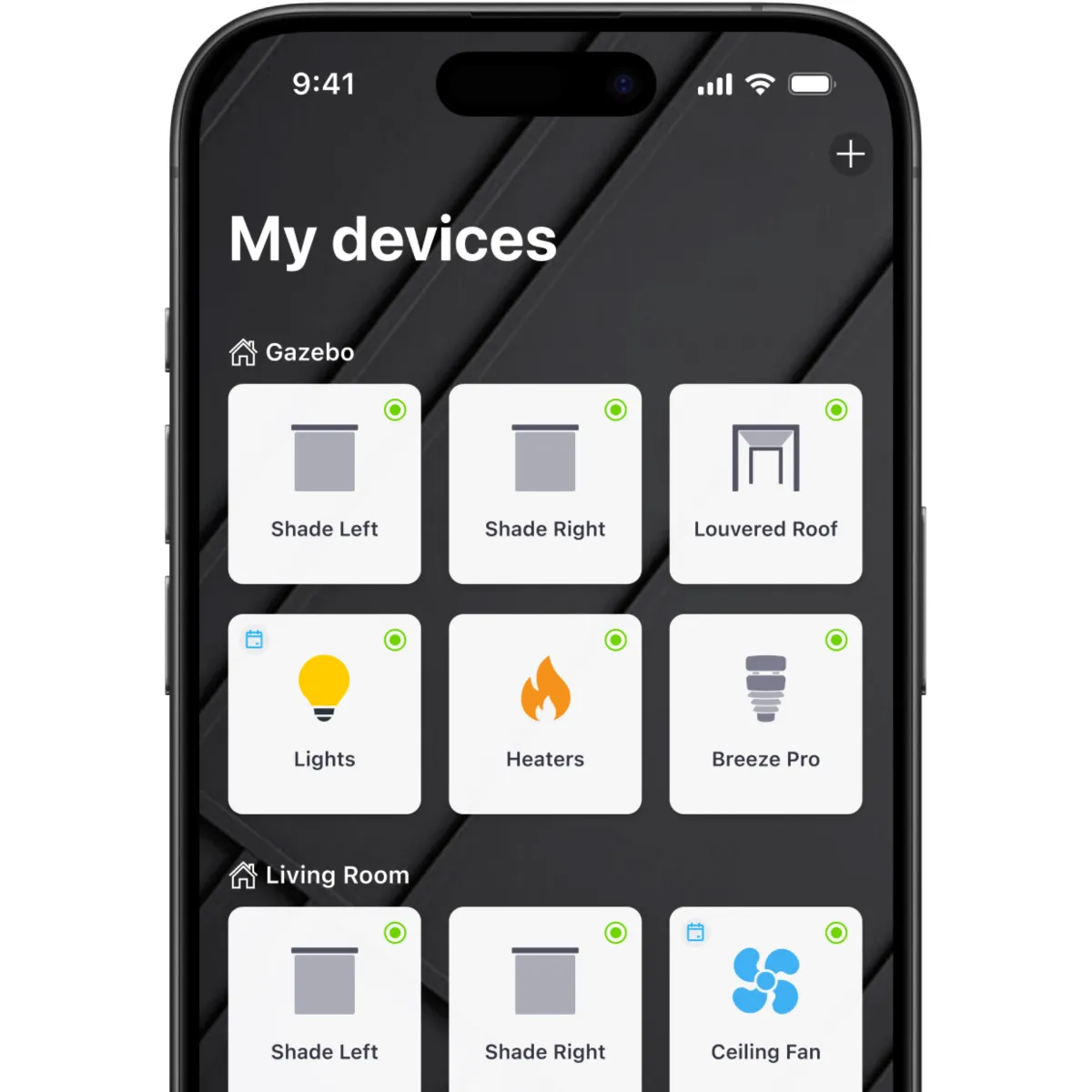
Selecting your preferred control method is effortless with One-Track. Whether you choose handheld remotes, mobile apps, or smart home integration, our systems are designed to fit your lifestyle. No need to settle—just integrate and enjoy continuous, seamless operation 24/7. It's control on your terms, exactly when and where you need it.
TRUSTED PARTNERS
Get to know your system....
MagnaTrack Hurricane Screens
Our most popular system. Side channels lock the screen in place during storms while maintaining smooth operation for daily use.
One-Track Motorized Screens
Sleek, minimalist design for controlled environments. Perfect for lanais and covered patios where style meets function.
Complete Customization
STEP ONE:
Choose Your Screen Color...
Nano 95
Are you looking for the perfect solutions to keep Mother Nature out. Nano 95 screens do exactly that?
Colors:
Black, Stone Texture, Shadow Texture, Granite, Espresso, Charcoal, White, Bable, Bone
Nano 97
Do you want to create that perfect 4 season patio. Nano 97 blocks outdoor elements, provides maximum privacy, but they do not compromise visibility?
Colors:
Espresso Texture, Basket Tobacco, Basket Charcoal, Basket Granite, Basket Black
Specialty AME 97
AME 97 Screens are as they sound, Special. They are the Provide altimate cliamate control for your patio or lanai.
Colors:
White, Tobaco, Charcoal, Black
Black Out
Do you have an annoying neighbor or need Friday night privacy. Black out screen are solid wall of pure unadlitrated privacy?
Black, Charcoal, Tobacco, White
Textilene 80, 90
The Textilene Series is all about weather control and air flow. Control what you let in. If you block 80, then you allow 20%/10% to flow. Blocks dirt, rain, dander, harmful UV-Rays, and dust..
Colors:
Brown, Desert Sand, Busk Grey, Sandstone, White, Black & Brown, Black
Textilene 95
The Textilene Series is all about weather control and air flow. Control what you let in. If you block 95, then you allow 5% to flow. Blocks dirt, rain, dander, harmful UV-Rays, and dust.
Colors:
Almond Brown, Carbon Tex, Graphite, Mushroom, Pewter, Putty, Tumbleweed
Backed by Twitchell’s OmegaTex fabric, our hurricane screens are engineered with ballistic-grade and enhanced fibers for maximum strength and durability. These fabrics aren’t just tough—they’re also UV-protected for long-lasting performance and crafted with aesthetics in mind. Choose from six elegant colors designed to complement the architecture of your home.
STEP TWO:
Choose Your Frame Color...
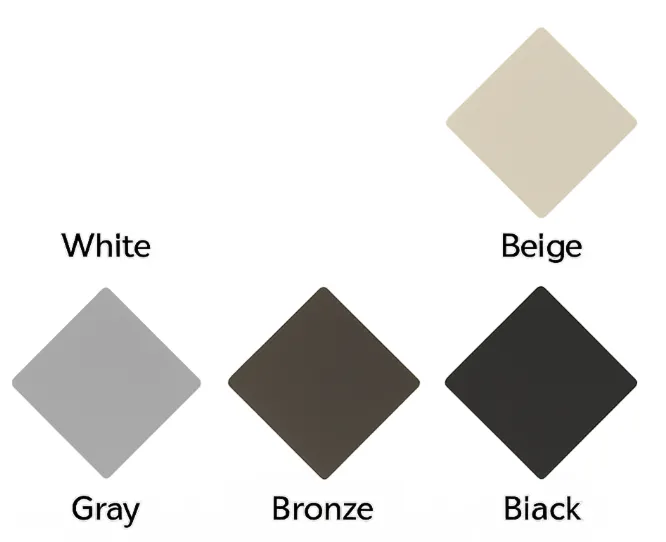
Choosing the right screen color is simple with One-Track. Our standard color selections are designed to blend seamlessly with your architecture and framework, offering a clean, cohesive look. For unique designs, custom powder coating is available to match any project. All finishes are marine-grade and infused with UV ray inhibitors—built to endure the elements and maintain their beauty for years to come.
STEP THREE:
3. Choose Your Control...
Selecting your preferred control method is effortless with One-Track. Whether you choose handheld remotes, mobile apps, or smart home integration, our systems are designed to fit your lifestyle. No need to settle—just integrate and enjoy continuous, seamless operation 24/7. It's control on your terms, exactly when and where you need it.
GET INSPIRED
Be In The Know
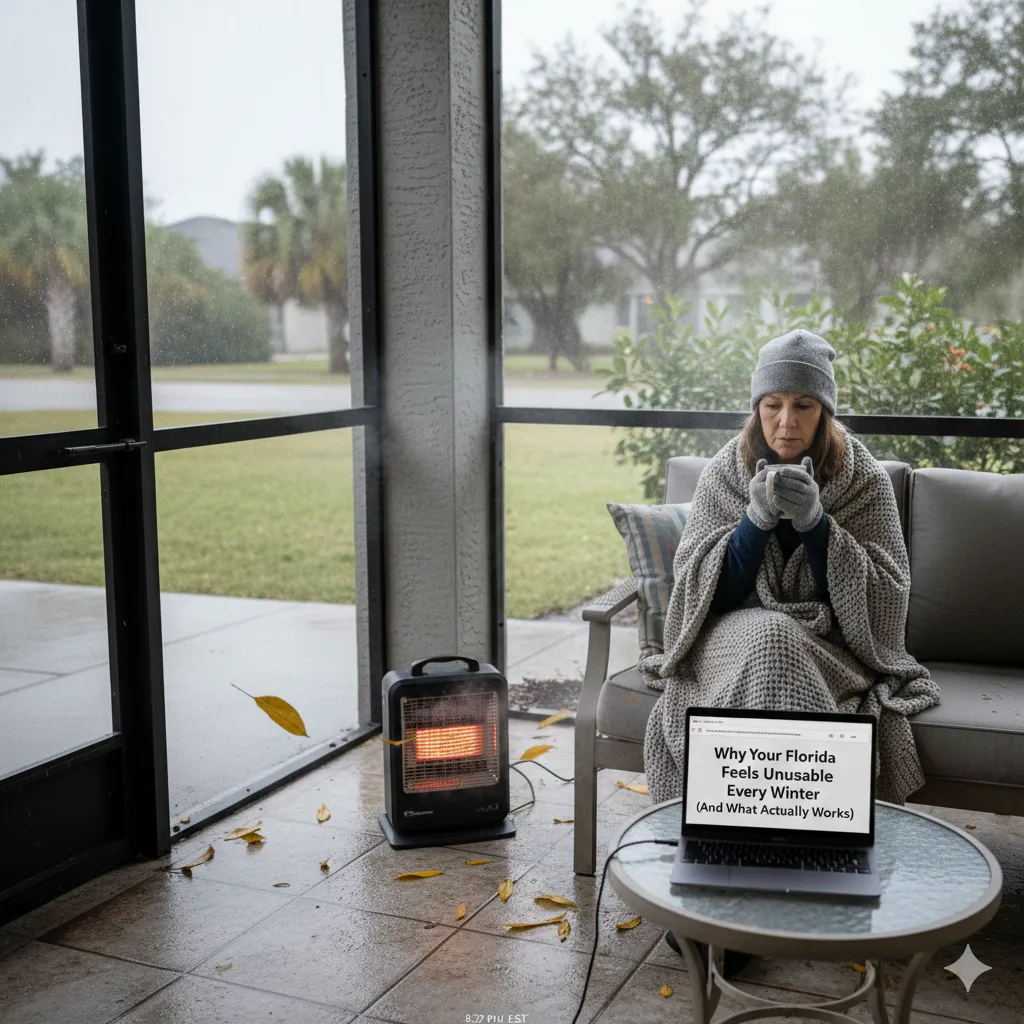
Why Your Florida Lanai Feels Unusable Every Winter (And What Actually Works)
Title: Why Your Florida Lanai Feels Unusable Every Winter (And What Actually Works)
Your Florida lanai feels cold in winter because screened enclosures offer no wind protection; Florida's humidity makes temperatures feel five to ten degrees colder than the thermometer shows; and the materials surrounding you—concrete, aluminum, tile—absorb cold rather than retain warmth. This is normal. It's not a flaw in your home. And there are real solutions, ranging from fifty dollars to thirty thousand, depending on how often you use the space and what you're willing to spend.
But before we get to solutions, let's talk about why this feels like such a betrayal.
The Promise You Were Sold
You moved to Florida for the weather. Maybe you came from the Midwest, tired of scraping ice off your windshield in March. Maybe you're a snowbird who finally committed to year-round residence. Maybe you grew up here but bought your first home with a lanai, imagining morning coffee with the birds and evening dinners under the ceiling fan.
The lanai was part of the deal. Not a luxury—an expectation.
And for nine months of the year, it delivers. The space becomes an extension of your living room. You eat out there. You read out there. You host out there. The screens keep the bugs at bay while the Florida breeze does what Florida breezes do.
Then January arrives.
A cold front rolls through. The temperature drops into the forties. The wind picks up. And suddenly, that beautiful outdoor room feels like a walk-in refrigerator with better lighting.
You retreat inside. You watch your lanai sit empty. And you wonder: Did I do something wrong? Is my house broken? Why does nobody talk about this?
Here's the truth nobody tells you when you buy a Florida home: screened lanais aren't designed for cold weather. They're designed for the other ten months.
Why Screened Lanais Get So Cold
The mechanics are straightforward, even if the experience is frustrating.
A screened lanai is essentially an outdoor room with a roof. The screens block insects and debris but do little to block wind or retain heat. When a cold front pushes through, that wind passes right through the mesh like it isn't there. Your body loses heat through convection—the moving air pulls warmth away from your skin faster than still air would.
Florida's humidity compounds the problem. Cold, damp air feels colder than cold, dry air at the same temperature. A forty-five-degree morning in Florida can feel like thirty-five degrees in Arizona. Your bones know this even if your weather app doesn't.
The materials don't help either. Concrete pavers, aluminum frames, tile floors—these surfaces absorb cold overnight and release it slowly throughout the morning. They're heat sinks working against you. By the time the afternoon sun warms things up, you've already spent half the day inside.
And there's one more factor people rarely consider: the temperature swing.
Florida winter days often start in the low forties and climb into the low seventies by mid-afternoon. That thirty-degree swing happens fast. Your lanai might be miserable at seven in the morning and perfectly pleasant by noon. The question becomes: do you want to wait, or do you want to fix it?
What "Fixing It" Actually Means
Let's be honest about something. There's no single solution that works for everyone.
The right approach depends on how you use your lanai, how often you use it, and what you're willing to spend. Someone who hosts weekly dinner parties has different needs than someone who just wants to drink coffee outside on weekend mornings. Someone with a twenty-thousand-dollar budget has different options than someone with two hundred dollars.
What follows is a breakdown of real solutions—not ranked by which is "best," because that depends entirely on you, but organized by investment level so you can find where you fit.
Budget Solutions: Under Three Hundred Dollars
If you use your lanai occasionally during cold snaps and don't want to spend much, there are options that cost less than a nice dinner out.
Portable electric space heaters run between fifty and one hundred fifty dollars for quality models. They won't heat the entire space, but they'll create a warm zone around your seating area. Look for models rated for outdoor or semi-outdoor use with tip-over protection and automatic shutoff. Position them three to four feet away from where you'll sit, pointed at your body rather than into the open air. The heat dissipates fast in a screened space, so you're warming yourself, not the room.
Thermal curtains or outdoor drapes can block wind on the sides most exposed to cold fronts. You won't achieve a seal—this isn't weatherproofing—but reducing airflow makes a noticeable difference. Heavy outdoor fabric runs one to two hundred dollars for enough material to cover a typical lanai opening. Some homeowners hang them permanently and tie them back on warm days; others store them and pull them out only when needed.
Outdoor rugs address the cold floor problem. A thick rug under your seating area insulates your feet from the concrete or tile beneath. It's a small change, but cold feet make everything feel colder. Budget fifty to one hundred fifty dollars depending on size and quality.
The tradeoff with budget solutions is effort. You'll be setting up heaters, adjusting curtains, and managing the space actively. For occasional use, that's fine. For daily use, it gets old.
Mid-Range Solutions: One Thousand to Five Thousand Dollars
If you're willing to invest more, you can make your lanai usable in cold weather without a major renovation.
Infrared patio heaters work differently than space heaters. Instead of warming the air, they emit radiant heat that warms objects and people directly—similar to how sunlight feels warm on your skin even when the air is cool. Mounted versions cost eight hundred to two thousand dollars installed. They're more effective in open or semi-open spaces because they don't rely on trapping warm air. The heat feels immediate, and you're not fighting the wind as much.
Retractable screens or clear vinyl panels offer a middle ground between a fully screened lanai and a glass enclosure. Manual systems cost two to four thousand dollars; motorized versions run higher. When deployed, they reduce wind penetration significantly. When retracted, you maintain airflow during warmer months. The limitation is that they don't provide insulation—they just block wind. On very cold nights, you'll still feel it.
Fire pits or fire tables add warmth and ambiance but require adequate ceiling height (eight feet minimum) and clearance from screens. Propane fire tables in the one to two thousand dollar range provide consistent heat without the mess of wood. Gas fire pits can tie into your home's natural gas line for convenience. The warmth is real, and the visual presence makes the space feel cozy in a way heaters don't.
The tradeoff with mid-range solutions is that you're making your lanai more comfortable, not transforming it. These options extend your usability window, but they won't make a screened lanai feel like an indoor room during a hard freeze.
Premium Solutions: Ten Thousand Dollars and Up
If you want year-round climate control regardless of weather, you're looking at structural changes.
Acrylic or vinyl enclosure systems replace your screens with clear panels that block wind while preserving views. Costs range from eight thousand to eighteen thousand dollars depending on size and system quality. These aren't permanent windows—most are removable or adjustable—but they create a much tighter envelope than screens alone. You'll still need supplemental heat during cold snaps, but you won't lose it to the wind. Some homeowners find acrylic panels develop haze or yellowing over time, so factor in eventual replacement.
Glass-enclosed Florida rooms represent the full conversion. You're essentially adding a sunroom with real windows, often with options for HVAC integration. Costs run fifteen thousand to thirty-five thousand dollars or more, depending on size, window quality, and whether you're extending your home's heating and cooling system. The result is a true indoor-outdoor room—climate controlled, insulated, usable in any weather. The tradeoff is significant: higher upfront cost, potential property tax implications (we'll address this below), and the loss of that open-air feeling that made you love your lanai in the first place.
Motorized screen systems like those from Fenetex or MagnaTrack offer a hybrid approach. Heavy-duty screens lower into tracks when needed, providing wind and weather protection, then retract completely when you want full airflow. Quality systems cost five thousand to fifteen thousand dollars installed. They're popular with homeowners who want flexibility—protection when the weather demands it, openness when it doesn't.
A Note on Property Taxes
This comes up constantly, and the answer is less clear than most people want it to be.
In Florida, property taxes are based on assessed value, which includes "improvements" to your real property. A screened lanai typically doesn't count as conditioned living space, so it has minimal tax impact. But the moment you add climate control—glass enclosures with HVAC extension, for example—you may be adding taxable square footage.
The key distinction is whether the space becomes "under air." If it's heated and cooled, it's generally assessed differently than if it's not. Acrylic panels without HVAC often escape reassessment because they're not considered a permanent structural change. Glass Florida rooms with heating and cooling almost always trigger a reassessment.
Florida's Save Our Homes amendment caps annual assessment increases at three percent for homesteaded properties, but new improvements are assessed immediately at full value. That means your existing home's assessment is protected, but the addition isn't.
If this matters to your decision, talk to your county property appraiser's office before committing to a project. The rules vary slightly by county, and the people who administer them can tell you exactly what to expect.
How to Decide What's Right for You
Start with two questions.
First: how often will you actually use your lanai during cold weather?
If the answer is "a few times a year when company visits," budget solutions make sense. You'll spend a little, manage the space when needed, and accept that some days just aren't lanai days.
If the answer is "every morning, regardless of weather," you need a solution that doesn't require daily effort. Mid-range or premium options start to justify themselves.
Second: what bothers you most about the current situation?
If it's the wind, retractable screens or vinyl panels may solve your problem without a full enclosure.
If it's the cold itself, heating solutions matter more than enclosure.
If it's both, you're probably looking at a combination approach or a structural change.
There's no wrong answer. There's only your answer.
The Bigger Picture
Florida sells a dream: sunshine, warmth, outdoor living. The lanai is where that dream takes physical form.
When cold weather disrupts it, the frustration isn't just practical. It's personal. You feel like you've been lied to, like you missed something in the fine print, like maybe you don't belong here after all.
You do belong here. And the cold fronts? They're temporary. Two to four significant ones per year, lasting two to three days each. The rest of the time, your lanai works exactly as promised.
The question is whether those few weeks of cold justify the investment to fix them—and what "fix" means for your situation, your budget, and your lifestyle.
Nobody can answer that for you. But now you have the information to answer it yourself.

GET INSPIRED
Be In The Know
Why Your Florida Lanai Feels Unusable Every Winter (And What Actually Works)
Title: Why Your Florida Lanai Feels Unusable Every Winter (And What Actually Works)
Your Florida lanai feels cold in winter because screened enclosures offer no wind protection; Florida's humidity makes temperatures feel five to ten degrees colder than the thermometer shows; and the materials surrounding you—concrete, aluminum, tile—absorb cold rather than retain warmth. This is normal. It's not a flaw in your home. And there are real solutions, ranging from fifty dollars to thirty thousand, depending on how often you use the space and what you're willing to spend.
But before we get to solutions, let's talk about why this feels like such a betrayal.
The Promise You Were Sold
You moved to Florida for the weather. Maybe you came from the Midwest, tired of scraping ice off your windshield in March. Maybe you're a snowbird who finally committed to year-round residence. Maybe you grew up here but bought your first home with a lanai, imagining morning coffee with the birds and evening dinners under the ceiling fan.
The lanai was part of the deal. Not a luxury—an expectation.
And for nine months of the year, it delivers. The space becomes an extension of your living room. You eat out there. You read out there. You host out there. The screens keep the bugs at bay while the Florida breeze does what Florida breezes do.
Then January arrives.
A cold front rolls through. The temperature drops into the forties. The wind picks up. And suddenly, that beautiful outdoor room feels like a walk-in refrigerator with better lighting.
You retreat inside. You watch your lanai sit empty. And you wonder: Did I do something wrong? Is my house broken? Why does nobody talk about this?
Here's the truth nobody tells you when you buy a Florida home: screened lanais aren't designed for cold weather. They're designed for the other ten months.
Why Screened Lanais Get So Cold
The mechanics are straightforward, even if the experience is frustrating.
A screened lanai is essentially an outdoor room with a roof. The screens block insects and debris but do little to block wind or retain heat. When a cold front pushes through, that wind passes right through the mesh like it isn't there. Your body loses heat through convection—the moving air pulls warmth away from your skin faster than still air would.
Florida's humidity compounds the problem. Cold, damp air feels colder than cold, dry air at the same temperature. A forty-five-degree morning in Florida can feel like thirty-five degrees in Arizona. Your bones know this even if your weather app doesn't.
The materials don't help either. Concrete pavers, aluminum frames, tile floors—these surfaces absorb cold overnight and release it slowly throughout the morning. They're heat sinks working against you. By the time the afternoon sun warms things up, you've already spent half the day inside.
And there's one more factor people rarely consider: the temperature swing.
Florida winter days often start in the low forties and climb into the low seventies by mid-afternoon. That thirty-degree swing happens fast. Your lanai might be miserable at seven in the morning and perfectly pleasant by noon. The question becomes: do you want to wait, or do you want to fix it?
What "Fixing It" Actually Means
Let's be honest about something. There's no single solution that works for everyone.
The right approach depends on how you use your lanai, how often you use it, and what you're willing to spend. Someone who hosts weekly dinner parties has different needs than someone who just wants to drink coffee outside on weekend mornings. Someone with a twenty-thousand-dollar budget has different options than someone with two hundred dollars.
What follows is a breakdown of real solutions—not ranked by which is "best," because that depends entirely on you, but organized by investment level so you can find where you fit.
Budget Solutions: Under Three Hundred Dollars
If you use your lanai occasionally during cold snaps and don't want to spend much, there are options that cost less than a nice dinner out.
Portable electric space heaters run between fifty and one hundred fifty dollars for quality models. They won't heat the entire space, but they'll create a warm zone around your seating area. Look for models rated for outdoor or semi-outdoor use with tip-over protection and automatic shutoff. Position them three to four feet away from where you'll sit, pointed at your body rather than into the open air. The heat dissipates fast in a screened space, so you're warming yourself, not the room.
Thermal curtains or outdoor drapes can block wind on the sides most exposed to cold fronts. You won't achieve a seal—this isn't weatherproofing—but reducing airflow makes a noticeable difference. Heavy outdoor fabric runs one to two hundred dollars for enough material to cover a typical lanai opening. Some homeowners hang them permanently and tie them back on warm days; others store them and pull them out only when needed.
Outdoor rugs address the cold floor problem. A thick rug under your seating area insulates your feet from the concrete or tile beneath. It's a small change, but cold feet make everything feel colder. Budget fifty to one hundred fifty dollars depending on size and quality.
The tradeoff with budget solutions is effort. You'll be setting up heaters, adjusting curtains, and managing the space actively. For occasional use, that's fine. For daily use, it gets old.
Mid-Range Solutions: One Thousand to Five Thousand Dollars
If you're willing to invest more, you can make your lanai usable in cold weather without a major renovation.
Infrared patio heaters work differently than space heaters. Instead of warming the air, they emit radiant heat that warms objects and people directly—similar to how sunlight feels warm on your skin even when the air is cool. Mounted versions cost eight hundred to two thousand dollars installed. They're more effective in open or semi-open spaces because they don't rely on trapping warm air. The heat feels immediate, and you're not fighting the wind as much.
Retractable screens or clear vinyl panels offer a middle ground between a fully screened lanai and a glass enclosure. Manual systems cost two to four thousand dollars; motorized versions run higher. When deployed, they reduce wind penetration significantly. When retracted, you maintain airflow during warmer months. The limitation is that they don't provide insulation—they just block wind. On very cold nights, you'll still feel it.
Fire pits or fire tables add warmth and ambiance but require adequate ceiling height (eight feet minimum) and clearance from screens. Propane fire tables in the one to two thousand dollar range provide consistent heat without the mess of wood. Gas fire pits can tie into your home's natural gas line for convenience. The warmth is real, and the visual presence makes the space feel cozy in a way heaters don't.
The tradeoff with mid-range solutions is that you're making your lanai more comfortable, not transforming it. These options extend your usability window, but they won't make a screened lanai feel like an indoor room during a hard freeze.
Premium Solutions: Ten Thousand Dollars and Up
If you want year-round climate control regardless of weather, you're looking at structural changes.
Acrylic or vinyl enclosure systems replace your screens with clear panels that block wind while preserving views. Costs range from eight thousand to eighteen thousand dollars depending on size and system quality. These aren't permanent windows—most are removable or adjustable—but they create a much tighter envelope than screens alone. You'll still need supplemental heat during cold snaps, but you won't lose it to the wind. Some homeowners find acrylic panels develop haze or yellowing over time, so factor in eventual replacement.
Glass-enclosed Florida rooms represent the full conversion. You're essentially adding a sunroom with real windows, often with options for HVAC integration. Costs run fifteen thousand to thirty-five thousand dollars or more, depending on size, window quality, and whether you're extending your home's heating and cooling system. The result is a true indoor-outdoor room—climate controlled, insulated, usable in any weather. The tradeoff is significant: higher upfront cost, potential property tax implications (we'll address this below), and the loss of that open-air feeling that made you love your lanai in the first place.
Motorized screen systems like those from Fenetex or MagnaTrack offer a hybrid approach. Heavy-duty screens lower into tracks when needed, providing wind and weather protection, then retract completely when you want full airflow. Quality systems cost five thousand to fifteen thousand dollars installed. They're popular with homeowners who want flexibility—protection when the weather demands it, openness when it doesn't.
A Note on Property Taxes
This comes up constantly, and the answer is less clear than most people want it to be.
In Florida, property taxes are based on assessed value, which includes "improvements" to your real property. A screened lanai typically doesn't count as conditioned living space, so it has minimal tax impact. But the moment you add climate control—glass enclosures with HVAC extension, for example—you may be adding taxable square footage.
The key distinction is whether the space becomes "under air." If it's heated and cooled, it's generally assessed differently than if it's not. Acrylic panels without HVAC often escape reassessment because they're not considered a permanent structural change. Glass Florida rooms with heating and cooling almost always trigger a reassessment.
Florida's Save Our Homes amendment caps annual assessment increases at three percent for homesteaded properties, but new improvements are assessed immediately at full value. That means your existing home's assessment is protected, but the addition isn't.
If this matters to your decision, talk to your county property appraiser's office before committing to a project. The rules vary slightly by county, and the people who administer them can tell you exactly what to expect.
How to Decide What's Right for You
Start with two questions.
First: how often will you actually use your lanai during cold weather?
If the answer is "a few times a year when company visits," budget solutions make sense. You'll spend a little, manage the space when needed, and accept that some days just aren't lanai days.
If the answer is "every morning, regardless of weather," you need a solution that doesn't require daily effort. Mid-range or premium options start to justify themselves.
Second: what bothers you most about the current situation?
If it's the wind, retractable screens or vinyl panels may solve your problem without a full enclosure.
If it's the cold itself, heating solutions matter more than enclosure.
If it's both, you're probably looking at a combination approach or a structural change.
There's no wrong answer. There's only your answer.
The Bigger Picture
Florida sells a dream: sunshine, warmth, outdoor living. The lanai is where that dream takes physical form.
When cold weather disrupts it, the frustration isn't just practical. It's personal. You feel like you've been lied to, like you missed something in the fine print, like maybe you don't belong here after all.
You do belong here. And the cold fronts? They're temporary. Two to four significant ones per year, lasting two to three days each. The rest of the time, your lanai works exactly as promised.
The question is whether those few weeks of cold justify the investment to fix them—and what "fix" means for your situation, your budget, and your lifestyle.
Nobody can answer that for you. But now you have the information to answer it yourself.
Your Vision Deserves
A Partner
Who Delivers...
Your Vision Deserves
A Partner
Who Delivers...
COMPANY
MOTORIZED SCREENS
SHADE SOLUTIONS
FENCING & LIGHTING
DESIGN IDEAS
SUPPORT



Copyright 2026. FL OUTDOOR. All Rights Reserved.
Powered and Built By