MOTORIZED SCREENS
Florida Living Outdoor 365 Weather, Sun, & Insect Protection
Frustrated every time your patio feels unusable?
Every season brings its challenges. Bugs swarm your evenings, the sun turns your patio into an oven, and storms or cold weather force you inside. It shouldn't be this hard to enjoy your outdoor space. Your patio should be your escape, not a source of stress.
Not all motorized screens are built the same
OneTrack's patented Lock Tight Keder system eliminates zippers, gaps, and failures. Deploy protection at the touch of a button. Trust American engineering. Rely on a lifetime warranty that actually means something.
MOTORIZED SCREEN SOLUTIONS
Year - Round Protections
Does Mother Nature spend more time on your patio and lanai then you do? Take it back. Maximize and extend your outdoor living space with MagnaTrack and Florida Living Outdoor. The Residential Series offers year-round protection from storms, insects, sun and glare, and much more. while providing the quality.

Sun
Insect

Wind
Privacy
Hurricane
Your Vision Deserves
A Partner
Who Listens...
Frustrated every time your patio feels unusable?
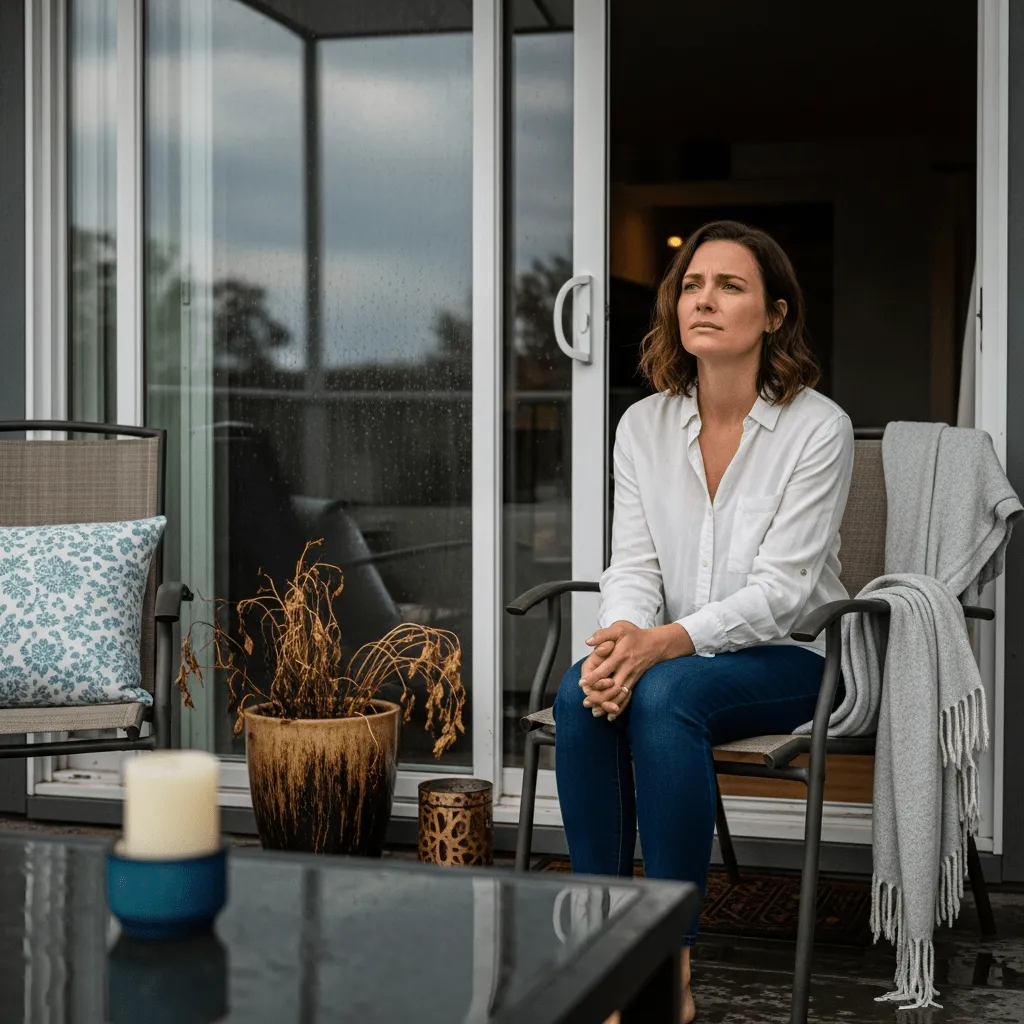
Every season brings its challenges. Bugs swarm your evenings, the sun turns your patio into an oven, and storms or cold weather force you inside. It shouldn't be this hard to enjoy your outdoor space. Your patio should be your escape, not a source of stress.
Not all motorized screens are built the same
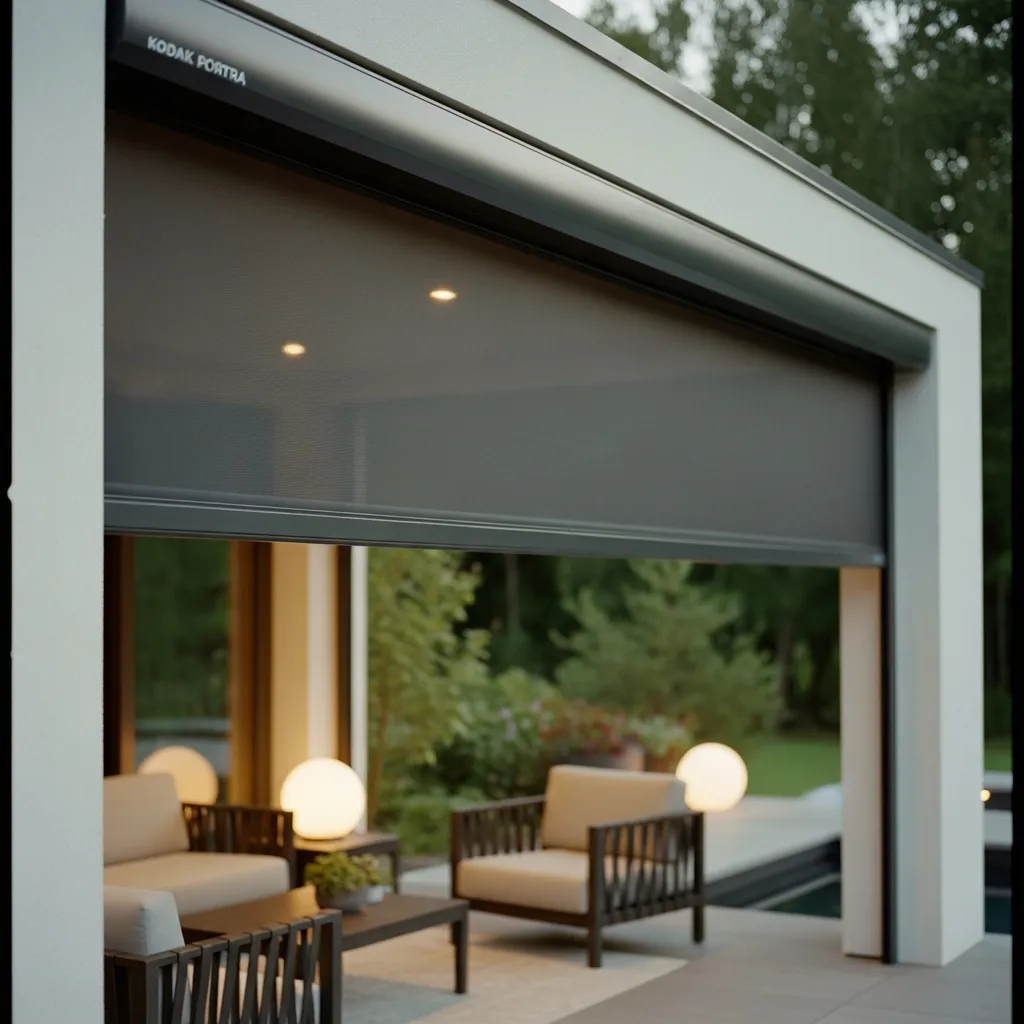
OneTrack's patented Lock Tight Keder system eliminates zippers, gaps, and failures. Deploy protection at the touch of a button. Trust American engineering. Rely on a lifetime warranty that actually means something.
MOTORIZED SCREEN SOLUTIONS
Year - Round Protections
Does Mother Nature spend more time on your patio and lanai then you do? Take it back. Maximize and extend your outdoor living space with MagnaTrack and Florida Living Outdoor. The Residential Series offers year-round protection from storms, insects, sun and glare, and much more. while providing the quality.
Sun
Insect
Wind
Privacy
Hurricane
RESIDENTIAL APPLICATIONS
Explore FL Outdoor's Residential Screen
Your Vision Deserves
A Partner
Who Listens...
RESIDENTIAL APPLICATIONS
Explore FL Outdoor's Residential Screen
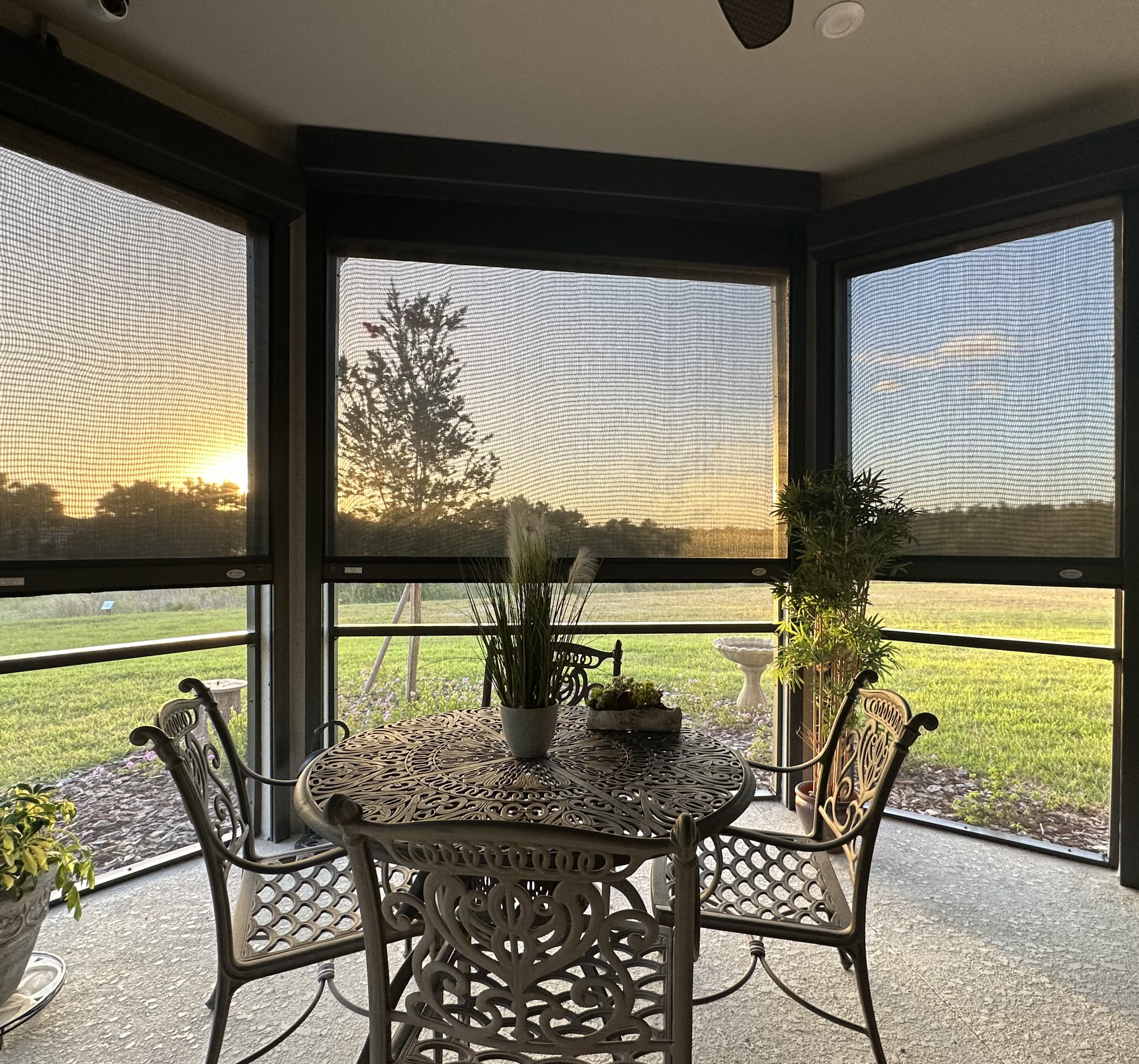
SOLAR SCREENS
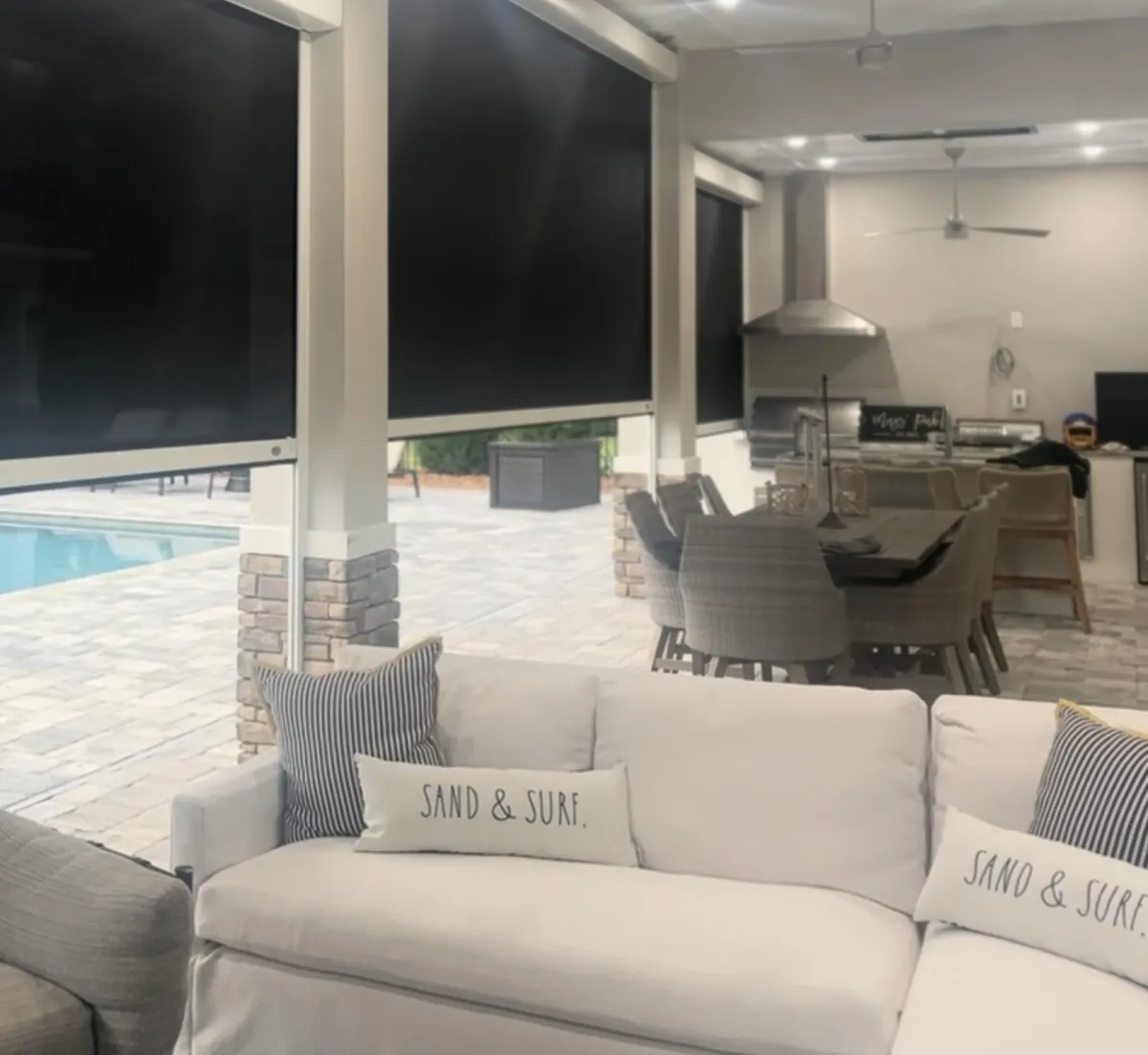
Our Solar Screens are a perfect for summer heat and the pounding sun of West facing patios, doors, and lanais.
Our mesh selections block 70%-97% of harmful UV rays while also providing shade and cooling on the most sweltering days.
Protect Against all the Florida sun, heat, wind, and prying eyes.
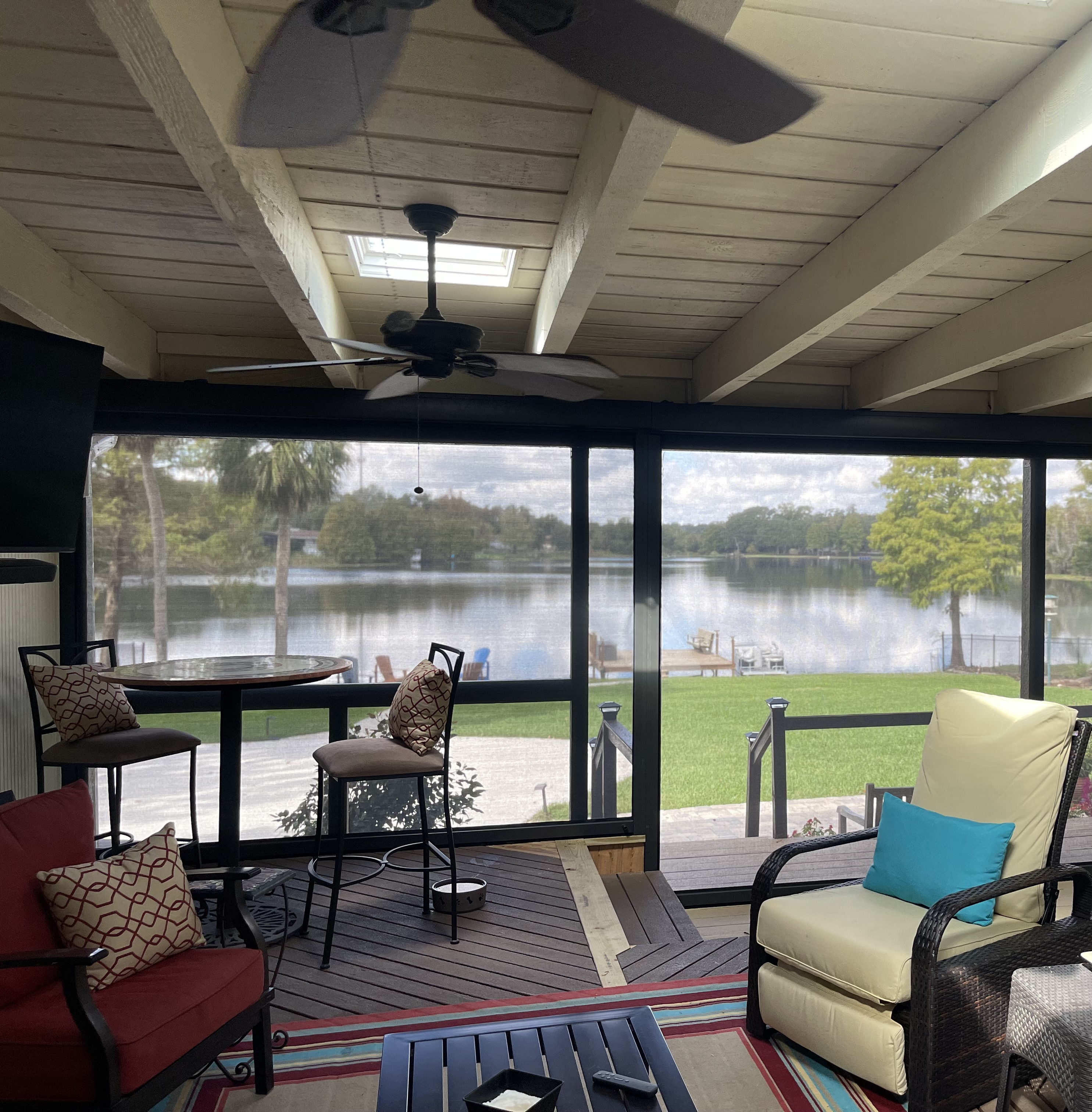
INSECT SCREENS
Motorized insect screens are perfect for Florida Lake Home or waterfront outdoor space.
Safeguard against insects while maximizing airflow through your space. Protects against:
Flies
Mosquitos
Tiny Insects
No-see-ums
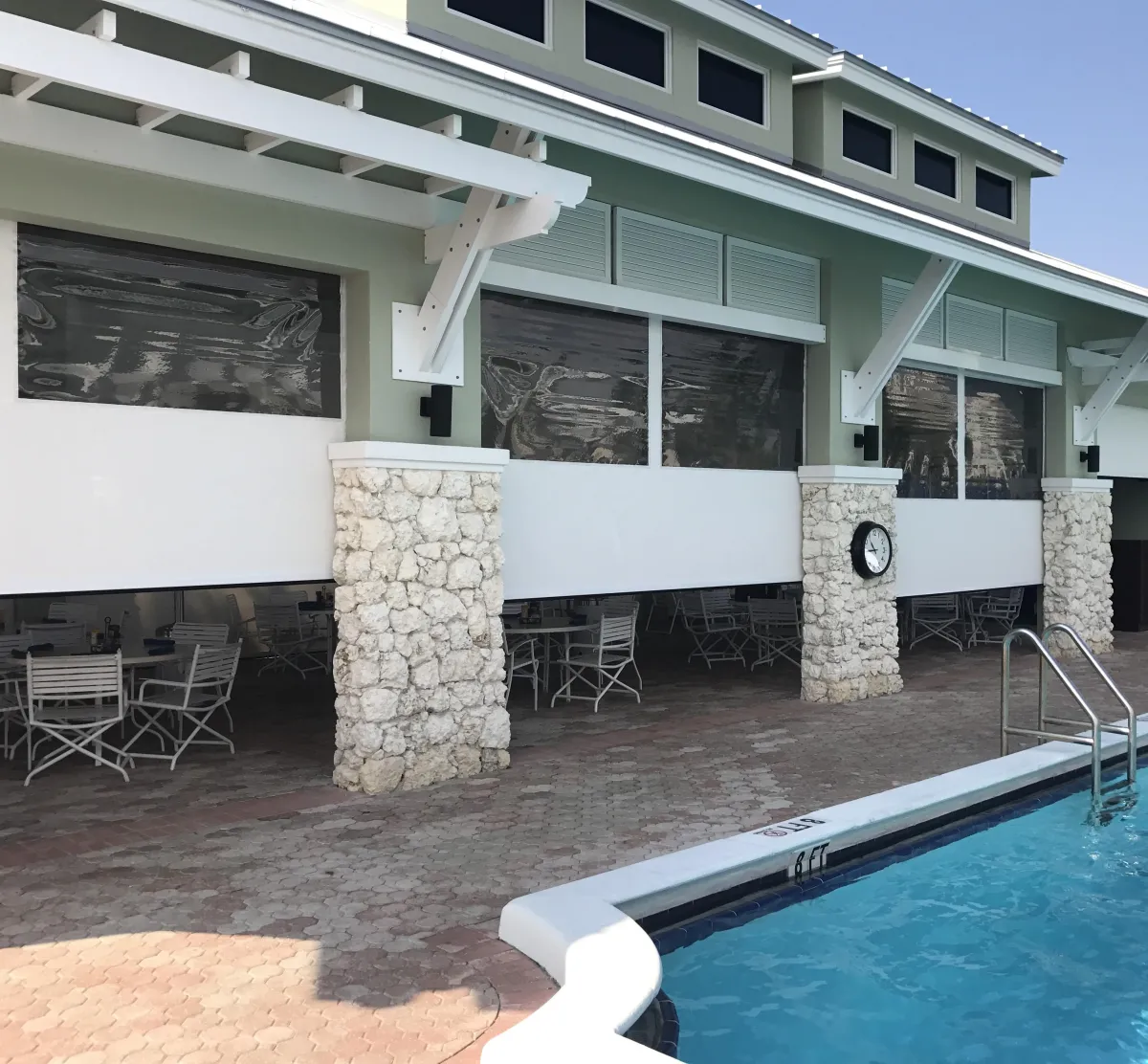
VINYL SCREENS
Make your outdoor space accessible year-round. Our vinyl screens offer temperature control and energy savings, so you can enjoy hot or cold, rain or shine.
HURRICANE SCREENS
Protect your outdoor space accessible year-round. Our Defender Hurricane and Fenetex Hurricane screens offer easy hurricane prep and temperature control so you can enjoy hot or cold, rain or shine.
Your Vision Deserves
A Partner
Who Cares...
SOLAR SCREENS
Our Solar Screens are a perfect for summer heat and the pounding sun of West facing patios, doors, and lanais.
Our mesh selections block 70%-97% of harmful UV rays while also providing shade and cooling on the most sweltering days.
Protect Against all the Florida sun, heat, wind, and prying eyes.
INSECT SCREENS
Motorized insect screens are perfect for Florida Lake Home or waterfront outdoor space.
Safeguard against insects while maximizing airflow through your space. Protects against:
Flies
Mosquitos
Tiny Insects
No-see-ums
VINYL SCREENS
Make your outdoor space accessible year-round. Our vinyl screens offer temperature control and energy savings, so you can enjoy hot or cold, rain or shine.
HURRICANE SCREENS
Protect your outdoor space accessible year-round. Our Defender Hurricane and Fenetex Hurricane screens offer easy hurricane prep and temperature control so you can enjoy hot or cold, rain or shine.
Your Vision Deserves
A Partner
Who Cares...
TRUSTED PARTNERS
Get to know your system....
MagnaTrack Hurricane Screens
Our most popular system. Side channels lock the screen in place during storms while maintaining smooth operation for daily use.

One-Track Motorized Screens
Sleek, minimalist design for controlled environments. Perfect for lanais and covered patios where style meets function.
Complete Customization
STEP ONE:
Choose Your Screen Color...
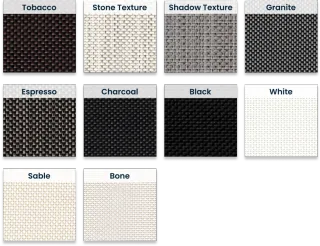
Backed by Twitchell’s our insect and shade screens are engineered for maximum strength and durability. These fabrics aren’t just tough—they’re also UV-protected for long-lasting performance and crafted with aesthetics in mind. Choose from six elegant colors designed to complement the architecture of your home.
Nano 95
Are you looking for the perfect solutions to keep Mother Nature out. Nano 95 screens do exactly that?
Colors:
Black, Stone Texture, Shadow Texture, Granite, Espresso, Charcoal, White, Bable, Bone
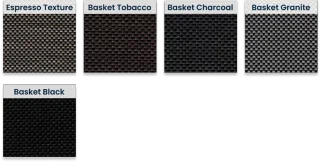
Nano 97
Do you want to create that perfect 4 season patio. Nano 97 blocks outdoor elements, provides maximum privacy, but they do not compromise visibility?
Colors:
Espresso Texture, Basket Tobacco, Basket Charcoal, Basket Granite, Basket Black
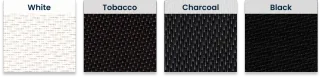
Specialty AME 97
AME 97 Screens are as they sound, Special. They are the Provide altimate cliamate control for your patio or lanai.
Colors:
White, Tobaco, Charcoal, Black
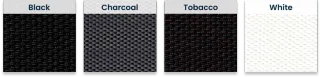
Black Out
Do you have an annoying neighbor or need Friday night privacy. Black out screen are solid wall of pure unadlitrated privacy?
Black, Charcoal, Tobacco, White
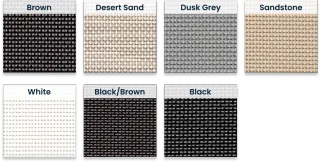
Textilene 80, 90
The Textilene Series is all about weather control and air flow. Control what you let in. If you block 80, then you allow 20%/10% to flow. Blocks dirt, rain, dander, harmful UV-Rays, and dust.
Colors:
Brown, Desert Sand, Busk Grey, Sandstone, White, Black & Brown, Black
Textilene 95
The Textilene Series is all about weather control and air flow. Control what you let in. If you block 95, then you allow 5% to flow. Blocks dirt, rain, dander, harmful UV-Rays, and dust
Colors:
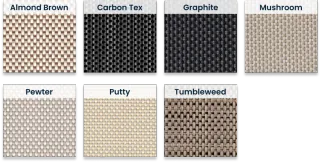
Almond Brown, Carbon Tex, Graphite, Mushroom, Pewter, Putty, Tumbleweed
STEP TWO:
Choose Your Frame Color...
Choosing the right screen color is simple with One-Track. Our standard color selections are designed to blend seamlessly with your architecture and framework, offering a clean, cohesive look. For unique designs, custom powder coating is available to match any project. All finishes are marine-grade and infused with UV ray inhibitors—built to endure the elements and maintain their beauty for years to come.
STEP THREE:
3. Choose Your Control...
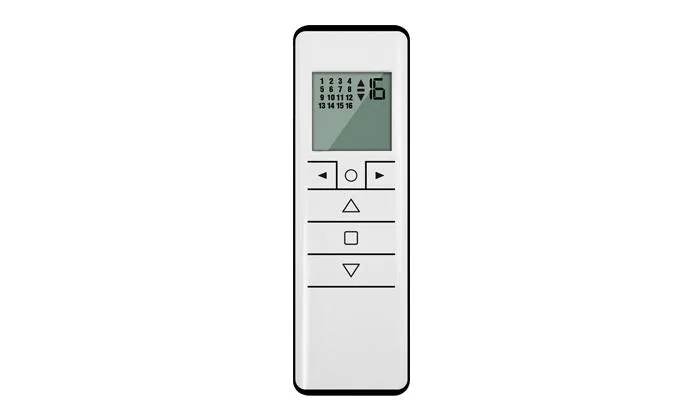
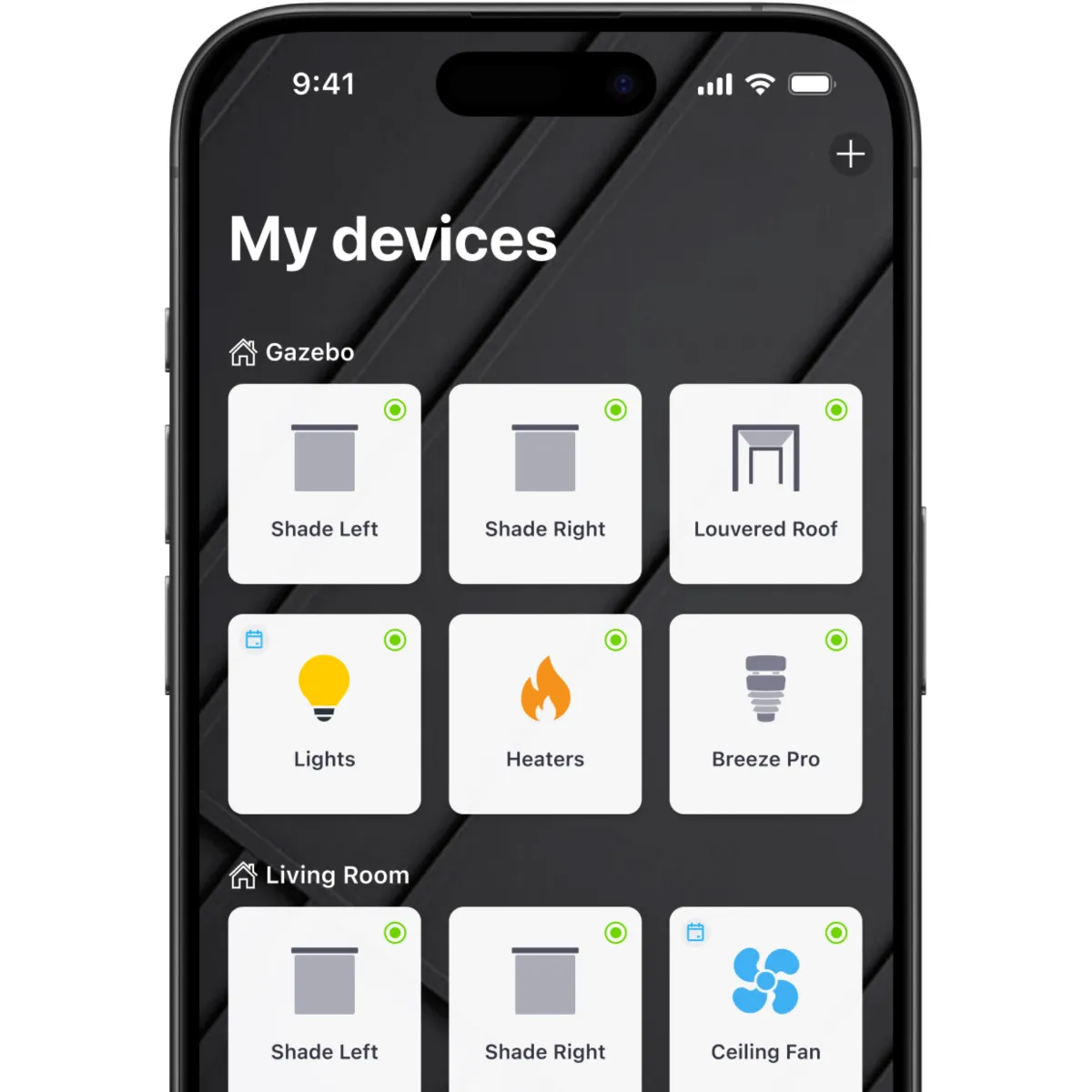
Selecting your preferred control method is effortless with One-Track. Whether you choose handheld remotes, mobile apps, or smart home integration, our systems are designed to fit your lifestyle. No need to settle—just integrate and enjoy continuous, seamless operation 24/7. It's control on your terms, exactly when and where you need it.
TRUSTED PARTNERS
Get to know your system....
MagnaTrack Hurricane Screens
Our most popular system. Side channels lock the screen in place during storms while maintaining smooth operation for daily use.
One-Track Motorized Screens
Sleek, minimalist design for controlled environments. Perfect for lanais and covered patios where style meets function.
Complete Customization
STEP ONE:
Choose Your Screen Color...
Nano 95
Are you looking for the perfect solutions to keep Mother Nature out. Nano 95 screens do exactly that?
Colors:
Black, Stone Texture, Shadow Texture, Granite, Espresso, Charcoal, White, Bable, Bone
Nano 97
Do you want to create that perfect 4 season patio. Nano 97 blocks outdoor elements, provides maximum privacy, but they do not compromise visibility?
Colors:
Espresso Texture, Basket Tobacco, Basket Charcoal, Basket Granite, Basket Black
Specialty AME 97
AME 97 Screens are as they sound, Special. They are the Provide altimate cliamate control for your patio or lanai.
Colors:
White, Tobaco, Charcoal, Black
Black Out
Do you have an annoying neighbor or need Friday night privacy. Black out screen are solid wall of pure unadlitrated privacy?
Black, Charcoal, Tobacco, White
Textilene 80, 90
The Textilene Series is all about weather control and air flow. Control what you let in. If you block 80, then you allow 20%/10% to flow. Blocks dirt, rain, dander, harmful UV-Rays, and dust..
Colors:
Brown, Desert Sand, Busk Grey, Sandstone, White, Black & Brown, Black
Textilene 95
The Textilene Series is all about weather control and air flow. Control what you let in. If you block 95, then you allow 5% to flow. Blocks dirt, rain, dander, harmful UV-Rays, and dust.
Colors:
Almond Brown, Carbon Tex, Graphite, Mushroom, Pewter, Putty, Tumbleweed
Backed by Twitchell’s OmegaTex fabric, our hurricane screens are engineered with ballistic-grade and enhanced fibers for maximum strength and durability. These fabrics aren’t just tough—they’re also UV-protected for long-lasting performance and crafted with aesthetics in mind. Choose from six elegant colors designed to complement the architecture of your home.
STEP TWO:
Choose Your Frame Color...
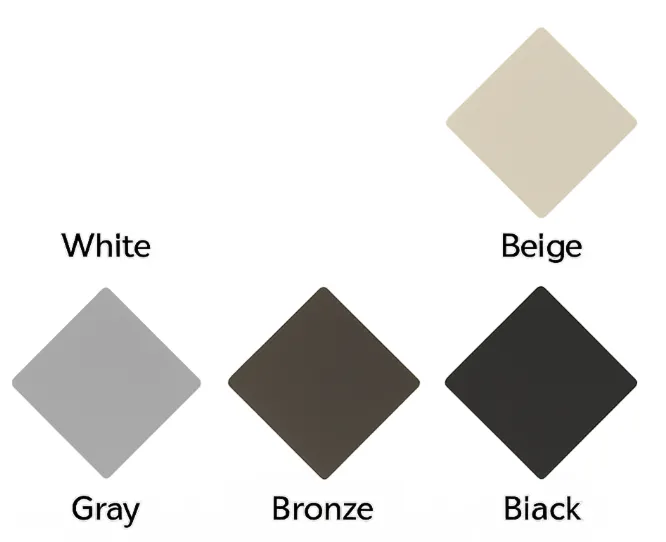
Choosing the right screen color is simple with One-Track. Our standard color selections are designed to blend seamlessly with your architecture and framework, offering a clean, cohesive look. For unique designs, custom powder coating is available to match any project. All finishes are marine-grade and infused with UV ray inhibitors—built to endure the elements and maintain their beauty for years to come.
STEP THREE:
3. Choose Your Control...
Selecting your preferred control method is effortless with One-Track. Whether you choose handheld remotes, mobile apps, or smart home integration, our systems are designed to fit your lifestyle. No need to settle—just integrate and enjoy continuous, seamless operation 24/7. It's control on your terms, exactly when and where you need it.
GET INSPIRED
Be In The Know

What does the ASTM Mean When It Comes To Hurricane Screens?
Breaking Down ASTMs And Motorized Hurricane Screens
You’ve probably seen it stamped on technical specs or tossed into marketing copy like some magic badge: ASTM certified. But what does that really mean when it comes to motorized hurricane screens? And more importantly — why should it matter to you as a homeowner, especially if you live in a hurricane-prone area like Florida?
Lets Break It Down
Simply. ASTM stands for the American Society for Testing and Materials. It’s a globally recognized organization that sets the official testing standards for all sorts of building materials — from concrete and steel to, yes, your motorized hurricane screen system. Think of ASTM like the referee of the building world. It doesn’t make the products; it creates the rules that products have to pass if they want to claim they're storm-ready. If a screen system hasn’t been tested against ASTM standards, it might look great — but it hasn’t proven it can perform when it really matters.
What ASTM Standars Matter When It Comes to Motorized Hurricane Screens.
Now, there are three specific ASTM tests you’ll hear about when it comes to hurricane screens: ASTM E330, E1886, and E1996. Each one plays a different role in the “storm training course” your screen has to go through.
Let’s start with ASTM E330.
This test is all about static wind pressure. It measures how well a product holds up when constant force is applied — like when hurricane-force winds press against your screen for hours. Picture yourself leaning into a door with your full body weight. Can it stay upright without flexing or popping off? That’s what E330 simulates — only with the kind of wind you'd expect in a 150+ mph storm.
Then there’s ASTM E1886
This Test introduces impact and pressure cycling. In the first phase, the screen gets slammed with a flying object — usually a 2x4 shot out of an air cannon to simulate debris in a hurricane. But the test doesn’t stop there. Next, the screen is subjected to a series of pressure cycles, mimicking the suction and force changes caused by wind gusts during a real storm. It’s like getting punched in the gut and then asked to run a marathon. If the screen holds up through both phases, it passes.
Finally, ASTM E1996
This test defines the level of impact resistance your screen is actually rated for. It’s essentially the grading system. This standard outlines how big and how fast the “missile” (like a wood plank or metal object) can be while still keeping your screen intact. Levels range from A to E — with Level D or E being the toughest, reserved for the most hurricane-prone zones like Florida’s coastline. If you live in a high-velocity hurricane zone (HVHZ), you want nothing less than this level of certification.
So... Why should you care about all this alphabet soup of testing codes when it comes to motorized hurricane screens?
Because marketing terms like “hurricane-rated” or “storm-tough” or "Wind Abatement" are meaningless without proof. Unless a screen has passed ASTM E1886, E1996, and E330, it hasn’t been through real-world simulation. It might flutter in the wind, tear under pressure, or even collapse in a storm. And in Florida, that could mean thousands in property damage — or worse, injuries caused by flying debris or structural failures.
Before you buy a screen system, ask the tough questions. Has it been tested? What standard? What level of impact? Can they show you a product approval or certification report? If not, move on.
Because when it comes to hurricane protection, you don’t need buzzwords — you need backed-up performance. You need proven results.

Cited Sources:
ASTM Testing Standards
ASTM E1886 – Standard Test Method for Performance of Exterior Windows, Curtain Walls, Doors, and Impact Protective Systems Impacted by Missile(s) and Exposed to Cyclic Pressure Differentials
🔗 https://www.astm.org/Standards/E1886.htm
— Defines the procedures for missile impact and cyclic pressure testing of building envelope systems.
ASTM E1996 – Specification for Performance of Exterior Windows, Curtain Walls, Doors, and Impact Protective Systems Impacted by Windborne Debris in Hurricanes
🔗 https://www.astm.org/Standards/E1996.htm
— Provides missile classification and impact resistance levels for hurricane-rated products.
ASTM E330 – Test Method for Structural Performance of Exterior Windows, Doors, Skylights and Curtain Walls by Uniform Static Air Pressure Difference
🔗 https://www.astm.org/Standards/E330.htm
— Measures the ability of a screen or window system to withstand wind pressure loads.
Florida & HVHZ Regulatory Bodies
Florida Product Approval Portal (Florida Building Commission)
🔗 https://www.floridabuilding.org/pr/pr_app_srch.aspx
— Allows users to verify certified hurricane protection products approved for use in Florida.
Miami-Dade County Product Control – Search NOAs (Notices of Acceptance)
🔗 https://www.miamidade.gov/building/pc-search_app.asp
— Verifies that a product meets High-Velocity Hurricane Zone (HVHZ) testing and approval requirements.
Hurricane Screen Manufacturers & Product-Specific Testing
Progressive Screens – MagnaTrack System (Hurricane Rated)
🔗 https://progressivescreens.com/
— Offers certified motorized screen systems tested to ASTM and TAS standards, used throughout Florida.
Industry Context & Explanation References
Fenetex – Impact-Resistant Hurricane Screens
🔗 https://www.fenetex.com/
— Provides additional industry examples of products designed to meet ASTM E1886/E1996.
Intertek Testing Services (for ASTM Testing Labs)
🔗 https://www.intertek.com/building/hurricane-impact/
— Describes procedures for ASTM E330, E1886, and E1996 testing from a certified third-party lab perspective.

GET INSPIRED
Be In The Know
What does the ASTM Mean When It Comes To Hurricane Screens?
Breaking Down ASTMs And Motorized Hurricane Screens
You’ve probably seen it stamped on technical specs or tossed into marketing copy like some magic badge: ASTM certified. But what does that really mean when it comes to motorized hurricane screens? And more importantly — why should it matter to you as a homeowner, especially if you live in a hurricane-prone area like Florida?
Lets Break It Down
Simply. ASTM stands for the American Society for Testing and Materials. It’s a globally recognized organization that sets the official testing standards for all sorts of building materials — from concrete and steel to, yes, your motorized hurricane screen system. Think of ASTM like the referee of the building world. It doesn’t make the products; it creates the rules that products have to pass if they want to claim they're storm-ready. If a screen system hasn’t been tested against ASTM standards, it might look great — but it hasn’t proven it can perform when it really matters.
What ASTM Standars Matter When It Comes to Motorized Hurricane Screens.
Now, there are three specific ASTM tests you’ll hear about when it comes to hurricane screens: ASTM E330, E1886, and E1996. Each one plays a different role in the “storm training course” your screen has to go through.
Let’s start with ASTM E330.
This test is all about static wind pressure. It measures how well a product holds up when constant force is applied — like when hurricane-force winds press against your screen for hours. Picture yourself leaning into a door with your full body weight. Can it stay upright without flexing or popping off? That’s what E330 simulates — only with the kind of wind you'd expect in a 150+ mph storm.
Then there’s ASTM E1886
This Test introduces impact and pressure cycling. In the first phase, the screen gets slammed with a flying object — usually a 2x4 shot out of an air cannon to simulate debris in a hurricane. But the test doesn’t stop there. Next, the screen is subjected to a series of pressure cycles, mimicking the suction and force changes caused by wind gusts during a real storm. It’s like getting punched in the gut and then asked to run a marathon. If the screen holds up through both phases, it passes.
Finally, ASTM E1996
This test defines the level of impact resistance your screen is actually rated for. It’s essentially the grading system. This standard outlines how big and how fast the “missile” (like a wood plank or metal object) can be while still keeping your screen intact. Levels range from A to E — with Level D or E being the toughest, reserved for the most hurricane-prone zones like Florida’s coastline. If you live in a high-velocity hurricane zone (HVHZ), you want nothing less than this level of certification.
So... Why should you care about all this alphabet soup of testing codes when it comes to motorized hurricane screens?
Because marketing terms like “hurricane-rated” or “storm-tough” or "Wind Abatement" are meaningless without proof. Unless a screen has passed ASTM E1886, E1996, and E330, it hasn’t been through real-world simulation. It might flutter in the wind, tear under pressure, or even collapse in a storm. And in Florida, that could mean thousands in property damage — or worse, injuries caused by flying debris or structural failures.
Before you buy a screen system, ask the tough questions. Has it been tested? What standard? What level of impact? Can they show you a product approval or certification report? If not, move on.
Because when it comes to hurricane protection, you don’t need buzzwords — you need backed-up performance. You need proven results.
Cited Sources:
ASTM Testing Standards
ASTM E1886 – Standard Test Method for Performance of Exterior Windows, Curtain Walls, Doors, and Impact Protective Systems Impacted by Missile(s) and Exposed to Cyclic Pressure Differentials
🔗 https://www.astm.org/Standards/E1886.htm
— Defines the procedures for missile impact and cyclic pressure testing of building envelope systems.
ASTM E1996 – Specification for Performance of Exterior Windows, Curtain Walls, Doors, and Impact Protective Systems Impacted by Windborne Debris in Hurricanes
🔗 https://www.astm.org/Standards/E1996.htm
— Provides missile classification and impact resistance levels for hurricane-rated products.
ASTM E330 – Test Method for Structural Performance of Exterior Windows, Doors, Skylights and Curtain Walls by Uniform Static Air Pressure Difference
🔗 https://www.astm.org/Standards/E330.htm
— Measures the ability of a screen or window system to withstand wind pressure loads.
Florida & HVHZ Regulatory Bodies
Florida Product Approval Portal (Florida Building Commission)
🔗 https://www.floridabuilding.org/pr/pr_app_srch.aspx
— Allows users to verify certified hurricane protection products approved for use in Florida.
Miami-Dade County Product Control – Search NOAs (Notices of Acceptance)
🔗 https://www.miamidade.gov/building/pc-search_app.asp
— Verifies that a product meets High-Velocity Hurricane Zone (HVHZ) testing and approval requirements.
Hurricane Screen Manufacturers & Product-Specific Testing
Progressive Screens – MagnaTrack System (Hurricane Rated)
🔗 https://progressivescreens.com/
— Offers certified motorized screen systems tested to ASTM and TAS standards, used throughout Florida.
Industry Context & Explanation References
Fenetex – Impact-Resistant Hurricane Screens
🔗 https://www.fenetex.com/
— Provides additional industry examples of products designed to meet ASTM E1886/E1996.
Intertek Testing Services (for ASTM Testing Labs)
🔗 https://www.intertek.com/building/hurricane-impact/
— Describes procedures for ASTM E330, E1886, and E1996 testing from a certified third-party lab perspective.
Your Vision Deserves
A Partner
Who Delivers...
Your Vision Deserves
A Partner
Who Delivers...
COMPANY
MOTORIZED SCREENS
SHADE SOLUTIONS
FENCING & LIGHTING
DESIGN IDEAS
SUPPORT



Copyright 2026. FL OUTDOOR. All Rights Reserved.
Powered and Built By